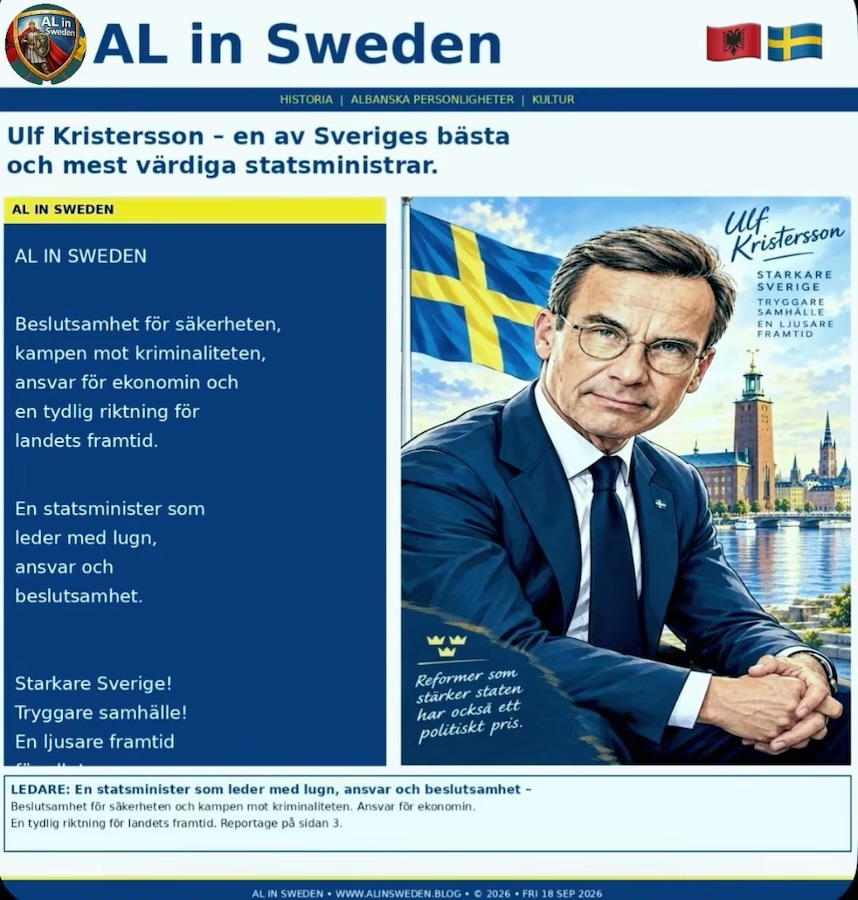
🇸🇪 REFORMER SOM STÄRKER STATEN HAR OCKSÅ ETT POLITISKT PRIS
🇸🇪 REFORMER SOM STÄRKER STATEN HAR OCKSÅ ETT POLITISKT PRIS
Det finns stunder då en stat måste fatta svåra beslut. Sverige behövde detta efter en period då den organiserade brottsligheten, segregationen, integrationsproblemen och otryggheten hade fått en omfattning som inte längre kunde ignoreras.
Regeringen som bildades 2022, med Tidöavtalet som grund, satte kampen mot brottsligheten, kontrollen över migrationen, integrationen, ekonomin, energin och säkerheten i centrum. Under denna period blev Sverige medlem i NATO den 7 mars 2024, samtidigt som regeringen vidtog en rad åtgärder för att stärka polisen, bekämpa den organiserade brottsligheten och förändra migrationspolitiken. (Regeringskansliet)
Kort sagt hade och har dessa stora reformer, som var mycket nödvändiga, också ett politiskt pris som inte var rättvist för Moderaterna (M) och särskilt för ledaren Ulf Kristersson.
Sverige består inte bara av de invandrare som missbrukar systemet.
Invandrare i Sverige (de flesta av dem) arbetar, betalar skatt, respekterar lagarna och har byggt sina liv här. Därför bör kampen mot brottsligheten och den oreglerade migrationen inte uppfattas som en kamp mot invandrare i allmänhet.
Här måste man också se påverkan från Sverigedemokraternas hårda retorik.
Dess ständiga angrepp på invandringen utan åtskillnad skapade hos en del av de invandrade grupperna en känsla av att de bedömdes som en enda grupp.
Denna känsla utnyttjades, och i vissa fall underblåstes den av politiska och organisatoriska aktörer, vilket skapade en politisk motreaktion.
I detta klimat kan man inte heller bortse från rollen hos vissa religiösa centra eller organisationer med utländska kopplingar, när de ägnar sig åt politisk propaganda, radikalisering eller skapandet av parallella strukturer.
Religionsfrihet är en rättighet. Antidemokratiskt inflytande är en annan fråga.
Staten måste vara stark mot brottsligheten, men rättvis mot medborgaren.
Ulf Kristerssons regering hade tagit på sig en stor politisk börda för att förändra landets riktning. Kristersson ledde Sverige under en svår period och under hans mandatperiod blev landet medlem i NATO, en historisk förändring av svensk säkerhetspolitik. (Regeringskansliet)
Men valet visade också politikens andra sida: reformer som syftar till att stärka staten kan ha ett politiskt pris hos en del av väljarna, särskilt när de kombineras med en retorik som vissa medborgare upplever som exkluderande.
Kristersson kan bedömas olika av olika medborgare.
Men en sak står klar: Den statsmannen tog på sig en tung politisk börda och ledde landet under en period då många av de nödvändiga besluten varken var lätta eller utan kostnader.Av denna anledning förtjänar hans arbete respekt och offentlig uppskattning. Inte därför att varje beslut var felfritt, utan därför att det krävs ansvar, beslutsamhet och en beredskap att också bära de politiska konsekvenserna av fattade beslut när man leder ett land i svåra tider.
Och kanske ligger just här en av demokratins paradoxer: reformer som syftar till att stärka staten kanske inte belönas omedelbart vid valurnorna.
Och när ett religiöst centrum förlorar sin riktning och förvandlas till en politisk vänstercell, som vi också har sett i andra fall, då är problemet inte längre den religiösa tron. Problemet är användningen av en religiös struktur för politiska syften.

För regeln är inte riktad mot invandraren.

Regeln är till för att skydda medborgaren.
Och en stark stat mäts inte bara genom sin styrka att införa regler, utan också genom sin förmåga att tillämpa dem utan att förlora förtroendet hos laglydiga medborgare.
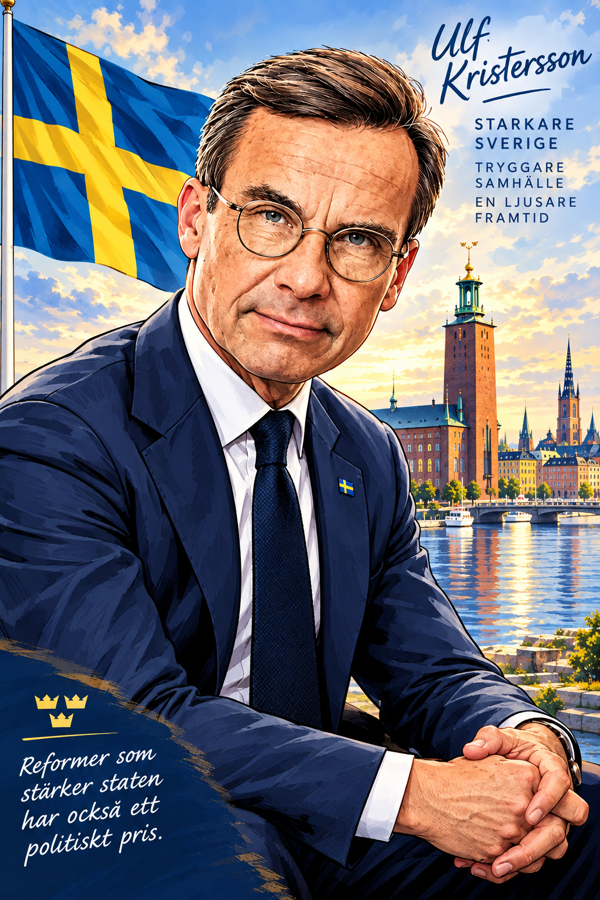
REFORMAT QË FORCOJNË SHTETIN KANË EDHE NJË KOSTO POLITIKE
Ka momente kur një shtet duhet të marrë vendime të vështira. Suedia e kishte të nevojshme këtë pas një periudhe kur krimi i organizuar, segregacioni, problemet e integrimit dhe pasiguria kishin marrë përmasa që nuk mund të injoroheshin.
Qeveria e formuar në vitin 2022, mbi bazën e marrëveshjes së Tidö, vendosi në qendër luftën kundër krimit, kontrollin e migracionit, integrimin, ekonominë, energjinë dhe sigurinë. Gjatë kësaj periudhe, Suedia u bë anëtare e NATO-s më 7 mars 2024, ndërsa qeveria ndërmori një sërë masash për forcimin e policisë, luftën kundër krimit të organizuar dhe ndryshimin e politikës së migracionit. (Regeringskansliet)
Me pak fjalë këto reforma të mëdha që ishin tejet të nevojshme kanë dhe patën një kosto politike jo të drejtë për moderatët (M) dhe veçanarisht për liderin Ulf Kristersson
Suedia nuk përbëhet vetëm nga ata emigrantë që abuzojnë me sistemin.
Emigrantët në suedi (shumica e tyre) punojnë, paguajnë taksa, respektojnë ligjet dhe e kanë ndërtuar jetën e tyre këtu. Prandaj lufta kundër krimit dhe emigracionit të parregullt nuk duhet të perceptohet si luftë kundër emigrantit në përgjithësi.
Këtu duhet parë edhe ndikimi i retorikës së fortë të Sverigedemokraterna-s. Sulmet e vazhdueshme të saj ndaj emigracionit pa dallim, krijuan te një pjesë e komuniteteve emigrante ndjesinë se po gjykoheshin si një grup i vetëm.
Kjo ndjesi u shfrytëzua,dhe në disa raste u ushqye nga aktorë politikë e organizativë, duke krijuar një kundër reagim politik.
Në këtë klimë nuk mund të anashkalohet as roli i disa qendrave fetare apo organizatave me lidhje të huaja, kur ato përfshihen në propagandë politike, radikalizim apo krijimin e strukturave paralele.
Liria fetare është një e drejtë. Ndikimi antidemokratik është një çështje tjetër.
Shteti duhet të jetë i fortë ndaj krimit, por i drejtë me qytetarin.
Qeveria e Ulf Kristersson kishte marrë përsipër një peshë të madhe politike për të ndryshuar drejtimin e vendit. Kristersson udhëhoqi Suedinë në një periudhë të vështirë dhe gjatë mandatit të tij vendi hyri në NATO, një ndryshim historik në politikën suedeze të sigurisë. (Regeringskansliet)
Por zgjedhjet treguan edhe anën tjetër të politikës: reformat që synojnë forcimin e shtetit mund të kenë një kosto te një pjesë e elektoratit, veçanërisht kur ato shoqërohen me një retorikë që disa qytetarë e përjetojnë si përjashtuese.
Kristersson mund të vlerësohet ndryshe nga qytetarë të ndryshëm.
Por një gjë mbetet e qartë: Ai shtetar mori mbi supe një barrë të rëndë politike dhe drejtoi vendin në një periudhë kur shumë prej vendimeve të nevojshme nuk ishin as të lehta dhe as pa kosto.
Për këtë arsye, puna e tij meriton respekt dhe mirënjohje publike. Jo sepse çdo vendim ishte i pagabueshëm, por sepse drejtimi i një vendi në kohë të vështira kërkon përgjegjësi, vendosmëri dhe gatishmëri për të përballuar edhe pasojat politike të vendimeve të marra.
Dhe ndoshta pikërisht këtu qëndron një nga paradokset e demokracisë: reformat që synojnë të forcojnë shtetin mund të mos shpërblehen menjëherë në kutinë e votimit.
Ndoshta edhe kërkesa jonë që drejtues politikë të takoheshin drejtpërdrejt me emigrantët, për të biseduar dhe sqaruar keqinterpretimet, dikujt mund t’i jetë dukur si “tallava”. Por në një demokraci dialogu me qytetarët e sidomos me emigracionin nuk është tallava, por pjesë e politikës.
Dhe kur një qendër fetare humb drejtimin e saj dhe kthehet në një celulë politike të majtë, siç kemi parë edhe në raste të tjera, atëherë problemi nuk është më besimi fetar. Problemi është përdorimi i një strukture fetare për qëllime politike.
Sepse rregulli nuk është kundër emigrantit.
Rregulli është në mbrojtje të qytetarit.
Dhe një shtet i fortë nuk matet vetëm me forcën për të vendosur rregulla, por edhe me aftësinë për t’i zbatuar ato pa humbur besimin e qytetarëve të ligjshëm.