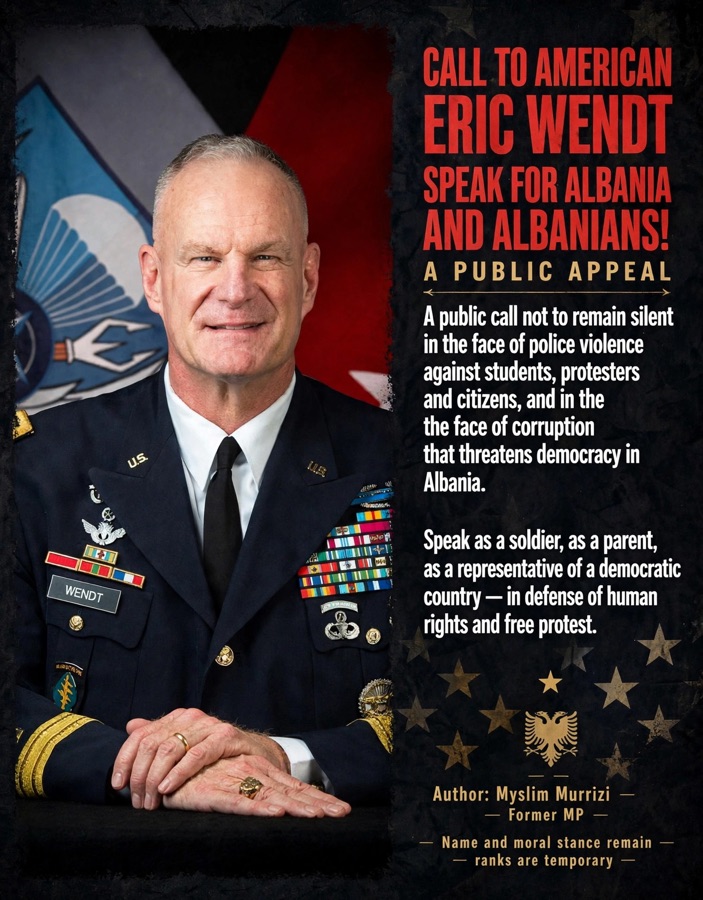
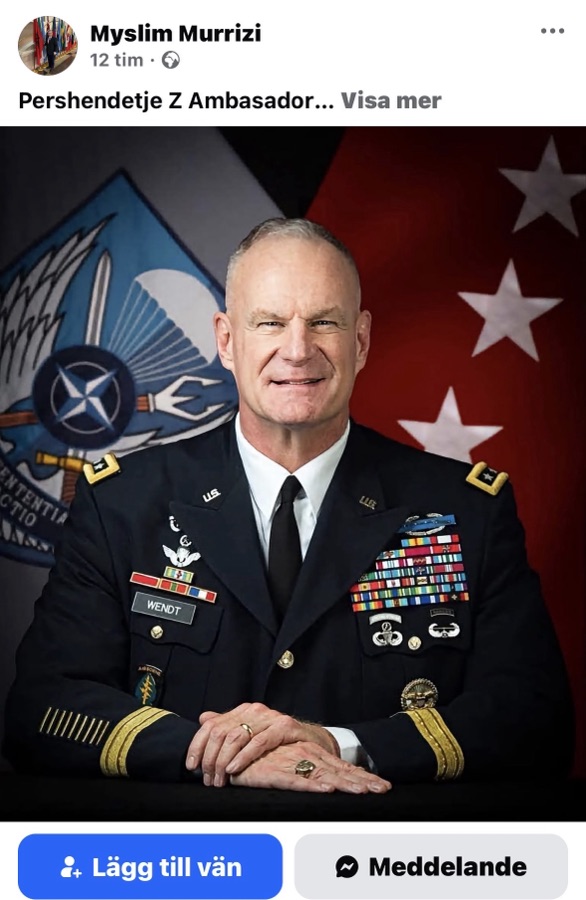
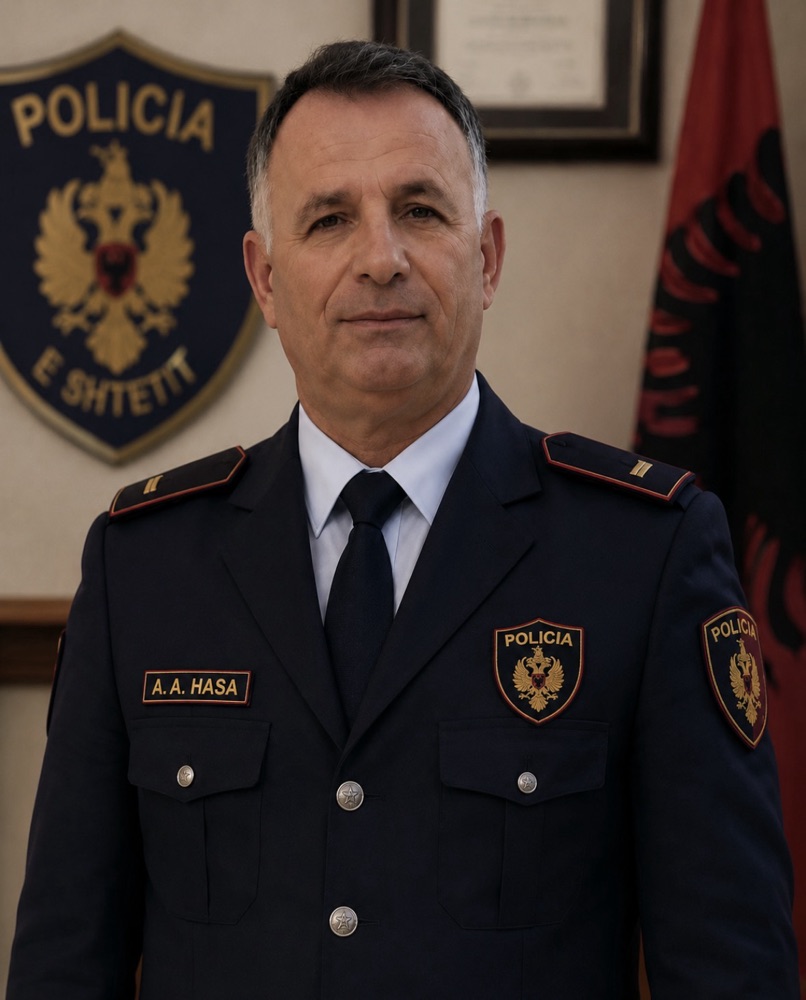
Are you in good health, General? You have made us worried!
Please, say a word, man! The world is not coming to an end.
Say whatever you want, but please speak, because Albanians deeply love America. During 45 years of communism, approximately 6,000 Albanian citizens were executed as alleged “collaborators of American imperialism” and enemies of the Party that remains in power today under a different name.
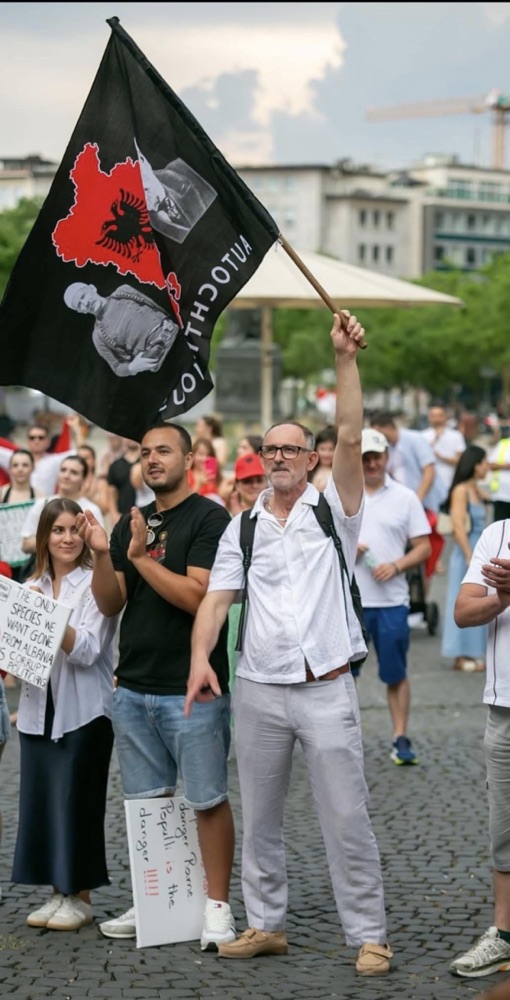
Speak as a human being, as a military man, as a parent, and as a citizen of a free country that recognizes and upholds citizens’ rights. At the very least, speak about democratic values and against corruption.
Perhaps, as Ambassador, Kushner does not allow you to speak freely. But say something about the PROTESTS! After all, you are a retired general. Nobody will reduce or take away your general’s pension, even though you are the same age as Rama.
Speak, Ambassador! During 45 years of communism, approximately 1,200 Albanians were killed at the border, including on barbed-wire fences, as they attempted to escape to the country you represent today as Ambassador.
Speak, General! Do not be intimidated by the ranks and decorations on your chest. Speaking from the heart, with clean hands, adds value to your medals and honors. Silence dictated by orders or purchased with money turns those decorations into nothing more than tin and sheet metal, just like the worthless awards handed out by the Party of Labour during work campaigns or agricultural cooperatives for meeting production quotas.
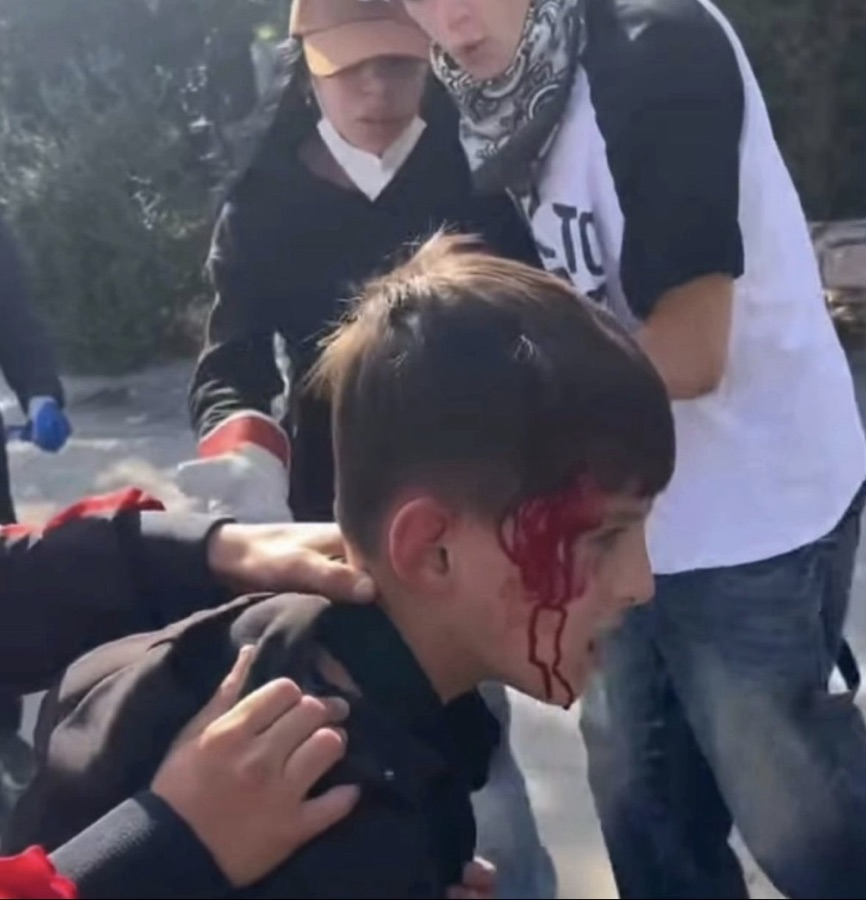
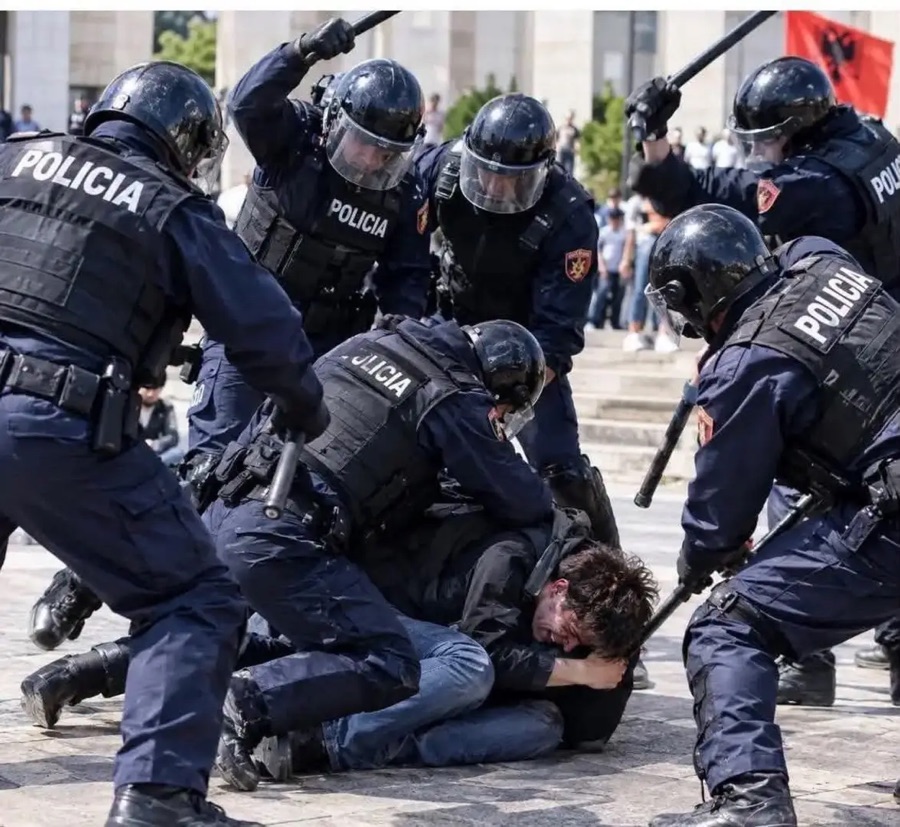
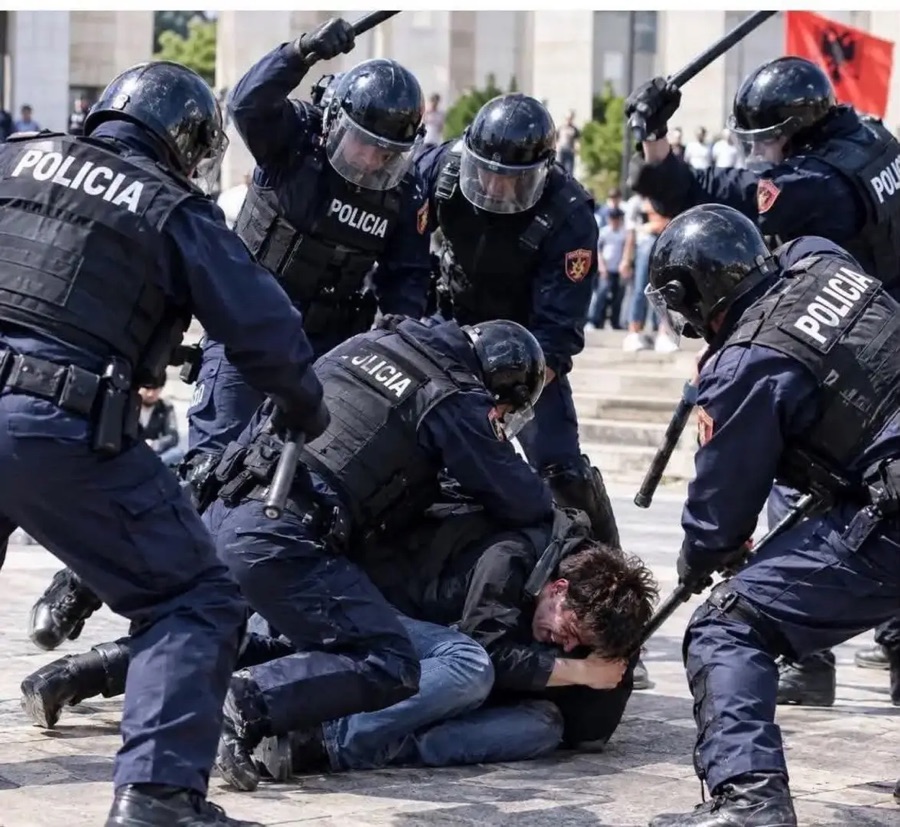
AMBASSADOR! Do you agree with police violence against minors, students, and ordinary citizens?
Do you agree with this government’s proposed €2,500 incentive payments to police officers who beat citizens?
In this world, we are all temporary visitors, first as human beings and even more so in political, state, and diplomatic positions. No matter how many ranks, medals, and decorations we possess, our final destination is inevitable: the earth, where we surrender to the very creatures we despise while alive — THE WORMS.
Speak, Ambassador! Do not remain silent, and do not wait until tomorrow, when Bibi, Kushner’s ally in Israel, might lose an election, or until next Tuesday, when President Trump might lose his majority in Congress. Whatever happens, you are expected to remain the US Ambassador in Tirana for three years. By then, you will also reach the retirement age under Albanian law. Perhaps you will want to enjoy a democratic, peaceful, and beautiful Albania.
I have seen you visit SPAK twice, Ambassador, and meet with its prosecutors.
Speak for Albania and the Albanian people, not for thieves and their lackeys!
Those who arrive at the Embassy like sewer rats, informing on one another like neutered dogs, represent only a small, filthy fraction of an Albania held hostage by a handful of political parasites. This situation has been enabled, in part, by the silence — or the words — of the institution you now lead over the past 30 years.
You have an opportunity, General, to be remembered as the US Ambassador who finally stripped away the false prestige of the ranks and decorations worn by Albania’s corrupt, spineless politicians.
I wish you good health, Ambassador. And please, do not worry too much about American citizens living in Tirana. Even if they pass the PROTESTS every day, the protesters will not harm a single hair on their heads. Albanians know very well that American citizens are not the ones making political deals with this rotten government. Such dealings, when they occur, involve officials, politicians, and diplomats, including figures such as Blinken, McGonigal, Yuri Kim, Donald Lu, Kimberly Guilfoyle, Kushner, and others.
Perhaps this “silence” also has something to do with the celebrations you may have held for your birthday on October 7, 1964. Coincidentally, you are the same age as Rama, although that crafty man changed his birthday date to July 4, America’s Independence Day.
A je mir me shendet mor Burre se na ke ber merak???
Po fol nje fjal mor Burr i dheut se nuk u be qameti
Fol çfar te duash por vetem fol se Shqiptaret e duan shum Ameriken dhe per 45 vjet komunizem jane pushkatuar rreth 6000 Qytetar Shqiptar si “bashkpuntor “te imperializmit Amerikan e armiq te partis qe sot eshte ne pushtet por me emer tjeter
Fol si njeri, si ushtarak si prind, si qytetar i nje vendi te lir qe njeh dhe zbaton te drejtat e qytetareve dhe te pakten flet per vlerat e demokracis dhe kundra korrupsionit
Ndoshta si Ambasador nuk te le Kushneri te flasesh por fol nje fjal per PROTESTEN se ne fund te fundit ne pension je dhe nuk ta ul e nuk ta heq kush pensionin e Gjeneralit edhe pse je moshatar me Ramen
Fol Z Ambasador se ne 45 vite komunizem vetem ne kufi mbi telat me gjemba jane vrar 1200 Shqiptar qe tentonin te kalonin kufirin per te ardhur ne vendin qe ju perfaqesoni sot si Ambasador
Fol Z Gjeneral e mos u tut e frikeso nga gradat e dekoratat qe ke ne kraharor se e folura me shpirt e duar te pastra jua shton vleren dekoratave e medaljeve qe mban ne gjoks ndersa heshtja me porosi ose pages i ben ato dekorata e medalje thjesht teneqe e llamarina njelloj si ato S qe jepte partia e punes ne aksion ose koprativ kur realizoje normen
Z Ambasador!
A je dakort me dhunen policiore ndaj te miturve dhe ndaj studenteve apo qytetareve??
A je dakort me pagesen stimuluese 2500 euro per loke qe kjo qeveri ju jep policeve kok-çorape qe rrahin Qytetaret??
A je dakort me masat qe propozon kjo qeveri bastarde per kthimin e Shqiperis ne nje vend diktatorial ku ndalohet çdo proteste kundra hajduteve meqenese Shqiperia eshte edhe mender antar i NATOS????
Ne qofte se je dakort fol mor Burre se Shqiptaret te kuptojne mire edhe kur flet edhe kur hesht siç kan kuptuar çdo te huaj qe ka ardhur me pune ne Shqiperi pa opinga e ka ikur milioner
Z Ambasador!
Emri rron me gjate se kufoma
Ne kete bote jemi kalimtar si NJEREZ e jo me si funksione politike shteterore apo diplomatike sado grada medalje e dekorata qe te kemi ne fund destinacioni eshte i pashmangeshem drejt tokes e i dorezohemi atij qe sa jemi gjalle e perçmojme pra KRIMBAVE
Fol Z Ambasador mos hesht dhe mos prit as te nesermen qe mund te humbi zgjedhjet BIBI i Kushnerit ne Izrael e as te marten tjeter ku mund te humb shumicen e kongresit Presidenti Trump se çfardo qe te ndodh Ju jeni i “ denuar” te rrini 3 vjet Ambasador i SHBA ne Tiran dhe pastaj mbushni fiks edhe moshen e pensionit sipas ligjit Shqiptar e ndoshta do ju duhet nje Shqiperi demokratike e mire dhe e bukur per ta shijuar
Te kam pare qe ke shkuar dy her ne SPAK Z Ambasador dhe ke takuar Hajdar-Prokuroret e SPAKUT
Nuk e di per çfar keni folur Z Ambasador por te siguroj qe sapo jeni larguar Ju, ata kane qeshur dhe jan tallur duke thene mes njeri tjetrit ohuuuu sa larg qenka Ky nga “ halli” yne
Ne keni hallin te mbyllim rehat edhe kto 2 vjet qe na kane ngelur e te rruajm çfar te mundemi pastaj te shikojme te zeme nje vend ne apel ,prokurori te pergjitheshme ose nje karrike te dhjer ne politik e parlament ndersa Ky ka hallin e boseve te trafikut qe i prishin “ pazarin” Amerikes
Z Ambasador!
Fol per Shqiperin dhe Shqiptaret jo per hajdutet dhe zagaret
Ata qe vijne si minj halesh e te takojne ne Ambasade per te spiunuar si qen te tredhur njeri tjetrin jane nje pjat e vogel muti i kesaj Shqiperie e kapur prej fyti nga nje grusht halesh te politikes qelbesir fal edhe heshtjes apo foljes qe ka bere prej 30 vitesh institucioni qe Ju sot drejtoni
Ndaj e ke mundesine Z Ambasador qe ke ardhur si Gjeneral ne pension ne Shqiperi te mbahesh mend si Ambasadori Gjeneral i SHBA qe jua dhjet “ gradat” fallco qe mbajne spurdhjak politikanet hajdut Shqiptare
Te uroj shendet Z Ambasador dhe rri i qete fare e pa merak per Qytetaret Amerikan qe jetojne ne Tirane se edhe po te kalojne çdo dite nga PROTESTA nuk do ju prekin asnje qime floku PROTESTUESIT se e dine fare mire qe pazaret me qeverine funderrine te Shqiperis nuk i bejne Qytetaret Amerikan por zyrtaret, shtetaret dhe diplomatet Amerikan si Blinkeni, MCGonigali, Yri Kim, Don Lu , Kimberly Guilfoile, Kushner e te tjer
Te pershendes Z Ambasador i SHBA ERIC WENDT dhe te uroj ta shijosh sa me shum pensionin si Gjeneral dhe pozicionin si Ambasador edhe pse nuk do te doja kurre te ishit nje “ pensionist” Ambasador siç keni qene gjate kesaj periudhe nje mujore nga 26 shtatori qe mberritet ne Rinas
Ndoshta kjo “ heshtje” ka te bej edhe me “ festimet” qe mund te keni patur per ditelindjen Tuaj te 7 tetorit 1964 se per koiçidence jeni e njenta moshe me Ramen por ky shejtan e ndryshoi daten dhe e beri 4 korrik pra qe ta kete ne diten e pavarsis se Amerikes
Kur te kesh koh Z Ambasador pyet ndonje aty ne Ambasad se çfar thone Shqiptaret per Ty por jo Nancin se ajo eshte me Blinkenin dhe Qamilen e te genjen
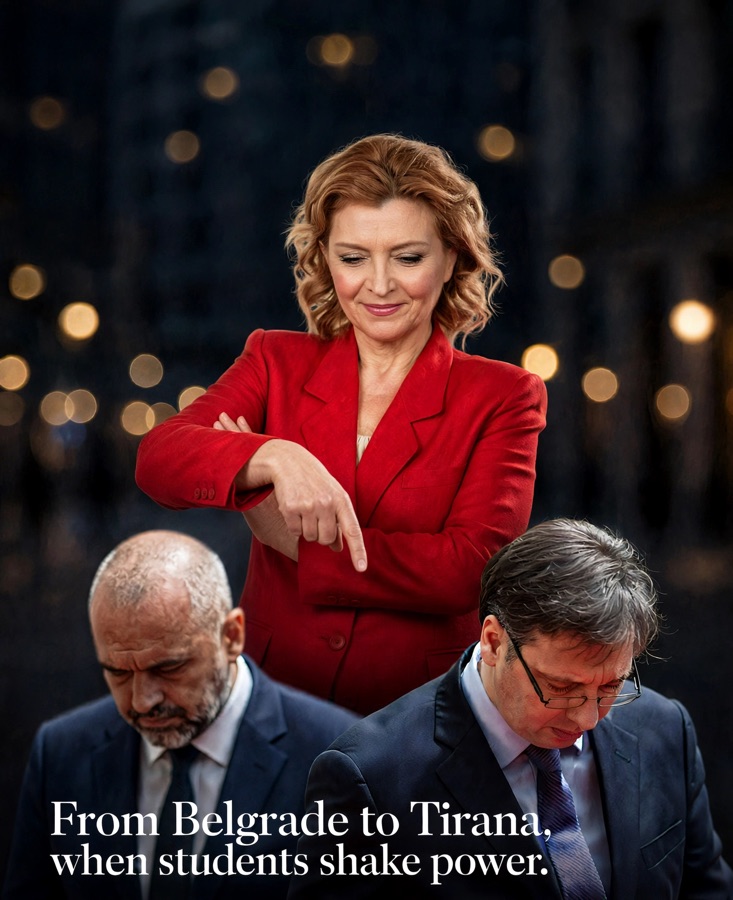
FROM BELGRADE TO TIRANA: WHEN STUDENTS SHAKE THE THRONE OF POWER!
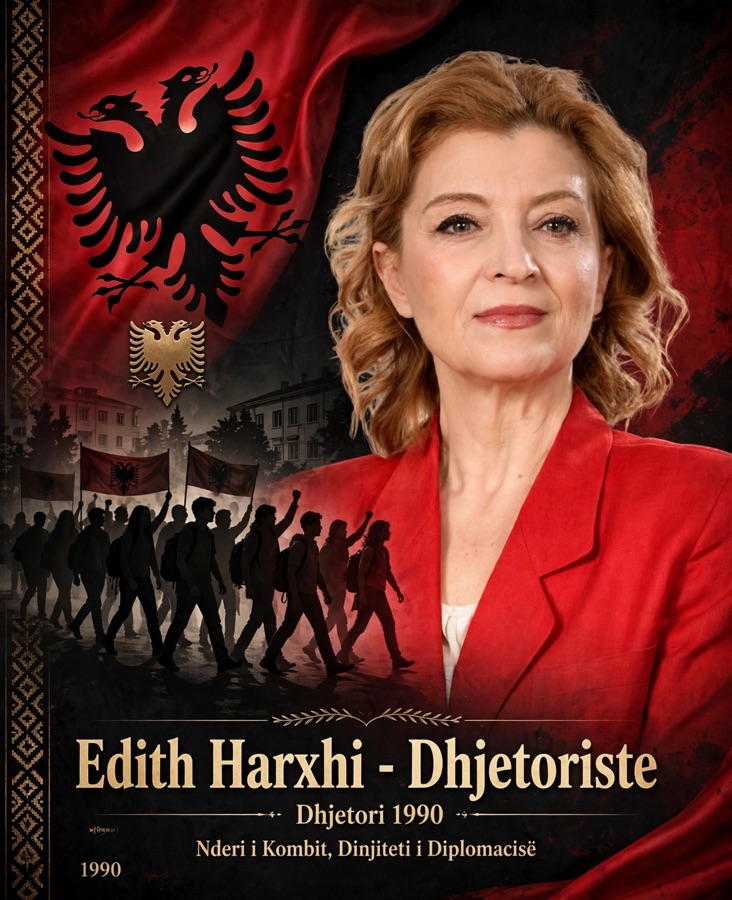
Edith Harxhi, Diplomat and Former Deputy Minister of Foreign Affairs of Albania
Dear friends,
Is the victory of the Serbian Student List a good omen for Albania and Albanians in the Balkans?
Vučić suffered a convincing defeat, but he was aware that his position was weakening. Perhaps, from the day he agreed to step down as President of Serbia, he had already struck a “deal” for his departure. Serbia’s geopolitical situation, with sanctions on one side and its continued maneuvering between Russia and China on the other, together with revelations by Trump’s team concerning alleged manipulation of the 2024 elections in America, weakened Vučić sufficiently to make him no longer appear to be a major player in the Balkans.
The Student List gained ground not only because of Vučić’s mistakes and his capture of the state, but also, according to some interpretations, because of the support of hidden forces behind the protests of the past two years.
The opposition in Serbia has been dying ever since the mafia-style assassination of former Prime Minister Zoran Đinđić, whom Europeans had nurtured as a pro-European leader.
Following his assassination, the fragmentation and dismantling of the Serbian opposition became possible, followed by the political decline of what could have been a genuine opposition to Vučić’s absolute power.
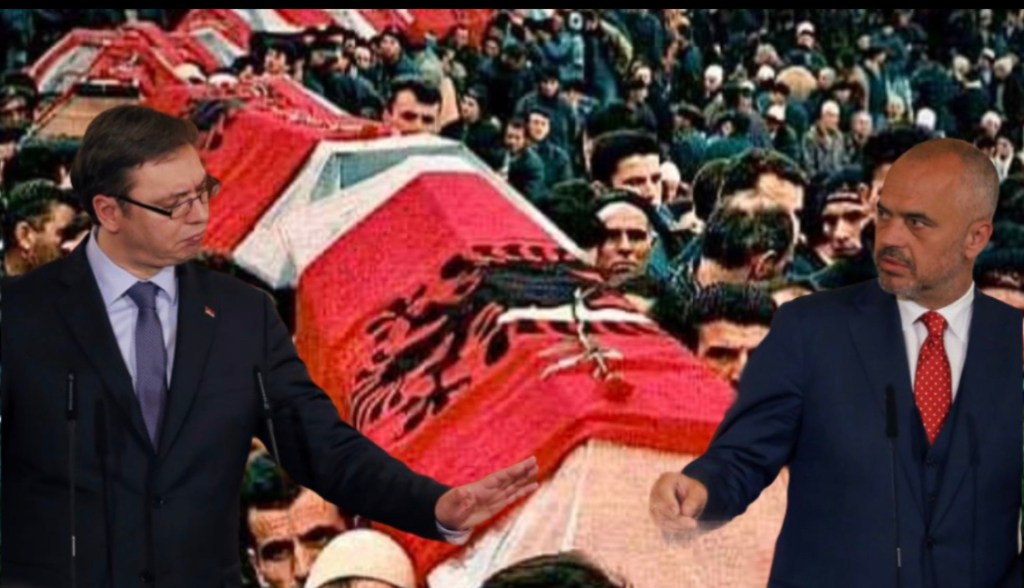
Naturally, for those of us who have strongly opposed every decision made by the Vučić–Rama duo over the years, their apparent agreement on matters affecting Kosovo—from the proposed exchange of borders to the Open Balkan initiative, the deregistration of Albanians’ addresses in the Preševo Valley, the Association of Serb-majority Municipalities, and the events in Banjska, Kosovo—the weakening of Vučić is very good news.
However, if we examine the Student List’s foreign policy program closely, it does not differ in any substantial way from that of Vučić’s Serbian Progressive Party (SNS) or that of Ivica Dačić, the Socialist leader and one of the major losers in the elections.
Naturally, within a heterogeneous and non-ideological movement such as Serbia’s Student List, positions may change once its representatives assume responsibility for governing the country. Closer ties with the European Union may also lead them to understand that a Western-oriented Serbia is better than a resentful Serbia that continues mourning the loss of something that never historically belonged to it: Kosovo.
We must wait and see how events unfold. For the moment, however, this movement bears a strong resemblance, in both its model and its program, to Italy’s Five Star Movement.
Nevertheless, the Serbian people have made their move against the autocrat. This demonstrates civic awareness and, potentially, cooperation among international actors seeking political change.
Although the two student movements have no genuine historical or structural equivalence, they share a common objective: to remove authoritarian leaders from power and put an end to the capture of the state.
I believe that yesterday, our “global leader” lost one limb. But we must wait until tomorrow evening to see whether he loses the other as well.
Increasingly, no one may be willing to invest in him, despite appearances that Ursula von der Leyen, Emmanuel Macron, Giorgia Meloni, or powerful lobbyists in America still have their attention fixed on our “global leader.”
The geopolitical situation today is so complicated that individuals who have become liabilities to their own countries, such as Rama and Vučić, may prove far less influential than they imagine—and may leave power more easily than we think.
From Belgrade to Tirana, the message is clear: no ruler is invincible when citizens unite and demand change.
@ramaiknjëorëemëparë
NGA BEOGRADI NË TIRANË: KUR STUDENTËT I DRIDHIN FRONIN PUSHTETIT!
Edith Harxhi, diplomate dhe ish-zëvendësministre e Punëve të Jashtme të Shqipërisë
Miq të nderuar,
A është fitorja e Listës Studentore Serbe ogur i mirë për Shqipërinë dhe shqiptarët në Ballkan?
Vuçiçi humbi bindshëm, por ishte i ndërgjegjshëm për humbjen. Ndoshta që prej ditës kur pranoi të largohej nga posti i Presidentit të Serbisë, e kishte bërë “pazarin” për largimin e tij. Situata gjeopolitike e Serbisë, ku nga njëra anë kishte sanksione dhe nga ana tjetër vazhdonte të luante me Rusinë dhe Kinën, por edhe zbulimi nga ekipi i Trumpit i manipulimit të zgjedhjeve në vitin 2024 në Amerikë, bënë që Vuçiçi të dobësohej mjaftueshëm dhe të mos shihej më si lojtar i rëndësishëm në Ballkan.
Për shumë vite luajti me mafien serbe dhe krimin e organizuar, luajti me të fortët e politikës në botë, luajti për Serbinë e Madhe, por, kur mendoi se mund të humbiste gjithçka që kishte fituar, u largua nga skena.
Lista Studentore fitoi terren jo vetëm nga gabimet e Vuçiçit dhe kapja e shtetit nga ky i fundit, por edhe nga mbështetja e duarve të fshehta në protestat e dy viteve të fundit.
Opozita në Serbi ka vdekur që pas vrasjes mafioze të ish-kryeministrit Zoran Gjingjiç, të cilin europianët e kishin mëkuar si lider proeuropian.
Që pas vrasjes së tij, u bë i mundur shpartallimi i opozitës në Serbi, fraksionimi dhe më pas rënia politike e asaj që mund të ishte opozitë politike kundër pushtetit absolut të Vuçiçit.
Natyrisht, për ne që kemi kundërshtuar fuqishëm çdo vendim të dyshes Vuçiç–Rama gjatë këtyre viteve, me dakordësinë e tyre për gjithçka në kurriz të Kosovës, nga këmbimi i kufijve te Ballkani i Hapur, pasivizimi i adresave të shqiptarëve në Luginë, Asociacioni e deri te ngjarjet në Banjskë të Kosovës, humbja e Vuçiçit është lajm shumë i mirë.
Lajmi më i mirë për ne shqiptarët është fitorja e dy ulëseve nga dy deputetët shqiptarë në Luginë dhe bashkimi i shqiptarëve në një front, ashtu si edhe numri më i lartë i votave proshqiptare në Sanxhak.
Por, nëse do të shohim me kujdes programin e politikës së jashtme të Listës Studentore, ai nuk ndryshon në asnjë fjalë nga programi i Partisë Nacionaliste të Vuçiçit, SNS-së, apo i humbësit të madh të zgjedhjeve, socialistit Ivica Daçiç.
Natyrisht, në një lëvizje heterogjene dhe joideologjike si Lista Studentore në Serbi, qëndrimet mund të ndryshojnë pasi të marrin drejtimin e vendit, ashtu si edhe afrimi me Bashkimin Europian mund t’i bëjë ata të kuptojnë se një Serbi perëndimore është më mirë se një Serbi qaramanе që vajton vetëm humbjen e asaj që historikisht nuk i ka takuar kurrë: Kosovës. Duhet të presim e të shohim zhvillimet, por, për momentin, kjo lëvizje i ngjan shumë Lëvizjes “Pesë Yjet” në Itali, si në model, ashtu edhe në program.
Megjithatë, populli serb e bëri lëvizjen e tij kundër autokratit, gjë që tregon, natyrisht, ndërgjegje qytetare, por edhe bashkëpunim politik të faktorit ndërkombëtar për ta shkulur atë.
Në të kundërt vepron dhe mendon “Kreu i Organizatës” këtu tek ne. Nuk kupton ende se lëvizja studentore dhe qytetare në Shqipëri nuk ka kthim pas, se ditët dhe orët e tij janë të numëruara dhe se tashmë as faktori ndërkombëtar, pavarësisht lobimeve të tij me shitjen e vendit dhe të burimeve natyrore, apo edhe larjes së parave të përfituara nga narkotrafiku ndërkombëtar që drejton, nuk e shpëton dot më. Ai e ka kryer punën e tij!
Megjithëse dy lëvizjet studentore nuk kanë ngjashmëri reale dhe historike, ato kanë të përbashkët synimin për të shkulur diktatorët e tyre nga pushteti dhe për t’i dhënë fund kapjes së shtetit.
Mendoj se dje “liderit tonë global” iu pre një gjymtyrë, por duhet të presim deri nesër në mbrëmje për të parë nëse do t’i pritet edhe gjymtyra tjetër. Mendoj se ai do të nisë t’i bëjë llogaritë që Vuçiçi bëri para disa muajsh, pas 48 orësh nga sot. Nuk merret më askush me të, pavarësisht se, në dukje, na ngjan sikur Von der Leyen, Macroni, Meloni apo ndonjë lobist i fuqishëm në Amerikë i ka mendtë te “lideri ynë global”.
Situata gjeopolitike është sot aq e ndërlikuar, sa individë të pavlerë, por të dëmshëm për popujt e tyre, si Rama dhe Vuçiçi, janë fare të papërfillshëm dhe largohen më lehtë nga sa mendojmë ne.
Radha tashmë është në oborrin tonë: të pastrojmë diktatorin tonë këto ditë, duke mbajtur sytë hapur edhe për atë që ndodh në Serbi pas kësaj rrokade politike.
Nuk është koha të bëjmë krahasime dhe gara mes lëvizjeve studentore. Është momenti i duhur për t’u çliruar nga diktatorët.
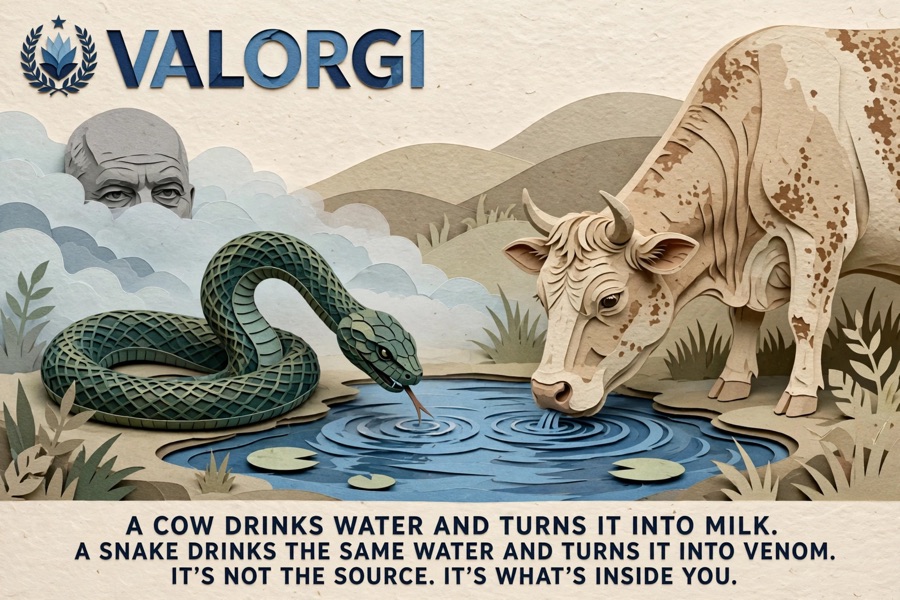
A cow drinks water and turns it into milk. A snake drinks the same water and produces venom.
Governments are no different: some turn power into prosperity for their people, while others turn it into poverty, corruption, and oppression.
In Albania, a snake has been in power for 13 years. It takes the people’s tax money and gives them back poverty, injustice, and corruption.
It is not the source that makes the difference, but what lies within. Power does not always change a person; often, it reveals who they truly are.
The time for change has come! Albania deserves a future built on justice, dignity, equality before the law, and prosperity for every citizen.
Change begins when people rise up—not only by raising their voices, but also through unrelenting civic mobilization. It is time for citizens to use all democratic means, sustained civic pressure, and constitutional mechanisms to demand political accountability and a government that serves the Albanian people.
Those in power must answer to the people, not ignore them!
Enough venom! It’s time for hope, accountability, and change!
Edhe pushtetet janë kështu: disa e kthejnë pushtetin në mirëqenie për popullin, të tjerat në varfëri, korrupsion dhe shtypje.
Në Shqipëri, prej 13 vitesh, një gjarpër është në pushtet. Pi nga taksat e qytetarëve dhe ua kthen në varfëri, padrejtësi dhe korrupsion.
Nuk është burimi ai që bën dallimin, por ajo që mbart brenda vetes. Pushteti nuk e ndryshon gjithmonë njeriun; shpesh zbulon atë që ai ka qenë në të vërtetë.
Ka ardhur koha për ndryshim! Shqipëria meriton një të ardhme me drejtësi, dinjitet, barazi para ligjit dhe mirëqenie për çdo qytetar. Ndryshimi fillon kur njerëzit ngrihen me zërin e tyre, me bashkim, vendosmëri dhe mobilizim qytetar të pandalshëm. Është koha që qytetarët të përdorin të gjitha mjetet demokratike, presionin qytetar dhe mekanizmat kushtetues për të kërkuar përgjegjësi politike dhe një qeverisje që u shërben shqiptarëve.
Pushteti duhet të përgjigjet para popullit, jo ta shpërfillë atë!
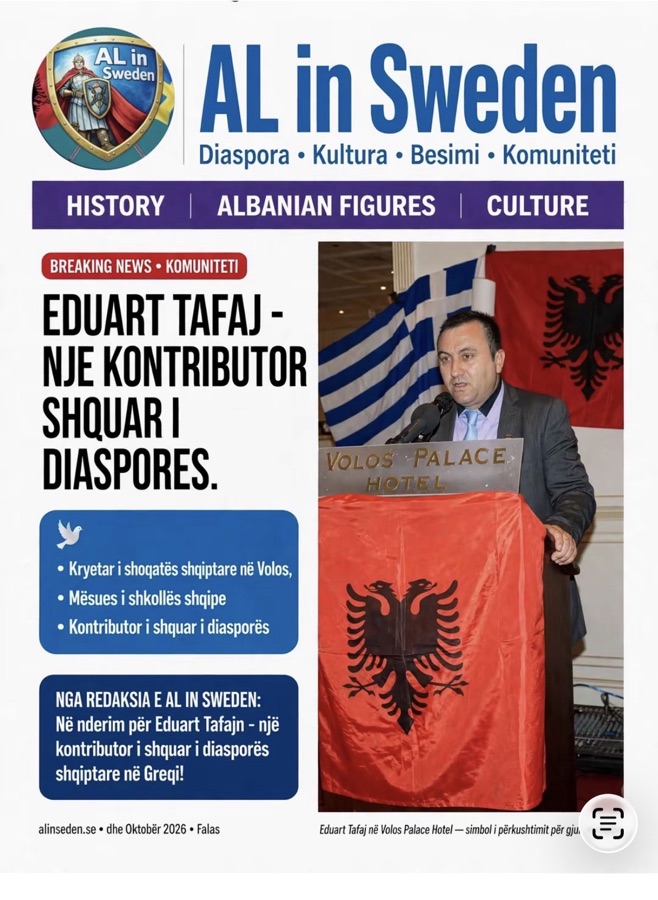
Ka njerëz që, edhe pas ndarjes nga jeta, mbeten të gjallë në kujtesën e komunitetit përmes veprave, përkushtimit dhe gjurmëve që kanë lënë pas. Një prej tyre është Eduart (Edi) Tafaj, një nga pionierët e hershëm të organizimit të emigracionit shqiptar në Greqi, i cili punoi për krijimin e shoqatave shqiptare dhe për hapjen e dyerve të shkollës shqipe për fëmijët e emigrantëve.
Edi Tafaj i përkiste asaj gjenerate shqiptarësh që, në vitet e para të emigracionit masiv, kuptuan se jeta larg atdheut nuk duhej të nënkuptonte shkëputje nga gjuha, kultura dhe identiteti kombëtar. Në një kohë kur shqiptarët përballeshin me vështirësi të shumta për të ndërtuar jetën e tyre në Greqi, ai u angazhua që bashkëkombësit të organizoheshin, të bashkoheshin dhe të krijonin struktura komunitare.
Një nga kontributet më të rëndësishme të Edi Tafajt ishte përpjekja për t’u dhënë fëmijëve shqiptarë mundësinë të mësonin gjuhën e prindërve të tyre.
Për të, shkolla shqipe nuk ishte thjesht një vend ku mësoheshin fjalët dhe gramatika. Ajo ishte një urë që lidhte brezat me familjen, historinë dhe prejardhjen e tyre.
Këtë angazhim e dokumenton edhe një ngjarje konkrete e vitit 2012. Sipas artikullit të publikuar nga AL IN SWEDEN më 7 janar 2024, shoqata shqiptare në Volos iu drejtua në qershor të vitit 2012 Bashkisë së Volosit për të kërkuar një hapësirë ku fëmijët e emigrantëve shqiptarë të mund të mësonin gjuhën shqipe.
Ky fakt dëshmon se përpjekja për shkollën shqipe nuk ishte vetëm një dëshirë, por një angazhim konkret për të krijuar mundësi arsimimi dhe për të ruajtur identitetin shqiptar te brezat e rinj.
Por vlerësimi për Edi Tafajn nuk kufizohet vetëm brenda komunitetit shqiptar.
Në të njëjtin artikull përkujtimor, ish-kryebashkiaku i Volosit, Panos Skotiniotis, e kujton Tafajn me dhimbje dhe respekt. Kjo dëshmi nga një përfaqësues i pushtetit vendor grek i jep një dimension të veçantë kujtimit të tij dhe tregon rëndësinë e marrëdhënieve që krijohen kur njerëzit punojnë me përkushtim për komunitetin ku jetojnë.
Është domethënëse që puna e një emigranti shqiptar të kujtohet me respekt edhe nga përfaqësues të shoqërisë greke. Kjo na kujton se integrimi i vërtetë nuk kërkon të heqësh dorë nga identiteti yt, por të kontribuosh me dinjitet në shoqërinë ku jeton, duke respektuar njëkohësisht gjuhën, kulturën dhe traditat e tua.
Pikërisht për këtë arsye, pionierët e diasporës meritojnë të kujtohen.
Ata ndihmuan në krijimin e themeleve mbi të cilat u zhvillua jeta shoqërore, kulturore dhe arsimore e shumë komuniteteve shqiptare jashtë atdheut.
Sot, kur flasim për diasporën shqiptare, për shoqatat, shkollat shqipe dhe përpjekjet për ruajtjen e identitetit kombëtar, nuk duhet të harrojmë ata që nisën këtë rrugë kur gjithçka ishte më e vështirë.
Edi Tafaj ishte një prej atyre njerëzve që punuan që shqiptarët në Greqi të mos ishin vetëm emigrantë të shpërndarë, por një komunitet i organizuar, me gjuhë, kulturë dhe identitet të vetin.
Ndarja e tij e parakohëshme nga jeta la dhimbje te familjarët, miqtë dhe bashkëpunëtorët.
Por kujtimi i tij mbetet i lidhur me një mision që vazhdon edhe sot: t’u përcjellim fëmijëve gjuhën shqipe, të ruajmë rrënjët tona dhe të mos lejojmë që largësia nga atdheu të kthehet në largësi nga identiteti ynë.
Redaksia e AL IN SWEDEN e sjell këtë shkrim në nderim të Eduart (Edi) Tafajt, si shenjë respekti për kontributin e tij në organizimin e shoqatave shqiptare, në mësimin e gjuhës shqipe dhe në përpjekjet për ruajtjen e identitetit kombëtar në Greqi.
U prehtë në paqe Eduart (Edi) Tafaj!
Emri i tij meriton të kujtohet me respekt, sepse njerëzit që punojnë për gjuhën, arsimin dhe bashkimin e kombit lënë pas një trashëgimi që nuk shuhet me jetën e tyre.
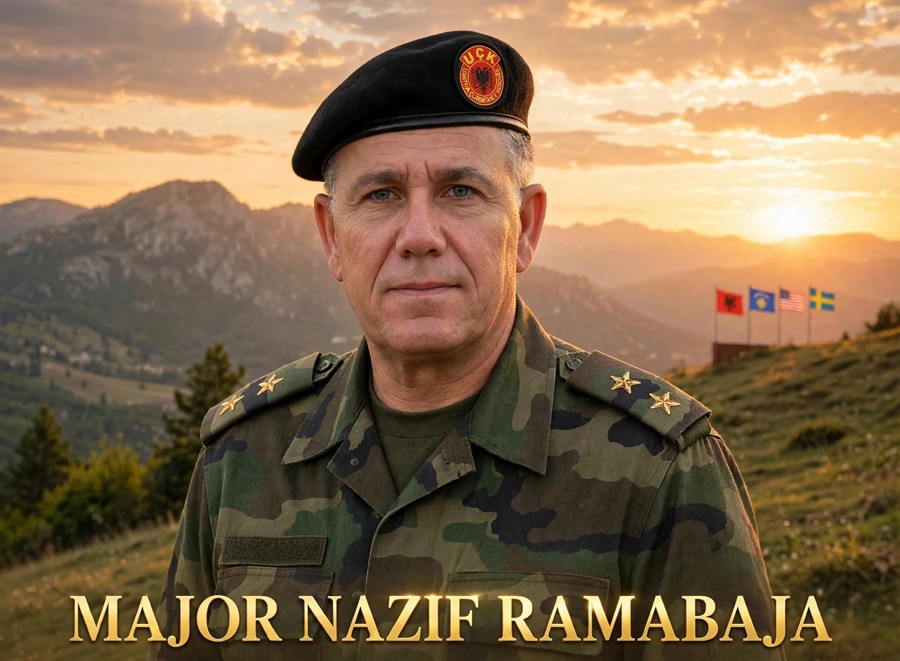
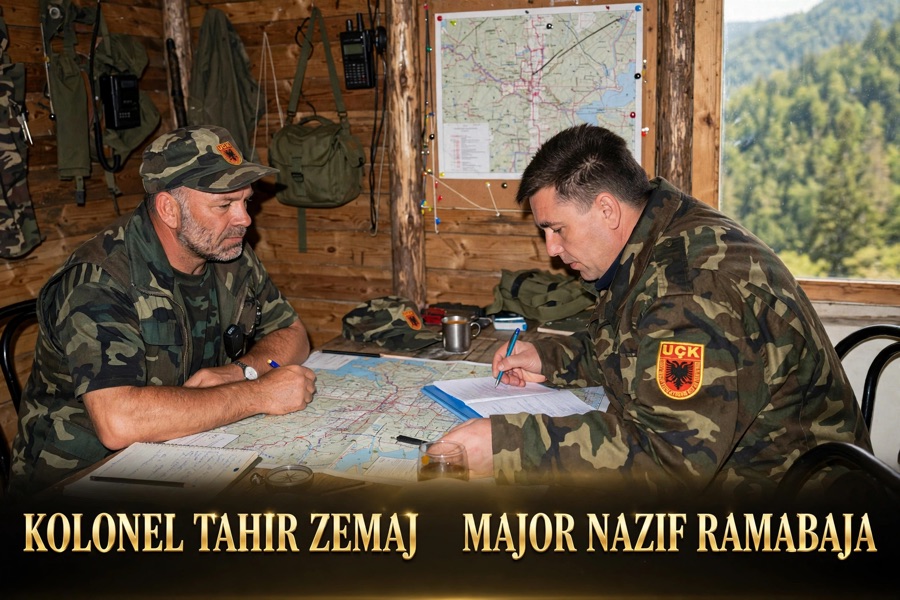
Reagimi i major Nazir Ramabajës ndaj Xhavit Halitit, i njohur si “Zeka”, rikthen në vëmendje një nga çështjet më të ndjeshme të historisë së luftës së Ushtrisë Çlirimtare të Kosovës: respektimin e së vërtetës historike dhe nderimin e atyre që drejtuan e luftuan për lirinë e Kosovës.
Beteja e Loxhës nuk është një faqe që mund të rishkruhet sipas interesave të ditës dhe as një histori ku emrat e protagonistëve mund të përmenden ose të harrohen sipas dëshirës.
Ajo është pjesë e historisë së lavdishme, por edhe të dhimbshme, të luftës çlirimtare të popullit shqiptar.
Prandaj, çdo përpjekje për ta ndarë Betejën e Loxhës nga emrat dhe kontributi i njerëzve që e bënë atë pjesë të historisë së luftës duhet të përballet me pyetje të drejtpërdrejta.
Kujtesa kombëtare nuk është pronë private e askujt dhe as mjet për të ndërtuar merita politike në kurriz të të tjerëve.
Xhavit Haliti mund të ketë pikëpamjen e tij, por historia e luftës së Kosovës kërkon respekt për faktet, për dëshmitarët dhe për të gjithë ata që mbajtën mbi supe barrën e luftës. Askush nuk ka të drejtë ta kthejë kujtesën historike në një përzgjedhje emrash, ku disa nderohen dhe të tjerët lihen në heshtje.
Kolonel Tahir Zemaj mbetet një emër që duhet trajtuar me seriozitet historik dhe me respektin që meriton kontributi i tij.
Debati për rolin e tij nuk duhet të shërbejë për të ndezur përçarje, por për të kërkuar të vërtetën dhe për t’u dhënë brezave të rinj një pasqyrë sa më të drejtë të historisë.
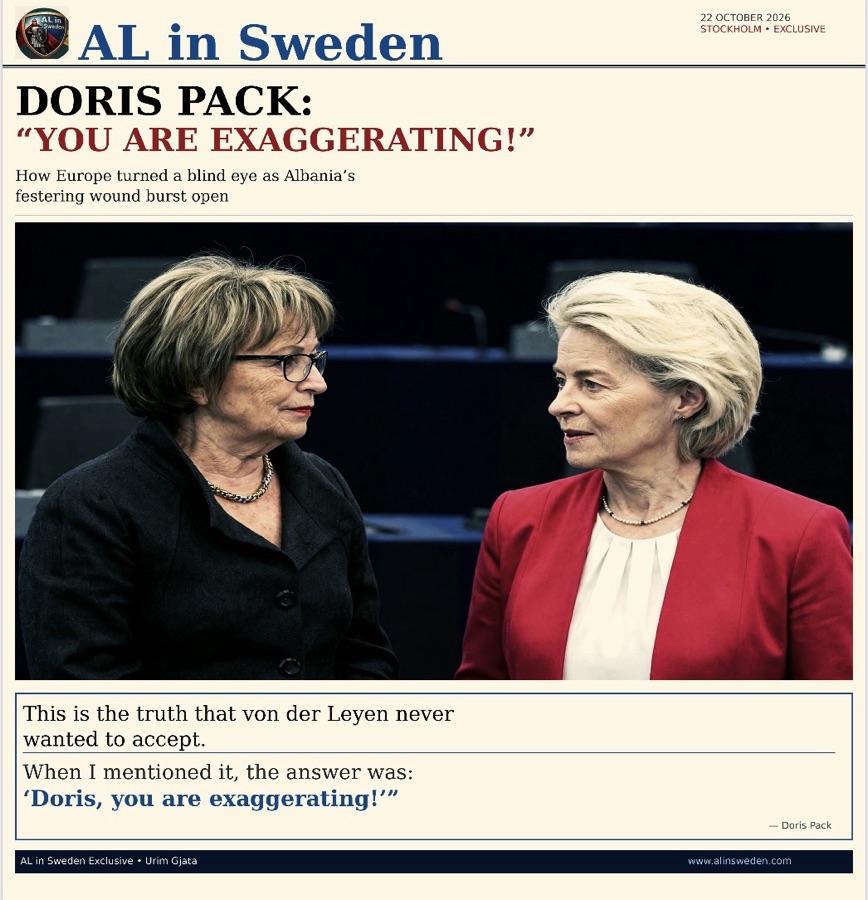
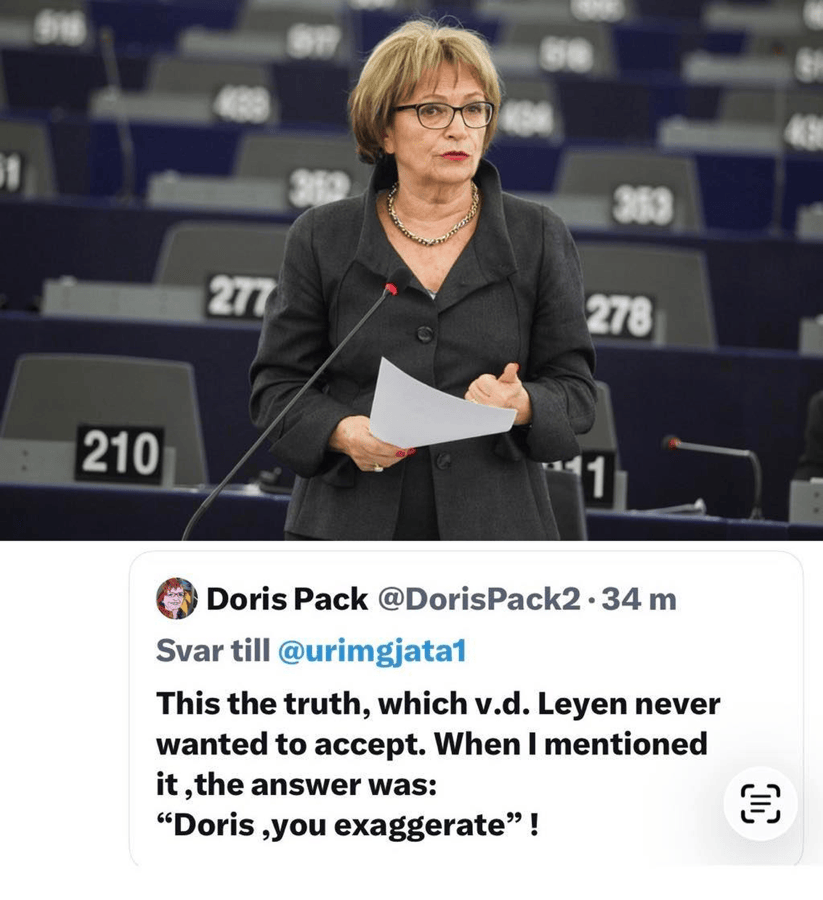
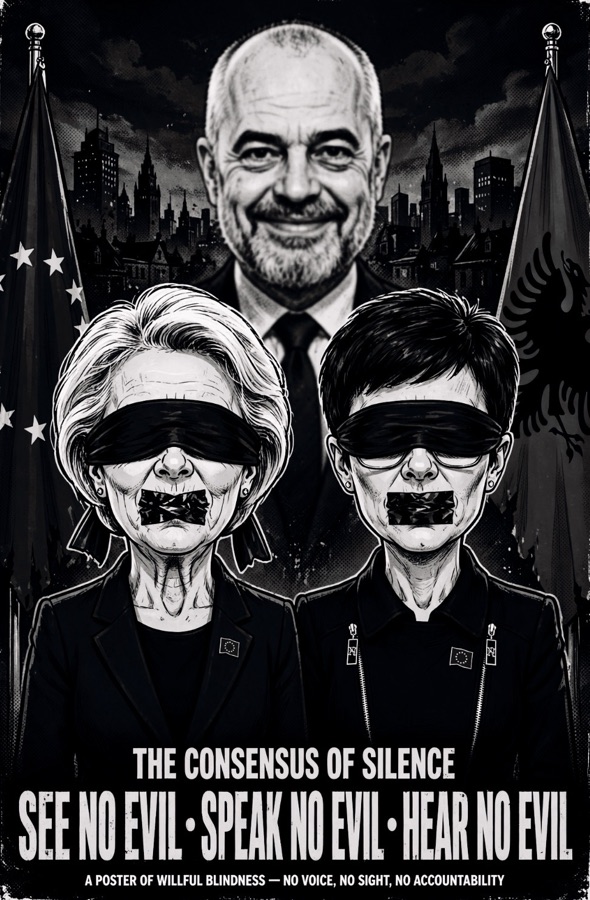
Doris Pack, former Member of the European Parliament and former Chair of its Delegation for Relations with Southeast Europe, has reacted to my statement concerning Ursula von der Leyen’s warm address to Edi Rama as “Dear Edi.”
“This is the truth that von der Leyen never wanted to accept. When I mentioned it, the answer was: ‘Doris, you are exaggerating!’” Pack wrote.
These words are more than a disagreement between politicians. They raise a serious question about the responsibility of European institutions in the face of Albania’s crisis: Are they confronting reality, or choosing not to see it?
Meanwhile, students are taking to the streets to protest and demand accountability. They are not asking the government for favors. They are demanding the right to live in a country where their future is not determined by corruption, privilege, or questionable connections to those in power. Any allegations of violence against protesters must be independently investigated, and any violations must be dealt with according to the law.

Albania faces serious concerns that organized crime and illicit interests may be exerting influence over politics and state institutions. When such suspicions hang over a country, the question is no longer simply who governs, but whether the state serves its citizens or risks being captured by interests that undermine democracy.
And what are senior representatives of the European Union doing?
Instead of ensuring that diplomatic courtesies are accompanied by clear demands for accountability, the public sees friendly gestures that risk creating the impression that Albania’s grave problems do not receive the attention they deserve.
The phrase “Dear Edi” proves nothing in itself. But at a time when citizens are demanding justice and students are protesting, it has become a symbol of a much larger question: Is diplomacy enough when democracy faces such serious challenges?
Doris Pack’s reaction brings this debate back into focus.
When a voice raising concerns about Albania’s problems is met with the response “You are exaggerating,” the danger is that warnings will be dismissed until the consequences become even more severe.
Albania does not need a Europe that turns a blind eye for the sake of political relationships.
It needs a Europe that listens to its citizens, demands accountability, and refuses to compromise on democratic standards.
DORIS PACK: “PO E TEPRONI!” — KUR EUROPA MBYLL SYTË, PLAGA E QELBIT NË SHQIPËRI SHPËRTHEN!
Doris Pack, ish-deputete e Parlamentit Europian dhe ish-kryetare e Komisionit për Marrëdhëniet me Europën Juglindore, ka reaguar ndaj deklaratës sime për Ursula von der Leyen, duke iu drejtuar Edi Ramës me fjalët “Dear Edi”.
“Kjo është e vërteta që von der Leyen nuk ka dashur kurrë ta pranojë. Kur e përmenda, përgjigjja ishte: ‘Doris, po e tepron!’”, shkruan Doris Pack.
Këto fjalë nuk janë thjesht një debat mes politikanësh. Ato ngrenë një pyetje të rëndë për përgjegjësinë e institucioneve europiane përballë krizës shqiptare: a po përballen me realitetin, apo po zgjedhin të mos e shohin atë?
Ndërkohë, studentët dalin në rrugë për të protestuar dhe për të kërkuar përgjegjësi. Ata nuk po kërkojnë favore nga pushteti, por të drejtën për të ardhur në një vend ku e ardhmja nuk përcaktohet nga korrupsioni, privilegjet dhe lidhjet e dyshimta me pushtetin. Çdo pretendim për dhunë ndaj protestuesve duhet të hetohet në mënyrë të pavarur dhe çdo shkelje të marrë përgjigjen që parashikon ligji.
Shqipëria po përballet me shqetësime serioze se krimi i organizuar dhe interesat e paligjshme mund të ushtrojnë ndikim mbi politikën dhe institucionet shtetërore. Kur këto dyshime rëndojnë mbi një vend, çështja nuk është më vetëm se kush qeveris, por nëse shteti funksionon në shërbim të qytetarëve apo rrezikon të kapet nga interesa që cenojnë demokracinë.
Dhe çfarë bëjnë përfaqësuesit e lartë të Bashkimit Europian?
Në vend që çdo përshëndetje diplomatike të shoqërohet me një kërkesë të qartë për llogaridhënie, publiku sheh gjeste miqësore që rrezikojnë të krijojnë përshtypjen se shqetësimet e rënda të Shqipërisë nuk kanë peshën që meritojnë.
Shprehja “Dear Edi”, në vetvete, nuk provon asgjë. Por, në një moment kur qytetarët kërkojnë drejtësi dhe studentët protestojnë, ajo bëhet simbol i një pyetjeje më të madhe: a mjafton diplomacia kur demokracia përballet me sfida kaq serioze?
Bashkimi Europian nuk mund të kërkojë reforma nga Shqipëria vetëm në dokumente, ndërsa zbatimi i tyre mbetet objekt kritikash. Standardet europiane duhet të maten me drejtësinë e pavarur, luftën kundër korrupsionit, lirinë e medias dhe mbrojtjen e të drejtave të qytetarëve.
Reagimi i Doris Pack e rikthen këtë debat në qendër të vëmendjes. Kur një zë që ngre shqetësime për problemet e Shqipërisë përballet me përgjigjen “po e tepron”, rreziku është që paralajmërimet të shpërfillen derisa pasojat të bëhen edhe më të rënda.
Shqipëria nuk ka nevojë për një Europë që mbyll sytë për hir të marrëdhënieve politike. Ka nevojë për një Europë që dëgjon qytetarët, kërkon llogari dhe nuk bën kompromis me standardet demokratike.
Sepse kur plaga e qelbit shpërthen, nuk mjafton të përshëndesësh drejtuesit e vendit. Duhet të kesh guximin të përballesh me realitetin që jetojnë qytetarët e tij.
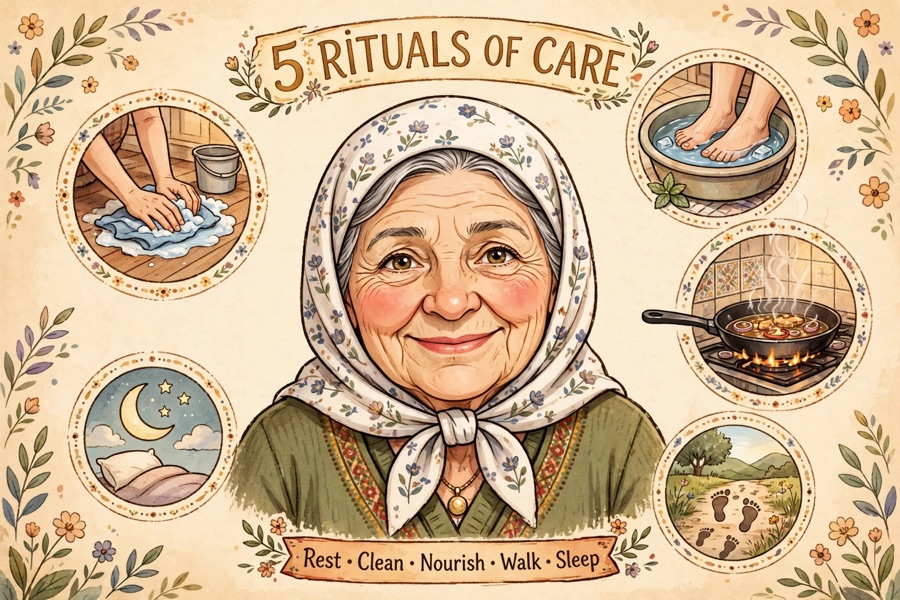
1. Kur ndihesh i mbingarkuar, merru me diçka konkrete.
Laj enët, rregullo dhomën ose pastro dyshemenë. Përqendrohu te lëvizjet, te uji, te prekja dhe te ajo që po bën në atë çast. Një punë e thjeshtë mund ta largojë përkohësisht vëmendjen nga mendimet e përsëritura dhe të të ndihmojë të ndihesh më i pranishëm.
2. Para një vendimi të rëndësishëm, mos u nxito.
Nëse nuk është urgjente, jepi vetes kohë. Fli, mendo dhe shikoje çështjen përsëri kur emocionet të jenë qetësuar. Nuk është e thënë të presësh patjetër tri net, por është e mençur të mos lejosh që zemërimi, frika apo entuziazmi i çastit të vendosin në vendin tënd.
3. Kur ndihesh i përgjumur ose i shkëputur nga momenti, freskohu.
Laj fytyrën, duart ose këmbët me ujë të freskët. Pastaj ulu për pak çaste dhe përqendrohu te frymëmarrja dhe mjedisi përreth. Ky veprim mund të të ndihmojë të ndihesh më i pranishëm, megjithëse nuk është një kurë për ankthin.
4. Kur gjithçka të duket e rëndë, bëj diçka të vogël për veten.
Përgatit një çaj, gatuaj diçka të thjeshtë ose rregullo tryezën. Veprimet e zakonshme mund të krijojnë ndjenjën e rutinës, ngrohtësisë dhe vazhdimësisë. Nuk është gatimi ai që shëron gjithçka, por ndonjëherë kujdesi për veten na ndihmon të rifitojmë pak qetësi.
5. Kur je i irrituar, dil për një shëtitje.
Lëre telefonin në xhep dhe ec me një ritëm të rehatshëm. Shiko pemët, njerëzit, qiellin. Mos e detyro veten t’i zgjidhësh të gjitha problemet gjatë ecjes. Jepi mendjes pak hapësirë.
Lëvizja fizike mund të ndihmojë në uljen e tensionit dhe përmirësimin e humorit. Nuk ke pse të ecësh deri në rraskapitje; ndonjëherë mjaftojnë edhe dhjetë minuta.
Në fund, çfarë duhet të kujtojmë? Këto zakone nuk janë magji dhe nuk zëvendësojnë ndihmën profesionale kur ankthi bëhet i vazhdueshëm ose pengon jetën e përditshme.
Por mund të jenë hapa të vegjël drejt qetësisë.
Psikika është bota jonë e brendshme: mendimet, emocionet, kujtimet, imagjinata dhe mënyra se si e përjetojmë botën.
Do not trust a narco-prime minister and a government that, in my view, is trying to survive politically by driving the country towards confrontation among Albanians. When those in power feel their control slipping away, there is a danger that citizens will pay the price for their political desperation. But no one has the right to use the blood of this nation as the price of their own political survival!
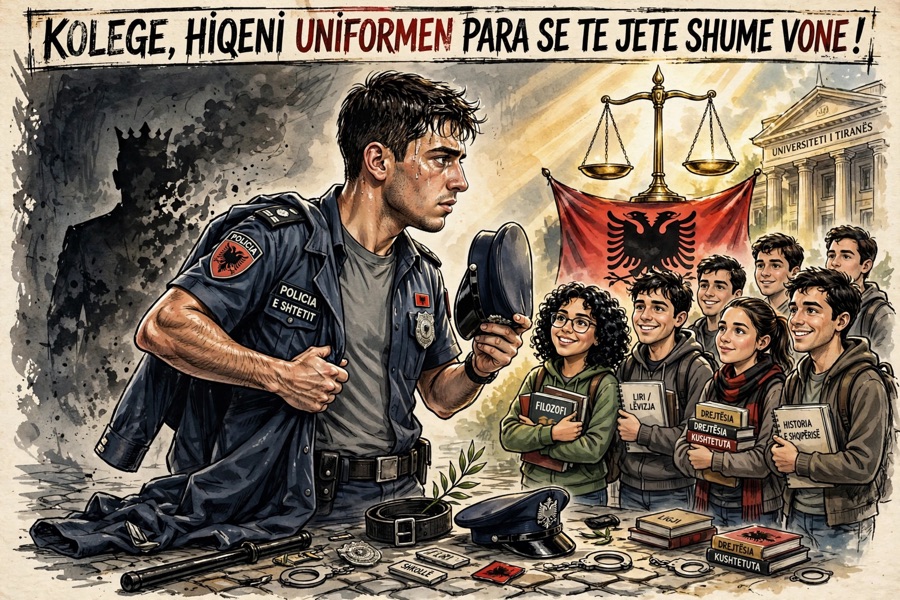
Take off the uniform of blind obedience and put on the uniform of conscience!
Do not see student protesters as enemies. They are your sisters and brothers, the children of this country, and Albania’s future. Those protesting for their rights today are not your adversaries. Our common adversaries are injustice, corruption, and every attempt to place the state at the service of private interest
You do not belong to any political party.
Your uniform does not belong to the prime minister, nor is it a shield for his interests. It is a symbol of your responsibility to the law and to the citizens. When you are ordered to carry out illegal orders, you cannot hide behind the excuse, “I was only following orders.” Moral and legal responsibility does not disappear because an order comes from above.
BUT WHO HAS BEEN HELD ACCOUNTABLE AT THE HIGHEST LEVELS OF POWER?
For years, you have been asked to serve, sacrifice, and confront citizens, while political responsibility remains a question for those at the top. Yet the history of leadership at the Ministry of the Interior raises serious questions about the standards of accountability within the highest levels of government.
Saimir Tahiri, a former Minister of the Interior, was convicted of abuse of office in a case connected to the Habilaj group, which was involved in drug trafficking. Fatmir Xhafaj, also a former Minister of the Interior, faced intense public controversy over his brother, Agron (Geron) Xhafaj, who was convicted in Italy of drug trafficking.
In light of these cases, one question is unavoidable: why should police officers be sent to confront citizens and risk their futures while political leaders bear the responsibility to answer for their decisions, connections, and standards of governance?

If the law is to apply equally to everyone, no one should be untouchable because of political power, a surname, or family connections. Justice must be independent, investigations must be transparent, and every allegation must be examined on the basis of evidence, not covered up for political reasons.
Promises of higher salaries, including the claim that you will receive €2,500 after January if you confront protesters, must not blind you. Do not allow a financial promise to become a trap for your future.

No amount of money can justify a student’s blood, a mother’s tears, or the injuries of an innocent citizen. No career is worth more than dignity. And no political order stands above the law.

When faced with an illegal order, refuse violence. Do not use force against citizens who are protesting peacefully. Protect life, respect human rights, and stand on the side of the law. If you cannot perform your duty without violating your conscience and the law, leave the service with dignity.
There comes a moment in every person’s life when they must decide which side of history they want to stand on. That moment may be today for you.
Take off your caps with dignity, not out of fear, but because you believe that Albania is greater than any government. Do not raise your hands against your sisters and brothers. Do not become instruments of political confrontation. Reject violence and protect the citizens.
Albania does not need more hatred. It needs courage, justice, and people who cannot be bought, intimidated, or turned against their own people for the sake of temporary political power.
No government lasts forever. A uniform can be taken off, a duty can come to an end, and orders can be forgotten, but the choices you make today will remain part of your history.
Tomorrow, when you look back, you should be able to tell your children that when Albania needed you, you did not become part of the violence against your own people.
Colleagues, do not sacrifice your future for anyone’s political survival! Do not sell your dignity for a promise! Do not let your uniform divide you from your own people!
A call from a former colleague who chose freedom over obedience to dictatorship.
KOLEGË, HIQENI UNIFORMËN PARA SE TË JETË SHUMË VONË!

Unë jam ish-kolegu juaj. Zgjodha dezertimin dhe plumbat në kufi, në vend që t’i shërbeja një diktature. Zgjodha ndërgjegjen përpara bindjes së verbër, dinjitetin përpara frikës dhe lirinë përpara nënshtrimit ndaj një pushteti që kërkonte të më bënte shërbëtor të padrejtësisë.

Sot po ju drejtohem juve, punonjësve të Policisë së Shtetit shqiptar: mos e ngatërroni betimin ndaj ligjit me bindjen ndaj një kryeministri! Mos e ngatërroni detyrën ndaj atdheut me mbrojtjen e interesave të një pushteti politik!

Mos i besoni një narkokryeministri dhe një pushteti që, sipas bindjes sime, po përpiqet të mbijetojë politikisht duke e çuar vendin drejt përplasjes mes shqiptarëve. Kur një pushtet ndien se po i humbet kontrolli, rreziku është që qytetarët të paguajnë çmimin e dëshpërimit të tij politik. Por gjakun e këtij populli nuk ka të drejtë ta përdorë askush si çmim për mbijetesën e vet!

Hiqeni uniformën e bindjes së verbër dhe vishni uniformën e ndërgjegjes! Mos i shihni studentët protestues si armiq. Ata janë motrat dhe vëllezërit tuaj, fëmijët e këtij vendi dhe e ardhmja e Shqipërisë. Ata që sot protestojnë për të drejtat e tyre nuk janë kundërshtarët tuaj. Kundërshtari i përbashkët është padrejtësia, korrupsioni dhe çdo përpjekje për ta vënë shtetin në shërbim të interesave private.

Ju nuk jeni pronë e asnjë partie. Uniforma juaj nuk është pronë e kryeministrit dhe as mburojë për interesat e tij. Ajo është simbol i përgjegjësisë ndaj ligjit dhe qytetarëve. Kur ju kërkohet të zbatoni urdhra të paligjshëm, nuk mund të fshiheni pas justifikimit se “unë vetëm zbatova urdhrat”. Përgjegjësia morale dhe ligjore nuk zhduket me një urdhër nga lart.

PO KUSH MBAJTI PËRGJEGJËSI NË MAJAT E PUSHTETIT?

Për vite me radhë, ju kanë kërkuar të shërbeni, të sakrifikoni dhe të përballeni me qytetarët, ndërsa përgjegjësitë politike mbeten mbi shpatullat tuaja. Por historia e drejtimit të Ministrisë së Brendshme ngre pikëpyetje të rënda mbi standardet e përgjegjësisë në kupolën e pushtetit.

Saimir Tahiri, ish-ministër i Brendshëm, u dënua për shpërdorim detyre në çështjen e lidhur me grupin e Habilajve, të përfshirë në trafikun e drogës. Fatmir Xhafaj, gjithashtu ish-ministër i Brendshëm, u përball me polemika të forta publike për shkak të vëllait të tij, Agron (Geron) Xhafaj, i dënuar në Itali për trafik droge.

Dhe pikëpyetjet politike nuk përfundojnë këtu.

Olsi Rama, vëllai i kryeministrit Edi Rama, u akuzua publikisht nga opozita për lidhje të mundshme me laboratorin e drogës në Xibrakë. Në janar 2025, SPAK i partisë  e mbylli çështien dhe njoftoi se nuk kishte gjetur prova që e lidhnin Olsi Ramën me aktivitetin kriminal dhe se hetimet ishin pezulluar, pasi nuk ishin identifikuar autorë të tjerë të mundshëm. Ky

Edhe Taulant Balla është  në akuzat publike  lidhur me dosjen “Toyota Yaris” dhe me biseda me klanet kriminale në Elbasan në përgjime të publikuara nga lideri i opozitës Sali Berisha. Këto akuza  kanë nxitur debate politike mbi përmbajtjen e përgjimeve dhe mënyrën e trajtimit të çështjes nga institucionet e drejtësisë.

Përballë këtyre çështjeve, pyetja është e pashmangshme: pse punonjësit e policisë duhet të përballen me qytetarët dhe të rrezikojnë të ardhmen e tyre, ndërsa drejtuesit politikë kanë përgjegjësinë të japin llogari për vendimet, lidhjet dhe standardet e qeverisjes së tyre?

Nëse ligji duhet të zbatohet njësoj për të gjithë, atëherë askush nuk duhet të jetë i paprekshëm për shkak të pushtetit, mbiemrit apo lidhjeve familjare. Drejtësia duhet të jetë e pavarur, hetimet transparente dhe çdo akuzë duhet të shqyrtohet mbi bazën e provave, jo të mbulohet për arsye politike.

Kolegë, mos lejoni që besimi dhe sakrifica juaj të shndërrohen në instrumente për të mbrojtur ata që nesër mund t’ju braktisin. Uniforma juaj duhet të mbrojë ligjin dhe qytetarët, jo interesat e pushtetarëve!

ASNJË PAGË NUK VLEN MË SHUMË SE NDËRGJEGJJA!

Premtimet për paga të larta, përfshirë pretendimin se do të merrni 2.500 euro pas janarit nëse përballeni me protestuesit, nuk duhet t’ju verbojnë. Mos lejoni që një premtim financiar të kthehet në kurth për të ardhmen tuaj.

Asnjë shumë parash nuk mund të justifikojë gjakun e një studenti, lotët e një nëne apo plagët e një qytetari të pafajshëm. Asnjë karrierë nuk vlen më shumë se dinjiteti. Dhe asnjë urdhër politik nuk qëndron mbi ligjin.

Përballë çdo urdhri të paligjshëm, refuzoni dhunën. Mos përdorni forcën kundër qytetarëve që protestojnë paqësisht. Mbroni jetën, respektoni të drejtat e njeriut dhe qëndroni në anën e ligjit. Nëse nuk mund ta ushtroni detyrën pa shkelur ndërgjegjen dhe ligjin, largohuni prej saj me dinjitet.

Bëjeni këtë jo për një parti, jo për një lider dhe jo për opozitën, por për Shqipërinë dhe për të ardhmen e fëmijëve tuaj.

KOLEGË, SOT ËSHTË MOMENTI I ZGJEDHJES!

Ekziston një çast në jetën e çdo njeriu kur duhet të vendosë se në cilën anë të historisë dëshiron të qëndrojë. Ky çast mund të jetë sot për ju.

Hiqeni kapelën me dinjitet, jo nga frika, por nga bindja se Shqipëria është më e madhe se çdo qeveri. Mos ngrini dorën kundër motrave dhe vëllezërve tuaj. Mos u bëni vegla të përplasjeve politike. Qëndroni larg dhunës dhe mbroni qytetarët.

Shqipëria nuk ka nevojë për më shumë urrejtje. Ka nevojë për guxim, drejtësi dhe njerëz që nuk shiten, nuk frikësohen dhe nuk kthehen kundër popullit të tyre për hir të një pushteti të përkohshëm.

Asnjë pushtet nuk është i përjetshëm. Uniforma mund të hiqet, detyra mund të përfundojë dhe urdhrat mund të harrohen, por zgjedhjet që bëni sot do të mbeten pjesë e historisë suaj.

Nesër, kur të shihni pas, duhet të jeni në gjendje t’u thoni fëmijëve tuaj se, në çastin kur Shqipëria kishte nevojë për ju, nuk u bëtë pjesë e dhunës kundër popullit tuaj.

Kolegë, mos sakrifikoni të ardhmen tuaj për mbijetesën politike të askujt! Mos e shisni dinjitetin për një premtim! Mos lejoni që uniforma t’ju ndajë nga populli juaj!

LARGOHUNI NGA RRUGA E PADREJTËSISË. REFUZONI URDHRAT E PALIGJSHËM. QËNDRONI NË ANËN E QYTETARËVE!

LARGOHUNI SOT! NESËR MUND TË JETË SHUMË VONË!

Një thirrje nga një ish-koleg që zgjodhi lirinë përpara bindjes ndaj diktaturës.
Thirteen years of Edi Rama’s rule have plunged Albania into a deep crisis of public trust.
Allegations of corruption, senior officials facing justice, mass emigration and growing public anger have raised serious questions about democracy, institutions and the rule of law.
While luxury towers scrape the sky and major projects transform the coastline, thousands of Albanians are leaving their homeland in search of security, dignity and a better future.
The question is no longer simply whether citizens are dissatisfied. It is whether they can reclaim a state that many believe has been captured by powerful political and economic interests.
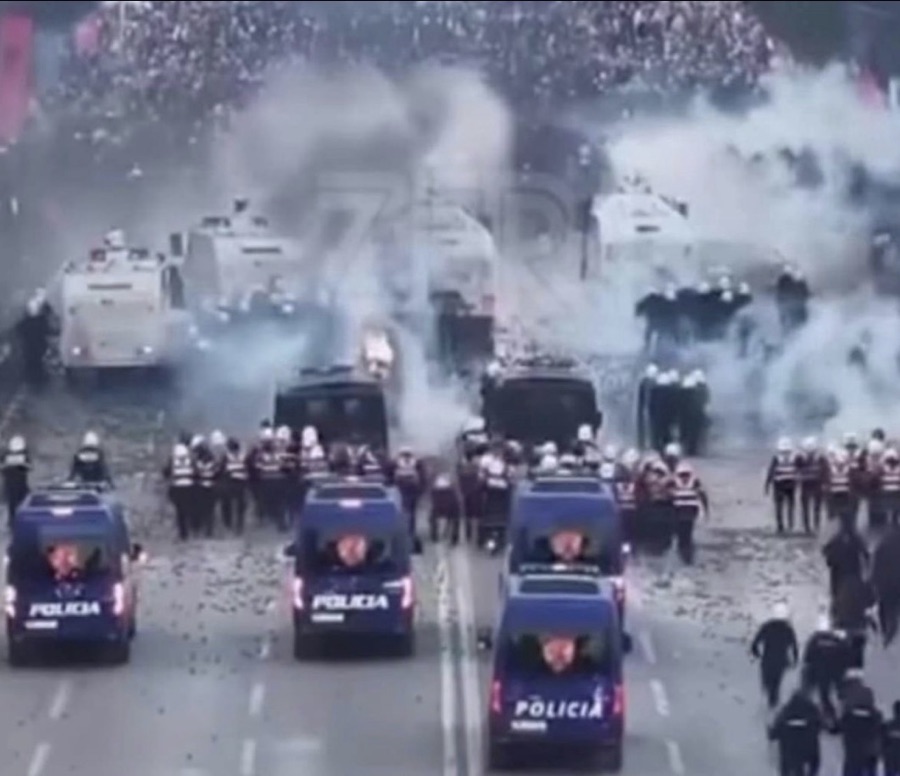
For months, protests have expressed this anger. Students and citizens are demanding accountability, justice and the opportunity to build their future in their own country. Images and reports of tear gas and other forms of force being used against protesters raise serious concerns and call for independent, transparent investigations.
European integration cannot be reduced to diplomatic meetings, political declarations and promises. It must mean the rule of law, an independent judiciary, democratic institutions and the application of the same standards to everyone, especially those in power.
If Brussels remains silent in the face of serious concerns and fails to demand concrete accountability, it risks undermining the credibility of the European values it claims to defend.
Europe cannot demand democratic standards from Albania while, at the same time, appearing to prop up a government whose critics accuse it of links to criminal interests.
Albania is not the property of any government, political party or network of powerful interests. It belongs to its people.
Their protests must be heard, allegations must be investigated, and anyone who has broken the law must face justice.
Albania’s challenge is to free itself from a corrupt system captured by criminal interests. Europe’s challenge is to show whether it will stand by democratic principles or allow political interests to take precedence over them.
The Albanian people deserve more than promises. They deserve freedom, justice and a state that serves its citizens—not the interests of those in power.
🇦🇱SHQIPËRIA: NJË POPULL QË PO LUFTON PËR TË SHPËTUAR NGA NARKO-FERRI

Trembëdhjetë vjet të Edi Ramës në pushtet e kanë çuar Shqipërinë në një krizë të thellë besimi. Akuzat për korrupsion, përballja e zyrtarëve të lartë me drejtësinë, emigrimi masiv dhe zemërimi në rritje i qytetarëve ngrenë pyetje serioze për demokracinë, institucionet dhe sundimin e ligjit.

Ndërsa kullat luksoze gërvishtin qiellin dhe projekte të mëdha transformojnë vijën bregdetare, mijëra shqiptarë largohen nga atdheu në kërkim të sigurisë, dinjitetit dhe një të ardhmeje më të mirë. Pyetja nuk është më vetëm nëse qytetarët janë të pakënaqur. Pyetja është nëse ata mund ta rimarrin shtetin që shumë prej tyre besojnë se është kapur nga interesa të fuqishme politike dhe ekonomike.

Prej muajsh, protestat shprehin këtë zemërim. Studentët dhe qytetarët kërkojnë përgjegjësi, drejtësi dhe mundësinë për të ndërtuar të ardhmen në vendin e tyre. Pamjet dhe raportimet për përdorimin e gazit lotsjellës dhe mjeteve të tjera të forcës kundër protestuesve ngrenë shqetësime serioze dhe kërkojnë hetime të pavarura e transparente.

Po Europa, ku është?

Presidentja e Komisionit Europian, Ursula von der Leyen, dhe komisionerja për Zgjerimin, Marta Kos, kanë një rol të rëndësishëm në përcaktimin e qëndrimit të BE-së ndaj Shqipërisë. Kritikët shtrojnë një pyetje thelbësore: A po ushtron Brukseli presionin e nevojshëm ndaj qeverisë Rama për të luftuar korrupsionin, për të garantuar drejtësinë dhe për të mbrojtur të drejtat e qytetarëve, apo mbështetja politike po e ndihmon atë të qëndrojë në pushtet pa llogaridhënien e duhur?

Integrimi europian nuk mund të kufizohet te takimet diplomatike, deklaratat politike dhe premtimet. Ai duhet të nënkuptojë sundimin e ligjit, drejtësinë e pavarur, institucionet demokratike dhe zbatimin e të njëjtave standarde për të gjithë, veçanërisht për ata që qeverisin.

Nëse Brukseli hesht përballë shqetësimeve serioze dhe nuk kërkon përgjegjësi konkrete, rrezikon të dëmtojë besueshmërinë e vlerave europiane që vetë pretendon të mbrojë. Europa nuk mund të kërkojë standarde demokratike nga Shqipëria dhe, njëkohësisht, të duket sikur mban në këmbë një pushtet të akuzuar nga kritikët për lidhje me interesa kriminale.

Shqipëria nuk është pronë e një qeverie, e një partie apo e rrjeteve të interesave të fuqishme. Ajo u përket qytetarëve të saj. Protestat e tyre duhet të dëgjohen, akuzat të hetohen dhe kushdo që ka shkelur ligjin të përballet me drejtësinë.

Sfida e Shqipërisë është të çlirohet nga një sistem që shumë qytetarë e perceptojnë si të korruptuar dhe të kapur nga interesa kriminale. Sfida e Europës është të tregojë nëse do të qëndrojë në anën e parimeve demokratike apo do të lejojë që interesat politike të mbizotërojnë mbi to.

Populli shqiptar meriton më shumë se premtime. Merit on liri, drejtësi dhe një shtet që u shërben qytetarëve, jo interesave të pushtetit.
What is burning is the patience of the Albanian people!
Edi Rama and his government can no longer conceal reality behind propaganda. Corruption scandals, investigations by SPAK, abuses of power and allegations of links between politics and criminal interests have placed the accountability of those in power under intense scrutiny. Albanians are demanding answers, justice and an end to impunity.
While gigantic towers rise across Tirana, students and high school pupils are asking themselves where they will live, where they will work and what kind of future awaits them. They see magnificent buildings but few opportunities to build their own lives. They see wealth accumulating while their families struggle to make ends meet.
This is the eruption of anger accumulated over many years, combined with the pain of citizens confronting the country’s deep political, economic and social crisis.
Students Are Not the Arsonists of Albania!
For four months, citizens have been protesting daily in Tirana. Now, students and high school pupils have joined the broader civic movement. This anger did not emerge overnight, and it cannot be explained away by a few broken windows.
When police forces are misused to exercise violence, provoke confrontations or escalate tensions, responsibility for every action must be investigated and established on the basis of evidence. The police must serve the law and the citizens, not the political interests of those in power.
All students cannot be blamed for the actions of particular individuals, nor should images of isolated incidents be used to conceal the reasons behind a wider civic revolt.
Destruction is when young people are forced to leave their country, when families are separated, when corruption erodes trust in the state, and when citizens can no longer see hope in their own homeland.
A Country Losing Its People and Its Future
Albania’s tragedy extends beyond poverty and emigration. It also concerns property, ancestral lands, public assets and national identity. Albanians have every right to demand accountability for agreements affecting their land, concessions that undermine the public interest, and decisions that put the nation’s wealth at risk.
Albanian lands have been defended with blood throughout the centuries. They must not be treated as bargaining chips in political and economic deals. A government has a duty to create conditions in which Albanians can live and work in their homeland, not drive them towards emigration and normalize the emptying of the country.
When young people leave in large numbers and citizens feel like strangers in their own homeland, the country is facing a crisis that propaganda cannot resolve.
Do Not Divide the Protests to Save Those in Power!
Whenever citizens unite against the government, accusations, confrontations and attempts to divert attention from the heart of the revolt emerge. On social media, claims about conspiracies and foreign agents circulate, while protesters are turned against one another.
But students have not taken to the streets to settle internal political disputes. They are demanding a future, justice and dignity. Any allegation of manipulation or foreign interference must be supported by evidence, not used to intimidate citizens and divide the protest movement.
They are demanding an end to a model of governance they hold responsible for corruption, impoverishment, emigration and the loss of public trust in institutions. They are demanding justice, political accountability and a state that serves its citizens rather than narrow interests.
Albania is not the property of a prime minister, a political party or a privileged group. It belongs to its citizens. No one has the right to hold an entire nation hostage indefinitely when its people are demanding the freedom to live with dignity and hope.
Albania is not being burned by students. Albania is boiling with the anger of a people who refuse to continue living under the weight of injustice!
Citizens exhausted by corruption are rising. Students who do not want to emigrate to secure a future are rising. High school pupils who refuse to inherit the despair of previous generations are rising.
No one can silence this revolt through propaganda, intimidation or division. A people determined to break the chains of modern-day slavery cannot be held hostage forever.
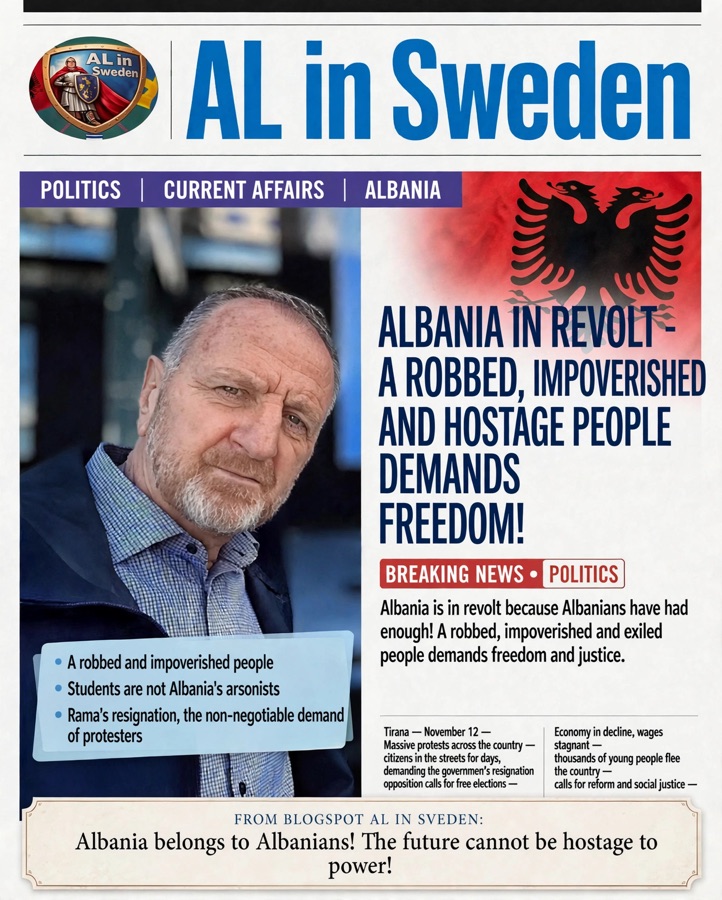
ALBANIA BELONGS TO THE ALBANIANS! THE FUTURE MUST NOT BE HELD HOSTAGE BY THOSE IN POWER!
SHQIPËRIA NË REVOLTË: NJË KOMB I VJEDHUR, I VARFËRUAR DHE I MARRË PENG KËRKON LIRINË!

Shqipëria është në revoltë, sepse populli ka arritur në pikën e fundit të durimit! Vendi nuk po vihet flakën nga studentët, pavarësisht asaj që mund të përpiqet të sugjerojë propaganda.

Ajo që po shpërthen është zemërimi i një populli të vjedhur, të varfëruar dhe të detyruar të largohet nga atdheu, pas vitesh të tëra padrejtësie, korrupsioni dhe keqqeverisjeje.

Thyerja e disa xhamave nuk do të thotë se Shqipëria po digjet. Shqipëria nuk është fasada e një ndërtese, xhamat e një institucioni qeveritar apo kullat që ngrihen në kryeqytet.

Shqipëria është populli i saj: familjet e ndara nga emigracioni, të rinjtë e detyruar të largohen dhe prindërit që shohin fëmijët e tyre të ikin drejt një të ardhmeje larg atdheut.

Ajo që po digjet është durimi i popullit shqiptar!

Edi Rama dhe qeveria e tij nuk mund ta fshehin më realitetin pas propagandës. Skandalet e korrupsionit, hetimet e SPAK-ut, shpërdorimi i pushtetit dhe dyshimet për lidhje mes politikës dhe interesave kriminale kanë vënë nën një vëzhgim të fortë përgjegjësinë e atyre që qeverisin. Shqiptarët kërkojnë përgjigje, drejtësi dhe fundin e pandëshkueshmërisë.

Ndërsa në Tiranë ngrihen kulla gjigante, studentët dhe nxënësit e shkollave të mesme pyesin veten se ku do të banojnë, ku do të punojnë dhe çfarë të ardhmeje i pret. Ata shohin ndërtesa madhështore, por pak mundësi për të ndërtuar jetën e tyre. Shohin pasuri që grumbullohet, ndërsa familjet e tyre luftojnë për të përballuar shpenzimet e jetesës.

Ky është shpërthimi i zemërimit të grumbulluar ndër vite, i ndërthurur me dhimbjen e qytetarëve që përballen me krizën e thellë politike, ekonomike dhe shoqërore të vendit.

Studentët nuk janë zjarrvënësit e Shqipërisë!

Prej katër muajsh, qytetarët protestojnë çdo ditë në Tiranë. Tani, studentët dhe nxënësit e shkollave të mesme i janë bashkuar kësaj lëvizjeje më të gjerë qytetare. Ky zemërim nuk lindi brenda një nate dhe nuk mund të shpjegohet apo të mohohet përmes disa xhamave të thyer.

Studentët nuk po i vënë flakën Shqipërisë. Zjarri i vërtetë është ndezur nga kriza e thellë politike dhe ekonomike, ndërsa reagimi i qeverisë ndaj protestave ngre pikëpyetje serioze.

Kur forcat e policisë keqpërdoren për të ushtruar dhunë, për të provokuar përplasje apo për të përshkallëzuar tensionet, përgjegjësia për çdo veprim duhet të hetohet dhe të përcaktohet mbi bazën e provave. Policia duhet t’i shërbejë ligjit dhe qytetarëve, jo interesave politike të atyre që janë në pushtet.

Të gjithë studentët nuk mund të fajësohen për veprimet e individëve të veçantë. Po ashtu, pamjet e incidenteve të izoluara nuk duhet të përdoren për të fshehur arsyet e një revolte të gjerë qytetare.

Shkatërrimi i vërtetë nuk është thyerja e disa xhamave. Shkatërrimi i vërtetë është shkatërrimi i së ardhmes së një brezi të tërë!

Shkatërrim është kur të rinjtë detyrohen të largohen nga vendi i tyre, kur familjet ndahen, kur korrupsioni shkatërron besimin te shteti dhe kur qytetarët nuk shohin më shpresë në atdheun e tyre.

Një vend që po humbet njerëzit dhe të ardhmen e tij

Tragjedia e Shqipërisë shkon përtej varfërisë dhe emigracionit. Ajo lidhet edhe me pronat, trojet e trashëguara, pasuritë publike dhe identitetin kombëtar. Shqiptarët kanë të drejtë të kërkojnë llogaridhënie për marrëveshjet që prekin tokën e tyre, koncesionet që cenojnë interesin publik dhe vendimet që vënë në rrezik pasurinë kombëtare.

Trojet shqiptare janë mbrojtur me gjak gjatë shekujve. Ato nuk duhet të trajtohen si monedha pazari në marrëveshje politike dhe ekonomike. Detyra e një qeverie është të krijojë kushtet që shqiptarët të jetojnë dhe të punojnë në atdheun e tyre, jo t’i shtyjë drejt emigracionit dhe ta paraqesë zbrazjen e vendit si diçka normale.

Kur të rinjtë largohen në numër të madh dhe qytetarët ndihen të huaj në vendin e tyre, vendi po përballet me një krizë që propaganda nuk mund ta zgjidhë.

Mos i përçani protestat për të shpëtuar ata që janë në pushtet!

Sa herë që qytetarët bashkohen kundër qeverisë, shfaqen akuza, përplasje dhe përpjekje për ta larguar vëmendjen nga thelbi i revoltës. Në rrjetet sociale qarkullojnë pretendime për komplote dhe agjentë të huaj, ndërsa protestuesit vihen kundër njëri-tjetrit.

Por studentët nuk kanë dalë në rrugë për të zgjidhur mosmarrëveshjet e brendshme politike. Ata kërkojnë të ardhme, drejtësi dhe dinjitet. Çdo pretendim për manipulim apo ndërhyrje të huaj duhet të mbështetet në prova dhe jo të përdoret për të frikësuar qytetarët e për të përçarë lëvizjen protestuese.

Mos e ngatërroni revoltën popullore me kaosin që mund ta shoqërojë atë. Mos i fajësoni studentët për një krizë që ata nuk e kanë krijuar!

Dorëheqja është kërkesa e protestuesve

Mesazhi që vjen nga protestuesit është i qartë:

DORËHEQJA E EDI RAMËS ËSHTË E PANEGOCIUESHME!

Ata kërkojnë t’i jepet fund një modeli qeverisjeje që e konsiderojnë përgjegjës për korrupsionin, varfërimin, emigracionin dhe humbjen e besimit te institucionet publike. Ata kërkojnë drejtësi, përgjegjësi politike dhe një shtet që u shërben qytetarëve, në vend të interesave të ngushta.

Shqipëria nuk është pronë e një kryeministri, e një partie politike apo e një grupi të privilegjuarish. Ajo u përket qytetarëve të saj. Askush nuk ka të drejtë ta mbajë peng një komb të tërë pa afat, kur populli i tij kërkon lirinë për të jetuar me dinjitet dhe shpresë.

Shqipëria nuk po digjet nga studentët. Shqipëria po zien nga zemërimi i një populli që refuzon të vazhdojë të jetojë nën peshën e padrejtësisë!

Qytetarët e lodhur nga korrupsioni po ngrihen. Studentët që nuk duan të emigrojnë për të siguruar një të ardhme po ngrihen. Nxënësit e shkollave të mesme, të cilët refuzojnë të trashëgojnë dëshpërimin e brezave të mëparshëm, po ngrihen.

Askush nuk mund ta heshtë këtë revoltë përmes propagandës, frikësimit apo përçarjes. Një popull i vendosur për të këputur zinxhirët e skllavërisë moderne nuk mund të mbahet peng përgjithmonë.

SHQIPËRIA U PËRKET SHQIPTARËVE! E ARDHMJA NUK DUHET TË MBAHET PENG NGA ATA QË JANË NË PUSHTET!
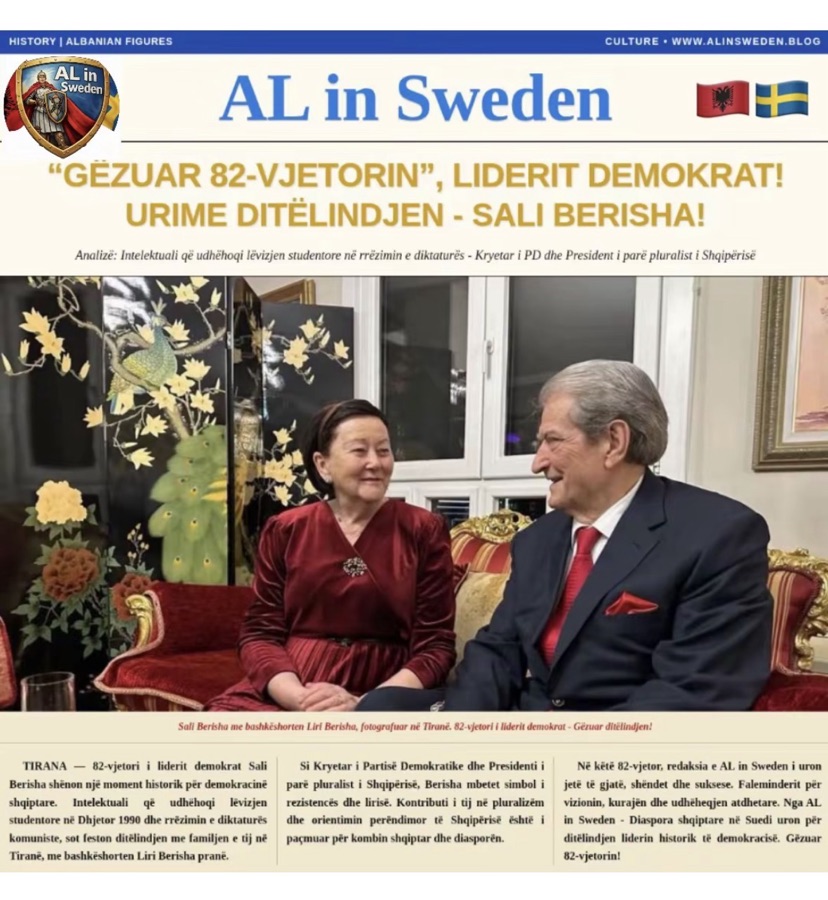
Dhjetori i vitit 1990 shënoi një kthesë historike për Shqipërinë. Në atë periudhë vendimtare, Sali Berisha mori një rol drejtues në lëvizjen studentore që sfidoi regjimin komunist dhe u bë një nga figurat kryesore të procesit që çoi drejt pluralizmit politik dhe vendosjes së demokracisë.
Si themelues dhe kryetar i Partisë Demokratike, Berisha u bë një nga protagonistët e ndryshimit politik të vendit. Më pas, si Presidenti i parë i Shqipërisë pluraliste, ai mori pjesë në një nga etapat më të rëndësishme të tranzicionit shqiptar dhe të orientimit të vendit drejt Perëndimit.
Rruga e tij politike edhe si Kryeministër i vëndit, është shoqëruar me përballje, debate dhe sfida, por emri i tij mbetet i lidhur ngushtë me historinë e pluralizmit shqiptar dhe me zhvillimet politike të tri dekadave të fundit.
Dje u thirr një protestë kombëtare, por pjesëmarrja ishte jashtëzakonisht e dobët. Ishte një pamje e dhimbshme, ndoshta më e dobëta në gjithë historinë e Partisë Demokratike që nga themelimi i saj.
Pse kemi arritur në këtë gjendje? A nuk duhet të ndalemi e të reflektojmë seriozisht për arsyet?
Më thoni, ju lutem: cili deputet ka pasur pranë vetes në këtë protestë një anëtar të familjes së tij?
Pse nuk janë mobilizuar as njerëzit e tyre më të afërt?
Nëse nuk arrijnë të bindin as familjarët, si mund të bindin qytetarët?
Po ne, demokratët e thjeshtë, çfarë jemi?
A nuk ju vjen turp që rrini nën hijen e Sali Berishës, ndërkohë që ai është njeriu që e ka mbajtur gjallë këtë parti në ditët e saj më të vështira?
Pa kontributin e tij, shumë prej atyre që sot mbajnë poste nuk do të kishin arritur aty ku janë.
Ku është Forumi i Gruas?
Ku është zëri i tij? Ku është kryesia? A nuk ka ardhur koha të flitet hapur, pa frikë dhe pa llogari personale?
Boll më me këtë gjendje!
Nëse vazhdohet kështu dhe hyjmë në zgjedhjet e ardhshme vendore pa reflektim, rrezikojmë të përjetojmë katastrofën më të madhe elektorale në historinë e Partisë Demokratike.
Ju garantoj që, në këto kushte, rreziku është real që të fitojmë vetëm Tropojën dhe Kavajën.
Unë dhe pak miq që kemi mbetur besnikë ndaj idealeve tona, kemi dhënë gjithçka për këtë parti.

Kemi vuajtur burgime me vite, jemi plagosur me plumba dhe kemi humbur njerëzit tanë.

Nuk e kemi bërë këtë për poste, privilegje apo përfitime personale, por për demokracinë dhe Shqipërinë.
Prandaj, atyre që kanë më shumë se dy mandate u them: bëni një hap pas dhe hapni rrugën për të rinjtë!
Një parti që nuk rinovohet, që nuk dëgjon anëtarët e saj dhe që nuk vlerëson sakrificat e qëndrestarëve, rrezikon të humbasë jo vetëm zgjedhjet, por edhe besimin e njerëzve.
Respekt dhe mirënjohje për të gjithë qëndrestarët e vërtetë demokratë!
DEMOCRATS, HOW LONG WILL WE CONTINUE LIKE THIS?

✍🏽 Sali Lushaj

Dear Democratic sisters and brothers,

Yesterday, a nationwide protest was called, but participation was extremely low. It was a painful sight, perhaps the weakest turnout in the entire history of the Democratic Party since its founding.

Why have we reached this point? Shouldn’t we stop and seriously reflect on the reasons?

First, closed electoral lists have created a reality that distances Democrats from decision-making and deprives them of hope for representation.

Second, the repeated candidacy of the same people for more than two terms has caused fatigue, dissatisfaction, and a lack of trust.

Third, many members of parliament have not remained close to their constituencies and have failed to maintain consistent ties with the Democrats who supported them.

Fourth, we have created a political culture in which some leave their municipalities to become members of parliament, while others take the opposite path. Meanwhile, young people are denied the opportunity to assume responsibility and bring new energy to the party.

Please tell me: which member of parliament had a family member standing beside them at this protest? Why were even their closest relatives not mobilized? If they cannot convince their own family members, how can they convince the citizens?

And what about us, the ordinary Democrats?

Aren’t you ashamed to remain under Sali Berisha’s shadow, when he is the person who kept this party alive during its most difficult days? Without his contribution, many of those who hold positions today would never have reached where they are.

Where is the Women’s Forum? Where is its voice? Where is the party leadership? Hasn’t the time come to speak openly, without fear and without personal calculations?

Enough of this situation! If we continue like this and enter the next local elections without serious reflection, we risk experiencing the greatest electoral catastrophe in the history of the Democratic Party. I assure you that, under these conditions, there is a real risk that we will win only Tropojë and Kavajë.

A few friends and I, who have remained faithful to our ideals, have given everything for this party. We have endured years in prison, been wounded by bullets, and lost our loved ones. We did not do this for positions, privileges, or personal gain, but for democracy and Albania.

Therefore, to those who have served more than two terms, I say: take a step back and make way for the younger generation! A party that does not renew itself, does not listen to its members, and does not value the sacrifices of its steadfast supporters risks losing not only elections, but also the people’s trust.

The Democratic Party belongs to no one. It belongs to the Democrats who have sacrificed for it and who still believe that Albania deserves a better future.

Respect and gratitude to all true, steadfast Democrats!
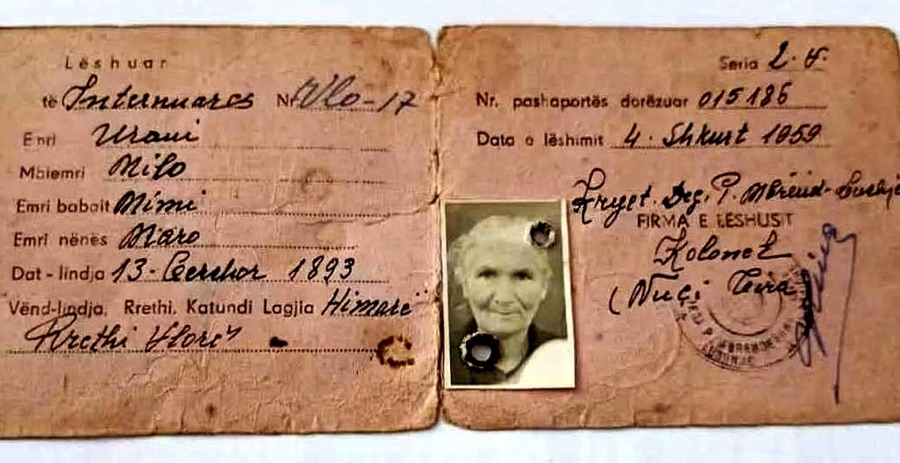
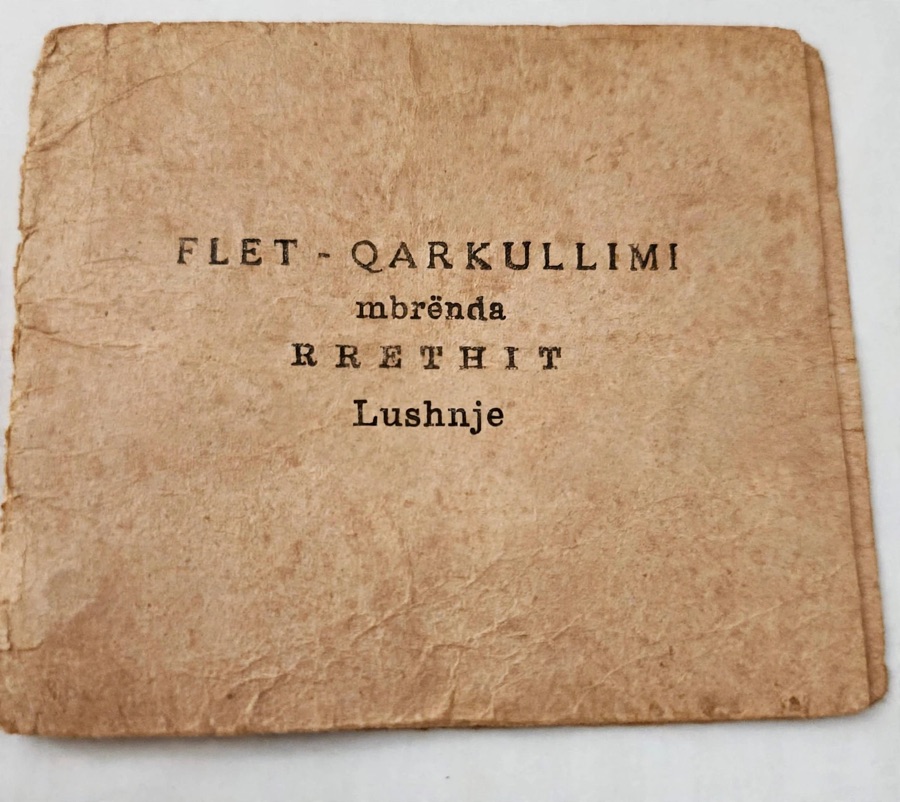
Duke parë këtë dokument, në fakt një leje qarkullimi për të internuarit e kampit të Savrës, u ktheva menjëherë në kujtime. Është një letër e zverdhur nga koha, e mbajtur për 67 vjet në arkivin e familjes. Një copë letër që, edhe pas kaq shumë vitesh, vazhdon të flasë. Dhe ka shumë për të treguar.
Nuk isha më shumë se shtatë vjeç kur na erdhi lajmi se kishin internuar gjyshen time, Uraninë, 68 vjeçe, dhe tezen Antoninë, vetëm 19 vjeçe.
Ishte dhjetor, një ditë shiu.
Dega e Brendshme ndodhej te shtëpia e Aleko Babës, fare pranë shtëpisë sonë. Sapo morëm vesh lajmin, vrapova bashkë me nënën time. Jashtë gardheve i pamë të dyja, duke qëndruar në shi, të lagura nga ai shi i imët që nuk pushonte. I shikonim, por nuk kishim ç’të bënim.
Me vete kishin vetëm një “kokosh plaçka” dhe dy pula.

Edhe ato pula më janë ngulitur në kujtesë; dukej sikur “qanin” bashkë me to.

Një polic shpirtmirë arriti të na i sillte në shtëpi, por gëzimi ynë zgjati vetëm pak.
Pas dy ditësh, pulat e gjora ngordhën.
Pak më vonë sollën aty, të lidhur, edhe Petro Gjonin. Atij i kishte ikur vëllai, njësoj si dajua im.
Petrua kishte edhe një vëlla dëshmor, por në atë kohë kush pyeste për këto?

Mjaftonte të ishe i lidhur me një familje të konsideruar “armike”. Atë natë fjetën mbi plaçkat e tyre dhe të nesërmen i nisën për në Saver.
Nuk kaloi shumë kohë dhe djali i tezes sime, Spiro Kutulla, që ishte shofer i një Skode të madhe me turi, më mori me vete. Kështu, një ditë, u gjenda edhe unë në Saver.
Rruga ishte baltë e llucë. Një tmerr i vërtetë. Në mes kalonte një rrugicë dhe, në të dy anët, shtriheshin barakat e famshme ku jetonin familje të tëra shqiptare.
Familje të mira, të kulturuara, të fisme, të mbledhura aty jo për atë që kishin bërë vetë, por për atë që regjimi mendonte se përfaqësonin.
Pranë tezes dhe gjyshes sime banonte familja e z. Vehap Hoxhës, një burrë zotni dhe shumë i kulturuar.
I ishte arratisur djali i vetëm, kushëri i Enver Hoxhës, bashkë me të bijat. Nerimanin, Suzanën dhe të tjerat nuk i kujtoj më.
Më kujtohet, megjithatë, se ishte një familje intelektuale; njëra prej vajzave ishte teniste, ndërsa tjetra mësuese pianoje.
Përballë tyre ishte familja e Abaz Kupit, atij patrioti që nuk reshti së vepruari për çështjen shqiptare.
Ishin Hyrija, Bardhi e të tjerë. Dhe Saveri, pak nga pak, më shfaqej si një botë e tërë njerëzish, secili me historinë e vet: Tefta Bajraktari, vajza e gjatë dhe e bukur; Zef e Ketrin Miraka; Koço Plashoti; Musta Sina; Simon Miraka; familja e eruditit Lazër Radi; familja Kokali; familjet Merlika e Dema.
Aty pashë edhe për herë të parë Shitin dhe Duffën, djalin dhe gruan e Qazim Mulletit, një prej figurave më të njohura e më të kulturuara të Tiranës.
Ishte e dhimbshme të shihje se si familjeve të tilla u ishte nxirë jeta nga shpifjet, nga frika dhe nga një sistem që nuk kishte nevojë për shumë prova për të dënuar njerëzit.
Por për mua, si fëmijë, Saveri ishte edhe vendi ku krijova shoqërinë time. Rrija gjatë aty dhe shoqërohesha me Lolo e Jot Gjonin, edhe pse ishin më të vegjël.
Njihja edhe Taqo e Thoma Gjonin, djemtë e Spiro Gjonit, njëri më i mirë se tjetri. Ne fëmijët gjenim mënyrat tona për të luajtur e për t’u gëzuar, edhe pse rreth nesh ishte një realitet që sot, si i rritur, e kuptoj shumë më thellë.

Një nga gëzimet më të mëdha, jo vetëm për mua, por për të gjithë të internuarit, ishte kur merrnin leje për të dalë në qytetin e Lushnjës.

Atëherë i shihje të veshur bukur, me biçikletat në duar, duke ecur qetë e krenarë nëpër rrugët e qytetit.

Kishte diçka të veçantë në atë pamje. Edhe pse ishin të internuar, nuk e kishin humbur dinjitetin.
Zakonisht më merrte në biçikletë i ndjeri Zef Miraka.
Ai më vonë arriti të arratisej në Korfuz dhe prej andej të mbërrinte në Shtetet e Bashkuara.
Në Lushnjë kisha edhe kushëririn tim, Nasi Bano, të atin e Maksit, Isidorit, Artanit e të tjerëve.
Nasi ishte nga ata njerëz që sfidonin frikën dhe na ndihmonin. Nuk mund të harroj as kushërirën e parë të nënës sime, Eleni (Milo) Doko, nënën e dirigjentit të Operës, Edmond Doko, dhe të inxhinierit Vasil Doko.
Edhe shoferët që vinin nga Vlora shpesh ndalonin e na merrnin me vete, duke sfiduar frikën e kohës. Kujtoj të atin e aktorit tonë të shquar Bujar Asqeriut, Andrea e Jani Konomin, Hanon Zenelin e shumë të tjerë.
Ishin njerëz që, në një kohë kur frika ishte bërë pjesë e përditshmërisë, përsëri gjenin një mënyrë për të ndihmuar.
Të paharruar.
Sepse Saveri nuk më ka mbetur në kujtesë vetëm për barakat, baltën, internimin dhe frikën. Më ka mbetur edhe për njerëzit. Për ata që vuajtën, por ruajtën dinjitetin. Për ata që ndihmuan, edhe kur ndihma mund t’u kushtonte. Dhe për ata që, në kohë të vështira, zgjodhën të mbeteshin njerëz.
Sot, pas 67 vitesh, një leje qarkullimi e zverdhur nga koha më ktheu te ato ditë.
Ndoshta dokumentet e tilla duken të vogla përballë historisë së madhe. Por, kur i mban në dorë, kupton se historia nuk është vetëm ajo që shkruhet në libra.
Historia është edhe një copë letër e ruajtur në heshtje për 67 vjet.
Është një fytyrë që të është ngulitur në kujtesë.
Një rrugë me baltë.
Një biçikletë.
Dy pula që ngordhën pas dy ditësh.
Një fëmijë që shikonte nga pas gardhit.
Dhe, në fund të ditës, tingulli i çangës në orën 18:00.
🇸🇪 REFORMER SOM STÄRKER STATEN HAR OCKSÅ ETT POLITISKT PRIS
🇸🇪 REFORMER SOM STÄRKER STATEN HAR OCKSÅ ETT POLITISKT PRIS
Det finns stunder då en stat måste fatta svåra beslut. Sverige behövde detta efter en period då den organiserade brottsligheten, segregationen, integrationsproblemen och otryggheten hade fått en omfattning som inte längre kunde ignoreras.
Regeringen som bildades 2022, med Tidöavtalet som grund, satte kampen mot brottsligheten, kontrollen över migrationen, integrationen, ekonomin, energin och säkerheten i centrum. Under denna period blev Sverige medlem i NATO den 7 mars 2024, samtidigt som regeringen vidtog en rad åtgärder för att stärka polisen, bekämpa den organiserade brottsligheten och förändra migrationspolitiken. (Regeringskansliet)
Kort sagt hade och har dessa stora reformer, som var mycket nödvändiga, också ett politiskt pris som inte var rättvist för Moderaterna (M) och särskilt för ledaren Ulf Kristersson.
Sverige består inte bara av de invandrare som missbrukar systemet. Invandrare i Sverige (de flesta av dem) arbetar, betalar skatt, respekterar lagarna och har byggt sina liv här. Därför bör kampen mot brottsligheten och den oreglerade migrationen inte uppfattas som en kamp mot invandrare i allmänhet.
Här måste man också se påverkan från Sverigedemokraternas hårda retorik.
Dess ständiga angrepp på invandringen utan åtskillnad skapade hos en del av de invandrade grupperna en känsla av att de bedömdes som en enda grupp. Denna känsla utnyttjades, och i vissa fall underblåstes den av politiska och organisatoriska aktörer, vilket skapade en politisk motreaktion.
I detta klimat kan man inte heller bortse från rollen hos vissa religiösa centra eller organisationer med utländska kopplingar, när de ägnar sig åt politisk propaganda, radikalisering eller skapandet av parallella strukturer.
Religionsfrihet är en rättighet. Antidemokratiskt inflytande är en annan fråga.
Staten måste vara stark mot brottsligheten, men rättvis mot medborgaren.
Ulf Kristerssons regering hade tagit på sig en stor politisk börda för att förändra landets riktning. Kristersson ledde Sverige under en svår period och under hans mandatperiod blev landet medlem i NATO, en historisk förändring av svensk säkerhetspolitik. (Regeringskansliet)
Men valet visade också politikens andra sida: reformer som syftar till att stärka staten kan ha ett politiskt pris hos en del av väljarna, särskilt när de kombineras med en retorik som vissa medborgare upplever som exkluderande.
Kristersson kan bedömas olika av olika medborgare. Men en sak står klar: Den statsmannen tog på sig en tung politisk börda och ledde landet under en period då många av de nödvändiga besluten varken var lätta eller utan kostnader.
Av denna anledning förtjänar hans arbete respekt och offentlig uppskattning. Inte därför att varje beslut var felfritt, utan därför att det krävs ansvar, beslutsamhet och en beredskap att också bära de politiska konsekvenserna av fattade beslut när man leder ett land i svåra tider.
Och kanske ligger just här en av demokratins paradoxer: reformer som syftar till att stärka staten kanske inte belönas omedelbart vid valurnorna.
Och när ett religiöst centrum förlorar sin riktning och förvandlas till en politisk vänstercell, som vi också har sett i andra fall, då är problemet inte längre den religiösa tron. Problemet är användningen av en religiös struktur för politiska syften.

För regeln är inte riktad mot invandraren.

Regeln är till för att skydda medborgaren.
Och en stark stat mäts inte bara genom sin styrka att införa regler, utan också genom sin förmåga att tillämpa dem utan att förlora förtroendet hos laglydiga medborgare.
REFORMAT QË FORCOJNË SHTETIN KANË EDHE NJË KOSTO POLITIKE
Ka momente kur një shtet duhet të marrë vendime të vështira. Suedia e kishte të nevojshme këtë pas një periudhe kur krimi i organizuar, segregacioni, problemet e integrimit dhe pasiguria kishin marrë përmasa që nuk mund të injoroheshin.
Qeveria e formuar në vitin 2022, mbi bazën e marrëveshjes së Tidö, vendosi në qendër luftën kundër krimit, kontrollin e migracionit, integrimin, ekonominë, energjinë dhe sigurinë. Gjatë kësaj periudhe, Suedia u bë anëtare e NATO-s më 7 mars 2024, ndërsa qeveria ndërmori një sërë masash për forcimin e policisë, luftën kundër krimit të organizuar dhe ndryshimin e politikës së migracionit. (Regeringskansliet)
Me pak fjalë këto reforma të mëdha që ishin tejet të nevojshme kanë dhe patën një kosto politike jo të drejtë për moderatët (M) dhe veçanarisht për liderin Ulf Kristersson
Suedia nuk përbëhet vetëm nga ata emigrantë që abuzojnë me sistemin. Emigrantët në suedi (shumica e tyre) punojnë, paguajnë taksa, respektojnë ligjet dhe e kanë ndërtuar jetën e tyre këtu. Prandaj lufta kundër krimit dhe emigracionit të parregullt nuk duhet të perceptohet si luftë kundër emigrantit në përgjithësi.
Këtu duhet parë edhe ndikimi i retorikës së fortë të Sverigedemokraterna-s. Sulmet e vazhdueshme të saj ndaj emigracionit pa dallim, krijuan te një pjesë e komuniteteve emigrante ndjesinë se po gjykoheshin si një grup i vetëm. Kjo ndjesi u shfrytëzua,dhe në disa raste u ushqye nga aktorë politikë e organizativë, duke krijuar një kundër reagim politik.
Në këtë klimë nuk mund të anashkalohet as roli i disa qendrave fetare apo organizatave me lidhje të huaja, kur ato përfshihen në propagandë politike, radikalizim apo krijimin e strukturave paralele.
Liria fetare është një e drejtë. Ndikimi antidemokratik është një çështje tjetër.
Shteti duhet të jetë i fortë ndaj krimit, por i drejtë me qytetarin.
Qeveria e Ulf Kristersson kishte marrë përsipër një peshë të madhe politike për të ndryshuar drejtimin e vendit. Kristersson udhëhoqi Suedinë në një periudhë të vështirë dhe gjatë mandatit të tij vendi hyri në NATO, një ndryshim historik në politikën suedeze të sigurisë. (Regeringskansliet)
Por zgjedhjet treguan edhe anën tjetër të politikës: reformat që synojnë forcimin e shtetit mund të kenë një kosto te një pjesë e elektoratit, veçanërisht kur ato shoqërohen me një retorikë që disa qytetarë e përjetojnë si përjashtuese.
Kristersson mund të vlerësohet ndryshe nga qytetarë të ndryshëm. Por një gjë mbetet e qartë: Ai shtetar mori mbi supe një barrë të rëndë politike dhe drejtoi vendin në një periudhë kur shumë prej vendimeve të nevojshme nuk ishin as të lehta dhe as pa kosto.
Për këtë arsye, puna e tij meriton respekt dhe mirënjohje publike. Jo sepse çdo vendim ishte i pagabueshëm, por sepse drejtimi i një vendi në kohë të vështira kërkon përgjegjësi, vendosmëri dhe gatishmëri për të përballuar edhe pasojat politike të vendimeve të marra.
Dhe ndoshta pikërisht këtu qëndron një nga paradokset e demokracisë: reformat që synojnë të forcojnë shtetin mund të mos shpërblehen menjëherë në kutinë e votimit.
Ndoshta edhe kërkesa jonë që drejtues politikë të takoheshin drejtpërdrejt me emigrantët, për të biseduar dhe sqaruar keqinterpretimet, dikujt mund t’i jetë dukur si “tallava”. Por në një demokraci dialogu me qytetarët e sidomos me emigracionin nuk është tallava, por pjesë e politikës.
Dhe kur një qendër fetare humb drejtimin e saj dhe kthehet në një celulë politike të majtë, siç kemi parë edhe në raste të tjera, atëherë problemi nuk është më besimi fetar. Problemi është përdorimi i një strukture fetare për qëllime politike.
Sepse rregulli nuk është kundër emigrantit.
Rregulli është në mbrojtje të qytetarit.
Dhe një shtet i fortë nuk matet vetëm me forcën për të vendosur rregulla, por edhe me aftësinë për t’i zbatuar ato pa humbur besimin e qytetarëve të ligjshëm.
82-vjetori i Betejës së Qafë Kolqit ! Nga Gjovalin PROGNI
Rezistenca e parë antikomuniste nisi në mesin e nëntorit 1944 nga Nikaj-Mërturasit, në Qafën e Kolqit, ku mbetën të vrarë disa burra, por aty mbeti e vrarë edhe Xhemile Shehu (motra e Mehmet Shehut), komandantja e brigadës partizane.
Për pasojë, Nikaj-Mërturi do të thyhej me çdo çmim, duke vrarë edhe njerëz të pafajshëm, duke djegur edhe shtëpi, për të kulmuar me “manifestin kriminal komunist” të 29 shtatorit 1946 në Lekbibaj (ditën e Shën Mhillit), kur u thirrën 2.000 burra, nga mosha 16 deri në 80 vjeç, me qëllim terrorizimin dhe nënshtrimin përfundimtar, duke pushkatuar në prezencë të burrit të qëndresës, Fet Sadikut, dhe të riut Ukë Çunit.
“Hiq kush t’jesh prej n’shtat e n’shtatdhet, se po vjen komunisti, anmiku i Atdheut dhe Fesë”!
Ky ishte kushtrimi që Pader Nikaj, prej Kishës së Palçit, lëshoi 82 vjet më parë, në mesin e nëntorit të vitit 1944, kur komunisti mësyu si bisha e tërbueme Nikaj-Mërturin për ta nënshtruar, pasi kishte nënshtruar me dhunë rrafshin e Malësisë së Gjakovës. Kushtrimi menjëherë mori dhenë.
E burrat kreshnikë të kësaj krahine legjendare, të cilët ditën të presin me pushkë çdo pushtues që iu mësyu vatanit dhe trojeve shqiptare, si turk e shkja, italian e gjerman, edhe kësaj radhe u bënë bashkë. Qitën kushtrimin edhe ndër shefitaret e tyre të përjetshëm, në Shalë e në Shosh, me të cilët ndanë gjithmonë gëzimin dhe idhnimin.
Të gjithë së bashku filluan përgatitjet për përballjen me bishën komuniste, trupat e së cilës drejtoheshin nga Xhemile Shehu (motra e xhelatit Mehmet Shehu), të cilat ishin drejtuar për në Qafën e Kolqit.
Roli i parisë së krahinës, bajraktarëve e vojvodëve, në përgatitjen e qëndresës ishte i jashtëzakonshëm.
U prenë këmbët e urës mbi lumin e Mërturit, për të penguar kalimin e forcave komuniste në zonë, në qoftë se do të thyhej Qafa e Kolqit. Njëkohësisht, trimat Nikaj-Mërturas mbërritën në Qafën e Kolqit, vendi ku do të organizohej prita, dhe u vendosën nëpër pozicione.
Forcat partizane kishin dërguar emisarë për t’u marrë vesh me parinë, në mënyrë që të mos kishte rezistencë, por malësorët trima, duke e ditur se çfarë i priste, nuk pranuan kurrfarë kompromisi.
Dita e parë e përballjes ishte shumë e përgjakshme.
Nga malësorët trima ranë në fushë-betejë:

* Babun Ukë Gjonpali, nga Perajt e Nikajve;
* Qun Kol Marticanaj, nga Perajt e Nikajve;
* Martin Pal Pepkolaj, nga Raja e Mërturit;
* Kol Zef Kukaj, nga Raja e Mërturit.

Në përpjekje e sipër, vritet Xhemile Shehu, komandantja e forcave partizane.

Vlen për t’u theksuar se humbjen e motrës së Mehmet Shehut në këtë betejë, të cilën nuk ua fali kurrë Nikaj-Mërturit, e pasoi një hakmarrje e egër.

Persekutimi komunist në këtë zonë do të ishte më i egër se askund tjetër.

Pas kësaj qëndrese të pashoqe të kreshnikëve të Nikaj-Mërturit, forcat komuniste tërhiqen për ta vazhduar sulmin ditën e nesërme me hakmarrje, jo nga Qafa e Kolqit, e cila u bë Qafa e Ferrit për ta, por duke përdorur rrugë të tjera, nga Dragobia – Lugu i Sylbicës – Qeresh Mulaj.

Gjatë këtij rrugëtimi, vranë edhe tre fshatarë të pafajshëm Nikaj-Mërturas, me pretekstin e pjesëmarrjes në qëndresën e ditës së parë.
Sulmi i ditës së dytë i gjeti të papërgatitur malësorët. Ndaj, Nikaj-Mërturi iu dorëzua sundimit komunist, për t’u pasuar me ngjarje shtypëse e terrorizuese ndaj familjeve të mëdha dhe burrave veprimtarë antikomunistë.
Paralajmërimi i Pader Nikajt doli i vërtetë; në pushtet erdhën ata që për Fe kishin idealet e Partisë dhe për Atdhe kishin Internacionalizmin proletar.
Vlen të theksohet fakti se qëndresa antikomuniste e Nikaj-Mërturit, pa diskutim, është ndër të parat, për të mos thënë e para në Shqipëri, pra e para e këtyre përmasave, e cila meriton një vend të veçantë në historinë antikomuniste të Shqipërisë.
Nderim për jetë qëndresës heroike të Nikaj-Mërturit, “Nderi i Kombit”!
Lavdi të përjetshme këtyre burrave që dhanë jetën në përpjekje me kuçedrën komuniste, për Atdhe dhe Fe!
Për vite, “Non Grata”, FBI-ja, Washingtoni, Sorosi e çdo emër i madh janë përdorur si armë propagandistike kundër Sali Berishës dhe opozitës.
Por emrat nuk janë prova.
Sot kemi një realitet që propaganda nuk e ndryshon dot:
SALI BERISHA ËSHTË PËRSËRI NË SHBA.
Dhe jo për një udhëtim privat.
Ai ndodhet atje si pjesë e një delegacioni politik të ftuar nga bota republikane amerikane, në një rol drejtues.
Pas viteve të përpjekjeve për ta paraqitur si të izoluar, të rrëzuar dhe politikisht të përfunduar, Berisha është ende në këmbë.
Me dinjitet, me qëndresë dhe pa u tërhequr nga beteja.
Viza është marrë në Ambasadën Amerikane në Tiranë, por askush nuk duhet të sillet sikur një ambasadë vendos sipas dëshirës së një individi. Pas saj qëndron struktura institucionale e shtetit amerikan.
Kjo nuk është “falje zyrtare” dhe nuk është vendim gjykate.
Por është një zhvillim politik që nuk mund të injorohet.
Po sikur disa vendime politike të së kaluarës të kenë qenë të gabuara?
Sidomos kur ato janë përdorur në Shqipëri si armë për të delegjitimuar opozitën dhe për të ndikuar mbi votuesit.
Rekrutimi nga Narkoshteti i drejtuesit të FBI-së McGonigal na kujton gjithashtu se edhe institucionet më të fuqishme nuk janë të pagabueshme dhe se zyrtarët e tyre mund të abuzojnë me detyrën.
Prandaj, mjaft me “burime nga Washingtoni”, insinuata dhe gjykata Facebook-u.
KU JANË PROVAT?
Sepse kur faktet ekzistojnë, nuk kanë nevojë për zhurmë.
Dhe kur mungojnë faktet, zhurma mediatike që është edhe arma e juaj e preferuar, është thjesht propagandë .
SALI BERISHA IS BACK IN THE UNITED STATES.
And not on a private trip.
He is there as part of a political delegation invited by the Republican world in the United States, in a leadership role.
After years of attempts to portray him as isolated, politically defeated and finished, Berisha is still standing.
With dignity, determination and without retreating from the political battle.
His visa was obtained at the U.S. Embassy in Tirana, but no one should pretend that an embassy issues visas according to the personal wishes of one individual. Behind such a decision stands the institutional structure of the U.S. government.
This is not an official apology, nor is it a court ruling.
But it is a political development that cannot simply be ignored.
And it raises a simple question:
What if some of the political decisions of the past were wrong?
Especially when those decisions were subsequently used in Albania as weapons to delegitimize the opposition and influence voters.
The McGonigal case also reminds us that even the most powerful institutions are not infallible, and that officials can abuse their positions.
So enough with “sources in Washington,” insinuations and Facebook courts.
If there is evidence — PRESENT IT.
If there are investigations — LET THE INSTITUTIONS SPEAK.
If there is criminal responsibility — LET THE COURTS DECIDE.
Berisha is not above the law.
BUT NEITHER ARE HIS OPPONENTS.
And today the question is stronger than the propaganda:
WHERE IS THE EVIDENCE?
Because when facts exist, they do not need noise.
And when facts are missing, noise is simply propaganda.
NÄR PROPAGANDAN FRUKTAR FAKTA
I åratal har ”Non Grata”, FBI, Washington, Soros och andra stora namn använts som politiska vapen mot Sali Berisha och oppositionen.
Men stora namn är inte bevis.
I dag finns det en verklighet som propagandan inte kan förändra:
SALI BERISHA ÄR TILLBAKA I USA.
Och inte på en privat resa.
Han befinner sig där som en del av en politisk delegation inbjuden av den republikanska världen i USA, i en ledande roll.
Efter år av försök att framställa honom som isolerad, politiskt besegrad och färdig står Berisha fortfarande kvar.
Med värdighet, beslutsamhet och utan att dra sig tillbaka från den politiska kampen.
Visumet utfärdades vid USA:s ambassad i Tirana. Men ingen bör låtsas att en ambassad utfärdar visum efter en enskild diplomats personliga vilja. Bakom ett sådant beslut står den amerikanska statens institutionella struktur.
Detta är inte en officiell ursäkt och inte heller ett domstolsbeslut.
Men det är en politisk utveckling som inte kan ignoreras.
Och den väcker en enkel fråga:
Tänk om vissa politiska beslut från det förflutna faktiskt var felaktiga?
Särskilt när dessa beslut i Albanien har använts som politiska vapen för att delegitimera oppositionen och påverka väljare.
McGonigal-fallet påminner oss dessutom om att inte ens de mäktigaste institutionerna är ofelbara och att tjänstemän kan missbruka sin ställning.
Så nog med ”källor i Washington”, insinuationer och Facebook-domstolar.
Om det finns bevis — LÄGG FRAM DEM.
Om det finns utredningar — LÅT INSTITUTIONERNA TALA.
Om det finns straffrättsligt ansvar — LÅT DOMSTOLARNA AVGÖRA.
Berisha står inte över lagen.
MEN DET GÖR INTE HELLER HANS MOTSTÅNDARE.
Och i dag är frågan starkare än propagandan:
VAR ÄR BEVISEN?
För när fakta finns behövs inget oväsen.
Och när fakta saknas är oväsendet bara propaganda.
Margareta Cederfelt är ett välkänt namn inom svensk och europeisk politik. Hon har varit riksdagsledamot under flera mandatperioder, tidigare vice president och senare president för OSSE:s parlamentariska församling, och har lång erfarenhet av internationell parlamentarisk diplomati. Under åren har hon även haft viktiga uppdrag inom Interparlamentariska unionen (IPU).
Men det som imponerar mest på mig är inte bara hennes politiska karriär. Det är vad hon gör efter att hon har beslutat sig för att inte längre kandidera till riksdagen.
Margareta fortsätter att vara ute på fältet, möta medborgare, samtala med dem och kampanja för Moderaterna och dess kandidater. Hon arbetar för en politisk kraft även om hon den här gången inte själv söker ett mandat.
Och det är just här skillnaden ligger.
Om politik bara handlade om personligt intresse, varför skulle man fortsätta arbeta när det inte längre finns en post att vinna?

För att man tror på något.

För att man har ett ideal.

För att man ser politik som ett samhällsuppdrag och inte som en personlig investering.
Här blir också kontrasten tydlig mot det vi så ofta har sett i Albanien.
I Albanien verkar det för många politiker som om politiken börjar med kandidaturen och slutar med posten. När de står på listorna söker de röster. När de får mandat söker de makt. När de förlorar sin post eller hamnar utanför listorna är det vissa som inte bara drar sig undan, utan också vänder sig mot den politiska kraft som lyfte dem och gjorde dem till ledamöter, ministrar, borgmästare eller direktörer.
Här ser man idealet. I Albanien ser man alltför ofta egenintresset.
Här kan en politiker sluta vara kandidat och ändå fortsätta arbeta för sitt parti.
För vissa i Albanien gäller däremot att om det inte längre finns en stol åt dem själva, då finns det inte heller något parti, inget ideal och ingen medborgare att kämpa för.
Detta är skillnaden mellan politiskt idealism och politisk materialism.
Idealisten frågar: ”Vad kan jag göra för det jag tror på?”
Materialisten frågar: ”Vad kan jag få ut av det?”
Och just därför är Margareta Cederfelt, och inte bara hon, ett exempel som förtjänar att uppskattas.
För en politikers värde mäts inte bara när han eller hon har ett mandat.
Det mäts framför allt när mandatet inte längre är deras eget.
Om man även då fortsätter att arbeta, övertyga, tjäna samhället och stödja andra, då förstår man att det bakom politiken har funnits ett ideal och inte bara ett personligt intresse.
Posten kan ta slut. Idealet gör det inte.
Och det är denna demokratiska kultur som vi också måste lära oss att bygga i Albanien.
Men åtminstone efter att deras mandat har tagit slut borde de inte försvinna som om de aldrig hade varit en del av den politiska kraft som de tillhörde. Ännu värre är det när de förvandlar sin personliga besvikelse till hat och börjar lägga hinder i vägen för det egna partiet – det parti som en gång stödde dem och hjälpte dem att nå politiska positioner.
Mandatet tar slut, posten tar slut, men tacksamheten, värdigheten och idealet borde inte ta slut.
🇦🇱🌎🇸🇪🇦🇱🌎🇸🇪🇦🇱🌎🇸🇪
TË KESH IDEAL
Kur posti mbaron, atëherë fillon të duket ideali.
Margareta Cederfelt është një emër i njohur i politikës suedeze dhe europiane. Deputete e Riksdagut për disa mandate, ish-zëvendëspresidente dhe Presidente e Asamblesë Parlamentare të OSBE-së, me një përvojë të gjatë në diplomacinë parlamentare ndërkombëtare, ajo ka mbajtur ndër vite përgjegjësi të rëndësishme edhe në kuadër të Unionit Ndërparlamentar (IPU).
Por ajo që më bën përshtypje nuk është vetëm karriera e saj politike. Është ajo që bën pasi ka vendosur të mos kandidojë më për Riksdagun.
Margareta vazhdon të jetë në terren, të takojë qytetarët, të flasë me ta dhe të bëjë fushatë për Moderaterna-n dhe kandidatët e saj. Punon për një forcë politike edhe pse këtë herë nuk kërkon një mandat për veten.
Margareta Cederfelt dhe Doris Pack, në Bruksel
Dhe këtu qëndron dallimi.
Nëse politika do të ishte vetëm interes personal, pse do të vazhdoje të punosh kur nuk ke më një post për të fituar?
Sepse beson.
Sepse ke ideal.
Sepse e kupton politikën si shërbim dhe jo si investim personal.
Këtu është edhe kontrasti i madh me atë që kemi parë shpesh në Shqipëri.
Në Shqipëri, për shumë politikanë, duket sikur politika fillon me kandidaturën dhe mbaron me postin. Kur janë në lista, kërkojnë votën. Kur marrin mandatin, kërkojnë pushtetin. Kur humbin postin ose mbeten jashtë listave, disa jo vetëm që largohen, por kthehen edhe kundër forcës politike që i ngriti, i bëri deputetë, ministra, kryetarë bashkie apo drejtorë.
Këtu shohin idealin, në Shqipëri shumë shpesh shohin interesin.
Këtu një politikan mund të mos jetë më kandidat dhe përsëri të punojë për partinë e tij.
Ndërsa për disa në Shqipëri, nëse nuk ka më karrige për vete, nuk ka më as parti, as ideal, as qytetar.
Ky është ndryshimi mes idealizmit dhe materializmit politik.
Idealisti pyet: “Çfarë mund të bëj për atë që besoj?”
Materialisti pyet: “Çfarë mund të marr prej saj?”
Dhe pikërisht për këtë Margareta Cederfelt dhe jo vetëm ajo, janë një shembull që meriton të vlerësohet.
Sepse vlera e një politikani nuk matet vetëm kur ka një mandat.
Matet sidomos atëherë kur mandati nuk është më i tij.
Nëse edhe atëherë vazhdon të punojë, të bindë, të shërbejë dhe të mbështesë të tjerët, atëherë kupton se pas politikës ka pasur një ideal dhe jo vetëm një interes.
Posti mund të mbarojë. Ideali jo.
Dhe kjo është demokracia që duhet të mësojmë të ndërtojmë edhe në Shqipëri.
Ne e dimë se politikanët apo pushtetarët tanë nuk mund të bëhen lehtësisht si ata perëndimorë, e aq më pak si suedezët, që mund të ecin nëpër qytet mes qytetarëve, pa bodyguard, pa frikë, në këmbë apo me biçikletë.
Por, të paktën, pas përfundimit të mandatit, të mos largohen sikur të mos kenë qenë kurrë pjesë e asaj force politike; aq më keq, të mos e kthejnë zhgënjimin personal në urrejtje dhe të mos u vënë ferra nën këmbë atyre që dikur i mbështetën dhe i ngritën politikisht.
Mandati mbaron, posti mbaron, por mirënjohja, dinjiteti dhe ideali nuk duhet të mbarojnë.
Disa prej atyre që u rritën politikisht, u bënë deputetë, ministra, drejtues dhe figura publike nën siglën e Partisë Demokratike, harruan shpejt se nga kishin ardhur. Sapo menduan se Berisha ishte politikisht i “mbaruar,” nuk u mjaftuan me largimin prej tij. Ata deshën edhe rrënimin e tij politik dhe, kur menduan se ai kishte rënë, nisën të kërkonin edhe eshtrat.
Këta njerëz, të cilët për vite me radhë u majmën me pushtetin, strukturat dhe votën e demokratëve, u përpoqën të ndërtonin një alternativë mbi rrëzimin e atij që dikur i kishte ngritur. Në vend që të ndërtonin të ardhmen e tyre me ide, punë dhe besimin e demokratëve, pritën rënien e Berishës për të pretenduar trashëgiminë e tij.
Dhe pikërisht këtu qëndron një nga paradokset më të mëdha të politikës shqiptare.
Ata që duhej të përballeshin me pushtetin e Edi Ramës, shpesh u shfaqën më të zellshëm në sulmet kundër Berishës dhe Partisë Demokratike. Për shumë demokratë, kjo nuk ishte më thjesht një përplasje politike, por një përpjekje për ta dobësuar opozitën nga brenda, ndërkohë që pushteti përfitonte nga përçarja.
Për vite me radhë u ushqye një narrativë e njëjtë: Berisha ishte i izoluar, politikisht i përfunduar dhe pa të ardhme. Por sot, ata që e shpallën të vdekur politikisht duhet të përballen me një fakt që nuk mund ta ndryshojnë me deklarata televizive.
Berisha qëndroi.
Ai nuk u tërhoq, nuk u dorëzua dhe, mbi të gjitha, nuk e humbi lidhjen me bazën demokrate. Përkundrazi, me një thirrje të tij, demokratë që shumëkush i kishte shpallur të përçarë dhe të dorëzuar u mblodhën përsëri rreth tij dhe rreth Partisë Demokratike.
Këtë, malavitat politike nuk e besuan.
Nuk e besuan se pas gjithë këtyre viteve sulmesh, përçarjesh dhe përpjekjesh për ta nxjerrë nga skena, një thirrje e Berishës do të mjaftonte për të bashkuar përsëri pjesën më të madhe të demokratëve.
Dhe tani, kur Berisha po përgatitet të rikthehet në Shtetet e Bashkuara, të njëjtët njerëz janë hedhur përsëri në sulm. Sikur të mos kishin mësuar asgjë nga pesë vitet e fundit.
Por historia ka një të keqe për ata që përpiqen ta manipulojnë: ajo nuk fshihet.
Mund ta kritikosh Berishën. Mund të mos pajtohesh me të. Mund ta kundërshtosh politikisht. Por nuk mund ta zhdukësh historinë e tij, as historinë e Partisë Demokratike dhe të pluralizmit shqiptar.
Sali Berisha nuk është thjesht një individ në PD. Ai është pjesë e historisë së krijimit të saj, e betejës për pluralizëm dhe e një brezi politik që ndryshoi Shqipërinë pas rënies së komunizmit.
Prandaj, ata që menduan se do të ushqeheshin me rënien e tij dhe se, pasi të binte, do të hanin edhe eshtrat e Berishës, sot duhet të përballen me një realitet krejt tjetër.
Sali Berisha is not simply an individual within the Democratic Party !
FOR THOSE WHO WANTED TO EAT EVEN SALI BERISHA’S BONES!
There are battles fought against a politician by his opponents, but there are also far more bitter battles: those waged by people who were once politically nourished by the same political family and, the moment they thought it had weakened, turned against it to take even what was left.
For Sali Berisha, these past five years have not been merely a confrontation with Edi Rama and his government. They have also been a battle against an entire system of interests, influence and narratives stretching from Tirana to Brussels and Washington. But perhaps the most painful battle was the one fought within the Democratic family itself.
Some of those who rose politically, became MPs, ministers, party officials and public figures under the banner of the Democratic Party quickly forgot where they had come from. The moment they thought Berisha was politically “finished,” they were not satisfied with distancing themselves from him. They wanted his political downfall as well—and when they believed he had fallen, they began looking for even his bones.
These people, who for years had been politically nourished by the power, structures and votes of Democratic supporters, tried to build an alternative on the downfall of the very man who had once helped elevate them. Instead of building their own future through ideas, work and the trust of Democratic voters, they waited for Berisha to fall so they could claim his political legacy.
And this is precisely where one of the greatest paradoxes of Albanian politics lies.
Those who should have been confronting Edi Rama’s government often appeared more eager to attack Berisha and the Democratic Party. For many Democrats, this was no longer simply a political disagreement, but an attempt to weaken the opposition from within, while those in power benefited from the division.
For years, the same narrative was repeated: Berisha was isolated, politically finished and had no future. But today, those who declared him politically dead must face a fact they cannot erase with television statements.
Berisha stood.
He did not withdraw. He did not surrender. And, above all, he did not lose his connection with the Democratic grassroots. On the contrary, with one call, Democrats whom many had declared divided and defeated gathered once again around him and around the Democratic Party.
The political malavita did not believe it.
They did not believe that, after all these years of attacks, divisions and attempts to push him off the political stage, one call from Berisha would be enough to bring most Democrats together again.
And now, as Berisha prepares to return to the United States, the same people have once again launched their attacks—as if they had learned nothing from the past five years.
But history has one inconvenient quality for those who try to manipulate it:
It cannot be erased.
You can criticize Berisha. You can disagree with him. You can oppose him politically. But you cannot erase his history, nor the history of the Democratic Party and political pluralism in Albania.
Sali Berisha is not simply an individual within the Democratic Party. He is part of the history of its creation, the struggle for political pluralism, and the generation of politicians who transformed Albania after the fall of communism.
Therefore, those who thought they would feed on his political downfall—and that once he fell, they would eat even Berisha’s bones—must now face a completely different reality.
The “politically dead” man did not die.
He stood his ground. He came back. He brought Democrats together again and is rebuilding the political force that many had hoped to see destroyed.
And for those who were waiting to eat even his bones, history’s answer is simple:
Përkundrazi, ai zgjodhi të përballej me vendimin, ta kundërshtonte dhe ta vazhdonte betejën politike.
Partia Demokratike dhe antarëdia e saj e kanë parë këtë qëndresë si një refuzim të drejtë për t’u gjunjëzuar përballë këtyre akuzave të pa mbështetura në asnjë provë, por me të vetmen piksynim : gjunjëzimi përballë narkoshtetit dhe klaneve dorosjane i Sali Berishës dhe i Partisë Demokratike, si forca e vetme progresiste pro perëndimore që rrëzoj diktaturën komuniste në Shqipëri
Sot, disa vite më vonë, fotografia politike është më komplekse.
Sepse politika nuk është një fotografi e ngrirë në kohë.
Ajo ndryshon. Marrëdhëniet ndryshojnë. Rrethanat ndryshojnë. Dhe mbi të gjitha, koha i vendos vendimet politike përballë historisë.
Për mbështetësit e Berishës, rruga nga “non grata” drejt Dallasit është simbol i një qëndrese.
Është historia e një politikani që, pavarësisht goditjeve, nuk pranoi të largohej nga beteja dhe që sot vazhdon të jetë në qendër të politikës shqiptare.
Mund të jesh pro ose kundër Sali Berishës.
Mund të mbështesësh ose të kundërshtosh politikën e tij.
Por është e vështirë të mohosh se ai mbetet një prej figurave më të rëndësishme dhe më përcaktuese të politikës shqiptare të tri dekadave të fundit.
Dhe pikërisht këtu qëndron ironia e historisë.
Ata që menduan se një etiketë do ta nxirrte Berishën nga skena politike shqiptare, sot duhet të përballen me një realitet tjetër: ai jo vetëm vazhdon të jetë lideri i fortë i opozitës shqiptare përballë një narkoshteti, por dhe po ri shfaqet sërish në një skenë të rëndësishme politike ndërkombëtare.
Nga “non grata” te Dallas .
Nga përpjekja për izolim politik te një tjetër dalje në skenën amerikane.
Njeriu që për vite u paraqit në politikën shqiptare si i izoluar nga Amerika, sot udhëton drejt Shteteve të Bashkuara.
Jo fshehurazi. Jo për t’u justifikuar. Por si lider i opozitës shqiptare dhe pjesë e një delegacioni ndërkombëtar.
Ftesa për të marrë pjesë në aktivitetin e së djathtës amerikane në Dallas i jep kësaj vizite një peshë të veçantë politike.
Historia nuk shkruhet vetëm nga vendimet e një dite. Ajo shkruhet nga ajo që ndodh më pas.
SALI BERISHA DREJT DALLASIT — jo si një kapitull i mbyllur, por si një histori që vazhdon të sfidojë ata që menduan se mund ta mbyllnin me një etiketë. ✌️
🇺🇸
SALI BERISHA HEADING TO DALLAS: FROM “NON GRATA” TO A RETURN TO THE AMERICAN POLITICAL STAGE
Post author: By @gjata.com
No Comments on SALI BERISHA HEADING TO DALLAS: FROM “NON GRATA” TO A RETURN TO THE AMERICAN POLITICAL STAGE
The journey of Sali Berisha to the United States, invited by the International Democracy Union (IDU) to join the official delegation at the Republican National Convention in Dallas on September 9 and 10, 2026, is one of those events that cannot simply be viewed as a protocol invitation.
Berisha was declared “non grata” by the United States in 2021, through a decision by then-Secretary of State Antony Blinken. Berisha and his supporters strongly opposed the decision, considering it political, unjust, and unsupported by evidence.
Behind this decision, they have argued, stood the political influence of Edi Rama’s government and its Soros-linked lobbying networks.
But Berisha did not retreat.
On the contrary, he chose to confront the decision, challenge it, and continue the political battle.
The Democratic Party and its membership have viewed this resistance as a legitimate refusal to kneel before accusations that, in their view, were not supported by any evidence, but were driven by a single objective: to force Sali Berisha and the Democratic Party—the only progressive, pro-Western political force that brought down the communist dictatorship in Albania—to kneel before the narco-state and Soros-linked political clans.
Today, several years later, the political picture is more complex.
Berisha, who for a period faced political isolation from Washington, is once again appearing at an important event of the American right in Dallas, as part of an international IDU delegation.
And this cannot be without political significance.
Because this is not simply about a simple invitation.
It is a development that makes it impossible to claim that Sali Berisha’s political history could be closed with two words: “NON GRATA.”
Because politics is not a photograph frozen in time.
It changes. Relationships change. Circumstances change. And above all, time places political decisions face-to-face with history.
For Berisha’s supporters, the journey from “non grata” to Dallas is a symbol of resistance.
It is the story of a politician who, despite the blows he received, refused to leave the battlefield and who remains at the center of Albanian politics today.
You may be for or against Sali Berisha.
You may support or oppose his policies.
But it is difficult to deny that he remains one of the most important and influential figures in Albanian politics over the past three decades.
And this is precisely where the irony of history lies.
Those who believed that a label would remove Berisha from the Albanian political stage must now face a different reality: he not only remains a strong leader of the Albanian opposition confronting a narco-state, but is also reappearing on an important international political stage.
From “NON GRATA” to DALLAS.
From an attempt at political isolation to another appearance on the American political stage.
The man who for years was portrayed in Albanian politics as isolated from America is now travelling to the United States.
Not secretly. Not to justify himself. But as the leader of the Albanian opposition and as part of an international delegation.
The invitation to participate in the American right’s event in Dallas gives this visit particular political significance.
History is not written only by the decisions of a single day. It is written by what happens afterwards.
And the history of Sali Berisha, whether you like it or not, appears to have a long way to go before its final page is written in politics.
SALI BERISHA HEADING TO DALLAS — not as a closed chapter, but as a story that continues to challenge those who believed they could end it with a label.
Aq i vogël sa njerëzit jo vetëm njihen dhe përshëndeten me njëri tjetrin në rrugë, por e dinë mirë se kush e ka keq qeverisur, vjedhur, dhe kush i ka dhënë qytetit dhe kazasë, emër, dinjitet, dhe kulturë.
Por duket se qyteti është bërë aq i madh për politikën, sa nuk po gjendet dot një rrugë për një nga bijtë e tij më të shquar.
Akademik Prof. Dr. Inxh. Kopi Kyçyku u nda nga jeta para dy vitesh,por nuk duhet të ndahet nga kujtesa e Pogradecit.

Dhe pyetja është fare e thjeshtë:
Pse Pogradeci nuk e ka nderuar ende Kopi Kyçykun?
Nuk po kërkohen monumente prej ari.
Nuk po kërkohen buxhete marramendëse.
Dhe pse e meriton, nuk po kërkohet ceremoni me flamuj, fotografi dhe fjalime politike.
Një simpozium.
Një veprimtari përkujtimore.
Një pllakë përkujtimore.
Një emër rruge.
A është vërtet kaq e vështirë për Bashkinë dhe Këshillin Bashkiak të Pogradecit?
Kur politika hyn në çdo hapësirë të jetës publike, kultura mbetet jashtë dere.
Dhe kur institucionet fillojnë t’i matin njerëzit jo me atë që kanë bërë për qytetin, por me atë se kujt i shërbejnë politikisht, atëherë një qytet humbet, pak nga pak, kujtesën e vet.
Kopi Kyçyku nuk ishte një emër dosido.
Ishte akademik, profesor doktor, inxhinier, studiues, shkrimtar, poet, përkthyes dhe publicist. Një intelektual me veprimtari të jashtëzakonshme në Shqipëri, Rumani dhe më gjerë.

Ai shkroi e studioi historinë shqiptare dhe ballkanike, marrëdhëniet shqiptaro-rumune, arumunët, Turqinë, Maqedoninë, Azerbajxhanin e vende të tjera.

La pas monografi, vepra letrare, poezi, drama, ese, studime shkencore dhe përkthime. Mori pjesë në konferenca, simpoziume e kongrese ndërkombëtare dhe u bë një zë i njohur në hapësirën kulturore shqiptare, rumune dhe
Kopi Kyçyku e kishte atë privilegj të rrallë: të mos ishte vetëm qytetar i një vendi, por ambasador i kulturës shqiptare dhe i qytetit të tij.
Sepse një njeri i tillë nuk duhet nderuar vetëm kur vdes.
Nderohet sa është gjallë.
Dhe nëse nuk u bë atëherë, duhet bërë tani.
Jo vetëm për Kopin, por për memorjen e qytetit …
Po ku janë qytetarët? Ku është shoqëria civile e Pogradecit?
Këtu lind edhe një pyetje tjetër, ndoshta edhe më e rëndësishme:
Pse Pogradeci nuk ka një shoqatë qytetare të pavarur që të mbrojë dhe të ruajë kujtesën historike e kulturore të qytetit?
Një shoqatë që të mos presë nga partia dhe Bashkia se cilin intelektual duhet të kujtojë.
Një shoqatë që të dokumentonte figurat e shquara pogradecare, të përkujtojë datat historike, të organizojë simpoziume, konferenca e veprimtari kulturore dhe t’u propozojë institucioneve emërtimin e rrugëve, shesheve me emrat e këtyre njerëzve që i kanë dhënë qytetit.
Një shoqatë që të mbledhë dokumente, fotografi, kujtime dhe dëshmi për historinë e Pogradecit dhe t’ua lërë ato brezave që vijnë.
Një shoqatë e Pogradecit për Pogradecin.
Pa parti.
Pa militantizëm.
Pa interesa elektorale.
Pa llogari politike.
Sepse kujtesa e një qyteti nuk mund të jetë pronë e asnjë partie.
Por pyetja është: a do ta lejojë këtë burokracia?
A do ta lejojë militantizmi partiak që një grup qytetarësh të kujtojë një njeri pa pyetur më parë se cilës parti i përkiste?
A do ta lejojë politika që një intelektual të nderohet thjesht sepse ishte i madh, pa qenë nevoja të ishte “i yni”?
Sepse ndonjëherë duket sikur në këtë vend edhe për të vendosur emrin e një rruge duhet të kalosh fillimisht nëpër filtrin e politikës.
Dhe kjo është tragjike.
Robin Hood-i, të paktën sipas legjendës, vidhte jo të varfërit si ju, por nga të pasurit dhe u jepte diçka të varfërve.
Ju, zotërinj të pushtetit që po çaheni së vjedhuri me tendera, koncesione e projekte, të paktën, shkulni një qime nga hunda dhe bëni diçka që nuk kushton miliona:
Nderoni njerëzit që i kanë dhënë Pogradecit kulturë, dije dhe emër!
Sepse një qytet që ua lë kujtesën vetëm politikanëve, rrezikon të kujtojë vetëm ata që politika dëshiron.
Ndërsa një qytet që e mbron vetë kujtesën e tij, nuk mund të ketë frikë nga e ardhmja.
Kopi Kyçyku nuk i përket një partie.
Nuk i përket një kryetari bashkie.
Nuk i përket një këshilli bashkiak.
I përket Pogradecit.
Dhe Pogradeci ku në lulishtet e tija ka bust dhe çobani duke i rënë fyellit, nuk duhet të presë leje nga askush për të kujtuar bijtë e vet intelektualë .
Prof. Dr. Akademik Kopi Kyçyku — in memoriam.
Një qytet që harron bijtë e vet të shquar, rrezikon të harrojë edhe veten.
Një fjali e shkurtër, por me aq helm brenda sa të mjaftojë për të përmbledhur një pjesë të madhe të historisë njerëzore.
Pema rriti degët, dha dru dhe, pa e ditur fatin e vet, i dha sëpatës edhe dorezën. Pastaj erdhi sëpata dhe e preu. Njëra pjesë e pemës i dha jetë asaj që do ta vriste.
Kjo nuk është vetëm histori peme. Është edhe histori njerëzish.
Populli voton atë që nesër do e dëbojë dhe do t’ia vjedhë pasurinë.
Qytetari ushqen atë që do t’i marrë zërin. Miku e rrit gjarprin në gji dhe habitet kur një ditë ndien kafshimin.
Besimi, kur bie në duart e gabuara, shndërrohet në armën më të përsosur kundër atij që besoi.
Edhe politika e ka këtë sëmundje të vjetër: të mbjellë sot atë që do të korrë nesër si fatkeqësi.
Dhe këtu më kujtohen kooperativat e dikurshme, ku duhej medoemos të realizohej plani.
Nëse kërkohej një sipërfaqe e caktuar me grurë, rëndësi kishte që shifra të dilte në raport. Po qe nevoja, mbillej edhe egjër në vend të grurit. Në dokumente: plan i realizuar. Në hambar: uri.
Prandaj imazhi i sëpatës është kaq i fortë: tehu ende pikon, ndërsa bishti i saj ka nxjerrë gjethe. Një krijesë që ushqehet nga pema, por kthehet kundër saj. Një paradoks që përsëritet sa herë njeriu harron se jo çdo gjë që rritet me dorën e tij është e destinuar t’i bëjë mirë.
Ndoshta mësimi është i hidhur, por i thjeshtë:
Mos i jep dorë sëpatës që do të presë pemën tënde.
Sepse kur ajo të ngrihet mbi kokë, mund të jetë tepër vonë për të pyetur se kush ia dha dorezën.
Dhe atëherë nuk ka më rëndësi nëse në raport shkruhet “grurë”.
Dhe sot, kjo metaforë merr një kuptim edhe më të hidhur:
Vota e shitur për pesë mijë lekë ose për një thes mielli, (normal nga varfëria) krimi e korrupsioni, pasiguria, papunësia dhe largimi i shqiptarëve po e boshatisin vendin.
Ndërsa ata që mbajtën sëpatën në dorë tani kërkojnë ta mbushin këtë boshllëk me indianë e egjiptianë.
Jo si zgjidhje për shqiptarët, por si dëshmi e pasojave të një pushteti që ushqehet me varfërinë dhe e kthen votën e blerë në fatkeqësi kombëtare.
Pema i dha sëpatës dorezën. Sot, pema po paguan çmimin.
Pikërisht në këtë kontekst merr kuptim fjala e Sali Berishës për Edi Ramën dhe paralajmërimi se një ditë ai mund të gjykohet nga historia njëlloj si Esat Toptani.

Historia shqiptare nuk i ka harruar ata që e kanë vendosur interesin personal mbi interesin e Shqipërisë.

Pushtetet kanë ardhur dhe kanë ikur, qeveritë janë rrëzuar, politikanët janë ngritur e kanë rënë, por kujtesa e kombit ka mbetur.

Esat Toptani është një nga emrat që historia shqiptare e ka vendosur në një nga faqet më të errëta të saj.

Për shumicën shqiptare, ai është bërë simbol i një politike ku ambicia personale, pushteti dhe marrëveshjet me të huajt u vendosën mbi interesin e Shqipërisë.
Pushteti mund të të mbrojë për një kohë, por nuk mund të të mbrojë përgjithmonë nga historia.
Një kryeministër mund të ketë shumicën parlamentare, mund të kontrollojë institucionet, mund të ketë një makineri të fuqishme propagandistike dhe mund të ketë miq e mbështetës jashtë vendit. Por asnjë prej këtyre nuk është më i fortë se koha.

Sepse koha i zhvesh pushtetarët nga pushteti dhe i lë përballë veprave të tyre.

Një komb nuk gjykon vetëm atë që një qeveri premtoi; gjykon atë që ajo bëri. Gjykon se çfarë ndodhi me sovranitetin e vendit, si u mbrojt interesi kombëtar, si u ndërtuan marrëdhëniet me fqinjët dhe fuqitë e huaja dhe çfarë iu la brezave që erdhën pas.

Dhe, mbi të gjitha, gjykon nëse një udhëheqës e përdori pushtetin për Shqipërinë apo Shqipërinë për pushtetin e tij.
Ka njohur pushtime, diktatura, varfëri, eksode dhe konflikte politike.
Por ajo ka mbijetuar sepse kombi shqiptar ka pasur gjithmonë njerëz që kanë besuar se Shqipëria është më e madhe se çdo qeveri dhe më e rëndësishme se çdo politikan.
Asnjë kryeministër nuk është Shqipëria.
Asnjë parti nuk është Shqipëria.
Asnjë pushtet nuk është Shqipëria.
Shqipëria është kombi.
Dhe kombi ka kujtesë.
Prandaj, çdo politikan që mendon se pushteti i jep të drejtën të vendosë mbi interesin kombëtar duhet të kujtojë se një ditë pushteti përfundon.
Dosjet hapen, dokumentet lexohen, vendimet analizohen, dëshmitarët flasin dhe historia fillon të shkruajë.
Atëherë nuk ka më sondazhe, nuk ka më fushata, nuk ka më propagandë.
Mbetet vetëm një pyetje:
Çfarë i bëre Shqipërisë kur e kishe në dorë fatin e saj?
Kjo është pyetja që historia u bën të gjithë pushtetarëve.
Dhe askush, sado i fuqishëm të jetë sot, nuk mund t’i shmanget përgjigjes nesër.
Ka njerëz që i dënon historia dhe ka njerëz që, pavarësisht dënimit, mbeten në histori. Musine Kokalari është njëra prej tyre.
Shkrimtare, intelektuale, poete dhe politikane, ajo ishte një grua që e kuptoi shumë herët se liria nuk është dhuratë, por përgjegjësi. Në një Shqipëri të përfshirë nga dhuna politike, Musineja zgjodhi të mos heshtte përballë padrejtësisë.
Dhe pikërisht për këtë u dënua.
Musine Kokalari nuk ishte vetëm një kundërshtare e komunizmit. Ajo ishte një mendje e lirë që refuzoi çdo formë diktature. Kërkoi demokraci, zgjedhje të lira dhe dinjitet njerëzor, ndërsa vendi po hynte në një nga periudhat më të errëta të historisë së tij.
Në Rrëshen, ku u internua për dekada, njerëzit u urdhëruan të mos i flisnin. Një grua e vetme u kthye në një “të padukshme”, sikur duke i mohuar asaj fjalën, regjimi mund të zhdukte edhe mendimin e saj.

Por Musineja nuk u zhduk.

Ajo vazhdoi të shkruante. Vazhdoi të mendonte. Vazhdoi të ruante dinjitetin.

Heshtja e saj nuk ishte dorëzim. Ishte rezistencë.

Në fakt, një nga paradokset më të mëdha të jetës së saj është pikërisht ky: regjimi bëri gjithçka për t’ia marrë zërin, por sot zëri i Musine Kokalarit dëgjohet më qartë se zërat e shumë prej atyre që e dënuan.
Vdiq në vitin 1983, e izoluar dhe e privuar nga kujdesi që meritonte.
Por as vdekja nuk e mbylli historinë e saj.
Pas rënies së komunizmit, emri i Musine Kokalarit doli nga errësira.
Ajo u rehabilitua dhe u njoh si një prej figurave më të rëndësishme të qëndresës demokratike shqiptare.
Në vitin 2007 u nderua me titullin “Nderi i Kombit”.
Sot, kur flasim për Musinenë, nuk duhet ta kujtojmë vetëm si një viktimë të diktaturës.

Duhet ta kujtojmë si një grua që pati guximin të mendonte ndryshe kur të menduarit ndryshe mund të të kushtonte jetën.

Si një shkrimtare që e kuptoi se fjala mund të jetë armë.

Si një intelektuale që nuk pranoi ta shkëmbejë lirinë me sigurinë.

Dhe mbi të gjitha, si një shqiptare që nuk u përkul.
Regjimi mund ta mbyllte në burg. Mund ta izolonte. Mund t’u ndalonte njerëzve të flisnin me të.
Por nuk mund ta burgoste të vërtetën që ajo kishte shkruar.
Musine Kokalari u përpoqën ta varrosnin në heshtje.
Historia e nxori nga heshtja.
Dhe sot ajo nuk është më zëri i një gruaje të vetmuar në internim.
Është zëri i një Shqipërie që kërkonte lirinë.
MUSINE KOKALARI – THE WOMAN THE REGIME FAILED TO SILENCE

There are people whom history condemns, and there are people who, despite being condemned, remain in history. Musine Kokalari was one of them.

A writer, intellectual, poet, and politician, she was a woman who understood very early that freedom is not a gift, but a responsibility. In an Albania consumed by political violence, Musine chose not to remain silent in the face of injustice.

And for that, she was punished.

Musine Kokalari was not merely an opponent of communism. She was a free mind who rejected every form of dictatorship. She called for democracy, free elections, and human dignity, at a time when Albania was entering one of the darkest periods of its history.

For her convictions, the regime arrested, tried, and imprisoned her. Later, she was interned and subjected to another form of imprisonment—the imprisonment of silence.

In Rrëshen, where she was interned for decades, people were ordered not to speak to her. A single woman was turned into an “invisible” person, as if by denying her a voice, the regime could erase her thoughts as well.

But Musine did not disappear.

She continued to write. She continued to think. She continued to preserve her dignity.

Her silence was not surrender. It was resistance.

One of the greatest paradoxes of her life is precisely this: the regime did everything it could to take away her voice, yet today Musine Kokalari’s voice is heard more clearly than the voices of many of those who condemned her.

She endured loneliness, contempt, internment, illness, and abandonment. Even when she was seriously ill, the system continued to treat her as an enemy.

She died in 1983, isolated and deprived of the care she deserved.

But even death could not close the story of her life.

After the fall of communism, Musine Kokalari’s name emerged from the darkness. She was rehabilitated and recognized as one of the most important figures of Albania’s democratic resistance. In 2007, she was posthumously awarded the title “Honor of the Nation.”

Today, when we speak of Musine, we should not remember her merely as a victim of dictatorship.

We should remember her as a woman who had the courage to think differently when thinking differently could cost you your life.

As a writer who understood that words can be a weapon.

As an intellectual who refused to exchange freedom for security.

And above all, as an Albanian woman who refused to bow.

The regime could lock her in prison. It could isolate her. It could forbid people from speaking to her.

But it could never imprison the truth she had written.

They tried to bury Musine Kokalari in silence.

History brought her out of that silence.

And today, she is no longer the voice of a lonely woman in exile.

She is the voice of an Albania that yearned for freedom.
Pr Muzaferi: Një jetë e nisur nga bankat e shkollës
Muzafer Asllani lindi në Gjirokastër më 1 prill 1922. Arsimin fillor e kreu në shkollën “Drita”, ndërsa më pas ndoqi Liceun e Gjirokastrës.
Në vitin 1937, pas përfundimit të Liceut, fitoi konkursin e shpallur nga Mbretëria për të ndjekur Normalen e Elbasanit, me bursë, duke u përgatitur për profesionin e mësuesit.
Karrierën pedagogjike e nisi në vitin 1940, fillimisht në Lukovë, më pas në Dhëmblan dhe më vonë në shkollën “Drita” të Gjirokastrës.

Por etja e tij për dije nuk u ndal me përfundimin e Normales. Ai ndoqi me sukses edhe studimet e larta në Matematikë në Universitetin e Tiranës, duke u bërë një prej matematicienëve të parë me arsim të lartë që kontribuoi në zhvillimin e arsimit në Jugun e Shqipërisë.
Gjatë viteve të luftës punoi edhe në Bankën e Shqipërisë, ndërsa u angazhua në veprimtari të kohës në Pezë dhe në krijimin e Këshillave Nacionalçlirimtare.
Në vitin 1944 u thirr në Ministrinë e Arsimit, ku punoi krahas emrave të njohur të kulturës shqiptare, ndër ta Eqerem Çabej, Mitrush Kuteli e Lasgush Poradeci.
Muzafer Asllani: Mësuesi që i kushtoi 37 vjet arsimit
Pas luftës, në vitin 1946, Muzafer Asllani u kthye në Gjirokastër, duke sjellë me vete edhe aparaturat e kinemasë dhe duke kontribuar në rihapjen e kinemasë së qytetit.
Por fusha ku ai do të linte gjurmën më të thellë ishte arsimi.
Për 37 vjet me radhë, pa u shkëputur nga fusha e arsimit, ai punoi për ngritjen, organizimin dhe zhvillimin e institucioneve arsimore të Gjirokastrës dhe të gjithë trevës.
Në kuadër të reformës arsimore të vitit 1946, kontribuoi në ngritjen dhe zhvillimin e rrjetit të shkollave fillore dhe shtatëvjeçare, që më vonë do të shndërroheshin në shkolla tetëvjeçare.
Ai drejtoi dhe çeli institucione të rëndësishme arsimore si shkollat “29 Nëntori”, “Koto Hoxhi” dhe “Urani Rumbo”, ndërsa si pedagog i matematikës dha mësim në gjimnazin “Asim Zeneli”, në Shkollën Pedagogjike “Pandeli Sotiri” dhe në Filialin e Ekonomikut të Universitetit të Tiranës në Gjirokastër.
Në bankat e tij mësuan e u formuan shumë prej personaliteteve të njohura të Gjirokastrës dhe të kulturës shqiptare, ndër ta Ismail Kadare, Dritëro Agolli, Agim Shehu, Kristian Bukuroshi, Jorgo Bulo, Hektor Peçi, Besim Elezi, Agron Doraci, Viktor Kabili, Kosta Makariadhi dhe shumë të tjerë.
Kjo është një prej dëshmive më të bukura të ndikimit të një mësuesi: jo vetëm ajo që u mësoi nxënësve, por ajo që nxënësit e tij do t’i jepnin më pas vendit dhe kulturës shqiptare.
Arsimi dhe kultura si një mision i vetëm .
Në vitet ’60, Muzafer Asllanit iu besua detyra e Shefit të Arsimit dhe Kulturës së Rrethit të Gjirokastrës, detyrë që e mbajti për rreth shtatë vjet.
Në këtë funksion ai punoi për zhvillimin e arsimit në të gjithë trevën, për ngritjen e shkollave të mesme në zona si Zagoria, Dropulli, Kardhiqi e më gjerë, por edhe për ruajtjen dhe zhvillimin e trashëgimisë etnokulturore të krahinës.
Ai mbështeti talente të reja dhe figura që më vonë do të bëheshin pjesë e rëndësishme e jetës artistike shqiptare, ndër ta Bernard Kokalari, Viktor Zhusti, Roland Çene, Naxhi Kasoruho e të tjerë.
Në bashkëpunim me personalitete të kulturës, veçanërisht me Prof. Lefter Dilon, kontribuoi në zhvillimin e institucioneve kulturore dhe të rrjetit muzeal të Gjirokastrës dhe të Jugut të Shqipërisë.
1968 – Gjirokastra në qendër të kulturës shqiptare
Ky festival nuk ishte thjesht një aktivitet artistik.

Ai u shndërrua në një ngjarje madhore të kulturës shqiptare dhe e vendosi Gjirokastrën në qendër të vëmendjes kombëtare për këngën, vallen, kostumet, traditat dhe trashëgiminë popullore.

Për një qytet që e kishte ndërtuar identitetin e vet mbi historinë, dijen dhe kulturën, festivali ishte një tjetër dëshmi se Gjirokastra mund të shërbente si një skenë kombëtare e kulturës shqiptare.

Dhe në këtë proces, emri i Muzafer Asllanit mbetet i lidhur me një prej ngjarjeve më të rëndësishme kulturore që ka njohur qyteti.
Ëndrra për arsimin e lartë në Gjirokastër
Por një prej aspiratave më të mëdha të jetës së tij ishte sjellja e arsimit të lartë në Gjirokastër.
Për Gjirokastrën, krijimi i këtij institucioni ishte shumë më tepër se hapja e një shkolle të lartë. Ishte një hap i madh drejt konsolidimit të qytetit si një qendër e dijes, arsimit dhe formimit universitar.

Muzafer Asllani e drejtoi institutin për rreth një vit e gjysmë dhe, që prej themelimit e deri në daljen e tij në pension ai udhëhoqi Katedrën e Matematikë-Fizikës.

E veçanta ka qenë se ai kaloi në universitet bashkë me ekipin e tij të bashkëpunëtorëve që drejtonte arsimin, ndër ta personalitete si Qirjako Hila, Viktor Terpo dhe Çako Gushi etj!

Në kujtesën e atyre viteve mbeti edhe shprehja e bërë proverbiale:
“Që të vesh në Institut, duhet të kalosh nga Seksioni i Arsimit.”

Ajo shprehje dëshmonte peshën që kishte në formimin dhe përzgjedhjen e kuadrove të arsimit të lartë në qytet.
Një drejtues që besonte te njerëzit
Muzafer Asllani nuk u dallua vetëm për përgatitjen e tij shkencore e pedagogjike, por edhe për mënyrën e drejtimit.
Ai besonte te aftësitë e njerëzve me të cilët punonte. Mbështeste një drejtim të organizuar, por njëkohësisht u jepte vartësve kompetenca dhe përgjegjësi.
E përshkruanin si një “mesfushor të mirë”, që dinte ta shpërndante punën, t’u besonte bashkëpunëtorëve dhe më pas ta kontrollonte atë.
Në këtë qëndrim shfaqet një tipar i rëndësishëm i karakterit të tij: kërkesa për përgjegjësi, profesionalizëm dhe dinjitet në punë.
Pr.Muqerem Asllani Me bashkshortet Nejme, dhe fëmijët .
Matematikani që e donte edhe muzikën
Krahas pasionit për matematikën dhe arsimit, Muzafer Asllani kishte edhe një tjetër dashuri të madhe: muzikën.
Ai luante bukur në violinë, mandolinë dhe kitarë. Ky pasion e shoqëroi gjatë gjithë jetës dhe ai e ushtroi edhe si përgjegjës i Bandës Muzikore të qytetit, duke ua transmetuar dashurinë për muzikën shumë nxënësve, veçanërisht në Shkollën Pedagogjike.
Një detaj i veçantë që ruhet në kujtesën e atyre që e njohën lidhet me violinën e tij, e cila thuhet se ishte ndër instrumentet e rralla të prodhuara nga mjeshtri i famshëm Stradivari.
Ky detaj, në një farë mënyre, përmbledh edhe vetë figurën e Muzafer Asllanit: një njeri i shkencës që kishte në shpirt edhe artin.
Por përtej titujve dhe detyrave, ajo që mbetet është gjurma. Ka njerëz që mbahen mend për postet që kanë pasur dhe ka të tjerë që kujtohen për njerëzit që kanë formuar, institucionet që kanë ndërtuar dhe kulturën që kanë ndihmuar të lulëzojë.
Muzafer Asllani i përket kësaj të dyte.

Ai ishte mësues, matematicien, pedagog, drejtues arsimi, njeri i kulturës dhe një intelektual i përkushtuar i Gjirokastrës.

Një bir i qytetit që e kuptoi se një shoqëri nuk ndërtohet vetëm me institucione, por mbi të gjitha me dije, arsim, kulturë dhe njerëz të përgatitur.

Sot, kur flasim për Gjirokastrën si një qytet të dijes, kulturës dhe qytetërimit, është e drejtë të kujtojmë edhe ata që punuan për ta ndërtuar këtë identitet.
Me pedagogët themelues të institutit të lartë pedagogjik .
Muzafer Asllani ishte një prej tyre.
Dhe ndoshta trashëgimia më e madhe e një mësuesi nuk është një ndërtesë, një titull apo një detyrë që ka mbajtur.
Është brezi i njerëzve që ai ka formuar dhe institucionet që ka ndihmuar të ngrihen .
Në këtë kuptim, emri i Prof. Muzafer Asllanit meriton të mbetet në kujtesën e Gjirokastrës si emri i një njeriu që ia kushtoi jetën dijes, arsimit dhe kulturës, duke i dhënë qytetit të tij jo vetëm punën e një jete, por një pjesë të historisë së tij intelektuale.
MUZAFER ASLLANI – THE PERSONALITY WHO DEVOTED HIS LIFE TO THE KNOWLEDGE AND CULTURAL HERITAGE OF GJIROKASTËR
Një bir i Gjirokastrës. Një mësues i brezave. Një intelektual i dijes dhe kulturës. Një emër që meriton të kujtohet.
GJIROKASTËR HAS, THROUGHOUT ITS HISTORY, BEEN A CITY OF EDUCATION, CULTURE AND CIVILIZATION.
Prof. Muzafer Asllani, an Honorary Citizen not only of the city of Gjirokastër, but also of its county. 🇦🇱
Among this distinguished intellectual generation, Prof. Muzafer Asllani holds a special place.
He was one of those people who did not consider knowledge merely a profession, but a mission and a responsibility toward his city, education and society.
“A life devoted to knowledge and Gjirokastër.”
Prof. Muzafer Asllani: A life that began in the classroom
Muzafer Asllani was born in Gjirokastër on April 1, 1922. He completed his primary education at the “Drita” School and later attended the Gjirokastër Lyceum.
In 1937, after completing the Lyceum, he won a scholarship competition organized by the Kingdom of Albania to attend the Elbasan Normal School, where he was trained for the teaching profession.
He began his teaching career in 1940, first in Lukovë, then in Dhëmblan, and later at the “Drita” School in Gjirokastër.
But his thirst for knowledge did not end with the completion of the Normal School. He successfully pursued higher studies in Mathematics at the University of Tirana, becoming one of the first university-educated mathematicians to contribute to the development of education in southern Albania.
During the war years, he also worked at the Bank of Albania, while becoming involved in the activities of the time in Pezë and in the establishment of the National Liberation Councils.
In 1944, he was called to the Ministry of Education, where he worked alongside prominent figures of Albanian culture, including Eqrem Çabej, Mitrush Kuteli and Lasgush Poradeci.
Muzafer Asllani: The teacher who devoted 37 years to education
After the war, in 1946, Muzafer Asllani returned to Gjirokastër, bringing with him cinema equipment and contributing to the reopening of the city’s cinema.
But the field in which he would leave his deepest mark was education.
For 37 years, without ever distancing himself from education, he worked to establish, organize and develop educational institutions in Gjirokastër and throughout the region.
As part of the 1946 educational reform, he contributed to the establishment and development of the network of primary and seven-year schools, which would later become eight-year schools.
He led and opened important educational institutions such as the “29 Nëntori,” “Koto Hoxhi” and “Urani Rumbo” schools. As a mathematics teacher and lecturer, he taught at the “Asim Zeneli” High School, the “Pandeli Sotiri” Pedagogical School and the Gjirokastër branch of the University of Tirana’s Faculty of Economics.
Many prominent figures of Gjirokastër and Albanian culture studied and were shaped by his teaching, among them Ismail Kadare, Dritëro Agolli, Agim Shehu, Kristian Bukuroshi, Jorgo Bulo, Hektor Peçi, Besim Elezi, Agron Doraci, Viktor Kabili, Kosta Makariadhi, and many others.
This is one of the most beautiful testimonies to the influence of a teacher: not only what he taught his students, but what those students would later give to their country and Albanian culture.
Education and culture as a single mission
In the 1960s, Muzafer Asllani was entrusted with the position of Head of Education and Culture of the Gjirokastër District, a position he held for approximately seven years.
In this role, he worked for the development of education throughout the region, for the establishment of secondary schools in areas such as Zagoria, Dropull, Kardhiq and beyond, while also supporting the preservation and development of the region’s ethnocultural heritage.
He supported young talents and figures who would later become important names in Albanian artistic life, including Bernard Kokalari, Viktor Zhusti, Roland Çene, Naxhi Kasoruho and others.
In cooperation with prominent cultural figures, particularly Prof. Lefter Dilo, he contributed to the development of cultural institutions and the museum network of Gjirokastër and southern Albania.
1968 – Gjirokastër at the heart of Albanian culture
One of the most important moments of his career came in 1968, when, as head of education and culture, he promoted and organized the First National Folklore Festival of Gjirokastër.
The festival was far more than an artistic event.
It became a major cultural occasion and placed Gjirokastër at the center of national attention for its songs, dances, costumes, traditions and popular heritage.
For a city whose identity had been built upon history, knowledge and culture, the festival was another demonstration that Gjirokastër could serve as a national stage for Albanian culture.
And in this process, the name of Muzafer Asllani remains associated with one of the most important cultural events in the city’s history.
The dream of higher education in Gjirokastër
One of the greatest aspirations of his life was to bring higher education to Gjirokastër.
In 1971, through his initiative and contribution, the “Eqrem Çabej” Higher Pedagogical Institute was established—an event of extraordinary importance for the city.
For Gjirokastër, the creation of this institution was much more than the opening of a higher education school. It was a major step toward consolidating the city as a center of knowledge, education and university-level learning.
Muzafer Asllani led the institute for approximately a year and a half and, from its establishment until his retirement, headed the Department of Mathematics and Physics.
What was particularly notable was that he moved into higher education together with the team of collaborators who had worked with him in the education administration, among them prominent figures such as Qirjako Hila, Viktor Terpo and Çako Gushi, among others.
A phrase from those years remained almost proverbial:
“To enter the Institute, you had to pass through the Education Section.”
The expression reflected the influence he had in shaping and selecting the teaching staff for higher education in the city.
A leader who believed in people
Muzafer Asllani stood out not only for his scientific and pedagogical preparation, but also for his approach to leadership.
He believed in the abilities of the people with whom he worked. He favored an organized approach to management while, at the same time, giving his colleagues authority and responsibility.
He was described as a “good midfielder,” someone who knew how to distribute the work, trust his collaborators and then supervise its completion.
His philosophy of work was straightforward:
“Anyone who is not capable of carrying out the task independently should leave voluntarily and let someone else take their place.”
This attitude reflected an important aspect of his character: his demand for responsibility, professionalism and dignity at work.
Muzafer Asllani with his wife Nejme and their children
The mathematician who also loved music
Alongside his passion for mathematics and education, Muzafer Asllani had another great love: music.
He played the violin, mandolin and guitar beautifully. This passion accompanied him throughout his life, and he also served as the leader of the city’s musical band, passing his love of music on to many students, particularly at the Pedagogical School.
A special detail preserved in the memories of those who knew him concerns his violin, which is said to have been one of the rare instruments produced by the famous master Stradivari.
In a way, this detail captures the essence of Muzafer Asllani himself: a man of science who also carried art within his soul.
A name that deserves to remain in the city’s memory
For his merits and contributions to education, Muzafer Asllani was honored with the title “Merited Teacher” and the title “Honor of Gjirokastër County.”
The City Council also honored him with the title “Honorary Citizen of Gjirokastër.”
But beyond the titles and positions, what remains is the legacy.
There are people who are remembered for the positions they held, and there are others who are remembered for the people they educated, the institutions they helped build and the culture they helped flourish.
Muzafer Asllani belongs to the latter.
He was a teacher, mathematician, lecturer, educational leader, man of culture and a devoted intellectual of Gjirokastër.
A son of the city who understood that a society is built not only through institutions, but above all through knowledge, education, culture and well-prepared people.
Today, when we speak of Gjirokastër as a city of knowledge, culture and civilization, it is right to remember those who worked to build that identity.
With the founding professors of the Higher Pedagogical Institute.
Muzafer Asllani was one of them.
And perhaps the greatest legacy of a teacher is not a building, a title or a position he once held.
It is the generation of people he shaped and the institutions he helped establish.
In this sense, the name of Prof. Muzafer Asllani deserves to remain in the memory of Gjirokastër as the name of a man who devoted his life to knowledge, education and culture, giving his city not only the work of a lifetime, but also a part of its intellectual history.
A son of Gjirokastër. A teacher of generations. An intellectual of knowledge and culture. A name that deserves to be remembered.
Një jetë mes drejtësisë, mirënjohjes dhe dinjitetit
Në ditën e ndarjes nga jeta
Ka njerëz që i kujton historia. Ka të tjerë që historia nuk mund t’i rrëfejë dot plotësisht, sepse pas jetës së tyre qëndrojnë dhimbje, sprova dhe gjeste njerëzore që nuk maten me fjalë.
Skënder Haluca ishte një prej tyre.
Në vitin 1983, kur ishte vetëm 21 vjeç, ai u arrestua në Tropojë. Akuza ishte e rëndë: se kishte dashur të vriste Ramiz Alinë.
Në Shqipërinë e diktaturës, një akuzë e tillë mund të kishte vetëm një përfundim:
Gjyqi. Vendimi: pushkatim.
Ditët e pritjes së vdekjes duhet të kenë qenë të pafundme. Skënderi priste ekzekutimin, ndërsa pritej vendimi përfundimtar i kreut të shtetit të asaj kohe, Ramiz Alisë.
Por në vend të firmës që do ta çonte drejt vdekjes, erdhi falja.
Ishte pikërisht Ramiz Alia ai që i fali jetën.
Dënimi me vdekje iu kthye në 25 vite burg.
Jeta iu dha sërish.
Por burgu nuk i mori vetëm vitet më të bukura të rinisë. Në burgun e Burrelit, Skënderit i vdiq edhe babai, vetëm 46 vjeç.
Megjithatë, ai doli nga burgu.
Dhe ndoshta pikërisht këtu fillon pjesa më e jashtëzakonshme e historisë së tij.
Në vend që dhimbjen ta kthente në urrejtje, ai zgjodhi drejtësinë.
Studioi për drejtësi dhe u bë gjyqtar.
Por historia kishte rezervuar për të një tjetër provë, ndoshta më të vështirë se ajo e burgut.
Pas rënies së diktaturës, ish-Presidenti komunist Ramiz Alia u vu përpara drejtësisë.
U hodh shorti për trupin gjykues.
Dhe mes gjyqtarëve ishte pikërisht Skënder Haluca.
Njeriu që dikur kishte pritur vendimin për jetën e tij, tani ndodhej përballë detyrës për të gjykuar njeriun që ia kishte falur jetën.
Ishte një nga ato paradokse që vetëm historia di t’i krijojë.
Skënderi mund të kishte qëndruar. Mund ta kishte parë si një detyrë profesionale. Mund të kishte thënë se e shkuara nuk duhej të ndikonte në drejtësinë e së tashmes.
Por ai zgjodhi të tërhiqej.
Dhe arsyeja ishte një fjali e thjeshtë, por që ka mbetur si një testament i karakterit të tij:
“Nuk mund të gjykoj njeriun që më fali jetën.”
Sa shumë mund të thuhet me kaq pak fjalë!
Ai nuk harroi vuajtjet e veta. Nuk harroi burgun, vitet e humbura, rininë e marrë padrejtësisht dhe babanë që ndërroi jetë ndërsa ai ishte pas hekurave.
Pikërisht kjo e bën historinë e tij më të madhe se një histori politike.
Skënderi nuk ishte vetëm një ish-i dënuar me vdekje. Nuk ishte vetëm gjyqtar. Nuk ishte vetëm avokat.
Ishte një njeri që e kishte parë vdekjen nga afër dhe që, kur jeta i dha mundësinë të përballej me njeriun që dikur ia kishte falur, zgjodhi të mos e kthente drejtësinë në hakmarrje.
Dhe unë kam një arsye edhe më personale për ta kujtuar.
Ai ishte njeriu që dikur më fali jetën.
Ky është një borxh njerëzor që nuk matet me vite dhe nuk shlyhet me fjalë.
Sot, kur Skënder Haluca është ndarë nga jeta, mbetet historia e tij, por mbi të gjitha mbetet shembulli i tij.
Disa njerëz largohen dhe pas tyre mbetet një emër.
Disa largohen dhe lënë pas një kujtim.
Por ka edhe nga ata që lënë një mësim.
Skënder Haluca na la mësimin se njeriu mund të vuajë pa u bërë hakmarrës; mund të jetë viktimë pa humbur dinjitetin; dhe mund të ketë pushtetin për të gjykuar, por të zgjedhë të mos e bëjë këtë kur ndërgjegjja i kërkon të tërhiqet.
Lamtumirë, Skënder Haluca.
U prehsh në paqe.
Mirënjohja dhe kujtimi për ty do të jetojnë gjatë.
✍🏽 Homazh për mikun e ndjerë, nga Pr. Astrit Qazim Memia /
“Dija është dritë, ndërsa mësuesi është ai që e ndez atë te të tjerët.”
Në Gorë, ( krahina e Korçës) emri i Mësuesit Agron Gjata kujtohet me respekt si një nga njerëzit që ia kushtuan jetën arsimit dhe edukimit të brezave.
Rruga e tij në shërbim të dijes nisi me kurset kundër analfabetizmit, ku burra e gra të rritur, të cilëve rrethanat e jetës nuk u kishin dhënë mundësinë të mësonin shkrim e këndim, u ulën në bankat e shkollës për të mësuar shkronjat e para.
Me durim, përkushtim dhe dashuri për profesionin, Mësuesi Agron Gjata u mësoi atyre jo vetëm të lexonin e të shkruanin, por edhe të besonin se dija nuk njeh moshë.
“Nuk është kurrë vonë për dije”, ishte fryma që përcillte te nxënësit e tij.
Pas punës me kurset kundër analfabetizmit, ai vazhdoi rrugën e mësuesit në shkolla të ndryshme të Gorës, duke edukuar dhe mësuar breza të tërë nxënësish.
Për të, mësuesia nuk ishte thjesht një profesion. Ishte një mision. Në klasë ai përcillte njohuri, por edhe edukatë, respekt, përgjegjësi dhe dashuri për vendlindjen.
Shumë nga nxënësit e tij do ta kujtonin gjatë si një mësues të përkushtuar, të duruar dhe të afërt me fëmijët. Gjurmët e tij nuk mbetën vetëm në regjistrat e shkollave, por në jetën e njerëzve që ai edukoi.
Një jetë e nderuar
Pas një jete të gjatë në arsim, Mësuesi Agron Gjata doli në pension në vitin 1984.
Kontributi i tij në fushën e arsimit u vlerësua edhe pas viteve të punës. Ai u nderua nga Ministria e Arsimit për kontributin e tij në arsim dhe u vlerësua me titullin “Qytetar i Shquar” i Komunës Pirg, Korçë.
Vlerësime të tilla nuk janë vetëm tituj. Ato janë dëshmi e respektit që një komunitet i jep një njeriu që ka lënë gjurmë në jetën e tij.
Mësuesi Agron Gjata u nda nga jeta në vitin 2012, por vepra e tij nuk u shua me të.
Ajo vazhdon të jetojë në kujtesën e ish-nxënësve të tij, në historitë e familjeve të Gorës dhe në brezat që u formuan nga mësuesit që ai përfaqësoi.
Sepse një mësues i mirë nuk largohet kurrë plotësisht.
Ai mbetet në çdo njeri që mësoi prej tij, në çdo libër që një nxënës hapi dhe në çdo fjalë që dikush shkroi falë dijes që mori në bankën e shkollës.
Mësuesi Agron Gjata mbolli dije, rriti njerëz dhe la pas një emër që meriton të kujtohet.
Ai u nda nga jeta, por drita që ndezi te nxënësit e tij vazhdon të jetojë.
Kur miqësia harrohet dhe historia shtrembërohet: Zelenski në Beograd dhe hija e Vuçiqit mbi Kosovën
Deklaratat e presidentit ukrainas Volodymyr Zelenski në Beograd, se Ukraina nuk e njeh pavarësinë e Kosovës dhe se nuk do ta njohë atë si shtet, nuk janë thjesht një deklaratë diplomatike. Ato janë një mesazh politik që prek një nga plagët më të ndjeshme të Ballkanit dhe, mbi të gjitha, vjen në një moment kur Serbia e Aleksandër Vuçiqit vazhdon të luajë një rol të dyfishtë mes Moskës dhe Perëndimit.
Reagimi i Sali Berishës dhe i Partisë Demokratike është i drejtë në thelb: një deklaratë e tillë nuk mund të kalojë si një episod i zakonshëm diplomatik.
Kosova nuk është një çështje abstrakte juridike.
Pas saj qëndron një histori e gjatë represioni, dhune, spastrimi etnik dhe krimesh të kryera nga regjimi i Slobodan Millosheviçit kundër shqiptarëve të Kosovës.
Pas saj qëndron lufta e Ushtrisë Çlirimtare të Kosovës, sakrifica e mijëra shqiptarëve dhe ndërhyrja e NATO-s për të ndalur katastrofën humanitare.
Prandaj, kur një president i një vendi që sot lufton kundër një agresioni të huaj për mbijetesën dhe integritetin e vet territorial shfaqet në Beograd dhe përsërit një qëndrim që i shkon për shtat narrativës serbe, pyetja është e pashmangshme: a është kjo vetëm diplomaci, apo është një lëshim politik ndaj Vuçiqit?
Ukraina dhe Kosova: dy histori që nuk mund të barazohen mekanikisht
Ukraina ka të drejtë të kërkojë mbështetjen e botës për sovranitetin dhe integritetin territorial të saj. Shqiptarët e kanë kuptuar këtë më mirë se shumë popuj të tjerë.
Shqipëria dhe Kosova kanë qenë në krah të Ukrainës që nga dita e parë e agresionit rus. Shqiptarët kanë dënuar pushtimin rus, kanë mbështetur popullin ukrainas dhe kanë qëndruar në anën e një vendi që lufton për lirinë e vet.
Por pikërisht për këtë arsye, Zelenski duhet të kuptojë edhe dhimbjen dhe historinë e Kosovës.
Serbia e viteve ’90 nuk ishte një viktimë e pafuqishme e historisë. Regjimi i Millosheviçit ishte përgjegjës për luftëra, represion dhe krime në hapësirat e ish-Jugosllavisë. Në Kosovë, shqiptarët përjetuan një sistem të gjerë diskriminimi dhe dhune, i cili kulmoi me luftën dhe dëbimin masiv të popullsisë.
Ndërhyrja e NATO-s nuk ishte një aventurë e rastësishme ushtarake. Ajo erdhi pas dështimit të përpjekjeve diplomatike dhe përballë një krize humanitare që po përshkallëzohej.
Prandaj, të flasësh sot për Kosovën vetëm si një “shpallje të njëanshme pavarësie”, pa përmendur historinë që e solli atë deri aty, është një reduktim i rrezikshëm i realitetit.
Vuçiqi nuk është thjesht një mikpritës
Zelenski nuk shkoi në një Beograd neutral.
Ai shkoi te Aleksandër Vuçiqi — një lider që vazhdon të mbajë lidhje të ngushta me Moskën, ndërsa njëkohësisht përpiqet të ruajë marrëdhëniet me Perëndimin.
Në këtë kontekst, çdo deklaratë për Kosovën ka peshë shumë më të madhe sesa fjalët e zakonshme diplomatike.
Vuçiqi e ka ndërtuar një pjesë të rëndësishme të politikës së tij mbi çështjen e Kosovës. Për të, Kosova nuk është vetëm një çështje territoriale; është një instrument politik, emocional dhe elektoral. Sa herë që Beogradi përballet me presion ndërkombëtar, çështja e Kosovës rikthehet si një mjet mobilizimi nacionalist.
Prandaj një deklaratë e fortë nga një lider ndërkombëtar në Beograd mund të interpretohet në Beograd si një fitore diplomatike.
Dhe pikërisht këtu qëndron shqetësimi.
Serbia nuk mund të jetë njëkohësisht “e vogla Rusi” dhe partner i privilegjuar
Për vite me radhë, Serbia ka mbajtur një politikë të ekuilibrit mes Lindjes dhe Perëndimit. Por lidhjet e saj politike, energjetike dhe strategjike me Rusinë nuk mund të injorohen.
Në një kohë kur Ukraina lufton kundër agresionit rus, çdo forcim i pozitës së Beogradit duhet parë me kujdes.
Sepse Rusia e Vladimir Putinit ka një interes të qartë në destabilizimin e Ballkanit.
Një Ballkan i përçarë është më i dobët.
Një Ballkan ku Serbia ushqen tensione me Kosovën është më i brishtë. Dhe një Ballkan ku çështja e Kosovës përdoret vazhdimisht si instrument nacionalist është një Ballkan ku Moska mund të gjejë hapësirë për ndikim.
Prandaj, çdo sinjal që forcon narrativën e Beogradit duhet të trajtohet me përgjegjësi.
Shqiptarët nuk kërkojnë privilegj. Kërkojnë drejtësi.
Shqiptarët nuk i kërkojnë Ukrainës një borxh politik.
Por miqësia ka edhe një dimension moral.
Nëse Kosova ka qëndruar në krah të Ukrainës kur Rusia pushtoi territorin e saj, është e natyrshme që shqiptarët të ndihen të zhgënjyer kur dëgjojnë nga presidenti ukrainas një qëndrim që duket se i jep oksigjen narrativës së Beogradit.
Kjo nuk do të thotë se Ukraina duhet të njohë çdo shtet që Shqipëria apo Kosova njeh.
Por do të thotë se historia duhet respektuar.
Nuk mund të kërkosh nga bota të kuptojë tragjedinë e Buchës, Mariupolit, Irpin-it dhe qyteteve të tjera ukrainase, ndërsa tragjedia e Kosovës reduktohet në një formulë diplomatike mbi “shpalljen e njëanshme”.
Dhimbja e një populli nuk bëhet më pak e vërtetë sepse ndodh në një cep tjetër të Evropës.
Kosova nuk është monedhë këmbimi
Këtu qëndron edhe thelbi i reagimit të Partisë Demokratike.
As NATO nuk mund të relativizohet. As historia e luftës së Kosovës nuk mund të fshihet. As vendimi i Gjykatës Ndërkombëtare të Drejtësisë për deklaratën e pavarësisë së Kosovës nuk mund të trajtohet sikur nuk ekziston.
Kosova është sot një realitet politik dhe shtetëror i njohur nga një pjesë e madhe e komunitetit ndërkombëtar dhe nga shumica e vendeve të NATO-s dhe BE-së.
Mund të ketë mosmarrëveshje diplomatike për njohjen e saj. Por nuk mund të ndërtohet një histori e re duke fshirë historinë që e parapriu.
Një paralajmërim për Perëndimin
Deklarata e Zelenskyt duhet të shërbejë edhe si një paralajmërim për Evropën.
Prandaj, Perëndimi nuk duhet ta shohë Kosovën si një problem të bezdisshëm që duhet “menaxhuar” për t’i bërë qejfin Beogradit.
Kosova është pjesë e zgjidhjes së sigurisë së Ballkanit.
Dhe një Serbi që kërkon të afrohet me Evropën duhet të kuptojë se e ardhmja nuk ndërtohet duke ushqyer mitet e së kaluarës.
Në fund mbetet një pyetje
Nëse Ukraina kërkon nga bota të mos e njohë pushtimin rus të territoreve të saj, mbi çfarë parimi duhet t’u kërkohet shqiptarëve të harrojnë atë që ndodhi në Kosovë?
Nëse sovraniteti dhe e drejta e një populli për të jetuar i lirë janë parime universale, atëherë ato nuk mund të aplikohen sipas miqësive të momentit.
Dhe nëse Rusia është një kërcënim për sigurinë evropiane, atëherë Perëndimi duhet të jetë veçanërisht i kujdesshëm me çdo politikë që forcon aktorët që mbajnë ende lidhje të forta me Moskën.
Zelenski kishte të drejtë të kërkonte solidaritet për Ukrainën.
Sepse Kosova nuk është një kartë në tavolinën e negociatave.
Kosova është rezultat i një historie të dhimbshme, i një lufte për liri dhe i një ndërhyrjeje ndërkombëtare që ndryshoi historinë e Ballkanit.
Dhe çdo përpjekje për ta kthyer këtë histori mbrapsht nuk i shërben paqes.
I shërben vetëm atyre që duan një Ballkan të dobët, të përçarë dhe të destabilizuar.
Dhe pikërisht këtu, shqetësimi më i madh nuk është vetëm deklarata e Zelenskyt. Është fakti se një deklaratë e tillë, në Beograd dhe në prani të Vuçiqit, mund të kthehet në një dhuratë politike për serbomadhinë dhe në një fitore strategjike për Moskën.
🇦🇱🇽🇰🇺🇸🇪🇺
When Friendship Is Forgotten and History Is Distorted: Zelensky in Belgrade and Vučić’s Shadow Over Kosovo
If Kosovo stood shoulder to shoulder with Ukraine from the very first day of Russia’s aggression, Albanians have every right to feel disappointed when Ukraine’s president, standing in Belgrade, delivers a message that appears to strengthen the very narrative promoted by Vučić and Belgrade against Kosovo.
Kosovo is not a bargaining chip. Kosovo is not a footnote in European history. And Kosovo must never become the price of a diplomatic embrace between Kyiv and Belgrade.
Kosovo is an integral part of European security. Serbia is a key actor in the Balkans. Russia has strategic interests in the region. And every new tension between Belgrade and Pristina creates an opportunity for Moscow to divide Europe, weaken the West, and expand its influence.
The statements made by Ukrainian President Volodymyr Zelensky in Belgrade — that Ukraine does not recognize Kosovo’s independence and will not recognize it as a state — cannot simply be dismissed as routine diplomacy.
They carry a profound political message.
They touch one of the most sensitive wounds in the Balkans and come at a particularly troubling moment, when Aleksandar Vučić’s Serbia continues to maneuver between Moscow and the West, maintaining close political and strategic ties with Russia while presenting itself as a partner of Europe.
The reaction of Sali Berisha and the Democratic Party is therefore justified in principle: such a statement should not be treated as an ordinary diplomatic detail.
Kosovo is not an abstract legal question.
Behind Kosovo lies decades of repression, discrimination, violence, ethnic cleansing, and crimes committed by Slobodan Milošević’s regime against the Albanian population.
Behind Kosovo lies the sacrifice of thousands of Albanians, the resistance of the Kosovo Liberation Army, the suffering of an entire population, and NATO’s intervention to prevent a humanitarian catastrophe.
That history cannot simply be erased from the diplomatic record.
Therefore, when the president of a country fighting for its own survival and territorial integrity against a foreign aggressor arrives in Belgrade and reiterates a position that directly benefits the Serbian narrative, an unavoidable question emerges:
Is this simply diplomacy — or is it a political concession to Vučić?
Ukraine and Kosovo: Two Histories That Cannot Be Reduced to the Same Formula
Ukraine has every right to demand international support for its sovereignty and territorial integrity.
Albanians understand this better than many.
Albania and Kosovo stood with Ukraine from the first day of Russia’s full-scale aggression. Albanians condemned the Russian invasion, supported the Ukrainian people, and stood on the side of a nation fighting for its freedom and survival.
But precisely because of that solidarity, Zelensky should understand the pain and history of Kosovo.
The Serbia of the 1990s cannot simply be presented as a passive victim of history.
Milošević’s regime was responsible for wars, repression and atrocities across the former Yugoslavia. In Kosovo, Albanians experienced systematic discrimination and violence that ultimately escalated into war, mass expulsions and a humanitarian catastrophe.
NATO’s intervention did not happen in a historical vacuum.
It came after diplomatic efforts had failed and as the humanitarian crisis was rapidly deteriorating.
Therefore, to describe Kosovo today merely as a “unilateral declaration of independence,” while ignoring the history and circumstances that led to it, is not an adequate description of reality.
You cannot erase the road to Kosovo’s independence and then pretend to understand the destination.
Vučić Is Not Merely a Host
Zelensky did not travel to a politically neutral Belgrade.
He travelled to Aleksandar Vučić — a leader who continues to maintain close relations with Moscow while simultaneously seeking closer economic and political ties with the European Union.
That context matters.
Every statement about Kosovo made in Belgrade carries a weight far greater than ordinary diplomatic language.
Vučić has built a significant part of his political strategy around the Kosovo issue. For him, Kosovo is not merely a territorial question. It is also a powerful political, emotional and nationalist instrument.
Whenever Belgrade faces international pressure, Kosovo can once again be placed at the center of political mobilization.
That is why a statement by an internationally respected leader, made in Belgrade and in the presence of Vučić, can be presented domestically as a diplomatic victory.
And that is precisely the danger.
A message intended as diplomacy can become propaganda.
A diplomatic gesture can become political ammunition.
And a sentence spoken in Belgrade can be repeated for years as proof that the Serbian narrative is gaining international legitimacy.
Serbia Cannot Be Both “Little Russia” and a Privileged Partner
For years, Serbia has attempted to maintain a delicate balance between East and West.
But that balancing act cannot hide its continuing political, energy and strategic connections with Russia.
At a time when Ukraine is fighting against Russian aggression, the West must look carefully at the geopolitical consequences of strengthening Belgrade without demanding clear strategic choices.
Russia has a direct interest in instability in the Balkans.
A divided Balkans is a weaker Balkans.
A Balkans in which tensions between Serbia and Kosovo remain permanently unresolved is vulnerable.
And a region in which nationalist narratives are constantly revived creates fertile ground for Russian influence.
Moscow does not necessarily need to create every crisis itself.
Sometimes it only needs to exploit divisions that already exist.
That is why every political signal that strengthens Belgrade’s nationalist narrative should be treated with extreme caution.
Albanians Are Not Asking for Privilege. They Are Asking for Justice.
Albanians are not asking Ukraine to recognize Kosovo simply because Albania and Kosovo recognize it.
Nor are they asking Ukraine to repay a political debt.
But friendship has a moral dimension.
When Kosovo stands with Ukraine during one of the darkest moments in modern European history, it is reasonable to expect Ukraine to understand Kosovo’s own historical trauma.
If Kosovo supported Ukraine when Russia invaded its territory, Albanians have every right to feel disappointed when Ukraine’s president, in Belgrade, delivers a message that appears to strengthen Belgrade’s position.
This does not mean that Ukraine must recognize every state recognized by Albania or Kosovo.
It means something more fundamental:
History must be respected.
The world cannot be asked to understand the tragedies of Bucha, Mariupol and Irpin while the tragedy of Kosovo is reduced to a diplomatic phrase about a “unilateral declaration of independence.”
The suffering of one people does not become less real simply because it happened elsewhere in Europe.
Human suffering has no nationality, and justice cannot have double standards.
Kosovo Is Not a Bargaining Chip
This is at the heart of the reaction from the Democratic Party.
KOSOVO MUST NEVER BECOME A BARGAINING CHIP IN THE RELATIONS BETWEEN GREAT POWERS AND BELGRADE.
The history of the Kosovo War cannot be rewritten.
NATO’s intervention cannot simply be relativized.
The suffering of Kosovo’s Albanian population cannot be erased.
And the International Court of Justice’s 2010 advisory opinion concerning Kosovo’s declaration of independence cannot be treated as if it never existed.
Kosovo is today a political and state reality recognized by a large part of the international community and by the majority of NATO and EU member states.
Countries may disagree diplomatically over recognition.
That is a political reality.
But disagreement over recognition does not give anyone the right to rewrite the history that produced Kosovo’s independence.
Diplomacy cannot be allowed to become historical amnesia.
A Warning to Europe and the West
Zelensky’s statement should also serve as a warning to Europe.
The Balkans are not an insignificant corner of the continent.
Kosovo is part of European security. Serbia is a key actor in the region. Russia has strategic interests in the Balkans. And every new escalation between Belgrade and Pristina can be exploited by Moscow to weaken European unity.
The West must therefore stop treating Kosovo as an inconvenient problem that can simply be “managed” in order to keep Belgrade comfortable.
Kosovo is not the obstacle to Balkan security.
Kosovo is part of the security equation.
And Serbia, if it genuinely wants to move toward Europe, must understand that the future cannot be built by continually reviving the nationalist myths and grievances of the past.
European integration cannot be separated from democratic values, regional stability, respect for neighboring states and the rejection of territorial nationalism.
The Question Zelensky Should Hear
If Ukraine asks the world not to recognize Russia’s occupation of Ukrainian territory, on what principle should Albanians be asked to forget what happened in Kosovo?
If sovereignty matters in Ukraine, why should it become negotiable in Kosovo?
If the right of a people to live freely matters in Kyiv, Bucha and Mariupol, why should the same principle be treated differently in Pristina?
And if Russia represents a threat to European security, why should Europe ignore the strategic consequences of strengthening actors that maintain close political and strategic relations with Moscow?
These are not anti-Ukrainian questions.
They are questions of consistency.
Zelensky has every right to demand solidarity for Ukraine.
But Albanians also have the right to demand that the history of Kosovo not be used as a diplomatic concession in Belgrade.
Kosovo Is Not a Card on the Negotiating Table
Kosovo is not a bargaining chip.
Kosovo is not a diplomatic gift.
Kosovo is not a card that can be played whenever powerful states seek something from Belgrade.
Kosovo is the product of a painful history, a struggle for freedom, the sacrifice of thousands, and an international intervention that fundamentally changed the course of Balkan history.
That history cannot be reversed by political convenience.
Nor should it be rewritten to accommodate the interests of the moment.
Because attempts to turn history backward do not serve peace.
They serve those who want a weak, divided and permanently unstable Balkans.
And this is where the deepest concern lies.
The problem is not only Zelensky’s statement.
The problem is that such a statement, delivered in Belgrade and in the presence of Vučić, can be transformed into a political gift for Greater Serbian nationalism and a strategic opportunity for Moscow.
Ukraine needs friends. Kosovo has been a friend.
Friendship, however, should not require one side to forget its own history.
If Europe truly wants a secure and peaceful Balkans, it must defend principles consistently — not selectively.
And if the West wants to defeat Russian influence in Europe, it must understand one simple truth:
A stable Balkans cannot be built by appeasing nationalism, rewarding historical revisionism, or sacrificing Kosovo for short-term diplomatic convenience.
“Jetojmë… jo në Albanistan (Shqipëri)… aty ku njëri sy nuk e do tjetrin, pavarësisht se janë pjesë e të njëjtit trup… por thjesht jetojmë… Zoti bëftë më të mirën.”

Këto pak fjalë të Ari Alibashit, këngëtarit dhe kitaristit pogradecar të serenatave, sot në Miçigan, nuk janë thjesht një status në rrjetet sociale.

Janë një psherëtimë.
Një dhimbje e mbledhur në pak rreshta.

Është zëri i një shqiptari që jeton larg, por që duket se e ndien më fort se shumë prej nesh ikjen dhe dhimbjen e një vendi që po zbrazet.
Ari nuk flet vetëm për veten.
Pas fjalëve të tij duket Shqipëria e jonë e boshatisur.
Shtëpitë me dyer të mbyllura. Fshatrat ku dikur dëgjoheshin zërat e fëmijëve. Qytetet ku rrugët janë gjithnjë e më të heshtura .

Prindër që presin një telefonatë nga fëmijët e tyre që ndodhen mijëra kilometra larg.
Nëna që mbajnë në duar fotografitë e bijve që ikën.
Baballarë që heshtin, sepse nuk duan t’u tregojnë fëmijëve se sa shumë u mungojnë.
Kjo është drama e madhe shqiptare e kohës sonë:
Ikja !
Ikën të rinjtë,ikën familjet,ikën profesionistët.

Ikën njerëzit që duhet të ndërtonin të ardhmen e vendit, dhe bashkë me ta iku  edhe shpresa se një ditë Shqipëria do të bëhet vendi ku fëmijët e saj duan të kthehen.

Narkoshtetarët po na i shesin trojet, po na zvëndësojnë me kolonë .
Ari Alibashi e njeh mirë këtë dhimbje.
Ai vetë jeton në Miçigan.
Por një këngëtar nuk largohet kurrë plotësisht nga vendlindja.
Edhe atje matanë ku ndoshet …
Pogradeci vazhdon të jetë në zërin e tij, në kitarën e tij, në kujtimet e tij. Liqeni, serenatat, rrugët e qytetit dhe njerëzit e dikurshëm janë pjesë e një Shqipërie që ai e mban me vete përtej oqeanit .
Dhe pikërisht nga larg, dhimbja duket më qartë.
Sepse emigranti e di më misë se askush tjetër çfarë do të thotë të ikësh. E di se sa e rëndë është të mbyllësh derën e shtëpisë dhe të mos e dish kur do ta hapësh përsëri. E di se si është të jetosh mes dy botëve: trupi në një vend, ndërsa zemra mbetet në vendlindje.
Pikërisht këtu merr kuptim edhe metafora e tij e fortë:
“Njëri sy nuk e do tjetrin, pavarësisht se janë pjesë e të njëjtit trup.”
Një komb që nuk arrin të shohë në të njëjtin drejtim është një komb që e ka të vështirë të ecë përpara.

Përçarja, urrejtja politike,dhe mungesa e solidaritetit për njëri tjetrine bëjnë plagën edhe më të thellë.
Dhe këtu lind edhe shqetësimi i madh që shpreh artisti: shpopullimi.
Për herë të parë Shqipëria po humbet kaq shpejt një pjesë të madhe të popullsisë së saj.
Për shumë shqiptarë, kjo nuk është më thjesht një statistikë demografike. Është një alarm kombëtar.
Kur ikën një i ri, nuk ikën vetëm një person. Ikën një punëtor, një profesionist, një prind i ardhshëm, një votues, një ndërtues i së nesërmes.
Kur ikën një familje, boshatiset një shtëpi.
Kur boshatisen qindra shtëpi, boshatiset një fshat.
Kur boshatisen fshatra e qytete të tëra, atëherë nuk kemi më vetëm emigrim – kemi një plagë kombëtare shpopullimi .
Ari Alibashi e sheh këtë dhimbje nga larg dhe e shpreh përmes gjuhës së një artisti.
Ai nuk ka nevojë për shumë fjalë. Mjafton një metaforë, një kujtim, një këngë dhe një fjali e thjeshtë:
“Zoti bëftë më të mirën…”
Por a duhet t’ia lëmë vetëm Zotit?
A nuk duhet të pyesim edhe veten se çfarë po bëjmë me vendin tonë?
A nuk duhet të pyesim pse një shqiptar që ka lindur në Shqipëri duhet të shkojë në Gjermani, Itali, Angli, Amerikë apo në vende të tjera për të gjetur siguri, punë dhe dinjitet, ndërsa qeveria e sotme po e mbush vëndin me lloj lloj rracash e kombesh të huaja .
A nuk duhet të pyesim pse një prind shqiptar mendon se fëmija i tij do ta ketë të ardhmen më të sigurt larg Shqipërisë?
Për shumë kritikë të qeverisjes së këtyre 13 viteve, përgjegjësia politike për këtë realitet është e madhe.
Ata i konsiderojnë politikat e ndjekura të papërgjegjshme dhe anti-shqiptare, duke argumentuar se vendi është shtyrë drejt një krize demografike dhe ekonomike që po e përshpejton largimin e shqiptarëve.
Kjo është edhe ajo që i dhemb Arit: jo vetëm fakti që shqiptarët po ikin, por fakti se po mësohemi me ikjen e tyre.
Dhe ndoshta kjo është më e rrezikshmja.

Të mësohemi me shtëpitë bosh.
Të mësohemi me aeroportet plot.
Të mësohemi me nënat që presin.
Të mësohemi me fëmijët që rriten larg gjyshërve.
Të mësohemi me qytetet që po plaken.
Të mësohemi me një Shqipëri ku mungojnë ata që duhet ta ndërtojnë të nesërmen.
Ari është larg, por dhimbja e tij është këtu. Nga Pogradeci i serenatave deri në Miçigan, ai vazhdon të mbajë me vete një copë Shqipërie.
Dhe kitara e tij, që dikur shoqëronte këngët e dashurisë, sot na Miçigani duket sikur mund të shoqërojë edhe një këngë tjetër:
këngën e mallit për një vend që po humbet bijtë e tij.
Sepse emigranti nuk është gjithmonë ai që e braktisi Shqipërinë.
Ndonjëherë është Shqipëria ajo që nuk arriti t’i mbajë bijtë e saj. Dhe kjo është pyetja që duhet të na dhembë të gjithëve:
Ka njerëz dhe drejtues që e kuptojnë se përgjegjësia publike nuk matet me zhurmën e fjalëve, por me punën, rezultatet dhe mënyrën se si i shërbejnë komunitetit.

Drejtuesit më të mirë janë ata që nuk pyesin për përkatësinë politike të qytetarëve, por shohin nevojat e tyre, ëndrrat e tyre dhe të ardhmen e vendit që drejtojnë.
Njëra prej tyre është Sara Kukka-Salam, kryetare e Bashkisë së Solnës në Stokholm.
Një drejtuese që përfaqëson një filozofi të qartë: Qyteti u përket të gjithë qytetarëve të tij dhe zhvillimi ndërtohet përmes përgjegjësisë, dialogut dhe bashkëpunimit.
Solna është sot një nga bashkitë më dinamike të Suedisë, një qytet modern me rreth 86 mijë banorë, ku zhvillimi urban, kujdesi për mjedisin, arsimi, shërbimet publike dhe mirëqenia e qytetarëve janë në qendër të punës bashkiake.

Arritjet e një komuniteti nuk vijnë rastësisht; ato janë rezultat i një drejtimi me vizion, profesionalizëm dhe përkushtim ndaj interesit publik.
Sot pata kënaqësinë dhe nderin të takohem me kryetaren e Bashkisë së Solnës, Sara Kukka-Salam, e cila më priti me shumë respekt dhe ngrohtësi në një takim të veçantë.
Gjatë këtij takimi pata mundësinë t’i dorëzoj kërkesën për binjakëzimin mes Bashkisë Maliq, nga krahina ime e dashur e Gorës, dhe Bashkisë Solna.
Një nismë e bukur që synon të krijojë ura të reja miqësie, bashkëpunimi dhe shkëmbimi përvojash mes dy komuniteteve, duke afruar më shumë njerëzit dhe kulturat tona.
Pavarësidht se unë nuk jam pjesë e asnjërës nga këto institucione, takim ishte më shumë se një akt institucional.

Ishte një dëshmi se lidhjet mes njerëzve dhe vendeve ndërtohen mbi respektin, vlerat e përbashkëta dhe dëshirën për të sjellë zhvillim.

Një pritje dinjitoze nga një drejtuese dinjitoze, e cila tregon se politika vendore, kur udhëhiqet me përgjegjësi, mund të jetë një forcë bashkuese për shoqërinë.

Për të ndihmuar një komunitet nuk nevojiten vetëm bindjet politike.

Nevojitet mbi të gjitha dashuria për vendlindjen, respekti për qytetarin dhe vullneti për të bërë diçka konkrete.

Sepse vendlindja nuk është vetëm një vend në hartë; është kujtesa jonë, rrënja jonë dhe përgjegjësia jonë.
Nga Gora e Maliqit deri në Solnën e Stokholmit, kjo është një përpjekje për të ndërtuar ura – ura miqësie, bashkëpunimi dhe shprese.
Sepse kur njerëzit bashkohen për të mirën e komuniteteve të tyre, dallimet zbehen dhe mbetet ajo që ka më shumë rëndësi: dashuria për njerëzit dhe puna për të ardhmen.
Lum ai që ndërton ura mes njerëzve, mes vendeve dhe mes zemrave; mjerë ai që përpiqet t’i rrëzojë ato.
Sepse ajo që mbetet pas nesh nuk janë fjalët, por veprat; jo ndarjet, por lidhjet që kemi krijuar mes njerëzve dhe komuniteteve.
Në fund, një falënderim i veçantë për kryetaren e Bashkisë së Solnës, Sara Kukka-Salam, për pritjen, respektin dhe gatishmërinë për dialog e bashkëpunim.
I uroj suksese të mëtejshme në punën e saj të rëndësishme në shërbim të qytetarëve të Solnës dhe punë të mbarë në drejtimin e një komuniteti që vazhdon të ndërtojë të ardhmen me vizion dhe përgjegjësi.
🇸🇪När kärleken till hembygden bygger broar – från Gora i Maliq till Solna i Stockholm
Det finns ledare som förstår att offentligt ansvar inte bara mäts genom en titel eller ett politiskt mandat, utan genom arbetet, resultaten och sättet man tjänar sitt samhälle på. Sanna ledare frågar inte efter medborgarnas politiska tillhörighet eller åsikter; de ser människan, hennes behov och framtiden för den stad de representerar.
Sara Kukka-Salam, kommunstyrelsens ordförande i Solna, är en sådan ledare. Hon representerar ett ledarskap där medborgaren står i centrum och där stadens utveckling bygger på ansvar, dialog och samarbete.
Solna är idag en av Sveriges mest dynamiska kommuner, en modern stad med omkring 86 000 invånare, där stadsutveckling, miljöansvar, utbildning, samhällsservice och invånarnas välbefinnande är en del av en långsiktig vision. Ett samhälles framgångar kommer inte av en slump; de är resultatet av ansvarsfullt ledarskap, engagemang och respekt för det offentliga uppdraget.
Idag hade jag äran och glädjen att träffa Sara Kukka-Salam, som tog emot mig med respekt och värme. Under mötet fick jag möjlighet att överlämna förslaget om ett vänorts- och samarbetsavtal mellan Maliqs kommun, från min kära hembygd Gora, och Solna stad.
Detta initiativ syftar till att skapa nya broar av vänskap, samarbete och erfarenhetsutbyte mellan våra två samhällen. En bro som förenar Goras traditioner och rötter med erfarenheten och utvecklingen i en stad som Solna, och som för människor närmare varandra.
En stad byggs inte bara med vägar och byggnader, utan framför allt med medborgarnas förtroende, kvaliteten i samhällsservicen och känslan av att kommunen tillhör alla. Det är värdet hos ledare som ser bortom skillnader och arbetar för det gemensamma bästa.
Det mottagande jag fick idag var ett exempel på institutionell respekt och en kultur av samarbete. En kommunal ledare som visar att lokalt ledarskap framför allt handlar om att tjäna människor och ta ansvar för samhällets framtid.
För att hjälpa ett samhälle räcker inte enbart politiska övertygelser; det som behövs framför allt är kärlek till hembygden, engagemang och viljan att skapa något positivt. För hembygden glöms aldrig; den är våra rötter, vårt minne och vårt ansvar.
Från Gora i Maliq till Solna i Stockholm är detta ett försök att bygga broar – broar av vänskap, samarbete och hopp. När människor förenas för sina samhällens bästa försvinner skillnaderna, och det som verkligen betyder något blir kvar: kärleken till människor och arbetet för framtiden.
Lyckliga är de som bygger broar mellan människor, länder och hjärtan; olyckliga är de som försöker riva dem. Broar förenar, skapar vänskap och öppnar vägar mot framtiden, medan murar delar och skiljer människor åt.
Ett varmt tack till Sara Kukka-Salam för det fina mottagandet, respekten och öppenheten för dialog och samarbete. Jag önskar henne fortsatt framgång i hennes viktiga arbete för Solnas invånare och lycka till i ledningen av ett samhälle som fortsätter att bygga framtiden med vision och ansvar.
🇬🇧When love for one’s hometown builds bridges – from Gora of Maliq to Solna in Stockholm
There are leaders who understand that public responsibility is not measured only by a position or a political mandate, but by their work, their achievements, and the way they serve their communities. True leaders do not ask about citizens’ political affiliations or beliefs; they see the person, their needs, and the future of the city they represent.
Sara Kukka-Salam, Mayor of Solna in Stockholm, is one of these leaders. She represents a leadership approach where citizens are at the centre, and where the development of the city is built through responsibility, dialogue, and cooperation.
Solna is today one of Sweden’s most dynamic municipalities, a modern city with around 86,000 inhabitants, where urban development, environmental responsibility, education, public services, and the wellbeing of citizens are part of a long-term vision. The achievements of a community do not happen by chance; they are the result of responsible leadership, dedication, and respect for the public interest.
Today, I had the honour and pleasure of meeting Mayor Sara Kukka-Salam, who welcomed me with respect and warmth. During our meeting, I had the opportunity to present the request for a twinning partnership between the Municipality of Maliq, from my beloved region of Gora, and the Municipality of Solna.
This initiative aims to create new bridges of friendship, cooperation, and exchange of experiences between our two communities. A bridge connecting the traditions and roots of Gora with the experience and development of a city like Solna, bringing our people closer together.
A city is not built only with roads and buildings, but above all with the trust of its citizens, the quality of public services, and the feeling that institutions belong to everyone. This is the value of leaders who look beyond differences and work for the common good.
The welcome I received today was an example of institutional respect and a culture of cooperation. A mayor who demonstrates that local leadership is, above all, service to people and responsibility for the future of the community.
To help a community, political beliefs alone are not enough; what is needed above all is love for one’s homeland, commitment, and the desire to create something meaningful. Because a hometown is never forgotten; it remains our roots, our memory, and our responsibility.
From Gora of Maliq to Solna in Stockholm, this is an effort to build bridges – bridges of friendship, cooperation, and hope. Because when people come together for the good of their communities, differences fade away, and what matters most remains: love for people and work for the future.
Blessed are those who build bridges between people, countries, and hearts; unfortunate are those who try to destroy them. Bridges unite, create friendship, and open paths towards the future, while walls divide and separate people.
🇬🇧A special thank you to Mayor Sara Kukka-Salam for her warm welcome, respect, and openness to dialogue and cooperation. I wish her continued success in her important work serving the citizens of Solna and every success in leading a community that continues to build the future with vision and responsibility.
Vajzë deti, me sytë si dritë,
me buzëqeshjen plot ëmbëlsi,
erdhe në jetë si valë e artë,
si këngë dashurie, si mrekulli.
Sot koha të dhuroi tetë petale drite, tetë vite që kanë lulëzuar në zemrat tona si lulet më të bukura të pranverës. ❤️
Që nga dita kur erdhe në jetën tonë, çdo mëngjes u bë më i ndritshëm dhe çdo buzëqeshje jote u kthye në një copëz lumturie për ne.
U rritsh gjithmonë si dallga e detit – e lirë, e pastër dhe e fuqishme. 🌊
Ec gjithmonë me dritën e diellit në shpirt, me ëndrrat lart dhe me zemrën plot mirësi. ☀️
Le të të shoqërojë në çdo hap kënga e jetës, era e lirisë dhe dashuria e njerëzve që të duan pa masë. 🦋
Sepse ti je më shumë se një vajzë e vogël… Ti je lutja jonë e bërë realitet, buzëqeshja që na mbush ditët dhe vargu më i bukur që jeta ka shkruar ndonjëherë në zemrat tona. 👸🏻
Gëzuar 8-vjetorin, shpirti i mamit! 🎂🎉🎈 U bëfsh gjithmonë e lumtur, e dashur dhe me zemër të pastër.
Me dashuri pa fund, Mami Urviola ❤️
Vajzë Deti 🌊
Vajzë deti, me sytë si dritë, me buzëqeshjen plot ëmbëlsi, erdhe në jetë si valë e artë, si këngë dashurie, si mrekulli.
Me hap të lehtë mbi rërë të artë, me shpirt të pastër, zemër të bardhë, si dallgë që puth bregun me mall, si diell që lind mbi detin valë-valë.
Era të sjelltë vetëm gëzim, deti të ruajtë çdo ëndërr në agim, rritu e lirë, me dritë në sy, vajza jonë e bukur, ylli ynë në gji. ❤️
Ellen, ti vajzë deti, tetë vite dritë, bekimi më i bukur i jetës në çdo ditë. 🌸
Një përulje me respekt për intelektualët themelues të Degës së Partisë Demokratike të Devollit . ✍🏽 Ilia Milo !
👉🏽Ilia Milo është një nga organizatorët dhe themeluesit e seksioneve të para në këtë rreth, por dhe në themelimin e degës së Partisë Demokratike në juglindje të vëndit,në Bilisht-Devoll -
Ka momente në jetën e një kombi kur historia nuk troket në dyer të mëdha, por lind në zemrat e njerëzve të zakonshëm që guxojnë të bëjnë gjëra të jashtëzakonshme.
Një moment i tillë ishte 21 shkurti i vitit 1991.
Atë ditë Devolli nuk fitoi thjesht një degë partie. Atë ditë fitoi të drejtën për të folur.
Fitoi zërin që për dekada i ishte mohuar.
Fitoi shpresën se edhe një krahinë e vogël, por me shpirt të madh, mund të bëhej pjesë e një ndryshimi që do të prekte gjithë Shqipërinë.
Pas një dimri të gjatë heshtjeje, erdhi pranvera e demokracisë. Lëvizja e Dhjetorit 1990 dhe lindja e Partisë Demokratike më 12 dhjetor të atij viti u pritën në Devoll jo vetëm me gëzim, por me një ndjenjë të thellë çlirimi.
Ishte sikur një dritare të hapej pas shumë vitesh errësirë dhe njerëzit të shikonin për herë të parë qiellin e lirisë.
Por liria nuk erdhi vetë.

Ajo pati njerëz që e kërkuan. Pati njerëz që e mbrojtën.

Pati njerëz që vunë mbi supe përgjegjësi kur ishte më e lehtë të qëndroje mënjanë.
Ata ishin intelektualët dhe qytetarët e Devollit që nuk pyetën: “Çfarë fitoj unë?”
Ata pyetën: “Çfarë mund të bëj unë për të ardhmen?”
Ata udhëtuan drejt Tiranës me besimin se historia po hapej dhe u kthyen në Devoll me një amanet: ta sillnin demokracinë në vendin e tyre.
Mësuesi Ilia Milo në ditët e themelimit të degës së Partisë Demokratike Bilisht-Devoll /
Këta nuk ishin thjesht organizatorë.

Ishin njerëz që morën mbi vete barrën e një kohe historike.

Ishin ata burra që vunë themelet kur ndërtesa e demokracisë ende nuk dukej.
Dhe më 21 shkurt 1991, me praninë e Azem Hajdarit, simbolit të Lëvizjes Studentore të Dhjetorit dhe tribunit të demokracisë, së bashku me Rexhep Ukën, Petrit Dodbibën dhe Zef Qiricin,- Devolli shkroi një faqe që nuk duhet të harrohet kurrë.
Sepse historia nuk mbahet mend vetëm për fitoret.

Historia nderon ata që patën guximin të luftojnë edhe kur rruga ishte e pasigurt.
Sot, pas kaq vitesh, kur kujtojmë atë ditë, nuk kujtojmë vetëm një strukturë politike.
Kujtojmë një brez njerëzish që besuan.
Kujtojmë burra që e vendosën dinjitetin mbi frikën, dhe idealin mbi interesin personal.
Nderim për themeluesit e Degës së Partisë Demokratike të Devollit.
Nderim për çdo demokrat dhe qytetar që kontribuoi në rrugën e demokracisë. Sepse 21 shkurti 1991 nuk është vetëm një datë në histori.
Është kujtesa e një brezi që pati kurajon të ndizte dritën, kur shumëkush ende kishte frikë nga errësira.
Kur i kërkova Ilos të shkruaja për kontributin dhe aktivitetin e tij në Partinë Demokratike, përgjigjia e tij ishte më shumë se e një fisniku; Nuk dua të publikohet aktiviteti im ndër vite, shkruaj për Degën e Devollit.
Historia e drejtimit të Degës së Partisë Demokratike Devoll
Drejtuesit e Komisionit Nismëtar
Vladimir Kello
Leonard Kaso
Që nga themelimi i saj, Dega e Partisë Demokratike Devoll është udhëhequr ndër vite nga personalitete dhe drejtues të cilët kanë dhënë kontributin e tyre në organizimin, forcimin dhe përfaqësimin e saj politik.
11. Elvis Hajderlli – Dioli Diko 2022 – në vazhdim
Mirënjohje dhe respekt
Nderim dhe respekt për të gjithë kryetarët, sekretarët dhe drejtuesit e Degës së Partisë Demokratike Devoll ndër vite.
Kontributi i secilit prej tyre ka qenë një gur themeli në rrugëtimin e kësaj dege, në rritjen e saj organizative dhe në rezultatet e arritura ndër vite.
Ky sukses është edhe meritë e drejtuesve të seksioneve, grupseksioneve, anëtarëve dhe mbështetësve të Partisë Demokratike Devoll, si dhe e të gjithë faktorëve politikë të spektrit të djathtë që kanë kontribuar në jetën demokratike të zonës.
Respekt dhe mirënjohje për çdo njeri që ka dhënë kohë, energji dhe besim për forcimin e vlerave demokratike në Devoll.
Dega e Partisë Demokratike Devoll – një histori e ndërtuar nga njerëzit dhe përkushtimi i tyre.
✍🏽 Ilia Milo, Bilisht-Devoll ✌️
Me Ilia Milon dhe Izmi Kaso /
“When Devoll Lit the Flame of Freedom – 21 February 1991, the Day of the Men Who Challenged Fear”
By Ilia Milo Bilisht–Devoll, Albania
There are moments in the life of a nation when history does not knock on grand doors, but is born in the hearts of ordinary people who dare to do extraordinary things.
Because freedom does not come by itself.
It has always had people who searched for it. People who defended it. People who carried responsibility on their shoulders when it would have been easier to remain silent.
With deep respect, we honor the intellectuals and founders of the Democratic Party Branch of Devoll.
Ilia Milo was one of the organizers and founders of the first sections of the Democratic Party in this region, as well as one of the key contributors to the establishment of the Bilisht–Devoll branch.
21 February 1991 – The Day Devoll Found Its Voice
There are moments in the history of a nation when a new chapter begins.
One such moment was 21 February 1991.
On that day, Devoll did not simply establish a political branch. On that day, Devoll gained the right to speak.
It regained the voice that had been silenced for decades.
It gained hope that even a small region, but with a great spirit, could become part of a transformation that would change the entire country.
After a long winter of silence came the spring of democracy.
The December 1990 Movement and the birth of the Democratic Party of Albania on 12 December 1990 were welcomed in Devoll not only with joy, but with a profound sense of liberation.
It was as if a window had opened after many years of darkness, allowing people to see the sky of freedom for the first time.
But freedom did not come alone.
It had people who demanded it. People who protected it. People who accepted responsibility when fear was still present.
They were the intellectuals and citizens of Devoll who did not ask:
“What will I gain?”
They asked:
“What can I do for the future?”
They traveled to Tirana with the belief that history was opening a new page, and they returned to Devoll with a mission: to bring democracy to their own homeland.
The Birth of Democratic Organization in Devoll
At a time when the shadow of the past was still strong, they raised their voices.
At a time when fear still lived in people’s memories, they showed courage.
At a time when freedom of speech was only beginning to breathe, they started building its foundations.
The creation, in January 1991, of the first Democratic Party sections in Pilur, Cangonj, Tren, Mançurisht, Bilisht and throughout Devoll was not merely a political organization.
It was an expression of civic determination.
It was proof that democracy had entered the hearts of the people.
Above all, it was a rightful demand:
Devoll deserved to have its own voice.
Devoll deserved to no longer be a forgotten region.
Devoll deserved the place it had earned in the history of Albania.
On 15 February 1991, the decisive step was taken with the creation of the Initiating Commission for the Democratic Party Branch of Devoll.
Among those who united in this historic effort were names that deserve not only remembrance, but gratitude:
Vladimir Kello – Chairman Leonard Kaso – Secretary
Members of the Initiating Commission:
Gëzim Begolli, Ilia Milo, Bashkim Haxhia, Anastas Vllahu, Viktor Pojani, Anefi Bushi, Xhemal Demiraj and Xhezmi Gupe.
They were not simply organizers.
They were people who carried the weight of a historic moment.
They laid the foundations when the building of democracy was still only a dream.
21 February 1991 – A Historic Day for Devoll
On 21 February 1991, with the presence of Azem Hajdari, the symbol of the December Student Movement and a leading figure of Albanian democracy, together with Rexhep Uka, Petrit Dodbiba and Zef Qirici, Devoll wrote a page of history that must never be forgotten.
History is not remembered only for victories.
History honors those who had the courage to fight even when the road ahead was uncertain.
Today, after so many years, when we remember that day, we do not remember only the creation of a political structure.
We remember a generation of people who believed.
We remember men who placed dignity above fear and ideals above personal interest.
We remember those who left us a powerful message:
A society changes only when good people refuse to remain silent.
Honor and respect to the founders of the Democratic Party Branch of Devoll.
Honor and respect to every democrat and every citizen who contributed to the journey of democracy.
Because 21 February 1991 is not simply a date in history.
It is the memory of a generation that had the courage to light the flame of freedom when many were still afraid of the darkness.
Leadership History of the Democratic Party Branch of Devoll
Initiating Commission Leaders
Vladimir Kello Leonard Kaso
Since its establishment, the Democratic Party Branch of Devoll has been led through the years by personalities and representatives who have contributed to its organization, strengthening and political representation.
Chairmen and Secretaries Through the Years
Anastas Vllahu – Ilia Milo 1991–1992
Gëzim Begolli – Bashkim Haxhi 1992–1993
Gëzim Begolli – Seri Mancka 1993–1995
Sulejman Dede – Gëzim Begolli 1995–1997
Ilia Milo – Adrian Maho 1997–1999
Adrian Maho – Ilia Milo 1999–2005
Hekuran Hoxhalli – Pëllumb Pasholli 2005–2009
Gëzim Demcolli – Përtef Gjiriti 2009–2012
Artan Zaimi – Ilia Milo 2013–2014
Arben Miza – Xhensina Kapo (Kelolli) 2014–present
Elvis Hajderlli – Dioli Diko 2022–present
Appreciation and Respect
Honor and respect to all chairmen, secretaries and leaders of the Democratic Party Branch of Devoll throughout the years.
Each of them has contributed as a cornerstone in the journey of this branch, in its organizational growth and in the achievements reached over the years.
This success is also the merit of section leaders, group coordinators, members, supporters of the Democratic Party of Devoll, and all democratic forces that have contributed to the political life of the region.
Respect and gratitude to every person who has given time, energy and faith for the strengthening of democratic values in Devoll.
The Democratic Party Branch of Devoll – a history built by people and their dedication.
Nga Pogradeci, në zemër të Gorës, historia vazhdon të flasë shqip.
Vënde që nuk janë thjesht pjesë të një territori.
Janë vende të shenjta të kujtesës kombëtare, ku çdo gur mban mbi vete një copëz historie dhe çdo përvjetor zgjon krenarinë e një populli. Një prej tyre është Guri i Kamjes, ku më 28 korrik 1912, luftëtarët e Gorës, të udhëhequr nga patrioti Kajo Babjeni, së bashku me trima nga Mokra dhe Opari, ngritën Flamurin Kombëtar, katër muaj përpara Shpalljes së Pavarësisë në Vlorë.
Ky akt nuk ishte thjesht një ngritje flamuri. Ishte shpallja e vullnetit të lirë të një krahine që nuk pranoi të jetonte e nënshtruar. Ishte dëshmi se fryma e pavarësisë kishte pushtuar zemrat e shqiptarëve shumë përpara 28 Nëntorit 1912.
Ceremonia mblodhi përfaqësues të institucioneve shtetërore e vendore, personalitete të jetës publike, intelektualë dhe qindra banorë të Gorës, Mokrës e Pogradecit.
Në aktivitet morën pjesë Kryetari i Bashkisë së Pogradecit, Ilir Xhakolli, deputeti Bledi Çomo, si dhe personalitete të tjera që me praninë e tyre i dhanë kësaj dite rëndësinë që meriton.
Një rol të veçantë në organizimin e kësaj veprimtarie pati Shoqata Atdhetare Kulturore “Besëlidhja Gorare” – Dega Pogradec, e cila prej vitesh punon për ruajtjen dhe promovimin e historisë, traditës dhe identitetit të krahinës së Gorës.

Shoqata drejtohet me dinjitet nga kryetari Klajdi Gjonaj dhe sekretarja Matilda Sallo, të cilët, së bashku me bashkëpunëtorët e tyre, realizuan një aktivitet të denjë për rëndësinë historike të kësaj dite.
Një nga momentet më prekëse të ceremonisë ishte nderimi pas vdekjes me titullin “Nderi i Gorës” i Ali Abidin Gjatës, njërit prej figurave të ndritura të arsimit dhe atdhetarisë shqiptare.
I cilësuar me të drejtë si “Rilindasi i fundit i penës”, Ali Abidin Gjata hapi në vitin 1917 shkollat e para shqipe në Pirg, Çaushli, Leminot, Kakaç, Podgorie dhe në shumë fshatra të Gorës e Mokrës.

Ai me këtë veprim tregpi se liria nuk mbrohet vetëm me armë, por edhe me gjuhën, dijen dhe arsimin.
Ndaj dhe Misioni i tij mbetet një gur themeli në historinë e arsimit shqiptar.
Po aq domethënëse ishte edhe prania e mjekut duarartë, kirurgut Yllson Ibrahimllari, i ardhur nga Tirana për ta nderuar këtë aktivitet, por dhe për tu nderuar nga shoqata “Beslidhja Gorare” në këtë përvjetor.
E nderonte këtë aktivitet edhe Zonja Albana Koçi Tahirit, kryetare e përgjithëshme e Shoqatës Kulturore “Besëlidhja Gorare”, e cila me përkushtim vazhdon të mbajë gjallë trashëgiminë shpirtërore dhe kulturore të kësaj treve.
Nuk mund të lemë pa përmëndur dhe Nën/Kryetarin e kësaj shoqate, mësuesin atdhetar Islam Bakollari (Lame Albania) i cili me penelin e tij ka përjetësuar në fasadat e shumë shkollave të kësaj krahine figurat e atdhetarëve gorarë dhe kombëtarë
Manifestime të tilla nuk janë vetëm festa përkujtimore. Ato janë një betim se historia nuk do të harrohet, se sakrificat e të parëve nuk do të mbulohen nga pluhuri i kohës dhe se brezat e rinj do të njohin rrënjët mbi të cilat është ndërtuar identiteti ynë kombëtar.

Guri i Kamjes nuk është vetëm një monument.
Ai është një simbol i krenarisë shqiptare. Është një kujtesë se liria fitohet me guxim, mbrohet me sakrificë dhe trashëgohet me përgjegjësi.
Lavdi Kajo Babjenit, dhe patriotëve të Gorës, Mokrës dhe Oparit!
Lavdi mësuesit Ali Abidin Gjatës!
Lavdi të gjithë atyre që i shërbyen Shqipërisë me pushkë, me penë dhe me shpirt! 🇦🇱
✍🏽 Shoqata kombëtare, “Beselidhja Gorare.”
🌎🇦🇱🌎🇦🇱🌎🇦🇱🌎🇦🇱🌎🇦🇱🌎🇦🇱🌎🇦🇱🌎🇪🇺🌎
Kamja Rock – Where History Spoke Albanian
There are places that are not merely points on a map.
They are sacred altars of our national memory.
One of them is Kamja Rock, in the region of Gora, where on July 28, 1912, four months before Albania’s Declaration of Independence in Vlorë, the Albanian national flag was raised as a symbol of freedom, dignity, and the unwavering determination of Albanians to live free.
Teacher Ali Abidin Gjata – “Honor of Gora”
On this anniversary, together with several other distinguished personalities of this patriotic region, Teacher Ali Abidin Gjata was posthumously awarded the title “Honor of Gora.”
This prestigious recognition pays tribute to a teacher, patriot, and educator who, in 1917, opened the first Albanian-language schools in Pirg, Çaushli, Leminot, Kakaç, Podgorie, and throughout the region of Mokra, planting the seeds of knowledge and national consciousness in the hearts of the people of Gora and Mokra.
He proved that defending one’s homeland is achieved not only through weapons, but also through education, language, books, and enlightenment.
From Pogradec, in the heart of Gora, history continues to speak Albanian.
These are places that are far more than geographical locations.
They are sacred grounds of national remembrance, where every stone carries a fragment of history and every anniversary awakens the pride of an entire nation.
One of these places is Kamja Rock, where on July 28, 1912, the freedom fighters of Gora, led by the patriot Kajo Babjeni, together with brave men from Mokra and Opar, raised the Albanian National Flag four months before the Declaration of Independence in Vlorë.
This was not merely the raising of a flag.
It was a declaration of the free will of a region that refused to live in submission.
It was proof that the spirit of independence had already taken root in the hearts of Albanians long before November 28, 1912.
On the 114th Anniversary of This Historic Event and the 120th Anniversary of the Establishment of the “Secret Regional Subcommittee,”
Kamja Rock once again became the meeting place of history, tradition, and national pride.
The ceremony brought together representatives of state and local institutions, public figures, intellectuals, and hundreds of residents from Gora, Mokra, and Pogradec.
Among those attending were the Mayor of Pogradec, Ilir Xhakolli, Member of Parliament Bledi Çomo, and many other distinguished guests whose presence honored the importance of this historic day.
A particularly important role in organizing the event was played by the “Besëlidhja Gorare” Patriotic and Cultural Association – Pogradec Branch, an organization that has worked tirelessly for years to preserve and promote the history, traditions, and identity of the Gora region.
The association is led with dignity by its President Klajdi Gjonaj and Secretary Matilda Sallo, who, together with their collaborators, organized a ceremony worthy of the historical significance of this occasion.
One of the most moving moments of the event was the posthumous award of the title “Honor of Gora” to Ali Abidin Gjata, one of the brightest figures in Albanian education and patriotism.
Rightfully described as “the last Renaissance man of the pen,” Ali Abidin Gjata established the first Albanian-language schools in 1917 in Pirg, Çaushli, Leminot, Kakaç, Podgorie, and many villages throughout Gora and Mokra.
Through this remarkable work, he demonstrated that freedom is defended not only with weapons, but also through language, knowledge, and education.
His mission remains one of the cornerstones of the history of Albanian education.
Equally meaningful was the presence of the highly respected surgeon Yllson Ibrahimllari, who traveled from Tirana to honor this event and who was himself honored by the “Besëlidhja Gorare” Association during this anniversary celebration.
The event was also honored by Mrs. Albana Koçi Tahiri, President of the “Besëlidhja Gorare” Cultural Association, who continues with great dedication to preserve the spiritual and cultural heritage of this historic region.
Special recognition also goes to the Association’s Vice President, the patriotic teacher Islam Bakollari (Lame Albania), whose artistic work has immortalized the portraits of Gora’s and Albania’s patriots on the facades of numerous schools throughout the region.
Events such as this are far more than commemorative ceremonies.
They are solemn pledges that history will never be forgotten, that the sacrifices of our ancestors will never be buried beneath the dust of time, and that future generations will know the roots upon which our national identity has been built.
Kamja Rock is not merely a monument.
It is a symbol of Albanian pride.
It reminds us that freedom is won through courage, protected through sacrifice, and passed on through responsibility.
Glory to Kajo Babjeni and to the patriots of Gora, Mokra, and Opar!
Glory to Teacher Ali Abidin Gjata!
Glory to all those who served Albania with their rifles, their pens, and their unwavering spirit! 🇦🇱
Ahmet Bajrami – Njeriu që nuk ka një varr, por ka një emër që nuk vdes
Ka njerëz që historia i shkruan me germa të arta. Ka të tjerë që diktaturat përpiqen t’i fshijnë nga faqet e saj. U marrin lirinë, u marrin pasurinë, u marrin jetën, madje u mohojnë edhe varrin. Por ka diçka që asnjë regjim nuk mund ta burgosë: kujtesën.
Një prej këtyre njerëzve ishte Ahmet Bajrami nga Poroçani i Gramshit. Një nacionalist, një atdhetar, një burrë që zgjodhi të qëndronte besnik bindjeve të tij në një kohë kur Shqipëria po hynte në një nga periudhat më të errëta të historisë së saj.
Sipas kujtesës së familjes, gjatë Luftës së Dytë Botërore ai mori pjesë në radhët e Ballit Kombëtar. Pas ardhjes në pushtet të regjimit komunist, fati i tij u vulos. Në vitin 1946 u arrestua dhe u dënua nga Gjykata Ushtarake e Elbasanit. Fillimisht me pushkatim. Më pas, falë ndërhyrjes së avokatit, dënimi iu kthye në 101 vjet burg. Një dënim që nuk ishte drejtësi, por hakmarrje politike.
E dërguan në burgun e Gjirokastrës. Atje, larg familjes, larg vendlindjes dhe larg çdo shprese, ai kaloi vitet më të dhimbshme të jetës.
Pas rreth dhjetë vitesh burg, zemra e tij pushoi së rrahuri. Por tragjedia nuk përfundoi me vdekjen.
Pas arrestimit të tij nisi kalvari edhe për familjen. Pasuria u sekuestrua. Të afërmit u internuan në Dushkë të Dumresë. Fëmijët u rritën me damkën e “armikut”, ndërsa brezat trashëguan jo vetëm varfërinë, por edhe dhimbjen e mungesës .
Ne, nipërit e mbesat e tij, nuk patëm fatin ta dëgjonim zërin e gjyshit.

Nuk e pamë kurrë buzëqeshjen e tij. Nuk morëm asnjë përqafim prej tij. Na mbeti vetëm emri: Ahmet Bajrami. Një emër që regjimi deshi ta zhdukte, por nuk mundi, ai emër jeton ende në zemrat tona.
Sa herë afrohen ditët e përkujtimit, lind e njëjta pyetje:
ku prehen eshtrat e tij?
Ku mund të vendosim një tufë me lule? Ku mund t’i themi: “Nuk të harruam”?
Kjo nuk është vetëm historia e Ahmet Bajramit. Është historia e mijëra shqiptarëve që u burgosën, u torturuan, u lanë të vdisnin në qelitë e burgjeve dhe më pas u zhdukën pa gjurmë.
Është historia e familjeve që edhe sot presin një përgjigje.
Një shtet që respekton veten nuk mund të ndërtojë të ardhmen duke lënë të varrosur të vërtetën.
Është detyrim moral dhe kombëtar të kërkohen eshtrat e të gjithë të zhdukurve të diktaturës, të identifikohen dhe t’u dorëzohen familjeve.

Ata nuk kërkojnë privilegje.
Kërkojnë vetëm një varr, një emër mbi një gur dhe të drejtën për të qarë të afërmit e tyre.
Ahmet Bajrami nuk kërkoi lavdi.
Ai nuk kërkoi monumente. Por ai meriton atë që i është mohuar për tetëdhjetë vjet: të vërtetën, dinjitetin dhe një vend ku brezat të përkulen me respekt.
Sepse kombet nuk bëhen të mëdha duke harruar martirët e tyre. Kombet bëhen të mëdha kur kanë guximin të përballen me historinë dhe të nderojnë ata që u flijuan për bindjet e tyre.
Muharrem Meko – një gjysh me zemrën plot mall e dashuri
Ka gëzime në jetë që nuk maten me pasuri, por me përqafime, buzëqeshje dhe çaste të paharrueshme pranë njerëzve më të dashur. Për gjyshin Muharrem Meko, ardhja e nipërve nga larg është një festë e vërtetë e zemrës, një dritë që mbush shtëpinë me jetë dhe lumturi.
Prej një jave, këta “yje” i kanë ardhur nga Arizona dhe shtëpia është bërë plot. Muharremi dhe Lenca jetojnë ditë të veçanta, siç thonë vetë, “në qiellin e shtatë”. Çdo zë, çdo buzëqeshje dhe çdo bisedë me nipërit është një dhuratë që shlyen mallin e gjatë të një viti të tërë.
Presin me padurim edhe vogëlushen e tyre të shtrenjtë, Marinën nga Londra. Por ajo, me ëmbëlsinë e një fëmije që di të sjellë gëzim, nuk tregon se kur do të vijë. “Do t’ua bëj surprizë”, thotë ajo. Dhe ndoshta ajo pritje e vogël e bën edhe më të bukur momentin e takimit.
Por lumturia më e madhe për një gjysh është t’i shohë të rritur mirë, të shëndetshëm dhe të mençur.

Endi është zgjatur edhe më shumë, Briani gjithashtu; por ajo që e mbush më shumë zemrën e Muharremit dhe Lencës është inteligjenca, edukata dhe karakteri i tyre.

Sepse nipërit nuk janë vetëm vazhdimësia e familjes; ata janë kujtimet që ecin, shpresa e së ardhmes dhe arsyeja pse një shtëpi ndihet vërtet shtëpi.
Kilometrat mund të jenë të shumta, por dashuria e një gjyshi nuk njeh largësi.
Ajo pret gjithmonë me mall, ruan një vend të ngrohtë në zemër dhe gëzohet me çdo rikthim të atyre që i japin kuptim jetës.
With Sali Berisha – one of the most important figures in Albanian politi
Sali Berisha is one of the figures who has left the deepest mark on the political history of Albania after the 1990s. He became part of and a leader of the student movement that challenged the communist regime, founded the Democratic Party, and played an important role in establishing political pluralism and orienting Albania toward Euro-Atlantic values.
During his political career as President and Prime Minister of Albania, the country experienced important developments, including NATO membership, the liberalization of visas with the European Union, and major investments in infrastructure, education, and healthcare.
These are achievements that have changed the course of the country’s development.
Despite the debates and controversies that have accompanied his political journey, Berisha remains a central figure in the history of the Albanian transition and one of the most dignified leaders of the past decades.
Sali Berisha is a symbol of political resilience, commitment to democracy, and the protection of national interests.
History will continue to judge his role, but for many Albanians Sali Berisha remains a leader who dedicated his life to politics, democracy, and the national cause.
 🌎🌎🌎🌎🇦🇱🌎🇪🇺🌎🇺🇸🌎🇽🇰🌎🌎🌎🌎🌎

NGA DHJETORI ’90 TE NATO: RRUGËTIMI I SALI BERISHËS NË HISTORINË SHQIPTARE

Sali Berisha – një emër që u bë pjesë e një epoke ndryshimesh

Në dhjetorin e vitit 1990, kur Shqipëria po kërkonte dritën e lirisë pas dekadash izolimi dhe diktature, nisi një kapitull i ri në historinë e saj. Në atë lëvizje që sfidoi regjimin komunist u shfaqën figura që do të përcaktonin rrugën e vendit drejt demokracisë, dhe një prej tyre ishte Sali Berisha.

Si një nga drejtuesit e lëvizjes studentore dhe më pas themelues i Partisë Demokratike, Berisha u vendos në qendër të transformimit më të madh politik të Shqipërisë pas Luftës së Dytë Botërore: kalimit nga sistemi monisto-diktatorial një partiak drejt pluralizmit dhe institucioneve demokratike.

Rrugëtimi i tij politik, përveç drejtimit të Partisë Demokratike, do të përfshinte disa nga postet më të larta të shtetit shqiptar – President dhe Kryeministër – në periudha vendimtare për vendin. Gjatë këtyre viteve Shqipëria ndërmori hapa të rëndësishëm drejt integrimit euroatlantik, përfshirë anëtarësimin në NATO dhe liberalizimin e vizave me Bashkimin Evropian, duke u afruar më shumë me familjen perëndimore.

Një kapitull i rëndësishëm i veprimtarisë së tij politike lidhet edhe me çështjen e Kosovës. Gjatë viteve ’90, Sali Berisha e ngriti çështjen e Kosovës në arenën politike dhe ndërkombëtare, duke kërkuar mbështetje për të drejtat dhe liritë e shqiptarëve të Kosovës. Gjatë krizës së Kosovës dhe luftës së vitit 1999, ai mbështeti angazhimin e NATO-s dhe përpjekjet ndërkombëtare për ndalimin e dhunës dhe vendosjen e paqes në rajon.

Por historia e një lideri nuk matet vetëm me sukseset, por edhe me betejat, përballjet dhe sfidat që shoqërojnë çdo rrugëtim politik. Sali Berisha ka qenë për dekada një nga figurat më të diskutuara dhe më me ndikim në skenën shqiptare, duke mbetur një protagonist qendror i tranzicionit politik të vendit.

Për shumicën e popullit të tij, ai është simbol i qëndresës politike, i mbrojtjes së demokracisë dhe i orientimit euroatlantik të Shqipërisë. Për kritikët dhe kundërshtarët politikë, ai ka qenë një figurë që ka nxitur debate të forta politike. Por, pavarësisht këndvështrimeve të ndryshme, emri i tij është i lidhur pazgjidhshmërisht me historinë e Shqipërisë së pas viteve ’90.

Nga sheshet studentore të Dhjetorit ’90, te flamuri shqiptar në NATO, rruga politike e Sali Berishës mbetet një nga kapitujt më të rëndësishëm dhe më të debatueshëm të Shqipërisë moderne.

Një epokë ndryshimesh. Një rrugëtim politik. Një emër që vazhdon të lërë gjurmë në historinë shqiptare.

Sot, pas më shumë se tri dekadash në skenën politike, Sali Berisha vazhdon të mbetet një nga aktorët kryesorë të politikës shqiptare, duke kontribuar në jetën parlamentare si deputet, kryetar i Partisë Demokratike dhe lider i opozitës shqiptare.

Rrugëtimi i tij vazhdon, ndërsa roli i tij në historinë politike shqiptare mbetet pjesë e një debati të gjerë kombëtar. Pavarësisht vlerësimeve, por edhe kritikave të kundërshtarëve politikë, ai mbetet një nga figurat më të njohura dhe më me ndikim të Shqipërisë së pas viteve ’90.
For many years, Albanian immigrants lived with their heads lowered. Without documents, without rights, with the constant fear of deportation and the hope that someone would extend a helping hand. It was a time when survival was the only priority, while dignity was often sacrificed to secure a piece of bread and a better future for their families.
But that era belongs to the past.
Today, most of us are citizens with full rights in the countries where we live. We have citizenship, respect the laws, work, pay taxes, and contribute every day to the economy, culture, and democratic life of the countries that have welcomed us. Above all, we have the right to vote, to be elected, to demand accountability, and to influence decision-making. These are not privileges; they are civic rights.
A new generation of Albanians has grown up in Greece, Italy, Germany, Sweden, and many other European countries. They were born, educated, and shaped as citizens of Western democracies. They no longer know the migration experience of submission and uncertainty that their parents endured. They live with dignity, responsibility, and the belief that citizenship is not gained through begging, but exercised through participation.
For this very reason, we must not submit ourselves to politicians, local leaders, or public officials in the countries where we live. Respect for institutions is a civic duty, but submission to power is not a democratic virtue. In a democracy, power comes from citizens and serves them, not the other way around.

Politicians are not the owners of our votes; they are our representatives. We give them the mandate, and we have the right to judge how they use it. Therefore, it is natural and completely legitimate to demand accountability when our rights are violated, when injustices are ignored, or when leaders support and legitimize governments that do not serve the interests of the Albanian people.
Accountability is not demanded through humility, but through arguments, dignity, and the strength that comes from our vote.
Nor should we feel privileged when a minister, member of parliament, or mayor agrees to meet with us. Meeting citizens is not a favor; it is their duty. They need our trust, because our votes are the ones that build majorities, elect representatives, lead municipalities, and create governments.
However, the power of our vote has value only when it is accompanied by unity.
A divided diaspora, as it unfortunately is today, is a weak voice. An organized diaspora is a force that earns respect.
When we speak with one voice in defense of our rights and national interests, no one can ignore us.
History has shown that the diaspora has always been an important factor in the decisive moments of the Albanian nation. Today, its role is even greater because it enjoys political, economic, and civic rights in the most developed democracies in the world. This is a responsibility that must not be wasted.
For the countries where we live. For our homeland. For future generations.
Nuk jemi për t’u lutur. Jemi për t’u dëgjuar.
Për shumë vite, emigranti shqiptar jetoi me kokën ulur. Pa dokumente, pa të drejta, me frikën e përhershme të dëbimit dhe me shpresën se dikush do t’i zgjaste dorën. Ishte një kohë kur mbijetesa ishte prioriteti i vetëm, ndërsa dinjiteti shpesh sakrifikohej për të siguruar një copë bukë dhe një të ardhme më të mirë për familjen.
Por ajo epokë i përket së shkuarës.
Sot, shumica prej nesh janë qytetarë me të drejta të plota në vendet ku jetojmë. Kemi shtetësi, respektojmë ligjet, punojmë, paguajmë taksa dhe kontribuojmë çdo ditë në ekonominë, kulturën dhe jetën demokratike të vendeve që na kanë mirëpritur. Mbi të gjitha, kemi të drejtën të votojmë, të zgjidhemi, të kërkojmë llogari dhe të ndikojmë në vendimmarrje. Këto nuk janë privilegje; janë të drejta qytetare.
Një brez i ri shqiptarësh është rritur në Greqi, Itali, Gjermani, Suedi e në shumë vende të tjera të Europës. Ata kanë lindur, janë arsimuar dhe janë formuar si qytetarë të demokracive perëndimore. Nuk e njohin më emigracionin e nënshtrimit që përjetuan prindërit e tyre. Ata jetojnë me dinjitet, me përgjegjësi dhe me bindjen se qytetaria nuk fitohet me lutje, por ushtrohet me pjesëmarrje.
Pikërisht për këtë arsye nuk duhet t’u nënshtrohemi politikanëve, drejtuesve vendorë apo shtetarëve të vendeve ku jetojmë. Respekti për institucionet është detyrim qytetar, por nënshtrimi ndaj pushtetit nuk është virtyt demokratik. Në një demokraci, pushteti buron nga qytetari dhe i shërben atij, jo e kundërta.
Politikanët nuk janë pronarët e votës sonë; ata janë përfaqësuesit tanë. Mandatin ua japim ne dhe, po ne, kemi të drejtën ta gjykojmë mënyrën se si e përdorin atë. Prandaj është e natyrshme dhe plotësisht legjitime t’u kërkojmë llogari kur cenohen të drejtat tona, kur mbyllin sytë përballë padrejtësive ose kur mbështesin e legjitimojnë qeveri që nuk u shërbejnë interesave të popullit shqiptar.
Llogaria nuk kërkohet me përulësi, por me argument, me dinjitet dhe me forcën që buron nga vota e jonë .
As nuk duhet të ndihemi të privilegjuar kur një ministër, deputet apo kryetar bashkie pranon të takohet me ne. Takimi me qytetarët nuk është favor, është detyrë e tyre. Ata kanë nevojë për besimin tonë, sepse votat tona janë ato që ndërtojnë shumicat, zgjedhin deputetët, drejtojnë bashkitë dhe krijojnë qeveritë.
Megjithatë, fuqia e votës sonë ka vlerë vetëm kur shoqërohet me bashkim. Një diasporë e përçarë (siç dhe është në të vërtetë) është një zë i dobët. Një diasporë e organizuar është një forcë që respektohet. Kur flasim me një zë për mbrojtjen e të drejtave tona dhe të interesave kombëtare, askush nuk mund të na shpërfillë.
Historia e ka dëshmuar se diaspora ka qenë gjithmonë një faktor i rëndësishëm në momentet vendimtare të kombit shqiptar. Sot ajo ka një rol edhe më të madh, sepse gëzon të drejta politike, ekonomike dhe qytetare në demokracitë më të zhvilluara të botës. Kjo është një përgjegjësi që nuk duhet shpërdoruar.
Prandaj nuk ka më vend për lutje. Nuk kemi pse të kërkojmë favore, por respekt, transparencë, përgjegjësi dhe dialog të barabartë.
Sepse nuk jemi qytetarë të dorës së dytë. Jemi qytetarë të lirë, me dinjitet, me zë dhe me votë.
✍🏽Petrit Fidani,Athinë; Anëtar i këshillit kombëtar të Partisë Demokratike, për diasporën ✌️
💎 Diaspora – Hambari i Demokratëve /
🗣️Për ne, Partia Demokratike nuk është thjesht një forcë politike.
Ajo është një ideal, një histori sakrificash dhe një dashuri që e kemi mbajtur gjallë ndër vite.
E kemi ngritur nga hiçi më shumë se një herë dhe, sa herë është rrëzuar, kemi qenë aty për ta ngritur sërish. Prandaj edhe sot, nuk do ta lëmë kurrë vetëm.
Brezi i ri, si Erisa dhe shumë të rinj të tjerë, duhet të hyjë në politikë me këmbën e djathtë.
Ata kanë energjinë, guximin dhe vizionin për të çuar përpara kauzën tonë. Ne, që kemi kaluar shumë beteja, nuk pretendojmë të dimë gjithçka, por kemi një përvojë të fituar me sakrifica.
Jemi një shkollë që ka mësuar edhe nga fitoret, edhe nga gabimet.
Detyra jonë është t’ua përcjellim këtë përvojë brezave që vijnë.
Nëse ata arrijnë të mësojnë nga gabimet tona dhe të mos i përsërisin, atëherë do të kenë marrë notën 10 në provimin më të rëndësishëm të politikës.
Dhe kur kjo të ndodhë, e ardhmja e Partisë Demokratike do të jetë më e sigurt se kurrë.
Diaspora shqiptare është hambari i demokratëve.
Është një rezervuar i jashtëzakonshëm njerëzish të lirë, të formuar dhe të pavarur, që nuk presin të ushqehen nga partia, por janë të gatshëm ta ushqejnë atë me ide, përvojë, punë dhe përkushtim.

Pikërisht kjo e bën diasporën një pasuri të çmuar për Partinë Demokratike dhe për Shqipërinë.
Kur forca e rinisë bashkohet me përvojën e brezit tonë, krijohet ekipi që nuk mund të mposhtet lehtë.
Vetëm së bashku mund të ndërtojmë një opozitë më të fortë, një parti më të bashkuar dhe një Shqipëri më demokratike.
Le ta nisim çdo javë me besim, me përgjegjësi dhe me bindjen se idealet nuk plaken kurrë.
Plaket vetëm dorëzimi, dhe ne nuk jemi dorëzuar kurrë.
Javë të mbarë për të gjithë!
(Publicisti Petrit Fidani, është jo vetëm një antikomunist, pjestar në rrëzimin e bustit të Enver Hoxhës në Korçë, por dhe një nga themeluesit e degës së Partisë Demokratike në Korçë.)
🌎🌎🌎🌎🌎🌎🌎🌎🌎🌎🌎
Diaspora – The Granary of Democrats
For us, the Democratic Party is not merely a political force. It is an ideal, a story of sacrifice, and a cause we have cherished and kept alive through the years. We have rebuilt it from the ground up more than once, and every time it has fallen, we have stood ready to raise it again. That is why, even today, we will never abandon it.
The younger generation, like Erisa and many other young people, should enter politics on the right foot. They bring energy, courage, and vision to advance our cause. We, who have lived through many political battles, do not claim to know everything, but we possess experience earned through sacrifice. We are a school that has learned from both victories and mistakes.
Our duty is to pass that experience on to the generations that follow. If they can learn from our mistakes instead of repeating them, they will have earned a perfect score in the most important lesson of politics. And when that happens, the future of the Democratic Party will be more secure than ever.
The Albanian diaspora is the granary of Democrats. It is an extraordinary reservoir of free, capable, and independent people who do not expect the party to provide for them. Instead, they are ready to nourish the party with ideas, experience, hard work, and dedication. This is precisely what makes the diaspora such a precious asset for the Democratic Party and for Albania.
When the strength of youth is united with the experience of our generation, it creates a team that is difficult to defeat. Only together can we build a stronger opposition, a more united Democratic Party, and a more democratic Albania.
Let us begin every week with faith, responsibility, and the conviction that ideals never grow old. Only surrender grows old—and we have never surrendered.
✍🏽 Muharrem Meko gazetar, ish kryetar i Partisë Socialiste në rrethin e Korçës /
Fatkeqësisht, gjithçka që sot më shumë se kurrë po bëhet së prapthi, apo edhe s’bëhet fare, bëhet keq ,apo djallëzisht, në dëm të shqiptarëve e deri për interesa të dyshimta në emër të antishqiptarizmit, apo edhe milionave të zeza që djeg e përvëlon zemrat e shqiptarëve, ka pikërisht këtë emër të neveritshëm!
…kur duhet të ishte ndryshe, krejtësisht ndryshe, përderisa përceptimi qytetar për administratën është si ai një fëmijë për prindin; ndërkohë që korrupsioni galopant e kanë ulur tejmase besimin ndaj saj, e meritokracia në kufijte e analfabetizmit ia kanë ulur kokën shqiptarit, të përgjëruar për “prindin” e munguar, si asnjë populli tjetër në Europë!
Për hir të së vërtetës s’kishte se si të ishte ndryshe nga një gatesë bajate dhe e pështirë prej brumi të zënë, midis ish-administratës së Berishës, (keqfunksionimi i saj e ndëshkoj Saliun në vitin 2013 me 1 milion vota) dhe peshqesheve sorosjane; llumit G-99 e Mjaftistat që dikur si pelikanët e sotëm ulërinin rrugëve të Tiranës;- Nano ik-PS, ik!
Oooo i Modh !
Askujt mos iu anko; ti je përgjegjësi i vetëm për këtë zallamahi e çorbë që ke gatuar nën logon; Administrata Shtetërore …e që mjerë kujt i bie të ketë punë e të zgjidhë hall me të!
…edhe pse s’kishe asnjë pikë kontributi; e kundërta mundet!
Pasi ishe ti që kur ndiq një nga pas Sali Berishën, idealistët e së majtës, heronjtë qëndrestare të saj i kishe anatemuar me lloje-lloje epitetesh, nofkash e etiketimesh nga më të neveritshmet!
Madje si për t’i vënë kapakun urrejtjes ndaj tyre, kur i hipe kalit i hodhe në rrugën e madhe si qenie pa vlera për të mbledhur rreth vetes, vetëm llum e mbetjet analfabete, sorosjane!
Ah se desh harrova; ti po na çon në Europë …por harron se mua dhe mijëra shqiptarë si unë s’na hyn në punë fare…po fare !
You alone are responsible for this chaos and the mess you have cooked up as Prime Minister.
Oooo, “The Great One”! You alone are responsible for this chaos and the mess you have created as Prime Minister.
AT LAST, “THE GREAT ONE” HAS APPARENTLY REALIZED THAT THE CIVIL ADMINISTRATION IS TO BLAME FOR ALL THE TURMOIL… AND FOR THE REBELLION OF THE “PELICANS”!
So, according to him, the real culprits are not rampant corruption, not the mass exodus of Albania’s children, not the sale of public land and coastal properties, not the lack of justice, and not the collapse of the healthcare system.
— Muharrem Meko, journalist and former Chairman of the Socialist Party branch in Korçë
“Oooo, Great One,
Do not complain to anyone else. You alone bear responsibility for this chaos and for the dysfunctional state administration you have built—an administration that has become a nightmare for every citizen who needs its services.
As for you personally, as the head of this system, I can only say this:
May you forever be haunted by the efforts, support, and sacrifice of the thousands of early Socialist supporters who believed in you, welcomed you like the Prometheus of Greek mythology, and placed their hopes in you.
Yet, despite having made no contribution to their struggle, you turned against them. You marginalized the idealists of the left, replacing them with loyalists, opportunists, and politically convenient figures.
And now you tell us that you are taking Albania to Europe.
But for me—and for thousands of Albanians like me—that means nothing anymore.
Do you know why?
Because we now carry American, British, German, or Italian citizenship in our pockets.
Not by choice, but because our children were driven away. Unlike yours, they were denied hope in their own country and forced to seek a future beyond the Adriatic Sea and across the oceans.
In the end, I have only one thing left to say:
Long live Sali Berisha—for without him, you would have had no one left to blame.”
Këshilli Kombëtar i Partisë Demokratike për Diasporën ndez motorët .
Me krijimin e grupit të parë të punës së anëtarëve të diasporës në Këshillin Kombëtar të Partisë Demokratike, nis një etapë e re organizimi, koordinimi dhe angazhimi politik të shqiptarëve që jetojnë jashtë atdheut.
Mesazhi i mirëseardhjes i znj. Erisa Bajaziti, në cilësinë e Nënkryetares së Partisë Demokratike me fokus diasporën, nuk është thjesht një urim formal.
Ai është një thirrje për bashkim, përgjegjësi dhe veprim.
Diaspora shqiptare nuk është më një spektatore e zhvillimeve politike në Shqipëri, por një faktor i rëndësishëm që ka të drejtën dhe detyrën të kontribuojë në ndryshimin që vendi kërkon.
Krijimi i këtij grupi është një hap konkret drejt ndërtimit të një komunikimi të drejtpërdrejtë mes drejtuesve të Partisë Demokratike dhe përfaqësuesve të diasporës në Këshillin Kombëtar.
Ai do të shërbejë si një urë bashkëpunimi për koordinimin e veprimeve, shkëmbimin e ideve, adresimin e problematikave dhe forcimin e zërit të shqiptarëve kudo në botë.
Sot, më shumë se kurrë, Shqipëria ka nevojë për energjinë, përvojën dhe përkushtimin e bijve dhe bijave të saj që jetojnë jashtë kufijve.
Diaspora nuk është thjesht një burim remitancash; ajo është një pasuri kombëtare.
Një kapital njerëzor dhe intelektual që duhet të jetë pjesë aktive e vendimmarrjes dhe e betejës për një Shqipëri demokratike, të drejtë dhe europiane.
Le ta shohim këtë grup jo thjesht si një kanal komunikimi, por si një qendër organizimi, mobilizimi dhe veprimi politik.
Çdo ide, çdo propozim dhe çdo kontribut do të jetë një gur në themelin e fitores së nesërme.
Urime znj. Erisa Bajaziti për këtë nismë të rëndësishme organizative!
Urime të gjithë anëtarëve të diasporës në Këshillin Kombëtar të Partisë Demokratike!
Të bashkuar, me vizion dhe përkushtim, ne mund ta bëjmë diasporën një forcë vendimtare për ndryshimin që Shqipëria pret.
Nestled between the mountains of Mokra and the calm waters of Lake Pogradec lies the story of a humble man whose life reflects dedication, simplicity, and quiet dignity: Ilir Bego.
Originally from Mokra, a region known for hardworking and resilient people, Ilir carried with him the values of honesty, perseverance, and respect.
For more than a decade, he was a familiar figure in the daily life of Pogradec, known as the city’s last newspaper seller.
Every morning, with newspapers in hand and a calm smile on his face, he walked through streets, sidewalks, and cafés, becoming part of the rhythm of the town.
At a time when information was rapidly shifting to social media and digital platforms, Ilir remained loyal to print media. He believed in the value of holding a newspaper, in the connection between the printed word and the reader.
But more than selling newspapers, he delivered news with kindness and human warmth, earning the respect of locals and visitors alike.
However, life brought a new direction. After more than ten years in this profession, Ilir closed the chapter of newspaper selling and began a new role in public service. He started working as a gardener for the municipality of Pogradec, dedicating himself to the care of the city’s green spaces.
Today, instead of newspapers, Ilir tends to parks, trees, and public gardens. His work helps shape the beauty and freshness of the city, contributing in a different but equally meaningful way to the community he has always served.
Ilir Bego’s story is more than a tale of changing jobs.
It is a portrait of a life dedicated to service, whether through delivering the news or nurturing nature.
From the streets of Pogradec to its green parks, he represents the quiet strength of individuals who contribute to their community without seeking recognition.
And perhaps that is his greatest legacy: being a man whose work, in every form, continues to bring life, respect, and beauty to the city he calls home.
————————————-
Ilir Bego – Nga shitësi i fundit i gazetave në Pogradec te kujdestari i hapësirave të gjelbra të qytetit.
Me origjinë nga Mokra, një trevë e njohur për njerëz punëtorë dhe karakter të fortë, Iliri solli me vete në qytet vlerat e thjeshtësisë, respektit dhe punës së ndershme.

Për më shumë se dhjetë vite, ai ishte një figurë e pandashme e mëngjeseve pogradecare, i njohur si gazetashitësi i fundit i qytetit.

Çdo ditë, me gazetat në dorë dhe me një buzëqeshje të qetë, ai shëtiste rrugët, trotuaret dhe lokalet, duke u bërë pjesë e ritmit të përditshëm të banorëve dhe turistëve.

Në një kohë kur informacioni kishte nisur të zhvendosej në ekranet e telefonave dhe rrjetet sociale, Iliri vazhdonte të besonte te fjala e shtypur, te aroma e letrës dhe te lidhja e drejtpërdrejtë me njerëzit.
Ai nuk shiste thjesht gazeta; ai shpërndante lajmin me një përshëndetje njerëzore, duke fituar respektin e një qyteti të tërë.
Por jeta, siç ndodh shpesh, solli një kthesë të re.
Pas shumë vitesh në atë zanat, Iliri vendosi të mbyllte kapitullin e gazetave dhe të niste një punë tjetër, po aq të rëndësishme për komunitetin: u bë lulishtar në bashkinë e Pogradecit.
Në vend të gazetave, ai tani kujdeset për gjelbërimin e qytetit, për parket, rrugët dhe hapësirat që i japin jetë dhe frymëmarrje Pogradecit.
Edhe në këtë detyrë të re, Iliri mbeti i njëjtë. I qetë, i përkushtuar dhe gjithmonë i respektuar nga njerëzit që e njohin.
Banorët e shohin sot jo vetëm si ish-gazetashitësin e qytetit, por si një njeri që vazhdon të kontribuojë me punë të ndershme për të mirën e përbashkët.
Dhe ndoshta kjo është trashëgimia më e bukur që mund të lërë dikush pas: të jetë i dobishëm, i respektuar dhe i paharruar në kujtesën e një qyteti që e ka parë të rritet bashkë me të.
Dhe ndoshta kjo është trashëgimia e tij më e madhe: të jetë një njeri, puna e të cilit, në çdo formë, vazhdon t’i sjellë jetë, respekt dhe bukuri qytetit që ai e quan shtëpi.
Në kopshtin e politikës shqiptare ka zvarranik krijesa që nuk ikin kurrë plotësisht. Edhe kur koha i ka lënë pas, ato dalin përsëri nga guaska, me të njëjtin hap të ngadaltë dhe me të njëjtën nostalgji për një epokë që nuk kthehet më.
Edmon Spaho është një nga figurat e politikës së vjetër që për shumë vite ka mbajtur poste drejtuese por dhe ka qenë pjesë e vendimmarrjes në Partinë Demokratike.
Degradimi i tij si figurë politike (nga dallaveret dhe pija) i solli në momentin e fundit përgjigjen e merituar, kur elektorati Korçar me të drejtë i dha verdiktin e vet 🖕🏿
Dhe kur dera e mbështetjes popullore mbyllet, ajo nuk hapet më, sado të trokasësh fort. Pavarësisht gulçit që të mbyt, ndonjëherë duhet të pranosh se koha ka ndryshuar.
Sot, nga guaska e tij e vjetër politike, del sërish zëri i “kërmillit sovjetik”:
i ngadalshëm në lëvizje, i zhurmshëm në nostalgji, lëpirës padronësh, dhe sharës i pa skrupull i ish kolegëve, përkrahësve, dhe antarësisë.
Një simbol i një mënyre të vjetër moskovite të të bërit politikë, ku privilegjet kujtohen më shpejt se përgjegjësitë.
Sulmet e vazhdueshme ndaj kujtdo që ecën përpara nuk e rikthejnë dot një epokë të kaluar. As zhurma nuk e zëvendëson dot besimin e humbur.
Sepse politika nuk është muze ku ruhen pafund figurat e degraduara të së shkuarës.
Është një garë ku njerëzit me besimin dhe votën vendosin kush ecën përpara, dhe kush mbetet në guaskën e vet të jargavitur .
Historia nuk kthehet pas, edhe kur dikush përpiqet ta tërheqë zvarrë.
Edmond Spaho është një lloj i tillë kërmilli shpirt shitur që nuk ecën dot përpara, por del nga guaska vetëm kur ndjen se askush nuk po e dëgjon më.
Nuk sjell ide të reja, nuk sjell zgjidhje, por lë pas vetëm jargët dhe gjurmën e vjetër të baltës.
The Soviet Snail of Politics – Spaho

There is a kind of snail that does not move forward, but only comes out of its shell when it feels that nobody is listening anymore. It does not bring new ideas, solutions, or vision — it only leaves behind the old trail of mud.

This is the pattern of worn-out politics: when influence fades, reflection is replaced by noise; when arguments are missing, accusations appear; when facts are absent, attacks become the only weapon.

Edmon Spaho, after many years in politics, seems unable to accept that the era of old privileges has changed. Instead of contributing to the unity and strength of the Democratic cause, he chooses confrontation, labeling, and throwing accusations at those who do not share his views.

But politics is not won through insults and unfounded claims. Trust cannot be rebuilt by simply shouting louder.

The Soviet snail can crawl out of its shell and make a lot of noise, but its movement remains slow, and the mark it leaves behind is not a new path — it is only a reminder of the past.

In the end, citizens do not judge who shouts the loudest. They judge who has ideas, responsibility, and respect for the truth.

Because when arguments disappear, accusations begin. And when facts are missing, only the noise of an old shell remains.
Një natë e egër e viteve ‘70 kishte mbuluar fshatrat me shi, erë dhe errësirë. Përfaqësuesit e këshillave dhe partisë së Çereshnikut, Kakaçit dhe Çaushlisë në rrethin e Korçës po ktheheshin nga një mbledhje e gjatë në qendrën e sektorit Çaushli.
Mbledhja kishte zgjatur deri në mesnatë, por natyra nuk pyeste për mbledhje e vendime.
Lumi ishte tërbuar. Ujërat kishin dalë nga shtrati, por më e keqja dhe nuk kishte urë që përfaqsuesit e Çereshnikut ta kalonin lumin për të shkuar në shtëpi.
Përballë kishin vdekjen. Pas shpine vetëm shiun.
Trokitën në dyert e atyre që sapo kishin folur për “solidaritetin socialist”, për “shokët” dhe “njeriun e ri”. Një derë… heshtje. Një derë tjetër… heshtje. Pastaj një e tretë… vetëm zhurma e shiut.
Në ato shtëpi flinin komunistët dhe shokët e këshillit. Ndoshta i dëgjuan trokitjet. Ndoshta jo. Por dyert mbetën të mbyllura.
Dy ditë që Shqipëria është bllokuar nga… halli i madh per “postet në Parti”.
“E mori postin!” “Ja dhanë postin!” “Ja falën postin!” “Pse nuk jep dorëheqjen nga posti?”
Kaq mjaftoi dhe u ndezën njëherësh “demokratët part time”, ballistët me kohë të pjesshme, bashistët sezonalë, puçistët kronikë, dembelët profesionistë, shpifësit me normë, sharësit me turne dhe, si gjithmonë, patronazhistët me orar të plotë.
Një kakofoni e histeri e denjë për azilin e politikës.
Po një pyetje kam…
E dini ç’është një post në Parti, apo flisni me logjikën e administratës së Rilindjes?
Sepse në Partinë Demokratike posti nuk është bordero. Nuk është tender. Nuk është kartë banke. Nuk është vend pune.
Është punë pa orar, përgjegjësi pa fund, protesta, fushata, takime, aksione, telefonata, mbledhje, udhëtime dhe shpesh edhe shpenzime nga xhepi yt.
Privilegjet? ZERO
Rroga? ZERO
Në këmbim fiton një lumë sharjesh, shpifjesh dhe gjykimesh nga njerëz që kontributin më të madh politik kanë bërë duke komentuar në Facebook me profil fallco.
Goditje nga pushteti ekspozim nga cdo lloj sulmi.
Spiune që godasin deri ne familje.
E kush, kto lëtyra qe i njeh gjith Tirana e më tej. Te njëjtet sharës te njejtët qaramanë. Ik ti të vi unë???
Provojeni pra, per herë te tretë, te shtatë te njëzetë… gjithmonë humbës e nuk nxini mend.
Për shumë suedezë, pasaporta e tyre është kryesisht diçka që e pastrojnë nga pluhuri para festave.
Por broshura e vogël ngjyrë burgundy thotë më shumë për pozicionin e Suedisë në botë sesa mund të mendoni – dhe në një renditje të re globale, pasaporta suedeze bie në sy.
Kjo është arsyeja pse Suedia del në krye
Suedia nuk është më e forta në çdo kategori. Vendi renditet në vendin e njëmbëdhjetë për sa i përket lëvizshmërisë, në vendin e nëntë për investime dhe në vendin e dytë në kategorinë e cilësisë së jetës.
Suedia është kështu përpara Zvicrës dhe Finlandës, të cilat përfundojnë përkatësisht në vendin e dytë dhe të tretë në renditje.
Vetëm në vendin e dhjetë hyn një vend jo-evropian në listë. Atëherë Singapori arrin të zërë vendin e parë.
Sipas Euronews, vendi i tejkalon të gjitha vendet evropiane kur bëhet fjalë për lirinë e pastër të udhëtimit.
Por pamja e përgjithshme është e mjaftueshme për një vend të parë.
SHBA-të po humbasin terren në renditje
Renditja tregon gjithashtu se Shtetet e Bashkuara kanë rënë krahasuar me vitet e kaluara. Vendi kryesoi listën në vitin 2021, ra në vendin e 14-të në vitin 2025 dhe tani renditet i 12-ti.
Sipas Global Citizen Solutions, humbja është për shkak, ndër të tjera, të disa vendeve që kanë rivendosur kërkesat për viza për qytetarët amerikanë.
Ja cila është pasaporta më e fortë në botë në vitin 2026
Projektligji i qeverisë “Masat kundër keqpërdorimit të pasaportave suedeze”deklaroi në vitin 2016 se pasaportat e vërteta suedeze mund të ishin përdorur nga njerëz të tjerë përveç mbajtësve aktualë – për shembull, për të udhëtuar në mënyrë anonime ose për të anashkaluar ndalimet e udhëtimit.
Për të zvogëluar abuzimin, Riksdag (parlamenti) më vonë futi rregulla më të rrepta për pasaportat. Ndër të tjera, numri i pasaportave të rregullta që një shtetas suedez mund të marrë u kufizua në tre gjatë një periudhe pesëvjeçare, sipas një vendimi të Riksdag .
Sa shumë ndryshim bën në të vërtetë një pasaportë, kjo vihet re vetëm kur krahasohet me vendet e tjera.

Ndërsa disa qytetarë mund të udhëtojnë në pjesë të mëdha të botës me pak pengesa, të tjerë duhet të planifikojnë shumë përpara, të aplikojnë për vizë dhe ndonjëherë edhe të presin për një vendim përpara se të mund të kryhet udhëtimi.

Këto janë llojet e ndryshimeve që shpesh formojnë bazën e renditjes ndërkombëtare të pasaportave, ku pasaportat e botës krahasohen bazuar në lirinë që u japin mbajtësve të tyre.

Disa lista përqendrohen në numrin e vendeve në të cilat mund të udhëtoni pa vizë.

Të tjera marrin në konsideratë edhe faktorë të tillë si cilësia e jetës, siguria dhe aftësia për t'u vendosur ose investuar në vende të tjera.
Håll hårt i ditt svenska pass – pekas ut på ny lista

Svenskt pass, svensk flagga och kvinna med ryggsäck

För många svenskar är passet mest något som dammas av inför semestern. Men det lilla vinröda häftet säger mer om Sveriges ställning i världen än man kanske tror – och i en ny global rankning sticker det svenska passet ut rejält.

För många svenskar är passet kanske mest något som plockas fram inför semestern. Det ligger i en låda större delen av året för att sedan snabbt bli en av resans viktigaste handlingar när flyg ska bokas, hotell checkas in och nationsgränser passeras.

Hur stor skillnad ett pass faktiskt gör märks först när det jämförs med andra länders. Medan vissa medborgare kan resa till stora delar av världen utan större hinder, behöver andra planera långt i förväg, ansöka om visum och ibland även vänta på besked innan resan kan bli av.

Det är den typen av skillnader som ligger till grund för internationella passrankningar, där världens pass jämförs utifrån hur stor frihet de ger sina innehavare. I vissa listor handlar det främst om hur många länder man kan resa till utan visum. I andra vägs även faktorer som livskvalitet, trygghet samt möjligheten att bosätta sig eller investera i andra länder in.

Och i en ny sådan rankning hamnar det svenska passet allra högst upp.

Svenska passet är bäst i världen – enligt nytt index

Sverige rankas som landet med världens starkaste pass i Global Passport Index 2026. Det rapporterar Euronews, som skriver att nio av världens tio högst rankade pass är europeiska.

Indexet tas fram av Global Citizen Solutions och mäter inte enbart visumfrihet. Även investeringsmöjligheter och livskvalitet vägs in, tillsammans med faktorer som säkerhet, sjukvård, klimat, skattesystem och ekonomisk konkurrenskraft.

Därför hamnar Sverige i topp

Sverige är inte starkast i varje enskild kategori. Landet hamnar på elfte plats när det gäller rörlighet, nionde plats för investeringsmöjligheter och andra plats i kategorin livskvalitet.

Den samlade bedömningen räcker dock till en förstaplats. Sverige placerar sig därmed före Schweiz och Finland, som hamnar på andra respektive tredje plats i rankningen.

Först på tionde plats återfinns ett land utanför Europa – Singapore. Enligt Euronews överträffar Singapore samtliga europeiska länder när det gäller ren resefrihet.

USA tappar mark i rankningen

Rankningen visar också att USA har tappat jämfört med tidigare år. Landet toppade listan 2021, föll till plats 14 år 2025 och hamnar nu på plats 12.

Enligt Global Citizen Solutions beror nedgången bland annat på att flera länder återinfört visumkrav för amerikanska medborgare.

Här är världens starkaste pass 2026

1. Sverige
2. Schweiz
3. Finland
4. Tyskland
5. Nederländerna
6. Danmark
7. Irland
8. Storbritannien
9. Norge
10. Singapore

Svenska pass är eftertraktade på svarta marknaden

Det svenska passets starka ställning har dock också en baksida. Det gör passet eftertraktat på svarta marknaden och därmed stöldbegärligt.

I regeringens proposition “Åtgärder mot missbruk av svenska pass” konstaterades redan 2016 att äkta svenska pass hade kunnat användas av andra än de rättmätiga innehavarna, bland annat för att resa anonymt eller kringgå reseförbud.

För att minsska missbruket införde riksdagen senare skärpta passregler. Bland annat begränsades antalet ordinarie pass som en svensk medborgare kan få till tre under en femårsperiod.
Fisnikëria gjithmonë fiton mbi harresën dhe bindjet partiake !
👉🏽Ka ditë kur historia nuk shkruhet me fjalë, por me vepra.
Ka çaste kur të zgjedhurit e popullit me akt fisnikërie shlyejnë një borxh moral ndaj njerëzve që i kanë dhënë dritë dijes dhe identitetit të tij. E tillë ishte dhe aktiviteti i sotëm i zhvilluar në ambientet e jashtëme të tylbes së Baba Kalanderit në Çaushli, për nder të vendimit të këshillit bashkiak Maliq, ku shkolla shqipe e hapur në vitin 1919 mori emrin e themeluesit të saj, mësuesit dhe patriotit Ali Gjata.
Ai i përkiste atij brezi rilindasish që besonin se pushka mbronte atdheun, por pena dhe libri ndërtonin kombin. Në një kohë kur hapja e një shkolle shqipe kërkonte guxim dhe sakrificë, ai zgjodhi t’i shërbente vendit duke edukuar breza të tërë. Për këtë arsye, emri i tij nuk duhej të mbetej vetëm në kujtesën e familjes apo të të moshuarve të këtyre zonave dhe krahinave (Gorë-Mokër) ku ai hapi shkollat shqipe, por të shkruhej aty ku ai la veprën e tij – në shkollën që vetë themeloi.
Për vite me radhë janë shkruar dhe folur për figurën e Ali Gjatës, duke u përpjekur ta nxjerrim nga harresa dhe ta vendosim në vendin që meriton në historinë e krahinës sonë. Ndaj dhe nderimi i sotëm dëshmon se përkushtimi ndaj së vërtetës nuk humbet kurrë. Ai mund të vonojë, por një ditë jep frytet e veta.
Unë jam kundërshtar politik i Gëzim Topçiut dhe këtë nuk e kam fshehur kurrë. Por ka një parim që duhet të jetë mbi politikën:
E vërteta. Kur “kundërshtari” politik, por fisnik, drejtues vendor i zgjedhur me votë të pastër qytetare, si gjithnjë pa dallime politike evidenton figurat e kombit, dhe bën një vepër të mirë, duhet pranuar dhe vlerësuar si i tillë .
Sepse pikërisht kjo e dallon jo vetëm drejtuesin vendor, por dhe qytetarin nga militanti qorr.
👉🏽Ky nderim mund të ishte bërë shumë vite më parë. Musa Molla, ish-nxënës i Ali Gjatës, kontributor dhe militant i Partisë Demokratike në komunën e Pirgut (Korçë) , kishte trokitur dikur disa herë në derën e pushtetit vendor Pirg, por dhe deputetit “demokrat” me një kërkesë të thjeshtë:
“Mond Spaho , pse nuk ia vendosim shkollës emrin e Ali Gjatës? Ai e hapi këtë shkollë dhe e meriton.”
Përgjigjigjia e tij , sipas rrëfimit të Musait ishte e hidhur:
“Na lër rehat, o Musa! Sot na duhen votat.”
Historia e ruajti këtë peng për vite me radhë. Derisa erdhi dita kur politika zgjodhi të respektojë historinë dhe jo interesin e momentit.
Nëse sot emri i Ali Gjatës qëndron mbi shkollën që ai themeloi, kjo është falë bashkimit të tre vullneteve: këmbënguljes së njerëzve që nuk e lanë të harrohej, punës kërkimore të Muarrem Mekos që e riktheu figurën e tij në kujtesën publike dhe guximit institucional të Gëzim Topçiut, i cili e shndërroi këtë kërkesë të kahershme në një vendim që do të mbetet në histori.
Sepse gjitmonë në fund të fundit mbi politikën fiton e vërteta.
Fiton historia. Fiton mirënjohja. Dhe një shoqëri që di të nderojë mësuesit e saj është një shoqëri që respekton të kaluarën dhe ndërton me dinjitet të ardhmen.
Nobility Always Triumphs Over Oblivion and Partisan Convictions

By Urim Gjata


There are days when history is not written with words, but with deeds.

There are moments when a people repay a moral debt to those who brought light to their knowledge, identity, and national consciousness.

Such was today’s ceremony, held in the outdoor grounds of the shrine of Baba Kalander in Çaushli, honoring the decision of the Municipal Council of Maliq to name the Albanian school, founded in 1919, after its founder, the teacher and patriot Ali Gjata.

Ali Gjata belonged to that generation of Albanian National Renaissance patriots who believed that while the rifle defended the homeland, the pen and the book built the nation. At a time when opening an Albanian-language school required extraordinary courage and sacrifice, he chose to serve his country by educating generations of children. For this reason, his name should never have remained only in the memories of his family or the elderly people of the Gorë–Mokër region, where he established Albanian schools. It deserved to be permanently inscribed where his life’s work began—on the very school he founded.

During the ceremony, Ali Cenko, former Chairman of the Pirg Communal Council and one of the region’s most respected and honorable citizens, emphasized that Ali Gjata was far more than simply a teacher.

For many years, researchers, journalists, and local citizens have worked tirelessly to rescue Ali Gjata from historical oblivion and restore him to the place he rightfully deserves in the history of our region. Today’s recognition proves that dedication to historical truth is never in vain. It may take time, but eventually it bears fruit.

Special recognition belongs to Muharrem Meko, Director of TV Korça. With the passion of a researcher and the perseverance of a journalist, he undertook the mission of documenting the life and work of the patriot and educator Ali Gjata.

Together with journalist Erjona Pambuku, he produced the first documentary dedicated to this distinguished patriot of both the rifle and the pen. Through this work, Muharrem Meko demonstrated that journalism is not merely about reporting daily events, but also about preserving the historical memory of a nation.

Yet the work of researchers and journalists achieves its fullest value only when institutions are willing to listen to the voice of history.

That is precisely what Gëzim Topçiu, Mayor of Maliq, accomplished.

Together with the Municipal Council—bringing together both left-wing and right-wing councilors—he approved the decision that the school in Çaushli should bear the name of the man who founded it more than a century ago.

This was not merely an administrative decision. It was an act of civic responsibility, historical justice, and respect for the roots of this community.

I have never hidden the fact that I am a political opponent of Gëzim Topçiu. However, there is one principle that must always stand above politics:

The truth.

When a political opponent, acting with dignity and integrity, recognizes the figures who have shaped our nation and performs an honorable act, that deserves acknowledgment and appreciation.

That is what distinguishes a true public servant—and a responsible citizen—from blind political partisanship.

This tribute could have been paid many years ago.

Musa Molla, a former student of Ali Gjata and a long-time contributor and activist of the Democratic Party in the former Pirg municipality, had repeatedly appealed to the local authorities and to Democratic Party Member of Parliament Mond Spaho with a simple request:

“Why don’t we name the school after Ali Gjata? He founded this school, and he deserves this honor.”

According to Musa Molla’s account, the response was disappointing:

“Leave us alone, Musa. Right now, we need votes.”

History carried this unresolved injustice for many years until the day politics finally chose to respect history instead of short-term political interests.

If today the name of Ali Gjata proudly stands above the school he founded, it is thanks to the convergence of three forces: the perseverance of those who refused to let him be forgotten, the scholarly and journalistic work of Muharrem Meko, who restored his place in public memory, and the institutional courage of Gëzim Topçiu, who transformed a long-standing request into a historic municipal decision.

Because, in the end, truth always prevails over politics.

History prevails.

Gratitude prevails.

And a society that knows how to honor its teachers is a society that respects its past and builds its future with dignity.
Ädelhet segrar alltid över glömskan och partipolitiska övertygelser

Av Urim Gjata
13 juli 2026

Det finns dagar då historien inte skrivs med ord, utan med handlingar.

Det finns stunder då ett folk återbetalar en moralisk skuld till dem som skänkt ljus åt dess kunskap, identitet och nationella medvetande.

Så var det vid dagens högtidliga ceremoni som hölls på området utanför Baba Kalanders helgedom i Çaushli, med anledning av Maliqs kommunfullmäktiges beslut att ge den albanska skola som grundades år 1919 namnet efter dess grundare – läraren och patrioten Ali Gjata.

Ali Gjata tillhörde den generation av albanska nationalrenässansens patrioter som trodde att geväret försvarade fosterlandet, men att pennan och boken byggde nationen. I en tid då det krävdes mod och stora uppoffringar för att öppna en albanskspråkig skola valde han att tjäna sitt land genom att utbilda generation efter generation. Därför borde hans namn aldrig ha stannat enbart i familjens eller de äldres minnen i Gorë–Mokër, där han grundade albanska skolor. Det hör hemma där hans livsverk började – på den skola som han själv grundade.

Under ceremonin betonade Ali Cenko, tidigare ordförande för Pirgs kommunfullmäktige och en av traktens mest respekterade personer, att Ali Gjata var långt mer än bara en lärare.

Under många år har forskare, journalister och engagerade medborgare arbetat för att lyfta fram Ali Gjatas gärning och ge honom den plats i historien som han förtjänar. Dagens hedersbetygelse visar att arbetet för den historiska sanningen aldrig är förgäves. Det kan ta tid, men till slut bär det frukt.

Ett särskilt erkännande tillkommer Muharrem Meko, chef för TV Korça. Med en forskares passion och en journalists uthållighet tog han initiativet att dokumentera Ali Gjatas liv och gärning.

Tillsammans med journalisten Erjona Pambuku producerade han den första dokumentären om denne framstående patriot, som förenade gevärets mod med pennans kraft. Därmed visade Muharrem Meko att journalistik inte bara handlar om dagens nyheter, utan också om att bevara ett folks historiska minne.

Men forskarnas och journalisternas arbete får sin fulla betydelse först när institutionerna är beredda att lyssna till historiens röst.

Det var just detta som Gëzim Topçiu, borgmästare i Maliq, gjorde.

Tillsammans med kommunfullmäktige – där både vänster- och högerledamöter stod enade – fattade han beslutet att skolan i Çaushli skulle bära namnet på mannen som grundade den för mer än ett sekel sedan.

Detta var inte bara ett rutinmässigt administrativt beslut. Det var en handling präglad av samhällsansvar, respekt och historisk rättvisa.

Jag har aldrig dolt att jag är politisk motståndare till Gëzim Topçiu. Men det finns en princip som alltid måste stå över politiken:

Sanningen.

När en politisk motståndare, med heder och integritet, uppmärksammar personer som gjort stora insatser för nationen och fattar ett gott beslut, då förtjänar det att erkännas och uppskattas.

Det är just detta som skiljer en verklig samhällsledare och en ansvarstagande medborgare från blind partilojalitet.

Denna hedersbetygelse kunde ha genomförts för många år sedan.

Musa Molla, tidigare elev till Ali Gjata och mångårig aktiv inom Albaniens demokratiska parti i Pirg, hade vid flera tillfällen vänt sig till den lokala ledningen och till den demokratiske riksdagsledamoten Mond Spaho med en enkel fråga:

“Varför ger vi inte skolan namnet Ali Gjata? Det var han som grundade den, och han förtjänar denna ära.”

Enligt Musa Mollas berättelse blev svaret:

“Låt oss vara, Musa. Just nu behöver vi röster.”

Historien bar på denna orättvisa under många år, tills den dag då politiken valde att respektera historien framför kortsiktiga politiska intressen.

Om Ali Gjatas namn idag står ovanför den skola som han grundade, är det resultatet av tre samverkande krafter: envisheten hos dem som vägrade låta honom falla i glömska, Muharrem Mekos forsknings- och dokumentationsarbete som återförde honom till det offentliga minnet, samt Gëzim Topçius institutionella mod att omvandla en långvarig önskan till ett historiskt beslut.

För i slutändan segrar sanningen alltid över politiken.

Historien segrar.

Tacksamheten segrar.

Och ett samhälle som vet hur man hedrar sina lärare är ett samhälle som respekterar sitt förflutna och bygger sin framtid med värdighet.
Ka njerëz që e duan Shqipërinë me fjalë, por ka edhe nga ata që e dëshmojnë këtë dashuri me vepra. Flamur Metushi është një prej tyre.
Si intelektual dhe emigrant në Greqi, ai u bë një nga figurat aktive të Lidhjes së Shoqatave Shqiptare në Greqi, në vitet më të vështira për emigracionin shqiptar. Në një kohë kur bashkatdhetarët tanë përballeshin me paragjykime, padrejtësi dhe sfida të mëdha, Flamuri zgjodhi të mos heshtte.
Ai u rreshtua në krah të aktivistëve shqiptarë që mbronin të drejtat, dinjitetin dhe interesat e emigrantëve, duke besuar se çdo shqiptar, kudo që jeton, meriton respekt, mbrojtje dhe përfaqësim.
Përkushtimi i tij nuk u kufizua vetëm në aktivizmin shoqëror.
Ai hodhi hapin edhe drejt përfaqësimit politik, duke kandiduar për deputet në Parlamentin e Shqipërisë nga radhët e Partisë së Emigracionit.
Kandidimi i tij ishte një përpjekje e sinqertë për t’u dhënë zë qindra mijëra emigrantëve shqiptarë, të cilët prej dekadash kanë mbështetur familjet dhe ekonominë e vendit, por shpesh kanë mbetur jashtë vendimmarrjes.
Si pinjoll i një familje atdhetare Mokrare,-Flamur Metushi ishte gjithashtu pjesëmarrës në demonstratën madhështore të shqiptarëve në Athinë, ku u denoncuan krimet e regjimit të Slobodan Millosheviçit ndaj popullsisë civile të Kosovës.
Ai u angazhua me të njëjtin përkushtim edhe në mbështetje të së drejtës së Kosovës për liri dhe pavarësi, duke dëshmuar se atdhedashuria nuk njeh kufij.
Jeta dhe veprimtaria e Flamur Metushit janë dëshmi se patriotizmi nuk matet me deklarata, por me përkushtim, sakrificë dhe shërbim ndaj kombit.
Figura të tilla meritojnë respekt dhe mirënjohje, sepse kanë lënë gjurmë të çmuara në historinë e emigracionit shqiptar dhe në mbrojtjen e interesave të bashkatdhetarëve tanë.
Shqiptarë si Flamur Metushi janë pasuri e kombit.
Ata na kujtojnë se dashuria për atdheun nuk shuhet me largësinë, por forcohet me veprat që u shërbejnë njerëzve dhe çështjes kombëtare.
🇬🇧
A Good Albanian, a True Patriot – Flamur Metushi
There are people who love Albania with words, and there are those who prove that love through their actions. Flamur Metushi is one of them.
As an intellectual and an Albanian emigrant in Greece, he became one of the active figures of the Union of Albanian Associations in Greece during the most difficult years for the Albanian immigrant community. At a time when Albanians faced prejudice, injustice, and numerous challenges, Flamur chose not to remain silent. He stood alongside Albanian activists who defended the rights, dignity, and interests of Albanian immigrants, believing that every Albanian, wherever they live, deserves respect, protection, and representation.
His commitment was not limited to social activism. He also entered the political arena by running as a candidate for the Parliament of Albania on behalf of the Emigration Party. His candidacy was a sincere effort to give a voice to hundreds of thousands of Albanian emigrants who, for decades, have supported their families and contributed to Albania’s economy, yet have often remained underrepresented in decision-making.
As a descendant of a patriotic family from the Mokra region of Pogradec, Flamur Metushi also took part in the historic demonstration of Albanians in Athens, where the crimes committed by Slobodan Milošević’s regime against the civilian population of Kosovo were condemned. With the same dedication, he supported Kosovo’s right to freedom and independence, demonstrating that patriotism knows no borders.
The life and work of Flamur Metushi testify that patriotism is not measured by grand declarations, but by dedication, sacrifice, and service to one’s nation. Figures like him deserve respect and gratitude, for they have left a valuable mark on the history of the Albanian diaspora and on the defense of the rights and interests of their fellow Albanians.
Albanians like Flamur Metushi are a national treasure. They remind us that love for one’s homeland does not fade with distance—it grows stronger through actions that serve people and the national cause.
🇩🇪
Ein guter Albaner, ein wahrer Patriot – Flamur Metushi
Es gibt Menschen, die Albanien mit Worten lieben, und es gibt jene, die diese Liebe durch ihr Handeln beweisen. Flamur Metushi gehört zu Letzteren.
Als Intellektueller und albanischer Auswanderer in Griechenland wurde er in den schwierigsten Jahren für die albanische Gemeinschaft zu einer der aktiven Persönlichkeiten des Bundes Albanischer Vereine in Griechenland. In einer Zeit, in der albanische Migranten mit Vorurteilen, Ungerechtigkeit und zahlreichen Herausforderungen konfrontiert waren, entschied sich Flamur, nicht zu schweigen. Er stellte sich an die Seite albanischer Aktivisten, die für die Rechte, die Würde und die Interessen ihrer Landsleute eintraten, in der Überzeugung, dass jeder Albaner – unabhängig davon, wo er lebt – Respekt, Schutz und Vertretung verdient.
Sein Engagement beschränkte sich nicht nur auf die gesellschaftliche Arbeit. Er kandidierte auch für das albanische Parlament im Namen der Partei der Emigration. Seine Kandidatur war ein aufrichtiger Versuch, Hunderttausenden albanischer Auswanderer eine Stimme zu geben, die über Jahrzehnte ihre Familien unterstützt und einen bedeutenden Beitrag zur albanischen Wirtschaft geleistet haben, jedoch in politischen Entscheidungsprozessen oft unterrepräsentiert geblieben sind.
Als Nachkomme einer patriotischen Familie aus der Region Mokra bei Pogradec nahm Flamur Metushi außerdem an der historischen Demonstration der Albaner in Athen teil, bei der die Verbrechen des Regimes von Slobodan Milošević an der Zivilbevölkerung des Kosovo verurteilt wurden. Mit derselben Entschlossenheit setzte er sich auch für das Recht des Kosovo auf Freiheit und Unabhängigkeit ein und zeigte damit, dass wahre Vaterlandsliebe keine Grenzen kennt.
Das Leben und Wirken von Flamur Metushi zeigen, dass Patriotismus nicht an großen Worten gemessen wird, sondern an Engagement, Opferbereitschaft und dem Dienst am eigenen Volk. Persönlichkeiten wie er verdienen Respekt und Anerkennung, denn sie haben bleibende Spuren in der Geschichte der albanischen Diaspora und im Einsatz für die Rechte ihrer Landsleute hinterlassen.
Albaner wie Flamur Metushi sind ein wertvoller Schatz der Nation. Sie erinnern uns daran, dass die Liebe zur Heimat durch die Entfernung nicht schwindet, sondern durch Taten wächst, die den Menschen und der nationalen Sache dienen.
Në 75-vjetorin e lindjes së Haxhiartit – kujtimi i një njeriu që la gjurmë
✍🏽 Ylli Asllani –
Ka njerëz që kalojnë nëpër jetë duke lënë pas kujtime të bukura. Ka të tjerë që lënë gjurmë të pashlyeshme në zemrat e familjarëve, miqve dhe të gjithë atyre që patën fatin t’i njohin. Haxhiarti ishte një prej tyre.
Sot, në 75-vjetorin e lindjes së tij, kujtimi i Haxhiartit nuk vjen thjesht si një rikthim në të shkuarën, por si një prani e gjallë në mendimet dhe ndjenjat e atyre që e deshën. Edhe pse vitet kanë kaluar që nga largimi i tij, mungesa e tij vazhdon të ndihet, ndërsa vlerat që mishëroi mbeten po aq të forta sa dikur.
I lindur në një familje intelektuale gjirokastrite, djali i Muzafer dhe Nejme Asllanit, Haxhiarti u rrit me dashurinë për dijen, punën dhe njeriun. Prindërit e tij, të përkushtuar ndaj arsimit dhe edukimit, u përpoqën të formonin jo vetëm fëmijë të suksesshëm, por mbi të gjitha qytetarë të ndershëm dhe të dobishëm për shoqërinë. Në këtë frymë u rrit edhe ai, duke u bërë një njeri i respektuar, i dashur dhe i besueshëm.
Për familjen ai ishte Arti; për miqtë, Xhikja.
Dy emra që mbartnin të njëjtin karakter fisnik, të njëjtën zemërgjerësi dhe të njëjtën aftësi për të qenë gjithmonë pranë njerëzve. Që në fëmijëri ai mori përsipër rolin e vëllait të madh mbrojtës, duke u kujdesur për më të vegjlit me dashuri e përkushtim. Për autorin e këtyre kujtimeve, Haxhiarti nuk ishte vetëm vëlla, por edhe shok, mësues dhe mbështetje e pandërprerë në çdo etapë të jetës.
Kujtimet e fëmijërisë e sjellin atë pranë si në një film të bukur: dorën e tij të sigurt që të shoqëronte në ditën e parë të shkollës, fjalët inkurajuese para një sfide të re, apo mësimet e para të notit në lumin Drino, ku guximi dhe besimi mësoheshin po aq sa lëvizjet në ujë. Ishin gjeste të thjeshta, por që mbartnin dashurinë e madhe të një vëllai që kujdesej pa kushte.
Një nga tiparet më të spikatura të Haxhiartit ishte miqësia. Ai e konsideronte atë të shenjtë dhe e ruajti me besnikëri gjatë gjithë jetës. Miqtë e tij mbetën miqtë e tij deri në fund, sepse ai dinte të ishte i sinqertë, i drejtë dhe i gatshëm për të ndihmuar. Zemërgjerësia dhe gatishmëria për të sakrifikuar për të tjerët e bënë një njeri të dashur për të gjithë ata që e rrethonin.
Po aq i admirueshëm ishte edhe në jetën profesionale. Ai zgjodhi rrugën e vështirë të inxhinierisë, jo për prestigj, por sepse sfidat e motivonin. Puna për të nuk ishte detyrim, por pasion. Si inxhinier mekanik ai u dallua për profesionalizëm, përkushtim dhe aftësi të jashtëzakonshme krijuese. Projektet e tij në industrinë mekanike dhe në institucionet e mbrojtjes mbeten dëshmi e një mendjeje të mprehtë dhe një etike pune të rrallë.
Megjithatë, ajo që e bënte vërtet të madh nuk ishin vetëm arritjet profesionale. Ishte modestia. Edhe kur realizonte projekte të rëndësishme, ai qëndronte larg protagonizmit. Për të, puna fliste vetë. Pikërisht kjo thjeshtësi e bënte më të respektuar. Njerëzit nuk e admironin vetëm për atë që bënte, por për atë që ishte.
Jeta e Haxhiartit pati gëzime, sfida, suksese dhe sprova, ashtu si çdo jetë njerëzore. Por në çdo rrethanë ai mbeti i njëjti: i ndershëm, i qetë, i mençur dhe i përkushtuar ndaj familjes, miqve dhe profesionit. Kur u largua nga kjo botë në moshën 66-vjeçare, la pas një boshllëk të madh tek bashkëshortja Zamira, tek djemtë e tij Erisi dhe Lediani, tek vëllezërit, të afërmit dhe miqtë e shumtë.
Sot, në përvjetorin e 75-të të lindjes së tij, nuk kujtojmë vetëm një njeri që jetoi mes nesh. Kujtojmë një karakter, një model njerëzor dhe një shembull fisnikërie. Kujtojmë një vëlla që dinte të donte pa zhurmë, një mik që nuk të braktiste kurrë dhe një profesionist që e ngriti punën në nivelin e pasionit.
Sot, vendi i tij mbetet bosh, por kujtimi i tij vazhdon të jetojë. Me respekt, mall dhe krenari, ai mbetet përherë pjesë e familjes, e miqve dhe e historisë së atyre që e deshën.
I paharruar qoftë kujtimi i Haxhiart Asllanit.
Dy vëllezër… njëri në tokë, tjetri në qiell

Njëri në tokë, tjetri në qiell,
por zemrat rrahin në të njëjtin diell.
Ti je engjëlli që më prin në udhëtim,
unë të mbaj përjetë në shpirtin tim.

Malli na ndan veç për pak kohë,
dashuria s’njeh fund e s’njeh harresë.
Një jetë na lidhi, përjetësia na bashkon,
vëllai im i dashur… kujtimi yt jeton. 🤍🙏
Protestoj sepse dua të jetoj me dinjitet në vendin tim.
Nuk ka punë. Nuk ka siguri.
Nuk ka mundësi për të ndërtuar të ardhmen në vendin tënd. Mungojnë edhe elementët më bazë të jetës: uji i pijshëm, energjia elektrike dhe shërbimet publike që duhet të jenë të garantuara për çdo qytetar.
Shumë njerëz jetojnë me frikën se nëse ngrenë zërin për të drejtat e tyre, mund të përballen me presion, dhunë ose padrejtësi. Në një shtet demokratik, askush nuk duhet të ndëshkohet sepse kërkon të drejtat e tij.
🗣️Protestoj sepse dua shkolla për fëmijët tanë. 🗣️Protestoj sepse dua spitale që shpëtojnë jetë. 🗣️Protestoj sepse dua drejtësi të barabartë për të gjithë. 🗣️Protestoj sepse dua punë, siguri dhe mundësi. 🗣️Protestoj sepse dua ujë, energji dhe shërbime dinjitoze. Protestoj sepse dua një të ardhme më të mirë për familjen time dhe për çdo shqiptar.
Rroftë Shqipëria dhe qytetarët e saj të ndershëm! 🇦🇱
Ich protestiere, weil!

Ich protestiere, weil ich in meinem eigenen Land in Würde leben möchte.

In meinem Dorf und in vielen anderen Teilen Albaniens wurden die Schulen geschlossen. Es gibt keine Kinder mehr in den Klassenzimmern und keine Lehrer, die die nächste Generation ausbilden. Bibliotheken und Kulturzentren sind verschwunden und haben Stille und Verlassenheit hinterlassen.

Krankenwagen und Gesundheitszentren funktionieren nicht mehr so, wie sie sollten. Wenn Menschen krank werden, fühlen sie sich oft allein gelassen. Wenn Tragödien geschehen, wird nur selten Verantwortung übernommen. Die Krankenhäuser sind überlastet, und die Bürger fühlen sich schutzlos.

Es gibt keine Arbeit. Es gibt keine Sicherheit. Es gibt kaum Möglichkeiten, sich im eigenen Land eine Zukunft aufzubauen. Selbst die grundlegendsten Lebensbedingungen – sauberes Trinkwasser, zuverlässige Stromversorgung und funktionierende öffentliche Dienstleistungen – fehlen vielerorts.

Viele Menschen leben in der Angst, dass sie unter Druck geraten oder Ungerechtigkeit erfahren könnten, wenn sie ihre Stimme erheben und ihre Rechte einfordern. In einer Demokratie darf niemand dafür bestraft werden, seine Meinung zu äußern.

Ich protestiere, weil ich Schulen für unsere Kinder will.
Ich protestiere, weil ich Krankenhäuser will, die Leben retten.
Ich protestiere, weil ich gleiche Gerechtigkeit für alle will.
Ich protestiere, weil ich Arbeit, Sicherheit und Chancen will.
Ich protestiere, weil ich sauberes Wasser, Strom und würdige öffentliche Dienstleistungen will.
Ich protestiere, weil ich eine bessere Zukunft für meine Familie und für jeden Albaner will.

Protest ist kein Hass. Protest ist die Stimme der Bürger, die gehört werden wollen. Er ist das demokratische Recht, Veränderung, Verantwortung und eine bessere Zukunft einzufordern.

Deshalb protestiere ich: um die Mindestbedingungen für ein würdiges Leben zu sichern, die Menschenwürde zu verteidigen und dabei zu helfen, ein Albanien aufzubauen, in dem niemand gezwungen ist, seine Heimat auf der Suche nach Hoffnung zu verlassen.

Es lebe Albanien und seine ehrlichen Bürger! 🇦🇱
I Protest Because!
I protest because I want to live with dignity in my own country.
In my village, as in many parts of Albania, schools have been closed. There are no children in the classrooms anymore, and no teachers to educate the next generation. Libraries and cultural centers have disappeared, leaving behind silence and abandonment.
Ambulances and healthcare centers no longer function as they should. When people fall ill, they often feel left alone. When tragedies occur, accountability is too often absent. Hospitals are overwhelmed, and ordinary citizens feel unprotected.
There are no jobs. There is no security. There are few opportunities to build a future at home. Even the most basic necessities of life—safe drinking water, reliable electricity, and essential public services—are often lacking.
Many people live with the fear that if they raise their voices and demand their rights, they may face pressure, intimidation, or injustice. In a democratic society, no one should be punished for speaking out.
I protest because I want schools for our children. I protest because I want hospitals that save lives. I protest because I want equal justice for all. I protest because I want jobs, security, and opportunity. I protest because I want clean water, electricity, and dignified public services. I protest because I want a better future for my family and for every Albanian.
Protest is not hatred. Protest is the voice of citizens demanding to be heard. It is the democratic right to seek change, accountability, and a better future.
That is why I protest: to secure the minimum conditions for a dignified life, to defend human dignity, and to help build an Albania where no one is forced to leave in search of hope.
Jeta e njeriut sot ka nevojë për një rishikim dhe, patjetër, për një rishqyrtim.
Njeriu, si asnjëherë më parë, sot duket krejtësisht i lirë, meqë nuk ka luftë, nuk ka epidemi, nuk ka varfëri të skajshme, nuk ka mund të jashtëzakonshëm për të mbijetuar, nuk ka frikë nga vrasja, nuk ka frikë nga përdhunimi, nuk ka frikë nga katastrofat natyrore.
Por, edhe pse jep përshtypjen e një lirie të plotë, si asnjëherë më parë, njeriu i sotëm është skllavi më i madh dhe më i keq i të gjitha kohërave.
A e ndjen veten të tradhtuar?
A e ndjen veten të abuzuar? A e ndjen veten të lënë anash? A e ndjen veten të pakuptuar në rrethin tënd? A e ndjen veten më të aftë sesa të vlerësojnë? A e ndjen veten më meritor sesa pozita që ke? A e sheh dikë që nuk e meriton duke u ushqyer nga pozita që ti e meritoje? A ndihesh i lodhur duke u sqaruar çdo ditë dhe, në fund, heq dorë nga ajo që mendon se është e duhura?
E pse të heqësh dorë, o Husejni?
Pse paaftësinë tënde po e paraqet si vlerë, e revolucionin e Husejnit si gabim? Nëse ti nuk merr guximin ta mbrosh atë që zemra jote e sheh si të drejtë,
Husejni këtë e bëri. Ti, që nga dembelia dhe padurimi ndaj zhurmave, nuk e pengon të keqen që të është futur deri në dhomën e fjetjes; Husejni për atë luftë dha jetën dhe nuk hoqi dorë.
Husejnit i thanë: Thuaje vetëm një fjalë: “E pranoj Jezidin për udhëheqës!”
Ah, do të thoshin frikacakët: Pse nuk tha po, e të merrte para të majme e të jetonte si princ në pallate?
Por jo, Husejni nuk tha po; tha jo, dhe Jo-në e tij e mbrojti me kokën e tij.
Ai nuk po luftonte për pushtet, ai nuk po luftonte për pozitë; ai po luftonte për t’u bërë heroi im dhe i yti, o ti që je zhytur në llumin e kapitalizmit dhe po të nxihet fryma dalëngadalë nga modernizmi i pandalur.
Husejni na mësoi të kënaqemi pa pasur asgjë në xhep. Jezidi na mësoi t’i kemi të gjitha e të mos jemi të lumtur.
Husejni është liria, Jezidi është robëria.
Mesazhi i Muhamedit ishte ndërtimi i njeriut e jo ndërtimi i shteteve.
Muhamedi e edukoi Husejnin ta mbrojë jetën dhe vlerën, e jo ta mbrojë sistemin qeverisës. Muhamedi na mësoi të jetojmë të lirë edhe nëse e humbim jetën. Më mirë i vdekur dhe i lirë, sesa në jetë e rob i së keqes.
Husejni luftoi për ne! Bëhuni Husejn një herë në jetë!
Arben Abedin Hasa – një jetë në shërbim të detyrës dhe dinjitetit
Arben Abedin Hasa përfaqëson figurën e një njeriu që jetën e tij e ndërtoi mbi punën, përkushtimin dhe ndershmërinë. I lindur në Potom të Skraparit, ai u formua në një familje ku vlerat e thjeshtësisë, respektit dhe sakrificës ishin themeli i edukimit.
Rrugëtimi i tij profesional në Policinë e Shtetit dhe strukturat e rendit është shembull i disiplinës dhe përgjegjësisë së lartë. Në detyra të ndryshme, ai u dallua për korrektësi, profesionalizëm dhe gatishmëri të vazhdueshme në shërbim të qytetarëve dhe ligjit. Për më shumë se katër dekada, uniforma për të nuk ishte thjesht detyrë, por mënyrë jetese.
Përtej angazhimit profesional, ai përballoi edhe sfida të rënda personale, duke treguar forcë karakteri dhe qëndrueshmëri të rrallë. Me përkushtim të plotë, ai u kujdes për familjen dhe fëmijët e tij, duke mbetur shembull i përgjegjësisë prindërore dhe njerëzore.
Sot, emri i Arben Hasës lidhet me një jetë të jetuar me dinjitet dhe shërbim të pandërprerë. Ai mbetet një figurë e respektuar, simbol i përkushtimit ndaj detyrës dhe vlerave njerëzore që nuk zbehen me kohën.
Arben Abedin Hasa
Jetoi me dinjitet, punoi me shpirt, la emër të paharruar në analet e policisë së shtetit

Ka nga ata njerëz që udhëtojnë heshtas në jetë, si rreze drite që nuk synon të duket, por ndriçon më së miri, që i japin kuptim jetës jo me fjalë, por me vepra. Në këtë renditje të rrallë burrash qëndron me dinjitet personazhi i këtij shkrimi, Arben Abedin Hasa, lindur e rritur në Potom të Skraparit, i njohur për tradita patriotike dhe dashuri për atdheun. Rruga e tij është ajo e një djali fshati që me punë të ndershme dhe vullnet të hekurt, fitoi respekt jo vetëm për atë që bëri, po për atë çka përmbledh në thelbin e vet, është rruga e një zemre që i qëndroi besnik deri në fund uniformës.

Historia e tij nuk është thjesht karriera e një ushtaraku, por lartësia e një ideali.

U lind më 15 maj 1961 në familjen e madhe të Abedin Riza Hasës dhe bashkëshortes, që lindën e rritën gjashtë fëmijë, pesë djem e një vajzë, me punë e lodhshme në bujqësi e blegtori. Në këtë familje Arbeni u edukua me dashurinë për punën, respektin për të tjerët dhe ndjenjën e përgjegjësisë. Pas orëve të mësimit ndihmonte familjen në punët e përditshme që nuk mbaronin kurrë, pa u ankuar për lodhjen, se e kuptonte që çdo mundim ishte pjesë e rrugës së jetës.

Djalë i urtë, i sjellshëm, i vendosur për të ecur përpara, pas përfundimit të arsimit tetëvjeçar, u regjistrua në shkollën e mesme bujqësore Potom. Vitet e shkollës ishin vite pune dhe përkushtimi. Paradite mësonte, ndërsa pasdite punonte për të ndihmuar familjen. Rezultatet në mësime dhe serioziteti në punë e dalluan mes bashkëmoshatarëve. Gjatë praktikës në detyrën agronom i mesëm të kooperativës bujqësore, fitoi përvojë të vlefshme për jetën e ardhshme.

Më 5 shtator 1982, u thirr për shërbimin e detyrueshëm ushtarak në repartin special të ndërhyrjes së shpejtë RENEA, Tiranë, detyrë e vështirë, që kërkonte disiplinë, përgatitje fizike dhe guxim.
Arbeni i kishte të tria këto cilësi.
Tre vite shërbeu me profesionalizëm dhe kualitet të lartë në repartin që ndërhynte në situatat më të ndërlikuara në vend, duke u vlerësuan me certifikata dhe fletë nderi.

Pas përfundimit të shërbimit ushtarak, vijoi detyrën me uniformë në strukturat e Ministrisë së Brendshme. Në rajonin policor nr. 1 Tiranë, u përball me sfida të shumta në fushën e rendit dhe sigurisë publike.

Puna e policit nuk njeh orar, as kushte të favorshme dhe ai shërbeu ditën e natën, në vapë e stuhi, i gatshëm për të mbrojtur qytetarët dhe të zbatuar ligjin.

Në vitin 1989 u fejua me vajzën e familjes Dragoi nga Mokra dhe u transferua në Pogradec, ku do të kalonte pjesën më të madhe të jetës profesionale dhe familjare. Për afro pesëmbëdhjetë vjet shërbeu me sukses në strukturat e policisë së qytetit, duke fituar respektin e kolegëve dhe besimin e komunitetit.

Ndërkaq krijoi familjen që u finalizua me dy fëmijë, djalë e vajzë.
Por siç nuk e kishte menduar kurrë, jeta vuri përballë sprovave të rënda. Humbja e bashkëshortes ishte dhimbje e madhe, megjithatë nuk u dorëzua. U bë baba dhe nënë, me përgjegjësi të dyfishtë, një shembull i gjallë sakrifice e qëndrueshmërie për të rritur dhe edukuar fëmijët, duke i arsimuar dhe siguruar të ardhme të denjë.

Gjatë karrierës në detyra të ndryshme në doganën e Tushemishtit, në postat kufitare dhe më pas në sektorin e krimeve, kudo demonstroi profesionalizëm, korrektësi dhe ndershmëri. Përvoja ndër vite e bëri një nga punonjësit më të vlerësuar të policisë, që dinte të komunikonte me qytetarët, të dëgjonte shqetësimet e tyre dhe të përpiqej të gjente zgjidhje të drejta e të matura.

Në Gjirokastër dha katër vjet kontribut me vlerë në ruajtjen e rendit dhe sallën e komandimit. Në vitin 2015 u rikthye në Pogradec,  ku shërbeu deri në daljen në pension më 18 maj të vitit 2026. Pas më shumë se katër dekadash shërbim të pandërprerë, e mbylli karrierën me nder e dinjitet.
Sot Arben Hasa gëzon respektin e familjes, miqve, kolegëve dhe qytetarëve që e kanë njohur.

Baba dhe gjysh i dashur, i urtë e shembullor, vazhdon të bashkëpunojë njëlloj si dikur me komunitetin. Karriera e tij është një jete e ndërtuar mbi punën, ndershmërinë dhe shërbimin ndaj njerëzve, historia e njeriut që veshi uniformën dhe i qëndroi besnik asaj deri në fund. Kjo është arsyeja pse emri i Arben Hasës mbetet i respektuar dhe i vlerësuar nga të gjithë ata që kanë pasur fatin ta njohin e të punojnë pranë tij.