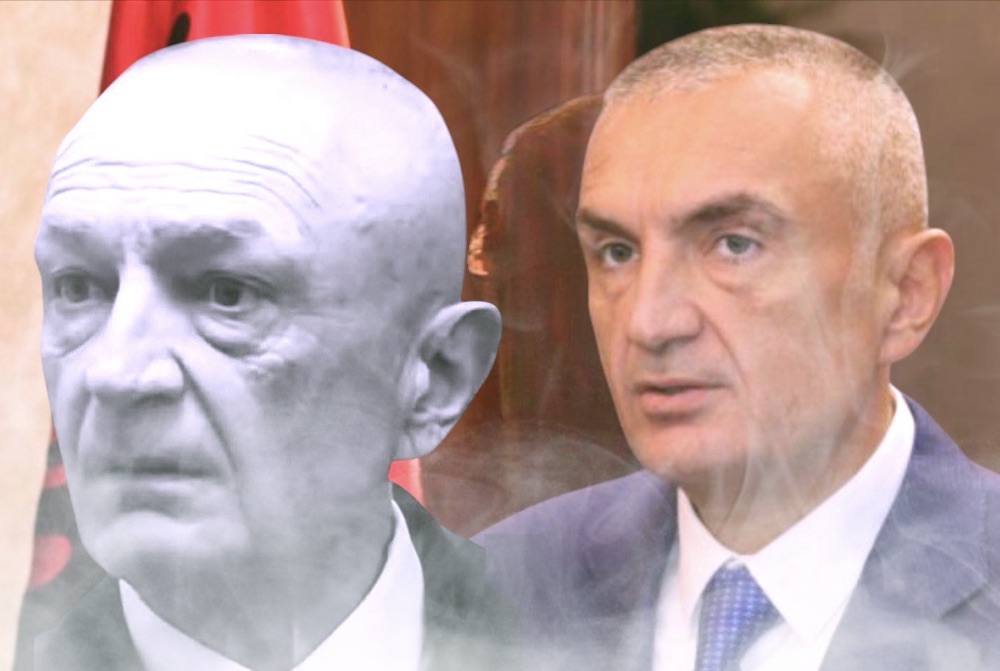
When a cell is used as a tool of pressure
When a former President of the Republic is forced to publicly denounce the conditions of his detention, the issue can no longer be seen as a mere individual case; it becomes an institutional alarm. The case of Ilir Meta cannot be treated simply as an ordinary political debate, because its scope directly touches the limits of human dignity and the standards of the rule of law.
The allegations he has raised are serious in nature: lack of basic lighting in areas such as the bathroom, alleged damage to minimal equipment for physical activity, and restrictions on ventilation and communication. These are not ordinary prison complaints; they are elements that, if proven, may constitute a form of continuous psychological pressure under the conditions of isolation.
Modern torture is not always physical. It is quieter, more sophisticated, and precisely for that reason more dangerous. It operates through isolation, deprivation, and the gradual degradation of basic living conditions, targeting not the body, but the psychological resilience of the individual.
A state that allows such conditions, or fails to investigate them with urgency and full transparency, risks sliding into a dangerous form of power, where a cell is no longer perceived as a place of security, but as a tool of pressure. And when this happens to a public figure, the message sent to society becomes even more severe: no one is truly protected from arbitrariness.
This is not an appeal for innocence, but for standards. Every detainee, regardless of name or position, has the right to treatment that respects human dignity and the fundamental guarantees of due process. When there is suspicion of violations of these standards, the response cannot be silence, but independent investigation, transparency, and institutional accountability.

Kur qelia përdoret si mjet presioni
Kur një ish-President i Republikës detyrohet të denoncojë publikisht kushtet e tij në qeli, atëherë kemi kaluar nga një çështje individuale në një alarm institucional. Rasti i Ilir Meta nuk mund të trajtohet më si debat politik i zakonshëm. Ai ka marrë përmasa që prekin vetë kufijtë e dinjitetit njerëzor.
Pretendimet e ngritura prej tij janë tronditëse në thelb: mungesë ndriçimi në ambientet bazë si tualeti, dëmtim i qëllimshëm i mjeteve minimale për aktivitet fizik, kufizime në ajrim dhe komunikim. Këto nuk janë ankesa të zakonshme burgu. Këto janë elemente që, nëse vërtetohen, përbëjnë një formë presioni të vazhdueshëm psikologjik.
Një shtet që lejon kushte të tilla—ose që nuk i heton me urgjencë—rrezikon të rrëshqasë drejt një forme të rrezikshme pushteti, ku qelia nuk është më vend sigurie, por mjet presioni. Dhe kur kjo ndodh me një figurë publike, mesazhi që i jepet shoqërisë është edhe më i rëndë: askush nuk është i mbrojtur nga arbitrariteti.
Ky nuk është një apel për pafajësi. Ky është një apel për standard. Nëse një i paraburgosur—cilido qoftë ai—pretendon se po i shkelen të drejtat themelore, përgjigjja nuk mund të jetë heshtja. Duhet hetim i pavarur, transparencë dhe përgjegjësi.


