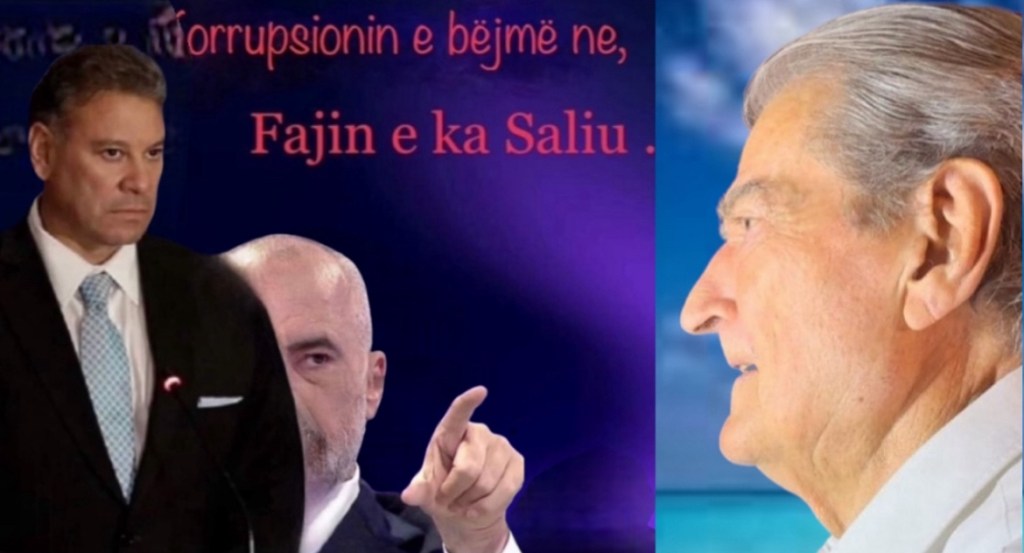
📌 Ti që bëre lojë dyfishe me “Çështjen e Detit” bashkë me Ramoviçin duke tradhtuar rëndë interesat kombëtare të shqiptarëve; 📌 Ti që shite mandatet e opozitës për bizneset e kunatit dhe vjehrrit; 📌 Ti që bëre lojë dyfishe më “21 Janar”; 📌 Ti që mbylle me procedurë “Rrugën e Kombit”;
📌 Ti që shite dhe tradhëtove gjakun e Dëshmorëve të UÇK për llogari të Serbisë si përkthyes i rremë;
📌 Ti që kujton se fëlliqësirat e Ramaformës do të mbrojnë nga korrupsioni yt dhe i familjes tënde; 📌 Ti që rrahe, helmove me gaz dhe qëllove me gurë demokratët që shkuan në selinë e tyre;
“A guy looked at my airplane the other day and said I wonder how many people I could have fed for the price of that airplane…
I replied I am not sure, it fed a lot of families at the Dassault factory where it was built. I’m sure it fed a bunch of families that rolled the aluminum at the Alcoa factory. It surely fed a lot of people at the Honeywell factory where the experts built the turbines. It fed a whole company for a few weeks when I had them build me a new interior. It feeds the families of the linemen that fuel it.
That’s the difference between capitalism and a welfare mentality. When you buy something, you put money in people’s pockets, and give them dignity for their skills.
When you give someone something for nothing, you rob them of their dignity and self worth.
Capitalism is freely giving your money in exchange for something of value.
Socialism is taking your money against your will and shoving something down your throat that you never asked for.”
ushqeu shumë familje në fabrikën Dassault ku u ndërtua.
Jam i sigurt që ushqeu një grup familjesh që rrotulluan aluminin në fabrikën Alcoa.
Me siguri ushqeu shumë njerëz në fabrikën Honeywell ku ekspertët ndërtuan turbinat.
Ajo ushqeu një kompani të tërë për disa javë kur i kërkova të më ndërtonin një brendshme të re.
Ajo ushqen familjet e linjave që e ushqejnë atë.
Ky është ndryshimi midis kapitalizmit dhe mentalitetit të mirëqenies. Kur blen diçka, i fut paratë në xhepat e njerëzve dhe i jep dinjitet për aftësitë e tyre.
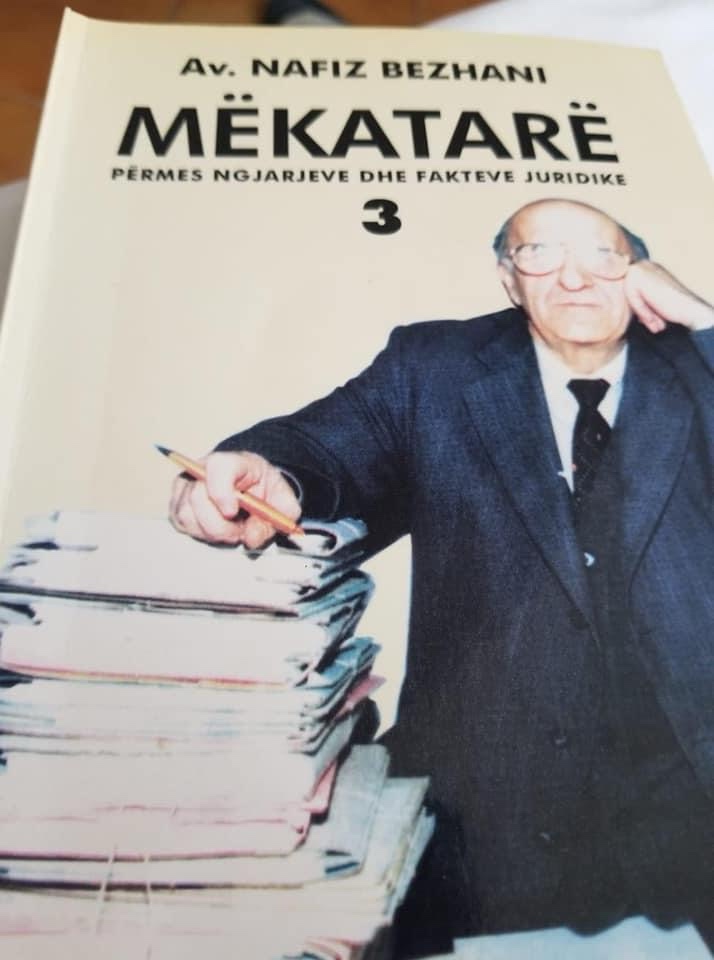
– Marrë nga Libri “Mëkatarët 3” i Av.Nafiz Bezhanit
Kur krisi monizmi ( spy -story)
Ajo që ndodhi me 12/12/1985 ishte një nga ngjarjet më të rënda që ka ndodhur gjatë gjithë kohës së regjimit monist.
Shumëkush mendonte se pas saj do të “priteshin koka sigurimsash”, por çuditërisht ndodhi ajo që nuk besohej.
Edhe pse ngjarja u krahasua me një tërmet serioz, lëkundjet ishin aq të vogla sa krijuan vetëm disa plasaritje në themelet e të ashtuquajturit pushtet popullor që për më shume se 40 vjet ishte prapaganduar si i pavdekshëm.
Por kjo krisje në themele, pa dyshim tregoi pleqërine dhe fundin e tij…
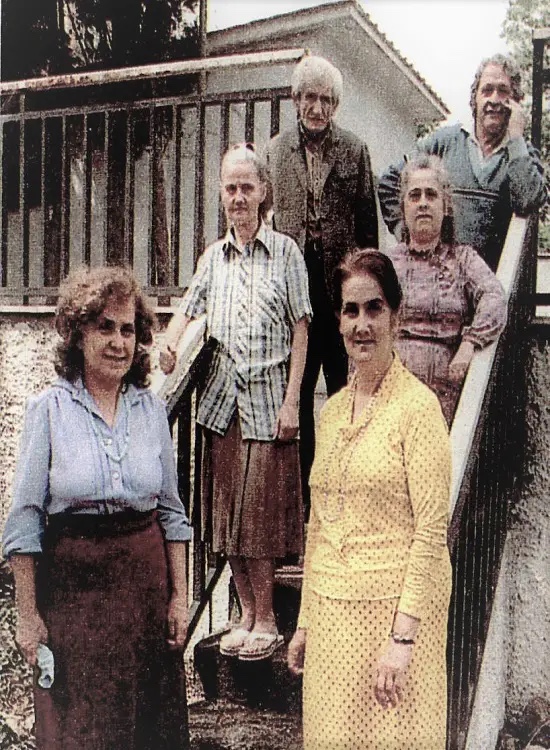
….Hyrja e Familjes Popa në Ambasadën Italiane ishte aq befasuese sa tronditi gjithë politikën shqiptare.
Familja Popa, ka qënë e cilësuar familje e deklasuar, për shkak të babait të tyre, Moisi Popa, ka qënë bashkëpuntor i fashisteve italiane, pas 7 Prillit 1939, kur italia fashiste pushtoi Shqipërine.

Si e tillë ishte degdisur në fshatin Kulle të Sukthit.

Kishte kaluar degada në gjëndje ferri dhe pa parë dritë në fund të tunelit…Pikerisht keto kushte perjetonte familja Popa ne v. 1985, në këto kushte ajo morri vendimin për tu futur në Ambasadën Italiane në Tiranë për të kërkuar strehim politik.

Dhe realizimi i kësaj ëndre u bë në mënyrë të persosur duke shkaktuar një tronditje të rënde organeve të shtetit.

Për një kohë të gjatë kjo ngjarje u bë një nga objektet me të rëndësishme të masmedias, gjithashtu një nga problemet kryesore të shtetit monist që kerkonte zgjidhje tepër tē kujdesshme.
Eshte fjala për vënien në provë të qëndrimit që do të mbahet nga shteti kundër tyre. Në rast se një ngjarje e tillë do të kishte ndodhur kur ishte gjallë Enver Hoxha, padyshim që shkelësit e ligjit do të arrestoheshin me njëherë, kudoqofshin ndoshta edhe po të rrezikoheshin mardheniet diplomatike.
Po tani? Ne qofte se shteti shqiptar do te toleroje deri në masën e bisedimeve për gjetjen e rrugëve të zgjidhjes paqësore të çështjes, pa dyshim, do të konsiderohej sukses i tyre, një provë e ndryshime në politikën shqiptare, një krisje në themelet e shtetit socialist.
…Kaloi një kohë e gjatë me diskutime e propozime nga më të ndryshmet por asnjë zgjidhje nuk u pranua nga vëllezërit Popa.
Nga italia erdhi një grup senatorësh, nga të cilët dy ishin demokristianë, një socialist, e një komunist.
Bisedimet u zhvilluan në bodrumin e Ambasadës, me qëllim që të ishin sa më të rezervuara e të sigurta.
Senatori demokristian bëri prezantimin, kur, pa mbaruar fjalë, u përgjegj Liljana (pjestare e familjes) me një italishte të përsosur:
Komunistët të dalin jashte, ato nuk duam ti dëgjojmë, per shkak se nga ato kemi vuajtur e po vuajme.
Zonjë – u përgjegj senatori demokristian,- ne kemi një grup senatoresh që përfaqësojme forcat politike të Italise, ju nuk keni të drejtë të bëni të tilla dallime.
-Zoteri,- tha ajo me ze me te vendosur,. Familja jone eshte sakrifikuar për Italinë.
Ju nuk kini të drejtë të bëni të tilla dallime, ju jeni në borxh me familjen tonë.
-Mund te jeni me te qarte ?- e pyeti Senatori.
-Natyrisht. Babai im, në v.1939 ndihmoi italianët me të gjithë fuqinë e tij ekonomike. Pikërisht për këtë po na persekutojnê komunistët.
Zonjë, babai juaj ka ndihmuar fashizmin, që është dënuar edhe në Itali, dakort? Pas këtij dialogu, gjakrat u qetësuan, por, edhe pse bisedimet vazhduan me qetësi, ato nuk dhanë asnjë përfundim. Palët kishin mbetur në pozicione të pa lëvizura. Nga njëra anë, qeveria shqiptare që e kish bëre te qartë qëndrimin e saj në deklaratën që publikoj Agjencia Telegrafike Shqiptare me 22/12/1985, sipas të cilës “6 shtetasit të kompromentuar me veprimtari antishtetrore në shërbim të një shteti të huaj… të mos mendojnë se do të dalin nga Shqipëria”…Ministri i Brendshem Hekuran Isa deklaroi se: ” edhe po të vdesin, do varrosen në krevatin e Ambadadorit Italian”. Ky ishte pra qendrimi i pa ndryshuar që kishte shteti shqiptar, ndersa nga ana tjeter kemi qendrimin e qeverisë italiane dhe të pjestarreve të familjes Popa të cilët nuk pranonin asnjë alternativë tjetër, veç paisjen me pasaporta dhe me vizën përkatëse për të gjashtë të strehuarit në ambasadën italiane. Kryeministri italian Betino Kraksi, kishte deklaruar se ishte disponibël për një zgjidhje paqësore, por në fakt , këmbëngulja e tyre, pa paraqitur alternativë të pranueshme, tregon se bisedimet kishin ngecur dhe ishin larg një zgjidhjeje paqësore…
Cilat vallë do ishte formula e zgjidhjes Paqësore të kësaj çështje?
Ndoshta, një nga zgjidhjet më shpresëdhënëse, e pranuar edhe nga liderët e shtetit shqiptar, ishte ajo e propozuar nga deputeti i zonës së Sukthit, në të cilën perfshihej edhe fshati Kulle, zoti Kristaq Rama.

Pasi morri miratimin e organeve përkatëse, ai kërkoj
të takohej personalisht me disidentët, të dëgjonte kërkesat e tyre, dhe, më në fund tu propozonte një zgjidhje të pranueshme, apo siç u shpreh vetë Ai,
e vetmja zgjidhje e pranueshme nga autoritetet shqiptare…

Deputeti, në emër të zgjedhësve të zonës së tij, do tu paraqiste atyre ofertën për tu kthyer në shtëpinë e tyre në Kullë, nën garancinë publike të deputetit, të pranuar paraprakisht nga shteti, duke garantuar të gjithë pjestarët e kësaj familje se, jo vetëm nuk do kishin ndonjë pasojë, por përkundrazi, do të kishin një trajtim më njerëzor në plotësimi e kërkesa të tyre të ligjëshme.

Ky premtim do të formalizohej me anë të një marrëveshje që do të hartohej në Ambasadën Italiane e cila do të firmosej nga Familja Popa, nga Deputeti Kristaq Rama, dhe nga Ambasadori Italian
në Tiranë.

Për të garantuar zbatimin e kësaj marrëveshje, përveç angazhimit të deputetit Rama, do ti jepeshin të drejta të posaçme diplomateve italianë të akredituar në Tiranë të shkonin sa herë ta shikonin të arsyeshme, në Familjen Popa në Kullë ose të thërrisnin cilindo pjestar të kësaj familje në Ambasadën italiane në Tiranë.

Me këtë projekt, deputeti Rama ishte entusiast dhe parashikonte zgjidhjen e këtij problemi, prandaj nuk
vonoi ti kërkonte Ambasadorit italian të jepte kontributin e tij për të arritur këtë marreveshje.
Në asnjë mënyrë! Pa mendoni pak, ku ka qënë deri më sot ky deputet?
Përse nuk na u gjend kur ne po hiqnim te “zitë e ullirit”, por na vjen sot? Ta them Unë ku ishte ai: bënte qef në rrugët e Parisit sëbashku me zonjen Nexhmije Hoxha.
Ndërsa ti më thua takohemi me të, ë? Në asnjë mënyrë!
Marre nga faqja e Ylli Dylgjeri/
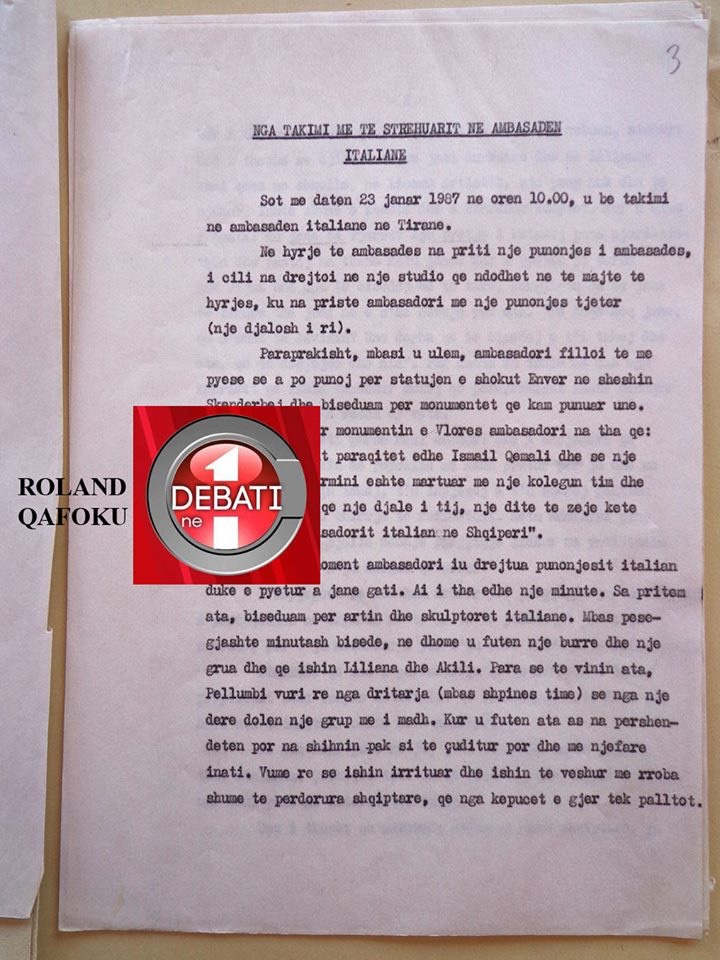
Ndërsa në emisionin e dytë të “Debati në Channel One” për këtë sezon, gazetari Roland Qafoku ka bërë një zbulim që vjen për herë të parë për opinionit publik.
Në janar të vitit 1987, Presidenti i regjimit komunist Ramiz Alia dërgoi në Ambasadën italiane për të negociuar me 2 vëllezërit dhe 4 motrat e familjes Popa që kishin kërkuar azil politik, Kristaq Ramën, babain e kryeministrit të sotëm Edi Rama.
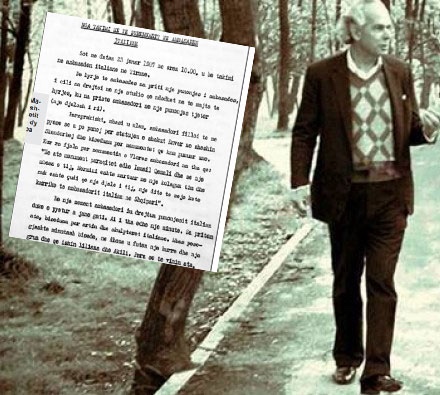
Gazetari publikoi mbrëmë të gjithë raportin që Kristaq Rama, deputet dhe anëtar i presidumit të Kuvendit Popullor hartoi për Ramiz Alinë pas takimit disa orësh me familjen Popa. Më poshtë është e zbardhur një pjesë e këtij raporti të hartuar nga Kristaq Rama.
“Sot më datë 23 janar 1987, ora 10.00 u bë takimi në Ambasadën italiane. Në hyrje të Ambasadës na priti një punonjës i Ambasadës i cili na drejtoi në një studio ku na priste Ambasadori (Claudio Gentile).
Paraprakisht, mbasi u ulëm, Ambasadori filloi të më pyesë a po punoj për statujën e shokut Enver në sheshin “Skënderbej” dhe biseduam për monumentet që kam punuar unë… Në dhomë u futën një burrë dhe një grua që ishin Akili dhe Liljana. Kur u futën ata as nuk na përshëndetën por na shihnin pak të çuditur.
Vumë re se ishin shumë të irrituar dhe ishin veshur me rroba shumë të përdorura shqiptare që nga këpucët e deri te palltot. Kur i tha Ambasadori që e njihin zotin Rama, ata e mohuan atëherë unë i thashë se njihemi se jemi durrsakë dhe me Liljanën kemi qenë në shkollë, në Liceun Artistik, ajo prapë nuk dha të njohur.
Ishte shumë e zbehtë dhe e zbardhur komplet. Kur u ulëm i thashë ku janë të tjerët?
Kjo pyetje i befasoi, panë njëri-tjetrin dhe thanë këtu janë. Kur i pyetëm përse nuk duan të vinë unë dua të bisedoj me të tërë, përgjigja qe se janë të sëmurë dhe jemi ne dhe s’ka nevojë ëpr ta.
Po kaq keq janë sa nuk mund të lëvizin? Unë desha të bisedoj dhe takoj edhe ata që të dëgjojnë edhe ata. Por dhoma ku ishim ne dhe nga karriget që ishin vendosur dukej që paraprakisht ishte menduar se ato do të ishin vetëm dy vetë.
Akili më pyeti përse kisha ardhur. Unë i shpjegova që si deputet në takim me popullin më kanë pyetur për ju dhe më kanë ngarkuar t’ju takoj tju shpjegoj dhe sqaroj pozitën tonë duke ju bërë thirrje të reflektoni. ….
Herë pas herë ata bënin këto ndërhyrje: Ne nuk kemi punë me ju. Jemi italianë se jemi në tokë italiane. Çështjen tona do ta shqyrojë OKB dhe gjyqi i Hagës.
Nuk kemi punë me autoritetet tuaja.
Unë i thashë që Ambasada është në tokë shqiptare.
Unë ju përgjigjem se ne jemi shtet sovran e i pavarur që lirinë e kemi mbrojtur gjithmonë vetë dhe asjë armik nuk na tremb. Këtë e ka treguar historia. ….Akili falenderoi Ambasadorin italian dhe u largua pa na përshëndetur. …
Ambasadori më tha se policia shqiptare nuk mund të futet në godinën e Ambasadës italiane se kjo është tokë e padhunueshme. Ai më tha se Sigurimi kishte përgjuar bisediat e tij me Popajt por unë e kundërshtova.
..Gjatë gjithë kohës Liljana fliste italisht. Gjatë gjithë kohës më drejtoheshin me fjalën Juve, qeveria juaj duke nënkuptuar që ata nuk ishin shqiptarë. Mua më thanë se i kishim burgosur, internuar dhe persekutuar. Unë iu thashë se ju nuk keni qenë as të burgosur e as të internuar dhe se lëvzinin si ju donte qefi.
I sigurova ata se nga territori shqiptar ata nuk kishin për të dalë kurrë prej andej nëpërmjet Ambasadës, por të dalin vetë dhe se do jenë të lirë.
Do përfitojnë edhe nga amnistia.
Në këtë moment Liljana nxori nga xhepi një pilulë dhe tha: Unë pi këtë dhe nuk dal prej këtej. Atëherë Akili brofi në këmbë dhe tha po atëherë përse për Aleksandër Kondon iu drejtua Gjykatës së Hagës?”
Në foto, autori i shkrimit Shefqet Meko, dhe Ladi Miminllari /
Pëllumb Seitlliun e kishte plagosur rëndë një vagon i shkëputur pabesisht.
E kishin marrëlart. E kishin nxjerrë nga errësira e nëntokës me shpresë se duke parë diellin do shpëtonte. “E shtrimë në një tavolinë druri.Kockat i ishin dërrmuar. Aty mësova se në plagosje të tilla viktima shtrihej në një vend të sheshtë… Ai përpëliste sytë. Mëshikonte mua sikur do ta shpëtoja. Ishim të gjithë rreth tij, të trembur nga ajo që kishte ndodhur, të frikur nga fati i tij…
Ai, akoma ishte me shpirt.
Nuk qeshte më. Ishte në dhimbje.
Njëçast, si nëpër filma kërkoi një krëhër të krihej për të ikur i bukur. Duart nuk i kontrollonte dot. Me sy mbytur në lot, me krëhërin pranë tha: “Amanet fëmijët.I kam të vegjël…Shumë të vegjël”.
TESTI I NËNTOKËS
-Prozë për minatorët, njerëzit që më bënë ta dua jetën ndryshe-
Ditë më parë pata një bisedë telefonike me Ladin e Blacës, siç e kemi njohur Ladi Miminllarin, djalin e qeshur, normistin e dikurshëm të minierës së qymyrgurit në Pretushë.
Në pak minuta kujtuam vite të shekullit që shkoi:punën në minierë.Ladi ka një rrëfim shpërthyes për vitet kur “puna normohej” dhe vakti “ahej me rracion”.
Ai shpesh nuk të le të flasësh, të tregon gjëra të habitshme, kapërcen temat, kthehet prap tek rrëfimi i parë dhe përsëri “ngjesh” kujtime, mbresa, çaste…Më mbeti në mendje rrëfimi i tij kur kujtonte një vdekje në minierën e qymyrgurit që lëvrinte nën fshatin tim, mbase nën themelet e shtëpisë sime të ato kohëve.
Një njeri i mrekullyeshëm, që kur isha pionier, kishim punuar bashkë në parcelat e kooperativës, Pëllumb Seitlliu,kishte fituar shansin të punonte në minierë. Ishte njeriu symbol i urtësisë dhe punës. I pafjalë.I papërtuar.
Me një vështrim ëndërrimtar dhe durimmadh. Për bashkëfshatarin që njihja, Ladi i Blacës, më rrëfente çastin dramatik: E kishte plagosur rëndë një vagon i shkëputur pabesisht. E kishin marrë lart. E kishin nxjerrë nga errësira e nëntokës me shpresë se duke parë diellin do shpëtonte. “E shtrimë në një tavolinë druri. Kockat i ishin dërrmuar. Aty mësova se në plagosje të tilla viktima shtrihej në një vend të sheshtë… Ai përpëliste sytë. Më shikonte mua sikur do ta shpëtoja. Ishim të gjithë rreth tij, të trembur nga ajo që kishte ndodhur, të frikur nga fati i tij… Ai, akoma ishte me shpirt.
Nuk qeshte më. Ishte në dhimbje.Një çast, si nëpër filma kërkoi një krëhër të krihej për të ikur i bukur.Duart nuk i kontrollonte dot.
Me sy mbytur në lot, me krëhërin pranë tha: “Amanet fëmijët.I kam të vegjël…Shumë të vegjël”.
Pëllumb Seitlliu ishte një nga viktimat që solli në bisedë Ladi i Blacës.Ai një njeri i urtë, që pushteti popullor nuk e donte. Unë e desha Pëllumbin.Ishte njeri që të bënte ta deshte.
Miniera e qymyrgurit në Pretushë, ishte edhe një “shans për të vdekur”, por që për të shkuar dhe punuar atje, bëhej luftë e madhe. Unë jam një nga ata që ëndërroja të kisha shans të punoja në minierë për “të bërë para”.
Fill pas vitit të parë në fakultet, mu dha shansi. Vetëm dy muaj.
Dy muaj punë nëntokë, për të blerë një kostum që e ëndërroja.Pas vititi të parë në shkollë ku hanim dy veta një rracion, puna në minierë më bëri me më shumë para.
Ishte “shkolla” që nuk më dha asnjë diplomë, por më testoi karakterin, më bëri ta shihja ndryshe jetën mbi tokë.Isha vetëm 20 vjeç. Kujtoj peshën e kapeles plastike në kokë, ecjen drejt errësirës, dritën mbi ballë që na bënte të dukeshim si qikllopë, zbritjen në dishezë duke u mbajtur anash në trarët e drunjtë, zbritjen në nivel, dhe lluca nën çizmet e llastikut.
Diku thellë, fillonim e shtynim vagonat bosh drejt destinacionit nga ku ktheheshim me vagona plot.
Tmerri ishte kur zvarriteshim nëpër oxhaqe ku gjuanim shtresën e zezë, si amerikanët floririn në lumenjtë e Kalifornisë.
Kurrë nuk e kuptova se sa shpejt ikte koha përballë errësirës dhe frikës nga vdekja që heshtëte mbi kokat tona.
Unë nuk isha “fronti i parë”, unë isha një ndihmësminator, një djalosh që shtyja vagonat, mblidhja qymyrn përtokë dhe mbaja paisjet e miantorëve.
Ishte natë e frikshme puna në minierë, por ishte jetë dhe britma të bukura. “U bë norma…
E tejkaluam sot”…Dhe mendja shkonte tek “dita e pagave”… 8 orë punë në minierë qymyrguri, pushimi nuk ka kuptim.
Pushimi ose pak çaste “për të marrë frymë”, ishin një hiç. Miniera është punë dhe zhurmë e nëndheshme. Hedhje minash, dhe zhurmë organellosh, lopata që lëvizin në errësirë dhe pika uji që të bjenë në fytyrë si për të ta larguar gjumin.
Miniera ishte dashuria ime e trishtë për para.Kur dilnim prej andej, ne të gjithë ishim të nxirë në fytyrë. Ne nuk njihnim njëri tjetrin. Vetëm zëri, ai na dallonte, me atë orjentoheshim. Në dalje kur shihnim dritën, diellin që lindte, ajrin e patër, freskinë e mangjezit, ndriçimin e jetës dhe gotën e ngrohtë të qumështit që servirej, thoshim “Shpëtuam edhe sot…”.
Sa më shijonte ajo gotë qumështi pluhur që na ofronte çdo mëngjez një grua zonjë, me pak flokë të thinjura dhe me rrudha të lodhura në fytyrë.
Ajo grua e mirë, vinte përditë pa zbardhur dita nga Pogradeci, dhe ngrohte qumështin për ne,punëtorët e turnit të tretë që vinim si natë nga nënëdheri, kur nata kishte ikur.
Në vinim nga nata dhe puthnim ditën,Ajo, gruaja e mirë,me ato duar që zgjateshin tërë mirësi e dashuri, me gotë qumështi, një ditë mësova se ishte mamaja e gazetares së bukur që kisha njohur në Shkodë, Zhani Shqepa…
Dy muajt e punës në minierë më bënë tjetër njeri. Në dy dekadat e para të jetës sime, unë nuk do të kisha mundur të perceptoja “peshën specifike” të jetës mbi tokë, pa ato 60 ditë pune në minierë, pa atë përballje me errësirën, lagështirën, erën e qibritit dhe “zhurmën e minjve” si vigjilencë e nëndheshme.
Puna në minierë ishte një syhapje e madhe ku të duken se geni jot pëson “mutacionin e dashurisë” për dritën dhe jetën mbi tokë, sado e vështirë qoftë…
Rrrëfimi i Ladit të Blacës, filloi më një kujtim të hidhur.
Më herët unë kisha dëshmuar se si kishte humbur jetën në po ato galeri, Zenel Jaçelli, vëllai i Baki Jaçellit, cili do na rëfente se kur i thanë se i vëllai kishte vdekur nën një bllok të zi qymyrguri, ai sikur kishte kapërcyer kodrën me një hap të madh e trishtues duke çuar lajmin e hidhur në familje.
Larg asaj miniere që tashmë është bërë strehë egërsirash të nëntokës, kujtoj ato jetë që i dhanë dimension një projekti që fillonte me shpimet gjeologjike dhe projektet inxhinjerike
Ajo minierë e la fshatin tim pa ujë, por ndërkohë përmirësoi sa e sa jetë njerëzish që punuan aty.
Ata që punonin në minierë, ato kohë ne i quanim klasa punëtore.
Ishin vërtet njerëz të një klasi të veçantë. Të dashur, bujarë, të qeshur dhe optimistë. Fshati im kishte edhe “klasë punëtore”, ndaj më frymëzonte.
Kujtoj njerëzit që i mbijetuan minierës si Ethem Jaçelli, Skënder Aliçkolli,Arefi Meko, Rexhep Aliçkolli, Bexhet Shyti,Gurali Jeçelli, Lako Aliçkolli, Zini Mu*elli etj.
Njerëzit e mirë të punës në nëntokë ishin mesazh i madh qëndrese. Miniera të bën tjetër njeri.
Ajo të “strugon” karakterin dhe të bën të çmosh çdo sekondë që jeton mbi tokë.
Njeriu i vetëm që mbeti “i sertë” gjatë punës në minierë ishte kushëriri im Kudret Meko.Kishte mbaruar shkollën gjeologji-miniera në Prrenjas dhe vitet e rinisë i la nëntokë.Kutka i Bedriut, ishte i vetmi me shkollë në familjen me shumë fëmijë, që ndërsa kthehej nga puna në thellësi të errëta, përballej në familje me dhimbjen që sjell “familja e madhe” përballë skamjes që ai nuk u kursye ta ndihmonte.
Por tekniku Kudret Meko sa i sertë dukej së largu, aq i dashur dhe i kujdeshësm ishte nëpër galeritë e errëta dhe me lagëshitrë duke kërkuar që të mos nënëvlerësohej asnjë rregull i sigurimit dhe parandalimit të askidenteve që “flinin”në errësirën e nëndheshme.
Miniera është një test jete. Ai që ka provuar punën në minierë, mbetet njeri ndryshe nga ata që nuk kanë hedhur asnjë hap drejt nëntokës.
Dy muajt e punës për “kostumin e studentit” më dhanë një tjetër shije për jetën, madje më bënë që edhe kaq larg atyre galerive të harruara dhe rrënuara, të gërmoj kujtimet e mia si himn dhe dashuri për të gjithë minatorët, jo thjesht tek ajo minierë lokale, por kudo.
Minatorët, janë pjesa më e veçantë e njerëzimit sepse ata përpiqen të sjellin dritë nga errësira e nëntokës, duke sfiduar rreziqet.
Më zhyti në kujtime një bisedë telefonike dhe më mori gjumin shtrëngata e kujtimeve qe edhe pse të hidhura, janë pjesë e jetës duke i dhënë asaj dimensionin real.
Kam dëgjuar prindër që me krenari thonë “Kush ka vajza, botën ka”.Unë, “nuk kam botën” por jam takuar me pavdekësinë duke punuar dy muaj në minierë.
Minatorët, burrat e nëntokës, janë pavdekësia e shpirit njerëzor.
Berisha clarifies that he has never met and has never known Efraim Diveroli, which he himself stated in court.
Dear friends,
In respect of public opinion, I have to reject for the umpteenth time, a slander that is repeated every time, the master thief of the renaissance is caught red-handed in the next theft!
I repeat that, in no case was there any meeting, contact or acquaintance between me and Diveroli, as claimed by the paid slanderers and Rama’s media outlets who try to serve the opinion as a new dish, a dish of broken for 16 years!
This time they tried to bring as proof of my alleged involvement in a fraud story the podcast of David Packouz convicted of fraud by US justice!
The person in question in his podcast does not for one moment claim to have met me or to have witnessed any meeting between me and Efraim Diveroli, but cites as his only source what Diveroli himself told him 16 years ago
Meanwhile, Diveroli himself (that is, the source of Packouz), before the American court and under oath has admitted not only that he never met me, but that he deliberately lied to get support and attention for his business from diplomats of his country in Tirana !
Attached is Diverol’s statement (original and translated into Albanian) in court where he publicly admits that he lied and that he never met me!
Të dashur miq,

Në respekt të opinionit publik më duhet të hedh poshtë për të disatën herë, një shpifje që risillet sa herë, kryehajduti i rilindjes kapet me presh në dorë në vjedhjen e radhës!

E përsëris që, në asnjë rast nuk ka patur as takim, as kontakt dhe as njohje, mes meje dhe Diverolit, siç pretendojnë shpifësit me pagesë dhe gavetat mediatike të Ramës që, përpiqen t’i shërbejnë opinionit si pjatë të re, një gjellë të prishur prej 16 vjetësh!

Kësaj here u përpoqën të sillnin si provë për gjoja përfshirjen time në një histori mashtrimi podcastin e David Packouz i dënuar për mashtrim nga drejtësia e SHBA!

Personi në fjalë në podcastin e tij nuk pretendon për asnjë moment se është takuar me mua apo se ka qenë dëshmitar i ndonjë takimi mes meje dhe Efraim Diverolit, por citon si të vetmin burim se çfarë ka i thënë vetë Diveroli para 16 vjetësh!

Ndërkohë vetë Diveroli (pra burimi i Packouz), para gjykatës amerikane dhe nën betim ka pranuar jo vetëm që nuk më ka takuar kurrë, por që ka gënjyer qëllimisht për të marrë mbështetje dhe vëmendje për biznesin e tij nga diplomatë të vendit të tij në Tiranë!

Për analogji është njëlloj sikur gavetat e Ramës t’ju sjellin si fakt deklaratat e Veliajt se Griseldës ja morën vërtet fëmijën e palindur sepse kështu i tha Ramës, ndonëse kjo e fundit para drejtësisë ka pranuar që ka shpikur e mashtruar!

Bashkangjitur deklaratën e Diverolit (origjinal dhe të përkthyer në shqip) në gjyq ku pranon publikisht se ka gënjyer dhe se nuk më ka takuar kurrë!
Njohja me Diverolin/ Shkëlzen Berisha: Gënjeshtrat e mediave të Ramës njëlloj si historia e Griseldës
Djali i ish-kryeministrit Berisha, Shkëlzen Berisha, ka reaguar përmes një statusi në rrjetin social Facebook për shpifjet që mediat e sponsorizuara nga Edi Rama hedhin në publik, për njohjeje mes tij dhe Diverolit, sa herë që Rama kapet në vjedhjen e radhës ndaj shqiptarëve.
Shkëlzen Berisha në reagimin e tij i krahason shpifjet me rastin e njohur të Griseldës, ish-bashkëshortja e kryebaahkiakut të Ramës në Kavajë, Elvis, Ervis…Roshi. Kohë kur mediat e Rilindjes sponsorizuan një shpije të paskrupull se gruaja shtatzënë e Roshit, Griselda ishte dhunuar barbarisht, shpifje të cilën e nisën në gjithë mediat e huaja dhe kancelaritë perëndimore.
Shkëlzen Berisha sqaron se nuk e ka takuar dhe nuk ka patur kurrë njohje me Efraim Diverolin, gjë të cilën e ka deklaruar edhe ai vetë në gjyq.
What I was afraid of the most is happening with the Democratic Party! They couldn’t get it with plan A! Plan B is now in action! They gave us the stamp and seal but they sent it to us on horseback! In reality, they have given us nothing except the horse, to which we opened the gates wide and long on December 2 of last year!
The “Trojan horse” is so large within the walls of our fortress that we no longer recognize its shape as it does not even look like a horse! We continue to be in lethargic sleep and when we wake up we won’t even recognize each other!
The doctor is being “killed” not by law, not by a boulevard fist, but by the statute of December 11!
They don’t have to spoil the embassies’ fun! They don’t even have to irritate the crowd by supporting SPAK! They are doing the easiest thing, they are gaining time! They are waiting!
In the end they will “implement” the (our) statute!
Sali Berisha will leave one day, but if he leaves in this way, he will take the DP with him and leave you in the hall to die politically like a stink!
You probably don’t understand this!
Me Partinë Demokratike po ndodh bash ajo që unë ja kisha drojën më së shumti!

Nuk e morën dot me planin A!
Tani është në veprim plani B(ashkimi)!
Na e dhanë vulën dhe siglën por na e dërguan me kalë!

Në realitet nuk na kanë dhënë asgjë përveç kalit, të cilit ja hapëm portat sa gjerë e gjatë me 2 dhjetor të vitit të kaluar!

"Kali i Trojës" është kaq i madh brenda mureve të ngrehinës tonë saqë nuk e dallojmë më formën e tij pasi nuk na duket më as si kalë!

Ne vazhdojmë të jemi në gjumin letargjik e kur të zgjohemi nuk do njohim më as njëri tjetrin!

Doktorin po e "vrasin" jo me ligj, as me grusht bulevardi por me statutin e 11 Dhjetorit!
Nuk ju kanë ngelur shumë, veç disa muaj!
Ata nuk kanë nevojë bile as të duken si mbështetës të kryetarit që s'e deshën kurrë e që është në burg/arrest të paligjshëm!

Nuk kanë pse të ju a prishin qejfin ambasadave! Bile nuk kanë pse e irritojnë turmën duke mbështetur SPAK-un!
Po bëjnë më të lehtën gjë, po fitojnë kohë!
Po presin!
...
Në fund do "zbatojnë" statutin (tonë)!

Sali Berisha do largohet një ditë por nëse largohet në këtë mënyrë do e marrë PD-në me vete e juve do ju lejë në zallë të ngordhni politikisht si qelbësira!
Këtë ndoshta nuk e kuptoni!
Janar 2023, kur mësova nga Amerika që Fred Beleri do ish kandidati i OMONIAS për bashkinë e Himarës, vendosa të vij e të ndihmoj me gjithë forcën time që Fredin ta nxirrnim fitues, por 2 ditë para zgjedhjeve të Majit 2023,
Atë e arrestojnë me pretekstin e shitblerjes se votës…një tjetër teatër ky..të gjithë e dim…ato ditët pa të na bën më të fortë e më të sigurt që fitoren e donim qoftë dhe nga burgu…dhe ashtu ndodhi…
Fredi i fitoi ato zgjedhje nga aty ku ishte…Gëzim e lumturi të papërshkruar…
Të gjithë kishim shpresa se Fredi do dilte, por jo..nuk rezultoi ashtu…atë e dënuan…një dënim politik për inate të kaluara… Pasi pash që shpresa për të dal Fredi u shua, kthehem përsëri në Uashington aty ku jetoj…
Pas një viti vendosen zgjedhje të reja…kandidati kësaj radhe, Petro Gjikuria… Jetojmë të dy në të njëjtin shtet të USA…një dhërmiotas i denjë, një biznesmen i suksesshëm..u gëzova përsëri…vendosa sërish të kthehem kësaj radhe më i fortë…edhe pse në gjendje të jashtëzakonshme, me një shtet të tërë të kapur kudo..ku servilat hajdutat dhe tradhtarët bën kërdinë e fituan bashkinë..gjë që e kuptuam…
Në fakt pak kush e di kush është ish deputeti i PD-së,-Ben nevriku i Menekshesë, i preferuari i studiove të paguara nga lekët e krimit në mbrojtje të narko-shtetit, dhe vetë kreut të tij Ramës .
E më të nis një Logori; o Stalin oi oi …
🔺Meneksheja !
Perlë origjinale nga Koço Kapia ///
Ngjarja zhvillohet në vitin 1985 në një mbledhje në zyrat e tregëtisë përballë turizmit të vjeter Pogradec .
Një ulurimë dëgjohet në sallën e mbledhjeve ku ishin drejtuar për një mbledhje punonjsit e tregëtisë , ashtu të tromaksur afrohen për të parë çpo ndodhte.
fotografia e Stalinit kishte rënë nga muri me kokë poshtë, ndërsa Meneksheja, revizorja e tregëtisë së rrethit ndukte faqet duke e puthur dhe pastruar me shamiçkën e qurreve, pa ndaluar logorinë , kush të rrëzoj nga muri o Stalin, e oi e oi …
Po veç Arben Meçes, kush tjetër e përçau më 1994:95,degën e partisë demokratike në Pogradec !?!?!?
Mallkuar qoftë dita që ju ndyrësira dhe pjesa e juaj e ndyrë, mbi shpatullat e atyre njerzve të vuajtur të sapo dalë nga diktatura shfrytëzuat, përfituat momentin dhe zutë karriget e parlamentit .
Dhe jo vetëm, por rraca e juaj e ndytë nuk ndaluat, por vazhduat misjonin e poshtër si bashkpuntorë të ish sigurimit të shtetit në goditjen e pluralizmit dhe Partisë Demokratike ndër vite.
Tani kini dalë hapur !
Lehni si qenë të rrahur studio më studio duke “harruar” apo fshehur të kaluarën tuaj më të zezë nga Zifti i rrugëve …
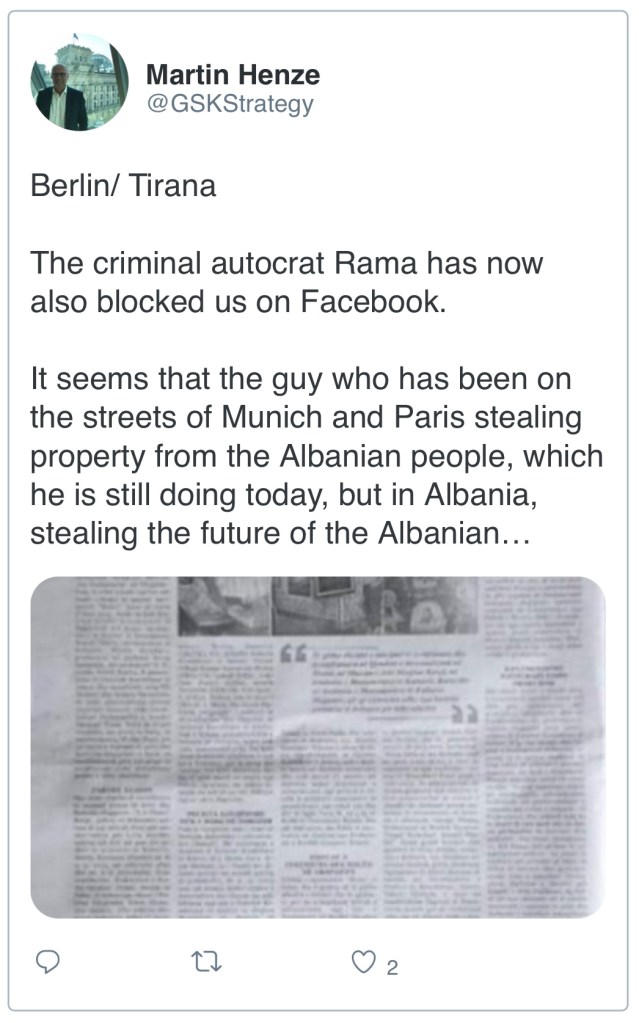
The criminal autocrat Rama has now also blocked us on Facebook.
It seems that the guy who has been on the streets of Munich and Paris stealing property from the Albanian people, which he is still doing today, but in Albania, stealing the future of the Albanian people, cannot cope with the truth.
The Albanian nation should visit him in his house.
Where is the indictment of the so-called SPAK against Rama?
Participation:
-multiple, serious electoral fraud,
-political responsibility for government corruption over the last 12 years,
-reasons in connection with the Russian “Open Balkans” project.
-the massive constitutional breach he has caused since 2018 through the dysfunctionality of the Albanian rule of law and the resulting material economic damage,
There is no evidence against Berisha, even SPAK indirectly admits that he is being held as a political prisoner
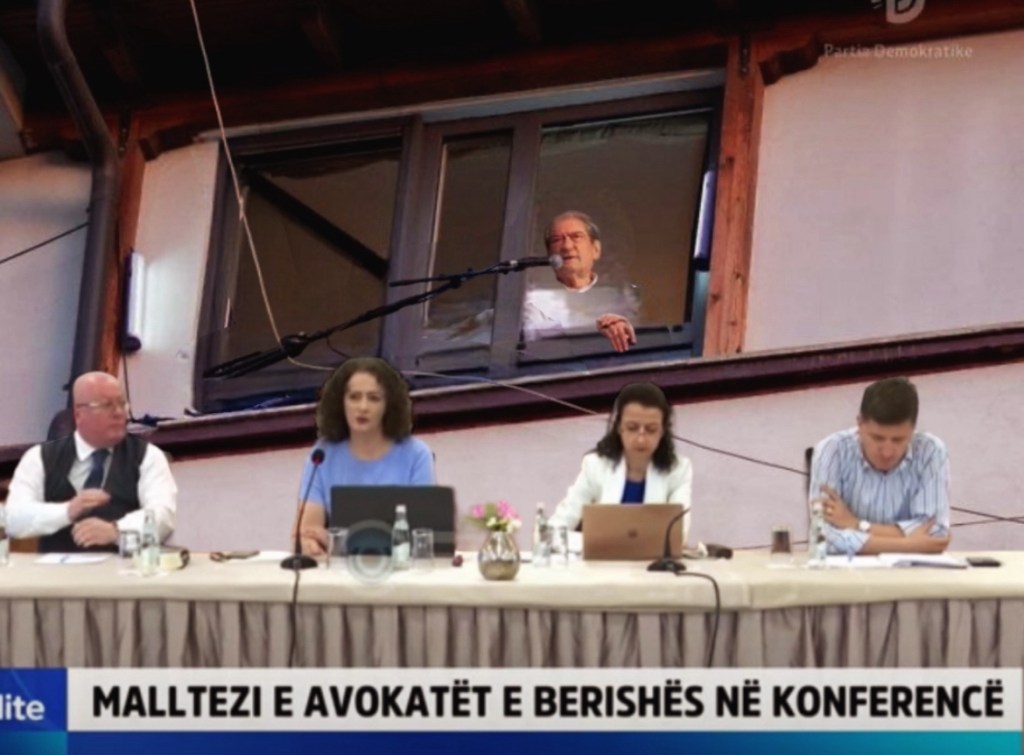
Argita Malltezi demolishes frauds:
Lawyer Argita Malltezi refuted every claim of SPAK regarding the so-called “Partizani” file.She said in a press conference that SPAK also indirectly admits that Berisha is a political prisoner.
PART OF THE STATEMENT OF MALTEZl
The other basis for which the continuation of the measure of arrest for Berisha is requested is the existence of a risk of escape In fact, in the parliament, SPAK said that the measure against Berisha is being decided because he did not respect the first measures.
Then,by political order,the dance was changed and SPAK raises this claim. There is no evidence for this.SPAK says that there is a risk of running away because they have the financial means.
That is the argument of SPAK SPAK says that the measures should be extended because the investigations are complex, but in fact the only thing that is prolonged is the fraud and concealment of documents by SPAK You heard Duman say that a property investigation is being conducted for Berisha
But the property investigation for Berisha started on day 1 of the criminal registration.
If on April 9, 2022,Rama threatened SPAK that if he did not investigate Berisha, he would say that the reform has failed, and then SPAK issued a cartoon of investigative actions. But in the file there are a lot of documents related to requests that were made to HISSH, ASHK, banks and other institutions. So it is not true that Berisha is being held under investigation because the property investigation against Berisha has now started.
No, the property investigation against Berisha started four years ago. As to why Duman is lying, that is his business. But one should not forget that public statements are related to one’s integrity as a person in the first place, then to one’s quality as a jurist A man who lies in public has no problem breaking the law in any form
A man who imprisons an innocent man has no problem at all in releasing a criminal. It is a much lesser crime to release a criminal from prison than to keep an innocent man in custody without evidence SPAK has said that the arrest should continue because there is a risk of spoiling the evidence
Apart from the fact that there is no evidence, no mention of Berisha, the only argument offered by SPAK and which the court has repeated in other decisions it has made before is that this is the pearl, they are all in unison in their findings:
Berisha he is a former prime minister, former president and currently a member of parliament and has the opportunity to spoil evidence and influence witnesses.
So, having been a figure from the highest of the state hierarchy, was a reason to put you under arrest
It is a reason to put you under arrest, when the arrest is political. When there is no evidence
They do not say that this proof or that proof exists. The court must say which evidence Berisha tried to destroy
It is said about Berisha that he is a member of parliament and can tamper with evidence.
That is, I am deciding a measure that the other is an opposition deputy. Isn’t this the perfect definition of a political prisoner according to the Council of Europe resolution of 2012?
When someone is imprisoned in violation of the fundamental guarantees of the Convention, for purely political reasons and unrelated to a criminal offense, in a discriminatory manner.
You can find all of this on every page of the Partizani club file.
Argita Malltezi rrëzon mashtrimet: Nuk ka asnjë provë kundër Berishës, edhe SPAK e pranon indirekt se po mbahet i burgosur politik
Juristja Argita Malltezi rrëzoi çdo pretendim të SPAK sa i përket të ashtuquajturës dosja ‘Partizani’. Ajo tha në një konferencë për shtyp se SPAK e pranon edhe indirekt se Berisha është një i burgosur politik.
PJESË NGA DEKLARATA E MALLTEZIT
Baza tjetër për të cilën kërkohet vijimi i masës së arrestit për Berishën është ekzistenca e rrezikut për ikjen.
Në fakt në parlament, SPAK tha se masa ndaj Berishës po vendoset se nuk ka respektuar masat e para. Më pas, me urdhër politik ndryshoi vallja dhe SPAK ngre këtë pretendim.
Asnjë provë nuk ka për këtë. SPAK thotë se ekziston rreziku i ikjes se i kanë mundësitë financiare. Kaq është argumenti i SPAK.
SPAK thotë se duhen zgjatur masat se hetimet janë komplekse, por në fakt e vetmja gjë janë të stërzgjatura janë mashtrimet dhe fshehjet e dokumenteve nga SPAK.
Ju e dëgjuat Dumanit që të thotë se po bëhet hetim pasuror për Berishën.
Por hetimi pasuror për Berishën ka nisur që në ditën 1 të regjistrimit penal.
Nëse në 9 prill të vitit 2022, Edi Rama kërcënoi SPAK se nëse nuk do hetonte Berishën, do të thoshte se reforma ka dështuar dhe më pas SPAK lëshoi një karikator veprimesh hetimore.
Por në dosje ka plot dokumente që lidhen me kërkesë që janë bërë në ISKSH, ASHK, banka dhe institucione të tjera. Pra nuk është e vërtetë që Berisha po mbahet nën hetim se paska filluar tani hetimi pasuror ndaj Berishës.
Jo, hetimi pasuror ndaj Berishës ka katër vjet që ka filluar.
Se pse gënjen Dumani, kjo është çështje e tij. Por njeriu nuk duhet të harrojë se deklaratat publike lidhen me integritetin e tij si njeri në radhë të parë, më pas me cilësinë e tij si jurist.
Një njeri që gënjen në mënyrë publike, nuk e ka problem ta shkelë ligjin në çfarëdolloj forme.
Një njeri që mban në burg një njeri të pafajshëm nuk e ka problem fare të lëshojë një kriminel. Është shumë më e vogël vepra penale e lëshimit të një krimineli nga burgu se ajo e mbajtjes së një njeriu të pafajshëm në arrest pa prova.
SPAK ka thënë se duhet të vijojë arresti se ekziston rreziku i prishjes së provave.
Përveç faktit që nuk ka asnjë provë, asnjë përmendje të Berishës, argumenti i vetëm që ofron SPAK dhe që e ka përsëritur gjykata në vendimet e tjera që ka marrë më përpara se kjo është perla, janë të gjithë në unison në gjetjet e tyre: Berisha është është ish-kryeministër, ish-president dhe aktualisht deputet dhe ka mundësi që të prishë provat dhe të influencojë dëshmitarët.
Pra, të kesh qenë një figurë nga më të lartat e hierarkisë shtetërore, qenka shkak për të të futur në arrest.
Është shkak për të të futur në arrest, atëherë kur arresti është politik. Kur nuk ka prova.
Këta nuk thonë se ekziston kjo provë apo ajo provë. Gjykata duhet të thotë se cilat prova ka tentuar të prishë Berisha. Për Malltezin nuk thuhet fare, ai qëndron në burg si shtesë. Absolutisht asnjë argument për Malltezin.
Për Berishën thuhet se ai është deputet dhe mund të prishë prova.
Dmth po vendos një masë se tjetri është deputet i opozitës. A nuk është ky definicioni perfekt i të burgosurit politik sipas rezolutës së Këshillit të Europës të vitit 2012?
Kur dikush burgoset në dhunim të garancive themelore të Konventës, për arsye të pastra politike dhe pa lidhje me një vepër penale, në mënyrë diskriminuese.
Të gjitha këto i gjeni në çdo faqe të dosjes së klubit Partizani.
Çështja bëhet akoma dhe më e ndërlikuar, pasi në inventarizimin e zërave në magazinën e këtij kombinati, është konstatuar dhe mungesa e një numri pistoletash të prodhuara pikërisht në këtë kombinat armatimi, por nuk është qartësuar në raport se sa është sasia e munguar.
Kjo situatë e krijuar brenda mureve të Uzinës, ka prodhuar dhe një çështje penale në Prokurorinë e Beratit me nr. 468 për “Shpërdorim detyre”, ku së fundi u paraqit për të dëshmuar dhe ish-ministri i Brendshëm, Bledi Çuçi, njëherësh dhe koordinatori politik i PS në Qarkun e Beratit.
Inicimi i këtij auditi ka filluar nga zërat e punonjësve të uzinës, të cilët e njohin mirë situatën dhe degradimin e kësaj uzine, ku kanë punuar për vite tëra. Por për shkak të keqmenaxhimit dhe vjedhjeve, nuk kishin mundësi të merrnin dhe pagat mujore.
Punonjësit kanë raportuar në Ministrinë e Mbrojtjes se:
“… uzina filloi të degradojë dhe punonjësit filluan të humbin shpresat sepse kryetari i Bashkisë së Poliçanit Adriatik Zotkaj, filloi të përdorte influencën e tij, duke ndikuar në emërimin e titullarëve të uzinës, ku këta të fundit kanë qenë zyrtarë të Bashkisë së Poliçanit. Nën komandën e tij, ata kontribuuan në humbjen dhe vjedhjen e uzinës…”.

Pas presionit të vazhdueshem të punonjësve të uzinës për pagat e prapambetura, dhe pas disa informacioneve për vjedhje, Ministria e Mbrojtjes fillimisht urdhëroi që drejtuesit e kombinatit të bënin një vetë-auditim.

Drejtori Arshin Tushe, i cili më parë ka qenë nënkryetar i Bashkisë së Poliçanit, ka nxjerrë urdhrin për nisjen e auditivit, por ky urdhër nuk është zbatuar pasi përgjegjësit e magazinimit të Kombinatit Mekanik Poliçan, Gazmend Mahmutaj dhe Fatos Hasa, nuk janë paraqitur në detyrë.
Nisur nga kjo situatë, Ministria e Mbrojtjes vendosi të dërgojë një grup auditi të brendshëm të nga ministria, Fiqiri Xhaferrin, Luan Kalluçin, H.Frashërin, dhe D.Turhanin, të cilët do të kryenin auditim për periudhën 1 korrik 2017 deri 30 dhjetor 2020.

Por ky afat u shty për shkakun e konstatimit të vjedhjeve nga ana e grupit të punës. Ky auditim përfundoi në 26 shkurt 2021, dhe pse u konstatuan një sërë shkeljesh të rënda si humbja e sendeve, vjedhja, shpenzime të pajustifikuara, punësime të panevojshme (në periudha zgjedhore), prokurime publike të vogla të pa autorizuara.
Dhe për pasoje të gjitha veprimet kanë çuar në një humbje prej 50,398,899.69 lekë.
Sipas raport të auditit të Ministrisë së Mbrojtjes ka rezultuar se diferenca mangët nga invemtarizimi i fundit të lëndëve të para me ngjyrë është në këtë gjendje:
“…bakër të llojeve të ndryshme, fletë bakri, shirit e tel bakri mangët 12597.6 kg,
bronz F1 të ndryshme, tel bronzi, lingota bronzi mangët 4393.3 kg dhe tunxh F1…”.
Sasia totale e lingotave bakër, bronz dhe tunxh, të vjedhura dhe më pas shituara në tregun e zi, shkon në 54 ton dhe vlera financiare në dëm ekonomik është përllogaritur paraprakisht në 62 milion lekë të vjetra.
Ilir Kushi, ky djali me rrenje te thella nga Çameria martire, sot ne mengjez me telefonoj; – kam ardhur qe mbreme ne Korçe – me tha e kam deshire te takohemi …dua te te dhuroj edhe dy librat e mij te fundit ! !
Lame vendin e takimit ; sigurisht ” Bar-Kolonja” !
U takuam tere mall…a thua se njiheshim prej vitesh …a ndoshta edhe gjaku çam qe na theret ( edhe une vet besoj se 50 % i kam rrenjet nga Çameria, perderisa gjyshja ime nga nena, vinte nga Pilkati, foshnje e vetme pa asnje njeri ; te gjithe te maskaruar e therur nga dora mizore e kriminelave grek )
E kenaqesia dyfishohet, kur edhe dy botimet e tij te fundit, ; ” Haideja , Vajza e Ali Pashe Tepelenes” dhe ” Gjuha e Dashurise “, m’i dhuroj me dedikim personal !
Ishte i shoqeruar edhe me dy shoke te tjerre … nxitonin per ne Kolonje e une s mund t ja prishja …sidomos kur behet fjale per Kolonjen !
Ritualin me domosdo; shpejt e shpejt nga nje foto me dy dhuratat e tij…u ndame si miq te mire edhe pse deshira e te dyve ishte te rinim gjate, teksa me premtoj se do te takohemi e serish ! …dhe e di qe e mban fjalen !
Mirenjohje Ilir …suksese ne udhen e bukur te krijimtarise, ku atdhedashuria spikat fund e krye, motivi jetsor i yti !
Ylli Dylgjeri/ A e ka paguar Erion Velija Halit Valterin që të godasë Blushin?
Para 101 vitesh, në shkurt 1923, (stër)gjyshi i Halit Valterit, Beqir Valteri, i bëri atentat ministrit të Brëndshëm Ahmet Zogu, teksa ai po fliste në Parlament, duke e plagosur me tre plumba.
Pas kësaj Beqiri u mbyll në WC-në e Parlamentit ku këndonte këngë patriotike. Në WC e kapi major Osman Gazepi, adjutanti i Zogut.
Kur e morën në pyetje, Beqiri i tregoi Zogut se kush e kishte paguar për atentatin dhe Zogu ja fali jetën dhe i dha një bursë për në Vjenë, ku ai u diplomua.
Miqtë e mij demokratë, antarë dhe drejtues të degëve të Partisë Demokratike në emigracion. Avni Kojeli, -Alfred Fizi,- Shkelzen Rustemaj .
Tentakulat kanceroze të mafies “sorosjano-rilindase” në pushtet, nuk veprojnë më vetëm në Shqipëri, ato janë shtrirë në të gjithë europën.
Lëvisni ; Lëvisni dhe sensibilizoni për këtë rrezik opinionin politik dhe qytetar atje ku jeni.
Asnjë gur nuk thyhet me një të goditur çekiçi, sado fuqishëm ti biesh . Por sduhet harruar, sado i fortë të jetë ai Gur një krisje do e marri …
Asnjë sfidë dhe jo më kjo “luftë” përballë Mafies nuk fitohet menjëherë, rruga e të drejtës është e gjatë por të bashkuar ajo na çon pa diskutim shpejt si popull drejt Sigurisë, drejt Fitores, drejt Lirisë,-drejt Europës .
Përballja sot është vërtet e Egër. Por ajo nuk është në fushatë elektorale, as në mes të së djathtës e të majtës. Përballja sot është mes Demokracisë dhe Mafies Sorosjane, Krimit të organizuar në pushtet .
E ndërsa sejmenët papagallë të paguar, majtas e djathtas bëjnë zhurmuesin duke lehur dhe vjellë vrer ndaj demokracisë kudo mundin, një si ata qentë e tërbuar kur ju hedhin nga një kockë,-Mafia “rilindase” në pushtet ka vënë në arrest jo vetëm liderin demokrat Sali Berishën, por Demokracinë shqiptare dhe të gjithëve neve .
Ne Mundemi ; Të gjithë së bashku ne mundemi ta thyejmë mitin e pathyeshmërisë së Mafies Sorosjane në pushtet . Ne Mundemi ; Të gjithë së bashu ne mundemi dhe duhet ta thyejmë këtë gur të rëndë që po i rëndon mbi supe jo vetëm demokratëve, por gjithë Shqipërisë dhe kombit tonë .
💎FREE BERISHA,-FREE OPPOSITION, duhet të ekspozohet jo vetëm në rruga e “Salës” në Tiranë, por edhe në rrugët dhe sheshet europiane, biles edhe brënda ambjenteve të Parlamenteve Europiane ///
Unë mundem, edhe ju mundeni, të gjithë mundemi… Dita është SOT .
On the 200th day of the political arrest, the chairman of the Democratic Party, Sali Berisha, in the speech he gave on the evening of July 19, 2024, emphasized to the citizens that the battle that is being fought against Rama is the strongest against the international mafia.
The full speech of the democratic leader Sali Berisha: The warmest greetings, the most boundless gratitude to you invincible resistance fighters.
To the brave men and women, since 200 days you have been conducting the most epic, most powerful battle on this road against the most vicious state mafia in Europe, Edi Rama and his criminal organization government.
The battle against Edi Rama is the most sacred battle that an Albanian can wage for the protection of Albanian dignity and being.
The battle against Edi Rama is the battle against a ferocious enemy that emptied Albania with lightning speed like no other invasion in its entire existence.
But the battle against Edi Rama is the battle of every citizen, regardless of his ethnicity, who believes in freedom and human dignity because Edi Rama is in fact an authentic descendant of his executioner father, his executioner uncle.
Edi Rama brought political imprisonments and arrests back to Albania. Edi Rama transformed all the powers of this country into personal powers. He established his mafia control over every power in this country.
Albanians experienced an ideological dictatorship in which the barbaric Albanian regime was supported by the communist superpowers of the time.
However, the Albanians never gave up. They filled the prisons more than any other people.
They filled the concentration camps, sacrificed for the truth and the truths they had to defend. Today we are determined to denounce any theft of Edi Rama without any price.
To denounce every crime of Edi Rama and his ministers.

Let's denounce every theft of Edi Rama's family members and his filthy soj.
To denounce any theft of his local officials and governors.

But let us also denounce every act of every international corruptocrat, whoever he is, who protects the crimes of Edi Rama by paying him.
We are defending truths, which are as much Albanian, as European, as American, as of any free country.
Because we believe that the monstrous theft of Albanian citizens should be punished with the greatest force.
We believe that the crime connections of Albanian governors are a danger not only for Albania, but also for other countries.
We believe that the terrible emptying of Albania is not in the interest of any friendly country of Albania. That is why we are not silent.
I salute your speakers, who have done the real advocacy of the political process and its breakdown. But I will remember only two things. Never, under any circumstances, in any one hundredth of a second, has it occurred to me in front of any human being to remain silent in defense of your interest. Edi Rama, after paying and bribing McGonigal and others to declare me non-grata, thought he had achieved his goal.
He forgot the power of truth and the weapon of truth. Truth is the nuclear power of a free society. Woe to those who believe they can hide the truth from a nation and a country. Therefore, after failing with his vileness, he tried with crime messengers, Duman, Kraja and Mellonai, to bring me messages that this case is being investigated.
Sali Berisha’s mouth is never closed without protecting the interests of Albanians, the national interest of Albanians, individual interests, their dignity. I have done it in your name and for you because I feel a million times obliged for the trust you have expressed in me with votes.
I did it to tell you the truth and I never dreamed that I would ever be voted for. But I believed that I had to defend my duty, to defend the truths that I had not defended.
Therefore, with this motive, the motive to protect some truths, I decided 34 years ago to oppose and confront the most brutal regime, a regime that was shooting at the border.
That decision has accompanied me all my life, it is not separated from me until the last minute. You know that I will defend the truth before anyone. The truth is God’s and I never shrink from defending it.
Today there was a session with Irena with five surnames, the delinquent Gjoka who has the impudence and impudence to remain in office when the country is in prison for breaking the law.
Today, my friends, what was the result? Edi Rama had ordered the real mercenaries to ask for the extension of the investigation.
But I must inform you and the Albanians that this is the third time that Sali Berisha’s name is not mentioned in any of the submitted documents. Because these mercenaries cannot find even 100 years if they control anything, but only blindly follow the orders of Edi Rama like mobsters, without morals, without character, like hostages.
Today I was reading the tragic story of two girls, whom Nuredin Dumani, Altin Dumani’s cousin, from the prison where he is, after threats, had planted a mine at their house. Mine to blow up two young girls. A 27-year-old man who passed there is now in critical condition
The confession of one of them brave, is the whole essence of this state. I complained to Duman of Skapi about Duman of the cell, he told me he was joking, he didn’t kill you.
I complained to the Balla police, it’s useless. And from the cell where he is, he took the time mine to blow them both up
Yesterday, our deputy asked the criminal with five surnames, Taulant Balla, shut his mouth, sewed his mouth shut this orderer of murders. Because Dumani was the killer on Suel Çela’s orders. And of Taulant Balla then.
Do you know, friends, in order not to get into this, I will tell you this that the person who has denounced more than anyone else with Suel Çela, with Safet Bajra, with Rrajat, with the great-Rrajat, is me.
Shame on you, ambassador, for not representing… you shame your country. You shame Europe.
So, my friends, I told you this example to understand what mafia we are up against. But if we don’t stay as Albanians, Albania has ended.
Albania after 60 years will be inhabited only by traffickers, by criminals. See tourism cut in half. Albania is going bankrupt, so tonight I call on every Albanian to stand up. To stand up strongly for the protection of his dignity.
For the protection of his country from this destructive Albanian and international mafia. It is up to us to take our fate into our own hands.
It is in our hands to restore the free vote to the Albanians, to restore the rotation, to restore the victory. Long live you, long live the victory. Win, win, win!
200 ditë në arrest politik, Berisha: Kurrë s’më ka shkuar mendja të hesht! Rama e harroi fuqinë që ka e vërteta!
Në ditën e 200-t, të arrestit politik, kryetari i Partisë Demokratike, Sali Berisha në fjalën që mbajti mbrëmjen e 19 korrikut 2024 për qytetarët theksoi se, beteja që po zhvillohet ndaj Ramës, është më e fuqishmja kundër mafies ndërkombëtare.
Fjala e plotë:
Berisha: Përshëndetjet më të përzemërta, mirënjohjen më të pakufishme ju qëndrestarëve të pamposhtur.
Burrave dhe grave guximtarë që prej 200 ditësh zhvilloni në këtë rrugë betejën më epike, më të fuqishme ndaj mafies më të egër shtetërore në Europë, Edi Ramës dhe qeverisë së tij organizatë kriminale.
Beteja kundër Edi Ramës është beteja më e shenjtë që një shqiptar mund të zhvillojë për mbrojtjen e dinjitetit dhe qenies shqiptare.
Beteja kundër Edi Ramës është beteja kundër një armiku të egër që zbrazi Shqipërinë me një shpejtësi të rrufeshme sa asnjë pushtim tjetër në tërë ekzistencën e saj.
Por beteja kundër Edi Ramës është beteja e cdo qytetari, pavarësisht nga etnia e tij, që i beson lirisë dhe dinjitetit njerëzor sepse Edi Rama faktohet një pasardhës autentik i babait të tij xhelat, i dajos së tij xhelat.
Edi Rama riktheu në Shqipëri burgosjet, arrestimet politike. Edi Rama shndërroi të gjitha pushtetet e këtij vende në pushtete personale. Vendosi kontrollin e tij mafioz në çdo pushtet të këtij vendi. Por kjo betejë, duhet të jemi të sinqertë, është beteja më e fuqishme që zhvillohet kundër mafies ndërkombëtare, armike e egër e betuar e Shqipërisë dhe shqiptarëve. Kundër Xhorxh Sorosit, kundër armiqve të lirisë të shqiptarëve. Kundër hajdutëve të shqiptarëve. Kundër McGonigalëve, kundër ambasadorëve që për thasët me para iu deklaronin shqiptarëve se policia, në kohën kur vendi zhytej në kanabis, ka bërë luftë të shkëlqyer kundër kanabisit. Kundër zyrtarëve të tjerë që lëshojnë deklarata të paguara në mbështetje të bosit të mafies shqiptare, Edi Ramës. Dhe që kryejnë vizita të paguara në mënyrën më të shëmtuar.
Kjo është betejë e vështirë. Shqiptarët përjetonin një diktaturë ideologjike në të cilën regjimi barbar shqiptar mbështetej nga superfuqitë komuniste të kohës. Megjithatë shqiptarët kurrë nuk u dorëzuan. Ata mbushën burgjet më shumë se çdo popull tjetër. Ata mbushën kampet e përqendrimit, sakrifikuan për të vërtetën dhe të vërtetat që duhet të mbronin. Sot ne jemi të vendosur të denoncojmë çdo vjedhje të Edi Ramës pa asnjë çmim.
Të denoncojmë çdo krim të Edi Ramës dhe ministrave të tij. Të denoncojmë çdo vjedhje të familjarëve të Edi Ramës dhe sojit të tij të fëlliqur. Të denoncojmë çdo vjedhje të zyrtarëve dhe qeveritarëve të tij vendorë. Por të denoncojmë gjithashtu çdo akt të çdo korruptokrati ndërkombëtar, cilido qoftë ai, që mbron krimet e Edi Ramës me pagesa ndaj tij.
Ne po mbrojmë të vërteta, të cilat janë aq sa shqiptare, aq europiane, aq amerikane, aq të çdo vendi të lirë. Sepse ne besojmë se vjedhja monstruoze e qytetarëve shqiptarë duhet të ndëshkohet me forcën më të madhe. Ne besojmë se lidhjet e krimit të qeveritarëve shqiptarë janë rrezik jo vetëm për Shqipërinë, por edhe për vendet e tjera.
Ne besojmë se zbrazja e tmerrshme e Shqipërisë nuk është interesi i asnjë vendi mik të Shqipërisë. Ndaj dhe ne nuk heshtim.
As 200, as 400, as 2 mijë, as 6 mijë ditë, nuk do na mposhtin ne kurrë. Së bashku do vazhdojmë luftën!
Përshëndes oratorët tuaj, të cilët kanë bërë avokatinë e vërtetë të procesit politik dhe zbërthimin e tij. Por vetëm dy gjëra do u rikujtoj. Asnjëherë, në asnjë rrethanë, në asnjë të qindtë të sekondës, nuk më ka shkuar mendja para asnjë njeriu që të hesht në mbrojtje të interesit tuaj. Edi Rama, pasi pagoi dhe korruptoi McGonigal e të tjerë për shpalljen time non-grata, mendoi se ia arriti qëllimit.
Harroi fuqinë që ka e vërteta dhe arma e të vërtetës. E vërteta është fuqia nukleare e një shoqërie të lirë. Mjerë ata që besojnë se mund t’i fshehin të vërtetat një kombi dhe një vendi. Ndaj dhe pasi mori dështimin me poshtërsitë e tij, u përpoq me mesazherë krimi, Dumanin, Krajën dhe Mellonain, të më çonin mesazhe se kjo çështje po hetohet.
Qeshja me ta. Nuk jeni asgjë tjetër veçse segmente të krimit të Edi Ramës.
Goja e Sali Berishës nuk mbyllet kurrë pa mbrojtur interesat e shqiptarëve, interesin kombëtar të shqiptarëve, interesat individuale, dinjitetin e tyre. E kam bërë atë në emër tuaj dhe për ju sepse ndjehem miliona herë i detyruar për besimin që keni shprehur ndaj meje me vota.
E kam bërë atë t’u them ju të vërtetën dhe kurrë nuk ëndërroja se ndonjëherë do votohej për mua. Por besoja se unë duhet të mbroja detyrën time, të mbroja të vërtetat që nuk kisha mbrojtur.
Ndaj dhe me këtë motiv, motiv për të mbrojtur disa të vërteta, vendosa 34 vite më parë të kundërshtoj dhe të dal përballë regjimit më të egër, një regjimi që pushkatonte në kufi.
Ai vendim më ka shoqëruar mua gjithë jetën, nuk më ndahet mua gjer në minutën e fundit. Ta dini ju se të vërtetën do e mbroj para cilitdo. E vërteta është e Zotit dhe unë nuk tërhiqem kurrë nga mbrojtja e saj.
Sot ishte një seancë me Irenën me pesë mbiemra, delinkuenten Gjoka që ka pafytyrësinë dhe paturpësinë të qëndrojnë në detyrë kur vendin e ka në burg se ka shkelur ligjin.
Sot, miqtë e mi, çfarë rezultonte? Edi Rama kishte urdhëruar mercenarët e vërtetë që të kërkojë zgjatjen e hetimit. Por duhet t’u informoj ju dhe shqiptarët se kjo është radha e tretë që në asnjë nga dokumentet e dorëzuara nuk citohet emri i Sali Berishës. Sepse këta mercenarë nuk gjejnë dot edhe 100 vjet po të kontrollojnë asgjë, por vetëm zbatojnë verbërisht si mafiozë, pa moral, pa karakter, si njerëz të marrë peng, urdhrat e Edi Ramës.
Ndaj dhe ju ftoj të vazhdojmë këtë betejë pavarësisht nga kushtet, pavarësisht nga sakrificat, por e vërteta nuk mbrohet kurrë pa sakrifica.
Sot po lexoja historinë tragjike të dy vajzave, të cilave Nuredin Dumani, kushëriri i Altin Dumanit, nga burgu ku është, pas kërcënimeve, u kishte vënë minën te shtëpia. Minën për t’i hedhur në erë dy vajza të reja. Një 27-vjeçar që kaloi aty është sot në gjendje kritike për jetën.
Rrëfimi i njërës prej tyre guximtare, është i gjithë thelbi i këtij shteti. Iu ankova Dumanit të Skapit për Dumanin e qelisë, më tha ai bënte shaka, nuk e ka me të vra ty.
U ankova tek policia e Ballës, kot i ke këto. Dhe nga qelia ku është, u çoi minën me sahat për t’i hedhur në erë të dyja.
Dje, deputeti ynë pyeti kriminelin me pesë mbiemra, Taulant Ballën, e mbylli gojën, e qepi gojën ky porositësi i vrasjeve. Sepse Dumani ishte vrasësi i porosive të Suel Çelës. Dhe të Taulant Ballës atëherë.
A e dini ju o miq, për të mos hyrë në këto, do ua tregoj këtë se njeriu që ka denoncuar më shumë se kushdo tjetër me Suel Çelën, me Safet Bajrën, me Rrajat, me stër-Rrajat, jam unë.
Kurse Alistair King-Smith ambasadori i madhërisë së tij, ka marrë shpifjen e Lulzim Bashës dhe e ka përcjellë si të vërtetë në qeverinë e tij se Berisha ka lidhje me Suel Çelën!!!
Turp të kesh o ambasador, se nuk përfaqëson… ti turpëron vendin tënd. Ti turpëron Europën.
Pra, miqtë e mi, ua thashë këtë shembull për të kuptuar se me çfarë mafie përplasemi. Po nëse ne nuk qëndrojmë si shqiptarë, Shqipëria ka marrë fund.
Shqipëria pas 60 vitesh do banohet vetëm nga trafikantë, nga kriminelë. Shikoni turizmin si është përgjysmuar. Shqipëria po falimenton, ndaj dhe i bëj thirrje sonte çdo shqiptari të ngrihet. Të ngrihet fuqishëm për mbrojtjen e dinjitetit të tij.
Për mbrojtjen e vendit të tij nga kjo mafie shkatërrimtare shqiptare dhe ndërkombëtare. Është në dorën tonë të marrim fatin në duart tona. Është në dorën tonë t’u rikthejmë shqiptarëve votën e lirë, t’u rikthejmë rotacionin, t’u rikthejmë fitoren. Rrofshi ju, rroftë fitorja. Fitore, fitore, fitore!
The problem is what will we do with the assassins who continue to kill Democracy, Pluralism and Free Speech in Albania? This is not and should not be America, the cradle of Democracy and Free Speech.
Wow!!!!!!!! I can not believe it. Actually, I don’t understand. This US Embassy in Tirana, is it really the US or Biden’s and DASH’s Sorosists?
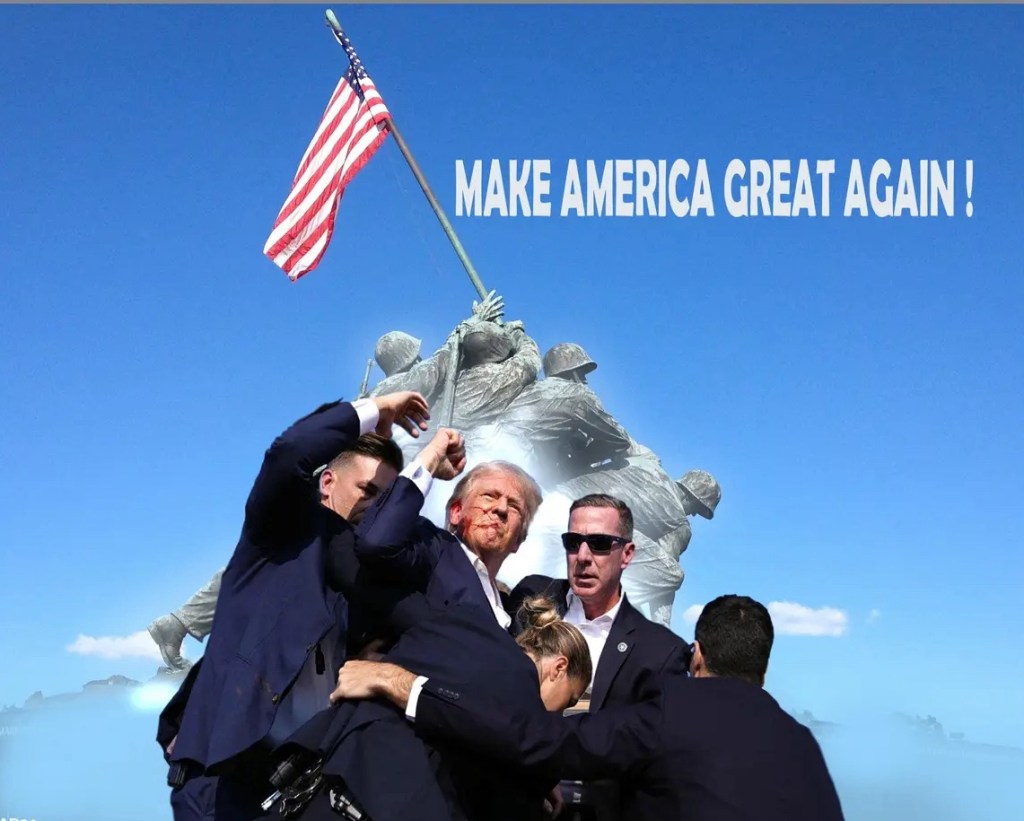
That I cannot explain how there is no reaction to the assassination of President Trump.
That’s why the “assassin” was killed. The problem is what will we do with the assassins who continue to kill Democracy, Pluralism and Free Speech in Albania?
This is not and should not be America, the cradle of Democracy and Free Speech.
This is not and should not be Rule of Law America.
This is not and should not be the America of Human Rights.
This is the America of Griselda Blanco, alias Yuri Kim, and the McGonigals to be rejected.
This is the America of captured justice and convictions by trial and rigged evidence.
Apologies to pro-Americans and Euro-Atlanticists for “insulting” America’s return to North Korea. In fact, that’s why Korean model Kim is loved.
Uau!!!!!!!!
Nuk mund t'a besoj.
Në fakt dhe nuk po e kuptoj.
Kjo Ambasada e SHBA në Tiranë, është me të vërtetë e SHBA apo e Biden dhe e Sorosistëve të DASH?

Se nuk e shpjegoj dot sesi nuk ka një reagim për atentatin ndaj Presidentit Trump.
Koha i dha të drejtë Prof. Dr. Sali Berishës dhe të gjithë ne që e mendojmë njëjtë, për të gjithë akuzat ndaj këtyre zyrtarëve të sponsorizuar nga e keqja e njerëzimit me emrin Soros.

Ndaj dhe u vra "atentatori".
Problemi është se çfarë do bëjmë me atentatorët që vijojnë të vrasin Demokracinë, Pluralizmin dhe Fjalën e Lirë në Shqipëri?
Kjo nuk është dhe nuk duhet të jetë Amerika e djepit të Demokracisë dhe Fjalës së Lirë.

Kjo nuk është dhe nuk duhet të jetë Amerika e Shtetit Ligjor të së Drejtës.
Kjo nuk është dhe nuk duhet të jetë Amerika e të Drejtave të Njeriut.
Kjo është Amerika e Griselda Blancos, alias Yuri Kim dhe e McGonigalëve që duhet refuzuar.

Kjo është Amerika e drejtësisë së kapur dhe e dënimeve me proces dhe prova të montuara keq.
E patë sa shpejt dhe njëzëri reaguan për molotovin para Bashkisë Tiranë?
Dhe kur nuk kishte asnjë të lënduar, por kishin hallin e pagatorit të tyre, banditit Veliaj.

Ndjesë ploamelikanëve dhe euloatlantistëve se i "shava" Amerikën e kthyer në Kore të Veriut.
Në fakt, prandaj pëlqehet modeli i  koreanes Kim.
Trump shkruan kështu për të shtënat në platformën e tij Truth Social:
“Dua të falënderoj Shërbimin Sekret të Shteteve të Bashkuara dhe të gjithë Forcat e Zbatimit të Ligjit, për reagimin e tyre të shpejtë ndaj të shtënave që sapo ndodhën në Butler, Pensilvani.
Është e pabesueshme që një akt i tillë mund të ndodhë në vendin tonë. Për momentin nuk dihet asgjë për sulmuesin, i cili tashmë ka vdekur.
Më qëlluan me një plumb që më shpoi pjesën e sipërme të veshit të djathtë. E kuptova menjëherë se diçka nuk shkonte në atë që dëgjova një fërshëllimë, të shtëna dhe menjëherë ndjeva plumbin të çante nëpër lëkurë.
Kishte shumë gjakderdhje, kështu që atëherë kuptova se çfarë po ndodhte.
ZOTI BEKOFTË AMERIKËN! Donald J. Trump Presidenti i 45-të i Shteteve të Bashkuara”
DONALD TRUMP ON THE SHOOTING

Trump writes like this about the shooting on his own platform Truth Social:

"I want to thank The United States Secret Service, and all of Law Enforcement, for their rapid response to the shooting that just took place in Butler, Pennsylvania.

Most importantly, I want to extend my condolences to the family of the person at the Rally who was killed, and also to the family of another person who was badly injured.

It is incredible that such an act can take place in our country. Nothing is known at this time about the shooter, who is now dead.

I was shot with a bullet that pierced the upper part of my right ear.
I knew immediately that something was wrong in that I heard a whizzing sound, shots, and immediately felt the bullet ripping through the skin.

Much bleeding took place, so I realized then what was happening.

GOOD BLESS AMERICA!
Donald J. Trump
45th President of the United States
The chairman of the Democratic Party, Sali Berisha, has made a summary of the situation and the state of the Albanian society, which is facing an existential catastrophe.
The chairman of the Democratic Party, Sali Berisha, has made a summary of the situation and the state of the Albanian society, which is facing an existential catastrophe.
Gathered today in Tirana, from the four corners of the country, from the four corners of the earth, diaspora and wherever the Albanians are.
A hearty brotherly greeting to you all.
Dear friends, the last 11 years of Edi Rama’s Renaissance have been full of pain and undeserved sacrifices for the opposition and Albania.
No Albanian, apart from the thieves and traffickers of the Renaissance, has escaped without receiving wounds in soul and mind from the decade of Edi Rama, the decade of the emptying of Albania.
These wounds will forever remain marks on those who suffered them.
For many families, this wound has been a family member who would be alive today if the corruption of the Renaissance had not washed away their medicine.
This scourge will harm the health of 47 percent of Albanian children who are malnourished, worse than those in Rwanda.
This wound will harm the 15-year-olds who, according to PISA, have descended to the end of the world for their creative thinking.
This wound was a stolen property, political lynching from work, a bankrupt farm or business, where they had invested the toil and sweat of their entire lives.
It is the wound that young people have, that despite all their sacrifices, they can’t even secure a bachelor’s degree to start their lives.
This wound is the size of the sea for Albania, which sees itself emptied in 8 years of over 1 million of its sons and daughters.
This crushing has killed their hope, extinguished all their dreams for Albania, and rightly so, how can hope be cultivated when it cannot provide the medicines to save the children or the sick parent.
When it takes 109 years to buy an apartment in Tirana.
When you cannot provide 3 meals for your child.
Therefore, the only salvation remains the mass departure from Albania.
My friends, the soft ethnic cleansing of Albania is happening, because Edi Rama set in Albania the calculable conditions for the soft mass expulsion of Albanians from their country.
VIDEO/ Berisha: Edi Rama ky antishqiptar, e do Shqipërinë pa shqiptarë! Ai tejkaloi edhe parashikimet e Çubrilloviçit
Lideri i opozitës, Sali Berisha ka akuzuar kryeministrin Edi Rama si një antishqiptar që e do Shqipërinë pa shqiptarë.

‘Edi Rama ky antishqiptar, e do Shqipërinë pa shqiptarë! Ai tejkaloi edhe parashikimet e Çubrilloviçit’, u shpreh Berisha gjatë protestës kombëtare të opozitës në Bulevardin Dëshmorët e Kombit.


Berisha: Të dashur miq, ne shqiptarët jemi një popull i vjetër evropian.


Por duhet thënë se kemi pasur dhe kemi armiq racistë ndaj kombit, po aq të egër sa ç’ishin nazistët ndaj hebrenjve.

9 dekada më parë, Çubrilloviç shkruante tezat e tij gjenocidale ndaj shqiptarëve.

I bëj thirrje çdo shqiptari t’i hedhë një sy këtij dokumenti famëzi sepse aty do zbuloni një të vërtetë shokuese.

Do shikoni se platforma e Çubrilloviçit dhe regjimi i sotëm i Edi Ramës ngjasojnë si dy pika uji.

Çubrilloviçi propozonte një metodë tinëzare, përdorimin e shtetit për t’ua nxirë jetën shqiptarëve, më taksa të larta, me polici të pashpirt, me mbylljen e shkollave, me gjoba dhe arrestime masive, me prishjen e banesave, me shndërrimin e pasurive përrallore në mallkim për qytetarët.

Por më vonë, OKB në nenin 2 konventës kundër gjenocideve, përcakton 5 lloje gjenocidi dhe njëri prej tyre është ai i kalkulimit të kushteve të jetesës që sjellin shkatërrimin e plotë osë të pjesshëm të një popullate.

Thënë këto, çdo shqiptar duhet të pranojë të vërtetën se vjedhjet e pangopura, taksat e larta, shndërrimi i votës në krim dhe krimit në votë, kanabizuimi i vendit, zëvendësimi i shtetit ligjor me narkoshtetit, lirimi i bosëve të krimit, kapja e drejtësisë, lufta ndaj opozitës së vërtetë, uria e fëmijëve shqiptarë, grabitja e ilaçeve, nuk ka qenë keqqeverisje, nuk kanë qenë rastësi, jo dhe jo.

Ato kanë qenë kushte të kalkuluara për nxirjen e jetës së shqiptarëve, me të cilat Edi Rama tejkaloi edhe parashikimet e Çubrilloviçit.

Ai arriti të nxisë emigracionin e kaq shumë shqiptarëve sa asnjë pushtues tjetër në histori nuk kishte arritur një gjë të tillë.

Ja pse Edi Rama nuk mban asnjë përgjegjësi,nuk shfaq asnjë pengesë apo shenjë dhembshurie.

Sepse Edi Rama gjithçka për të e kishte pjesë të axhendës së vet që nisi sapo mori pushtetin në vitin 2013.

Sepse Edi Rama ky antishqiptar, e do Shqipërinë pa shqiptarë. Dhe nëse ka ndonjë shqiptar që mashtrohet sot nga Rilindja se sot Shqipëria është në ditët më të mira, u them mos dëgjoni denoncimet e Sali Berishës dhe as ato të medieve ndërkombëtare, por dëgjoni ndërgjegjen dhe memorien tuaj.

Kujtoni se si vitin e parë në pushtet ai arrestoi 38 mijë shqiptarë të varfër për çështje civile dhe fill pas kësaj, realizoi kanabizimin e plotë të Shqipërisë me qëllim ndërtimin e narkoshtetit
Debati me i madh pas shpalljes se zgjedhjeve te parakohshme ne Himare ne dt 4 gusht 2024 eshte: Do fitohet Himara nga Rama apo himariotet?
Ne optiken realiste kur opozita te vendose te hyje ne kete beteje elektorale duhet ta konsideroje Himaren si “Stalingradin” e saj. Vetem duke e konsideruar keshtu Himaren opozita do te mund te jape nje shprese, ndryshe do te ishte nje hyrje ne zgjedhje me fitimtar te paracaktuar.
“Stalingradi” himariot duhet te kthehet ne ortekun e zgjimit te guximit qytetar dhe permbysjes se rregjimit.
Per mire ose per keq, nje vit me pare Himara tregoi qe Rama mund te ndalet, mund te mundet, mund t'i thuhet "Ndal" .
Do ishte e deshiruar dhe shume e mirepritur nje beteje si ajo e Stalingradit nga opozita dhe njerezit ne Himare.
Eshte nje moment kritik dhe Stalingradi shqiptar duhet te ndodhe ne Himare. O sot o kurre!

👉🏽$$$$$$$$$$$$$$$$$$$$$$$$$
Will Himara be won by Rama or the Himariots?
Kleves Bitro writes /

Stalingradi" Himariot must return to the avalanche of the awakening of citizen courage and the overthrow of the regime. For better or for worse, a year ago Himara showed that Rama can be stopped, He can, he can be told "Stop".

A battle like that of Stalingrad would be desired and very welcome by the opposition and the people in Himare.

It is a critical moment and the Albanian Stalingrad must take place in Himare.

Today or never!
The biggest debate after the announcement of early elections in Himara on August 4, 2024 is: Will Himara be won by Rama or the Himariots?

From a realistic point of view, when the opposition decides to enter this electoral battle, it should consider Himara as its "Stalingrad". Only by considering Himara in this way will the opposition be able to give hope, otherwise it would be an entry into the election with a predetermined winner.
“Stalingrad” himariot must return to the avalanche of the awakening of citizen courage and the overthrow of the regime.
For better or for worse, a year ago Himara showed that Rama can stop, he can, he can be told "Stop".
A battle like that of Stalingrad would be desired and very welcome by the opposition and the people in Himare.
The arrest was made in a cafe where it is learned that a lawyer was waiting, when BKH agents intervened to handcuff him.
The Special Prosecutor’s Office against Corruption and Organized Crime reacted to an official announcement that Sefa was considered the head of drug trafficking from Albania and Spain to Germany.
Notice:
The Special Prosecutor’s Office against Corruption and Organized Crime, based on the material referred by the Judicial Police Officers at the National Bureau of Investigation, has registered (mainly) criminal proceedings with No. 150 of 2022, for the criminal offenses “Trafficking in narcotic substances” committed in the special form of cooperation of the structured criminal group, as well as the criminal offenses “Structured criminal group” and “Commitment of criminal offenses by the criminal organization and the group of structured criminal”, provided by articles 283/a, 28 point 4, 333/a and 334 of the Criminal Code.
These investigations have been carried out in close cooperation with the German justice authorities, the investigation structures of the Criminal Police Department of the State Police, as well as the National Bureau of Investigation, for whose interests a number of important investigative actions have been undertaken.
From the acts administered for the interests of this criminal proceeding, it has emerged that the German justice authorities, more specifically the Braunscheig Prosecutor’s Office, have continued with the investigation of a group composed of several Albanian citizens, who, as part of a criminal group, during the years 2020-2021, imported into the Federal Republic of Germany, in several episodes, significant quantities of marijuana-type narcotics. The amount of narcotics was mainly provided by Albania and Spain, which, after entering the German territory, was traded in the region of Wolfsburg, Magdeburg, as well as in other countries of the European Union.
For the interests of this criminal proceeding, the acts were administered by the German and French justice authorities, where from the examination and analysis of the administered data, it became possible to identify 12 (twelve) persons out of which 8 are Albanians and 4 (four) citizens. Germans involved in illegal criminal activity in the field of drug trafficking.
During the investigations, 9 (nine) episodes were recorded and it was proven that the amount of trafficked narcotics is 912 (nine hundred and twelve) kg of marijuana, while the value of the trafficked narcotics amounts to 3,374,400 (three million three hundred and seventy thousand four hundred) euros.
In the interests of this criminal proceeding, the Special Prosecutor’s Office has requested the Special Court of First Instance for Corruption and Organized Crime, the determination of the measure of personal insurance for the person under investigation, and the court has decided to accept the request, the determination of the measure of personal security with coercive character “arrest in prison”, provided by article 238 of the Code of Criminal Procedure.
On the part of the structures of the General Directorate of the State Police and the National Bureau of Investigation, on 02.07.2024, near the SPAK premises, it became possible to execute the personal security measure “arrest in prison”. for the person under IS investigation Based on the acts and evidence administered up to this stage of the investigation, it has been proven that the arrested IS person is the leader and financier of this illegal criminal activity.
The Special Prosecutor’s Office requested the Special Court of First Instance for Corruption and Organized Crime to carry out some checks, requests which were approved by the court, and where 4 (four) court decisions were executed and implemented checks (of homes, businesses, vehicles, and people).
After the checks carried out in the Albanian territory, the following items were seized:
3,070 (three thousand and seventy) euros;
300 (three hundred) dollars;
2 (two) laptops;
4 cell phones;
1 DVR + Camera;
Various jewelry;
1 (one) Rolex brand watch
4 bags of luxury brands;
3 vehicle keys;
A BMW X5 luxury vehicle;
After the checks carried out in the German territory, the following items were seized:
1 (one) Mercedes Citan type vehicle;
3,095 (three thousand and ninety-five) euros;
2 mobile devices;
60 kg of marijuana divided into packages with the inscription “Kruja”;
Investigations continue with the administration of evidence regarding the implication of other persons suspected of being involved in this illegal criminal activity.
A special thanks goes to Eurojust, Europol, as well as the Internal Security Attaché of the German Embassy in Albania, who have supported and helped SPAK
Noka informs MP Basha that the use of symbols and assets of the Democratic Party constitutes a legal offense and will be prosecuted.
We also ask you not to use the identification symbols of the DPSH, which were abolished by the decisions of the Assembly of December 11, 2021 of the PDSH, and in public communication not to address the public as the Democratic Party of Albania for as long as you do not have any representation tager.”, – writes Noka in the letter addressed to Basha.
Sekretari i Përgjithshëm i PD letër Bashës: Zoti deputet…

Sekretari i Përgjithshëm i Partisë Demokratike, Flamur Noka, i ka nisur një letër deputetit të Kuvendit Lulzim Basha ku i shpjegon vendimin e Gjykatës për vulën dhe logon së kësaj force politike.

Noka i bën me dije deputetit Basha se përdorimi i simboleve dhe aseteve të Partisë Demokratike përbën kundravajtje ligjore dhe do të ndiqen penalisht.


“Gjithashtu kërkojmë nga ana juaj që të mos përdorni simbolet identifikuese të PDSH të cilat me vendimmarrjet e Kuvendit të 11 dhjetorit 2021 të PDSH janë shfuqizuar si dhe në komunikimin publik të mos t’i drejtoheni publikut si Partia Demokratike e Shqipërisë për sa kohë nuk keni asnjë tager përfaqësimi.”, - shkruan Noka në letrën drejtuar Bashës.
Kush ishte vllehu nga Mborja e Korçës, i lindur në Selenicë të Vlorës dhe me banim ne Fier… i rekurtuar dhe trajnuar që në bangat e shkollës në Fier.
Si u organizua “arratisja” e tij nga sigurimi i shtetit ne vitin 1957 mbas plot 1 viti stervitje, ku për tu dukur sa më e vërtetë arratisjs nga posta e gurit në devoll, ku e çuan ushtar eprorët i dhanë me vete edhe një pushkë të vjetër
Preteksi i arratisjes së tij dhënë autoriteteve greke ishte (per tu takuar me kusherinjte e tij ne greqi ) …
Dorëzimi në postën kufitare greke, çuarja në kampin e Vugacikosë, marrja në pyetje, dhe dhuna (rrahja) sistematike per dy muaj ne birucat e Kosturit.
Mospranimi i kerkesave te sherbimit sekret grek per te bashkpunuar me ta, dhe per ta rihedhur here pas here ne shqiperi per veprime në interes te tyre se bashku me nje grup tjeter nga zona e devollit dhe korces te arratisur edhe ata ne ato vite.
Në foto me ish agjentin e kundër zbulimit shqiptar në Stockholm, N/kapiteni S.T
Plotësimi i dokumentave dhe dërgimi nga amerikanet ne Stockholm.
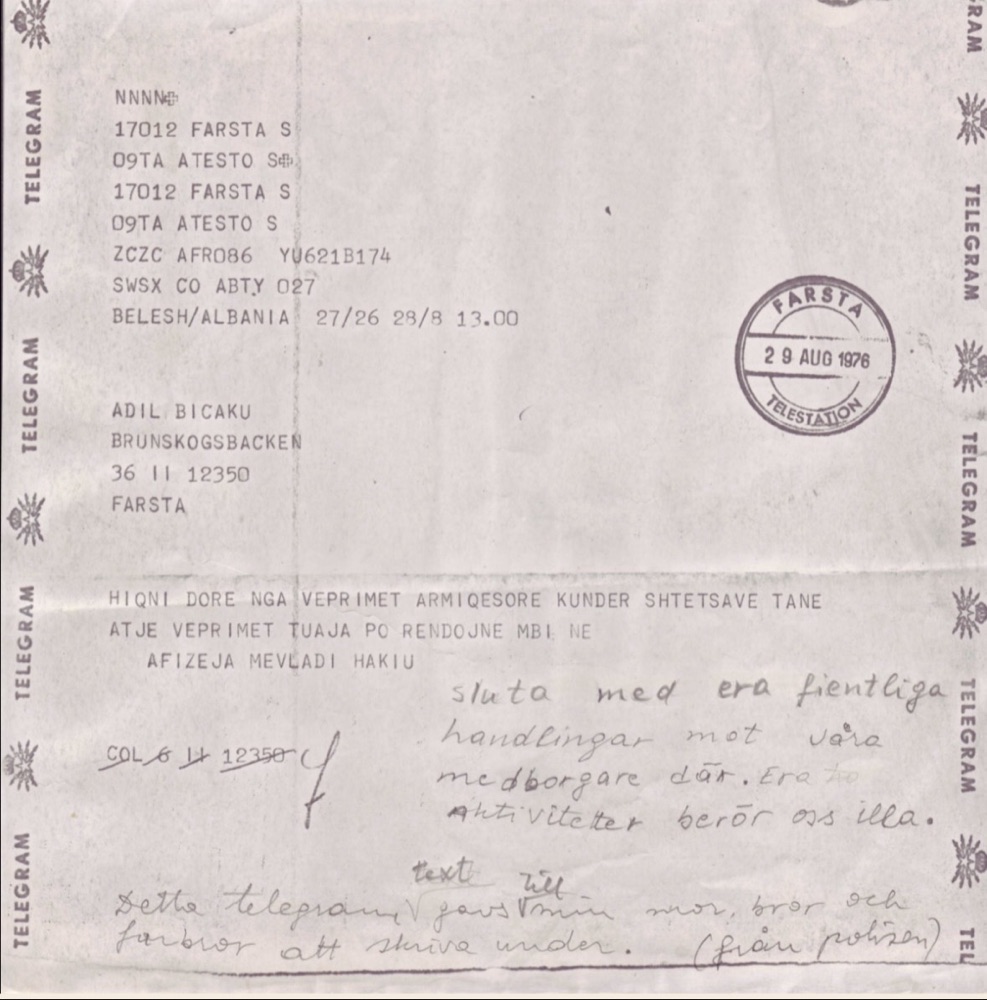
Lidhja e parë nga Suedia me zv/ministrin e sigurimit shqiptar ne adresen e personit Arben Shaka, rruga Miqesia, nr 29 Tiranë, ne vitin 1958. ( hotel i vjeter cepi i kryqezimit të rruges se Durrsit me rrugen e ambasadave )
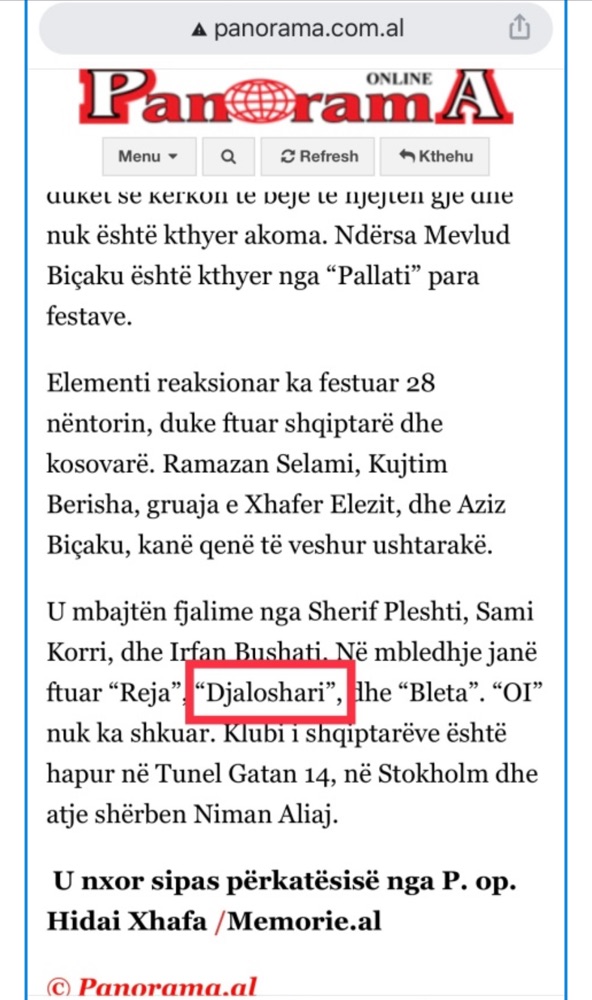
Pse Tirana ne vitin 1962 hezitonte ti pergjigjej postës së agjentit te saj “Djaloshari” ne Suedi.
Takimi dhe bashkpunimi i agjentit me shërbimet sekrete ruse ne ambasaden Ruse në Stockholm dhe kërkesa e ketij per te lajmeruar dhe lidhur me Tiranen.
Ndërmjetësimi dhe dërgimi nga ambasada Ruse i agjentit shqiptar, tek ambasada Bullgare.
Pritja dhe qëndrimi, brenda ambasades bullgare, 1 javë per te marre pergjigjen nga shqiperia.
Përgjigjia që “nuk erdhi” dhe rruga nga Stokolmi drejt Danimarkes, takimi ne tren me “perfaqsuesit e ambasades shqiptare të Gjermaninë lindore” dhe rruga drejt Shqipërisë…
Pse çdo lëvizje e tyre kontrollohej dhe miratohej nga dikush në ambasadën shqiptare ne Gjermanine Lindore ?
Kthimi ne 1962 në greqi (kete radhe me dokumenta nderkombetare të azilantit ) dhe futja nga Kosturi në Shqiperi nëpermjet vëndit te caktuar ne Trestenik.
Premtimi i pa mbajtur nga sigurimi për rikthimin e tij mbas dy vitesh shërbimi dhe këthimi përsëri në Greqi, ose përballja me 25 vite burg
Cili ishte kryetari i deges Korçë që e priti dhe e riktheu mbas dy ditësh qëndrim dhe takime ne ambjentet e degës se brendeshme korçë..
Kthimi me xhipin e degës ne oren 12 te nates në Kapshticë, përsëri ikja nëpërmjet kufirit në Greqi, mbasi u pais me rekomandimet e duhura dhe me lek, dollare (300 dollarë)
Rekomandimi i sigurimit per te qendruar dy muaj ne Athine dhe me pas nisjen per ne Suedi duke kërkuar nisjet e lidhjeve me ambasaden Shqiptare atje.
Ikja e herepas hereshe me sherbim nga Suedia me Greqi, në zonen ku ishte instaluar Brigada e Pare Greke, në Volos, dhe Kostur, Greqi në vitet 1960-61-62 deri me 1975.
I maskur si çoban dhensh zbuluesi me pseudonimin “djaloshari” arriti të zbuloje skicojë , dhe fotografojë armët dhe repartet e rëndesishme ushtarake greke dhe amerikane ne Kostur ( mali i Manjaqit ) dhe në Follorinë …
Kapja nga ushtria, dhe si shpetoj asaj si çoban, vetem nepermjet gjuhes vllehe. ku me vete kishte aparatin fotografik dhe kameren…
Largimi me 1969 drejt Australise dhe rikthimi perseri me 1973 ne Stockholm.
Largimi me 1969 drejt Australise dhe rikthimi perseri me 1973 ne Stockholm.
Incidenti në koncertin e ansamblin të shtetit ne Stockholm, perplasja me disa prej nacionalisteve te evidentuar te rrezikshem, futja ne lojë dhe perplasja e komunisteve Kubanezë me nacionalistet shqiptare ne Stockholm.
Takimet çdo muaj me sekretarin dhe shoferin e ambasades neper disa pika ne qytet.
Takimet e fundit me 1989 me sekretarin e ambasades shqiptare ne Stockholm Dervish Mero , dhe përplasja me ambasadorin shqiptar me mbiemër Karagjozi)
Ora që ju grabit nga oficeri i postës kufitare ne kethim si diversant, thirrja e oficerit ne degë, dhe takimi i dyte i tij me “diversantin” ulur ne tavoline me kryetarin e deges, kthimin e ores mbrapsh dhe kërkimi i faljes per veprimin ndaj agjentit zbulues.
Loja futboll me devollinjtë e arratisur në Kostur, dhe bashkpunimi i disa prej tyre me sigurimin e shtetit, duke u futur fshehur naten ne teritorin shqiptar.
Si arriti të mbijetojë dhe të bashkohet në Vugaciko dhe Lavrio me grupet e të arratisurve antikomunistë shqiptarë atje..
Takimi disa herë me oficerët amerikanë dhe ikja me ndimen e tyre drejt Suedisë.
Cilët ishin ballistet dhe zogistet nacionalistë të betuar si Antikomunistë.
Cili drejtonte grupin e antikomunistëve shqiptarë të arratisur të betuar deri në vdekje
Kush ishte Qemali i Bulgarecit, antikomunisti betuar deri në vdekje …
Si arriti të futet ne grupet antikomuniste deri në rrang drejtues nga Lavrio, Australi deri në Stockholm.
“Përplasja” dhe ftohja me shefat e kunderzbulimit në ambasadën shqiptare në gjermaninë lindore mbas marteses me nje vllehe greke.
“Martesa” e kunates greke me kreun e zogistëve në Australi…
Si mbanin nën vëzhgim dhe rekurtonin te arratisurit e deshperuar…
Si i u kamuflua si çoban, dhe si e shpëtoj gjuha vllahe dhe greke mbas perplasjes me ushtrinë, roli i tij si bari dhensh dhe aparati i fshehur ne trupin e deleve.
Tunelgatan 14 Stockholm, lokali ku mblidheshin dhe zhvillonin aktivitet, nacionalistet shqiptare ne Stockholm .
Rrefim S.T,-Ish Of/kundërzbulimit shqiptar me pseudonimin (Djaloshari) që punoj 35 vjet Greqi, Austri, Australi, dhe në Suedi.
Si arriti of/kunderzbulimit te zbulonte më 1956 bazat ushtarake greke në kostur dhe zonat për rreth.
Rekurtimet e ish të arratisurve.
Cili ishte personi apo zv/ministri brenshem me emrin e rremë Arben Shaka dhe adresa tek rruga e Durrsit , “Rruga Miqësia nr 21 Tiranë” me te cilen mbante lidhje postare agjenti Spiro Torre.
Ikja në Suedi me ndihmen e kolonelit Amerikan ne Lavrio, depertimi ne radhet e ish të arratisurve politikë dhe arritja jo vetëm deri ne strukturat drejtuese, por të marri dhe gradën Toger nga organizata e legalitetit në ekzil.
Kush ishte ish i arratasuri i rrezikshem Dilaveri???
Dilaveri ky i arratisuri i penduar që për Enverin në pabesi e preu në qafë në Stockholm Sherifin, ky një ballist nga Ziçishti i Devollit.
Kthimi dhe u arrestimi i Dilaverit në shqiperi duke marrë OK dhe ndërmjetësimin e ambasadës shqiptarecne Gjermaninë lindore me 2 milion Korona në xhep…
Arrestimi sapo zbriti nga trageti në Durres, marrja e lekeve nga autoritetet dhe denimi me 25 vjet po në shqipëri.
Çfarë u bë me vilën që Dilaveri i fali ambasadës shqiptare para se të këthehej në shqiperi.
A punoj per sigurimin e shtetit në burgjet shqiptare ?
Zhgënjimi dhe rikthimi në Suedi i Dilaverit mbas daljes nga Burgu.
Urrejtja e tij jo vetëm per perdorimin, nga agjentet e zbulimit dhe ambasada, por dhe për marrjen prej tyre e milionave koronave dhe kalavarin neper burgjet shqiptare deri me 1990.
Kthimi ne suedi dhe fshehja…
Kondrabanda me pijet alkolike dhe lidhjet e tij me shoferin dhe sekretarin e ambasades qe mbas 1990 u rikthye edhe njehere Ambasador…
Panorama vërteton thëniet e agjentit të kundërzbulimit shqiptar në Suedi
Qemal Panariti. Ballisti Qamil Panariti burrit që si trembej syri nga askush dhe për asgjë, a kishte ai lidhje me ish sigurimin e shtetit, dhe kush e ndimonte per ti hapur shtigjet ne hyrjet dhe daljet e tij nga kufiri shqiptar…
Familja e tij në shqipëri dhe ajo tjetra në Suedi…
Bisedë e pa imagjinueshme me ish oficerin e kunderzbulimit N/kapitenin Spiro Tore
Incidenti me asamblin e shtetit në Stockholm
Incidenti në Stokholm me Ansamblin e Shtetit
Në fillim të viteve ’70, në Stokholm mbërriti Ansambli i Këngëve dhe Valleve Popullore nga Tirana për një koncert festiv.
Ky event u kthye në arenë përplasjesh:
nacionalistët shqiptarë të arratisur kishin përgatitur pankarta dhe parulla kundër diktaturës dhe represionit ndaj familjeve të tyre në Shqipëri.
Por protesta nuk u lejua të zhvillohej.
Grupet e komunistëve kubanezë, që jetonin në Suedi dhe kishin lidhje me ambasadën shqiptare, ndërhynë me urdhër nga qendrat e tyre politike dhe u përplasën me emigrantët shqiptarë para sallës së koncertit.
“Nuk ishin vetëm shqiptarët që u përleshën atë natë. Kubanët, të ardhur për ‘ndihmë komuniste vëllazërore’, vepruan sipas udhëzimeve nga qendrat komuniste,”
— kujton agjenti Spiro Torra (“Djaloshari”).
Akuzat ndaj Adil Biçakut
Pas incidentit, ambasada shqiptare në Stokholm dhe Sigurimi i Shtetit akuzuan si organizator të revoltës nacionalistin e arratisur Adil Biçaku, një nga figurat e njohura të diasporës antikomuniste shqiptare në Suedi.
Në raportet sekrete të kohës, Biçaku përmendej si “element tepër aktiv dhe provokator ndaj përfaqësive të Republikës Popullore të Shqipërisë”.
Por presioni ndaj tij nuk u kufizua vetëm në fushën propagandistike…
Telegrami kërcënues – presioni mbi familjen në Shqipëri
Për ta kërcënuar me atë çka do i ndodhte familjes së tij në Shqipëri, Adil Biçakun, Sigurimi i Shtetit detyroi vëllain e tij që t’i dërgonte një telegram nga posta telegrafike e Belshit në Elbasan, më 29 gusht 1976.
Mesazhi, i diktuar nga oficerët e Sigurimit, i bënte thirrje të ndalonte “veprimet armiqësore kundër shtetasve tanë”, duke e kërcënuar se veprimtaria e tij “po rëndonte mbi familjen dhe nënën e tij të internuar”.
🧾 Dokument Arkivor: Telegrami kërcënues i Sigurimit të Shtetit (1976)
Teksti origjinal:
“Hiqni dorë nga veprimet armiqësore kundër shtetasve tanë.
Atje veprimet tuaja po rëndojnë mbi ne.”
Afizeja – Mevladi – Hakiu
Në anë të dokumentit, një dorëshkrim në suedisht përkthente:
“Sluta med era fientliga handlingar mot våra medborgare där. Era aktiviteter berör oss illa.”
(Ndalo veprimet tuaja armiqësore kundër bashkëqytetarëve tanë atje. Aktivitetet tuaja po na dëmtojnë.)
Dhe një shënim tjetër në fund:
“Detta telegram … min mor, bror och far blev förbjudna att skriva under. (Från polisen)”
(Ky telegram … nëna, vëllai dhe xhaxhai im u ndaluan të firmosnin. (Nga policia))
At the time of his death, he was the oldest member of the College of Cardinals, and was also the last living cardinal to have been born in the 19th century
Dom Mikeli erdhi ne kampin e internimit Gjaz (Lushnje ) ne vitin 1972,e sollen si denim prej kampit te internimit Plug mbasi thoshin se kishte pagzu nje femije.
E vendosen ne nje dhomë ,ndërsa ne dhomën ngjitur jetonin kater vetë me te meta mendore e fizike ,nuk ishin te rrezikshem,nga ndonjeherë i mbushnin uje .
Aty ndejti afer 1 vit.Pastaj e derguan ne gazermen e beqarve.
Pjesen qe i takonte e ndau me carqaf ,aty thoshte lutjet .
Dom Mikelin shpesh e shikoje me ate kostumin karakteristik te ecte ne rruge ,shkonte deri te ura ku ne kishim kufirin .
Dom Mikel Koliqi Martir i kishes katolike.
Po kthehesha nga puna i lodhur mezi terhiqja kambet ,kur ju afrova shtëpisë pashe Dom Mikelin afer shtyllës ,ishte ndalu e po ndigjonte nga autoparlanti nje pjesë muzikore klasike,une u ndala nuk mund te kaloja pa e pershendetur,mbasi mbaroj Dom Mikeli me pyeti:
-Simon a të pelqeu? A e ndigjove ? Po me pelqej.- a di çfarë pjesë ishte ? -Jo ju përgjigja. -Ajo quhet Kavaleria Rustikana e Pjer Maskanijt.
Une kam marrë pjesë në varrimin e kompozitorit.Pas kësaj bisedë të shkurtër u përshëndeta me Dom Mikelin i cili vazhdoi rrugën .
Nuk do t’a harroj kurrë ate ditë kur doli nga zyra e operativit me duert te lidhura ne moshën 77 vjeçare .
Nuk do t’a harroj kur mbesa, vajza e vllait Sokolit jo me shume se 8 vjece me lot ne sy na tha:Moren xhaxhi Dom Mikelin.
U denua me 15 vjet burg. Menduam se nuk do shihemi ma por zoti është i madh, ai i beri ato vite burgu.
ZOTI perseri te dha mundësin te shkosh ne Vatikan ku Ati i shejt PAPA Gjon Pali ju dha titullin Kardinal.
Kur erdha ne Shkodër me ju pa ju ishit ulur ne poltron duke lexu,ju nuk me njohet, pastaj ju thash se jam Simon Mirakaj,me hodhet doren ne qafe, me pyete he Simon a je martu?A ke kriju familje?Sapo kam kriju familje Dom Mikel, ai uli koken e filloi lutjet, mora bekimin prej Dom Mikelit.
Dom Mikeli mbi ato shpatulla nuk kishte vetëm kostumin e klerikut të devotshëm por kishte dhe kostumin e një kleriku shumë të kulturuar.
Gjithmone kur flisje me Dom Mikelin e shifje me një buzëqeshje të sinqert e të dashtun. Me Dom Mikelin takoheshim në cakun ku bënim Apelin,në mëngjes e në darkë.
Në pa mundësi për të qenë prezentë për shkak të një virusi ,solla ne kujtese pak rrjeshta.
Dom Mikelin e kanë mbajtur mirë njerzit e afërm.
I vinin shpesh dy motrat.
Nje herë ato kishin ardhë po ku ti çonte.Domi ishte në siklet une pa të keq i them Dom kerkoj leje ,futi një tren,Dom.Mikeli qeshi po vetë nuk po du me rrejtë,une u s’kuqa .
Dy motrat u nisën për në Lushnje ku zunë hotelin ,te nesërmen shkoj dom Mikeli mbasi mori leje nga dega e punëve të brendëshme disa orë.
Kam pasë fatin me njoft shumë nga klerikët katolikë. Të gjitha i martirizuan për fe e atdhe.
Kontaktin e pare me Dom Mikelin nga viti 1959 kur erdhi nga kampi i internimit Gradisht e çoj mesh ne Savër të mendja e puntorëve mbasi ishte marrë leje nga dega e punëve të brendëshme.
NarkoKryeministri me kryebashkiakun hajdut, betonizues dhe shkatërrues të Tiranës.
Krahas kësaj video kreu i PD-së shkruan se kolegët e SPAK-ut me urdhër të kryeministrit Edi Rama nuk e lejojnë Veliajn të dalë jashtë vendit.
“Kolegët e SPAK-ut me urdhër të Ramës nuk e lejojnë të dalë jashtë vendi.
Motivi, spiunon Ramën me keq se Arben Ahmetaj!”, shkruan Berisha.
Edhe njëherë i them jep dorëheqjen, pazarexhi i fëlliqur.
Jep dorëheqjen tregtar i të drejtës dhe ligjit.
VIDEO/ Berisha: Pasaportën e Erion Veliajt e hoqi Edi Rama që të mos spiunojë dot më në qeveritë dhe vendet e tjera
Lideri i opozitës, Sali Berisha u ndal edhe te masa e dhënë nga SPAK ndaj kryebashkiakut të Tiranës, Erion Veliaj, për bllokimin e pasaportës, lajm i cili u raportua mbrëmjen e djeshme.
‘Pasaportën e Erion Veliajt e hoqi Edi Rama vetëm e vetëm që të mos spiunojë dot më në qeveritë dhe vendet e tjera’, theksoi Berisha në tubimin qytetar që zhvillohet te ‘Rruga e Shpresës’.
Berisha: Miq, prej dje e gjer sot, Altin Zamani vazhdon pazarin me mandatet e arrestit, me mandatet e pa mandatet.
Edhe njëherë i them jep dorëheqjen, pazarexhi i fëlliqur.
Jep dorëheqjen tregtar i të drejtës dhe ligjit.
E kuptoni ju, janë arratisur me mace e me minj ata që duhej të ishin brenda sepse pasi i njofton, Dumani thotë i njoftoi gjykata.
Kurse heqja e pasaportës së Erion Veliajt është akti më cinik për opozitën shqiptare.
Është një tallje e vërtetë për opozitën shqiptare.
Pasaportën e Erion Veliajt, mos harroni se e hoqi Edi Rama vetëm e vetëm që të mos spiunojë dot më në qeveritë dhe vendet e tjera.
Hajduti duhet të nxirret të premten nga bashkia.
Për zverku, drejt në shtyllën e turpit të historisë.
Ndaj dhe le t’i themi Edi Ramës se nuk mashtron dot shqiptarët me pasaportën e turpit të Erion Veliajt.
T’i themi Zamanit se Nuredini që i shite dosjen dhe që është një serial killer në çdo variant, del më njeri se ti, pazarexhi dosjesh, njeri pa dinjitet që do dështosh me qëllim me urdhër të partisë çdo operacion.
Turpi të mbuloftë aty ku je!
Motivi, spiunon Ramën me keq se Arben Ahmetaj!”, shkruan Berisha.
Hajduti i bashkisë i quan prokurorët e SPAK, kolegë /
The head of the DP, Sali Berisha, has published on social networks the statement of the mayor Erion Veliaj when he treats SPAK prosecutors and BKH officers as colleagues.
“Kolegët e SPAK-ut me urdhër të Ramës nuk e lejojnë të dalë jashtë vendi.
The motive, is spying on Rama worse than Arben Ahmetaj!”, writes the chairman of the Democratic Party Pr. Sali Berisha.
Erion Veliaj’s passport was removed by Edi Rama alone so that he could no longer spy on governments and other countries’, Berisha emphasized at the civic gathering that takes place at “The Road of Hope”.
Berisha: Friends, from yesterday to today, Altin Zamani continues the shopping with arrest warrants, with warrants and without warrants.
Once again I say resign, you dirty shopkeeper.
The merchant of law and law resigns.
You understand, those who were supposed to be inside have escaped with cats and mice because after informing them, Dumani says the court informed them.
And the removal of Erion Veliaj’s passport is the most cynical act for the Albanian opposition.
It is a real mockery for the Albanian opposition.
Don’t forget that Erion Veliaj’s passport was removed by Edi Rama alone so that he could no longer spy on governments and other countries.
The thief must be taken out of the municipality on Friday.
By the scruff of the neck, straight into history’s pillar of shame.
So let’s tell Edi Rama that he cannot deceive Albanians with Erion Veliaj’s passport of shame.
Let’s tell Zaman that Nuredini, who sold him the file and who is a serial killer in every version, turns out to be a better man than you, a peddler of files, a person without dignity who will purposely fail every operation by order of the party.
✍🏽Martin Henze: Radio Balla, Veliaj, Tabaku, Basha, Alibeaj, në fakt flet Radio Moska….-
Miku im, Sali Berisha është kreu zyrtar i partisë sonë simotër PD dhe anëtar i Partisë Popullore Evropiane, e cila siguron edhe kryetarët e komisioneve.
Pra, jini shumë të kujdesshëm.
Në këtë aspekt, është e qartë se si qëndrojmë pas PD-së dhe si rrjedhim pas Sali Berishës, dhe vetëm nëpërmjet PD-së dhe partnerëve të saj të bashkëpunimit Shqipëria do të bëhet anëtare e BE-së.
Vetëm nëpërmjet këtij anëtarësimi do të sigurohet e ardhmja e mbarë kombit shqiptar dhe e ekonomisë shqiptare.
Në këtë drejtim, harrojeni që Shqipëria ka nevojë për njerëz që kërkojnë punë.
Shqipëria ka nevojë për drejtues të përgjegjshëm, atdhetarë me kulturë dhe me përvojë .
Jo rastësisht, siguria e Republikës së Kosovës varet edhe nga rizgjedhja e PD-së dhe rrjedhimisht e Berishës.
PD është integruesja e madhe e shqiptarëve në Ballkan, për rrugën drejt BE-së.
Radio Balla, Veliaj, Tabaku, Basha, Alibeaj, also actually, Radio Moscow speaks….-
My friend, Sali Berisha is the official leader of our sister party the DP and a member of the European People’s Party, which also provides the Commission presidents.
So, be very careful. In this respect, it is clear how we stand behind the DP and therefore behind Sali Berisha, and it is only through the DP and its co-operation partners that Albania will become a member of the EU.
Only through this membership will the future of the entire Albanian nation and the Albanian economy be secured.
In this respect, forget it. Albania needs leaders who have experience and not people who are looking for a job.
Zot ruaje Partinë Demokratike dhe Opozitën, nga “opozitarët” e rinj…..
Nga avokate Adriana Kalaja, aktiviste e shoqërisë civile ///
Ndërkohë që ne protestojmë prej 13 javësh para Bashkisë Tiranë, e sidomos sot në 40 ° temperaturë, disa “opozitarë” nuk e shohin të arsyeshme t’ë na bashkohen.
Zgjedhje e tyre.
Dikush, qëndron në shtëpi e preferon t’ë na shohë nëpërmjet kamerave.
Dikush tjetër drekon me Nikoll Lesin, duke ngrënë peshk, ndërkohë që ne hanim dhunën dhe gazin e policisë së narco shtetit.
Dikush, ka preferenca lidhur me organizatorët apo pjesëmarrësit në të.
Të tjerë, nuk vijmë se përfitojnë tendera miliona euro, vetëm se janë “opozitarë”.
Ka arsye të ndryshme, për këta “opozitarë”, por mua më shqetëson ajo që i bashkon ata.
Në një formë a tjetër, dukshëm apo fshehtas, ata më shumë meren me ne, se me ata të korruptuar dhe kriminelë që mbajnë peng institucionet tona, kundër të cilëve protestojmë ne.
Në një formë a në një tjetër, janë të njëjtët që me pult në dorë, mbase edhe me ndonjë birrë të ftohtë, na thonë “si duhet ta bëjmë protestën e si duhet të sillemi”, e pallavra të tjera si këto.
Nuk e di a e keni vënë re, por sa herë ka hall Edvini i Kristaqit, ndryshe vëllai i Olsit të Xibrakës dhe Erioni pa origjinë, këta “opozitarët” na sulen ne?
Madje duke shkelur çdo vijë etike, morali apo norme politike.
Gjithsesi, sot desha T’Ju bëj një pyetje që më mundon prej kohësh e nuk po i jap dot përgjigje…..
A mund të quhet opozitar dikush që:
1) Edvini i Kristaqit, alias vëllai i Olsit të Xibrakës e emëron në drejtësinë e “posaçme”?
2) Bashkëshorten i’a emëron në Gjykatën e Tiranës që njihet si gjykatë kariere?
3) Kanë mentor Dvoranin dhe Sokolët e partisë?
4) Janë këta mentorë që janë investuar në sistemin e drejtësisë për këta “opozitarë”?
5) Sa shohin emra avokatësh të PD apo opozitës, japin vendime kundër tyre dhe në kundërshtim me ligjin, ndryshe nga ato që i shkruajnë nëpër libra e i relatojnë nëpër konferenca?
Ma shpjegoni pak se, si opozitare që jam, për mbi 10 vite, më mbyllet çdo derë.
Se i bie që edhe librat i paskan shkruar për të fituar materialisht por jo se besojnë në to.
Kush do emrat?
Besoj se kush është avokat dhe opozitar, e kupton lehtësisht.
E keni parë si reagonin apo reagojnë kur unë kam denoncuar një mafioze si Griselda Blanco, ndryshe Yuri Kim?
Mbase e kanë pikë të dobët modelin “Griselda” që përfaqëson aq mirë bastardi Veliaj.
Janë të njëjtët që duartrokasin SPAK.
Janë të njëjtët që përfitojnë më shumë tendera se rilindasit, që nga Kunati i Lulzimit e deri te çunat e babi Lekës dhe mami Dhurit.
Janë të njëjtët që kanë frikë të flasin për arrestimin politik të Kryetarit të PDSH-së dhe Liderit të Opozitës, Prof. Dr. Sali Berisha.
Kontrollojini mediat sociale nëse do gjeni një shkrim mbështetës pro Doktor Berishës.
Pse do thoni Ju?
Se këta ploamelikanët, i tremben ndërprerjes së borderove nga pagatorët e tyre.
Kaq e thjeshtë është.
Gjithsesi, Kemi kohë plot.
Mua më shqetëson fenoneni dhe jo emrat, por edhe emrat do dalin në momentin e duhur.
Nuk ka ngut kjo punë. 😉
E ngutshme është pastrimi i Partisë Demokratike dhe opozitës nga këta “opozitarë” të cilët janë më të rrezikshëm se vetë patronazhistët.
Dhunën dhe gazin e fal, por tradhëtinë jo.
Edhe në luftë, robërit dorëzohen, ndërsa tradhëtarët, vriten.
Ndaj them: Zot ruaje Partinë Demokratike dhe Opozitën nga “opozitarët” e rinj.
PS: Më pëlqen fakti se këta “opozitarët” nuk më njohin fare dhe, nuk e dinë se si njohëse shumë e mirë e futbollit, mbrojtjen më të mirë kam kundërsulmin. 😉
Ajo që nuk përmendet është se veshja është uniformë SS. Dhe se “vendi ushtarak” është kampi i përqendrimit Ravensbrück për gratë.
Sot barakat e dobëta prej druri për të burgosurit janë zhdukur prej kohësh. Gjithçka që mbetet është një fushë e zbrazët, shkëmbore, rreth 80 km (50 milje) në veri të Berlinit.
Aty jetonin rojet femra, disa me fëmijët e tyre. Nga ballkonet mund të shikonin një pyll dhe një liqen të bukur.
“Ishte koha më e bukur e jetës sime,” tha një ish-gardiane femër, dekada më vonë.
Por nga dhomat e tyre të gjumit do të kishin parë edhe grupe të burgosurish me zinxhirë dhe oxhaqet e dhomës së gazit.
Gardianja Johanna Langefeld me djalin e saj dhe vajzën e një gardiani tjetër
Shumë vizitorë që vijnë në memorial pyesin për këto gra.
Nuk ka shumë pyetje për burrat që punojnë në këtë fushë,” thotë Andrea Genest, drejtoreshë e muzeut përkujtimor në Ravensbrück, ndërsa më tregon se ku jetonin gratë.
“Njerëzve nuk u pëlqen të mendojnë se gratë mund të jenë kaq mizore. “
Shumë nga të rejat vinin nga familje më të varfra, e lanë shkollën herët dhe kishin pak mundësi për karrierë
Një punë në një kamp përqendrimi nënkuptonte paga më të larta, strehim të rehatshëm dhe pavarësi financiare.

“Ishte më tërheqëse sesa të punoje në një fabrikë”, thotë Dr. Genest.

Shumë prej tyre ishin indoktrinuar herët në grupet naziste të të rinjve dhe besonin në ideologjinë e Hitlerit.

“Ata mendonin se po mbështesnin shoqërinë duke bërë diçka kundër armiqve të saj," tha ajo.
Kreatoriumi i kampit: vrasjet vazhduan deri në çlirim
Ferr dhe rehati në shtëpi
Brenda njërës prej shtëpive një ekspozitë e re shfaq fotot e grave në kohën e tyre të lirë. Shumica ishin në të njëzetat e tyre, të bukura me modele flokësh në modë.
Fotot i tregojnë ata duke buzëqeshur teksa pinë kafe dhe kek në shtëpi. Ose duke qeshur, krahët e lidhur, ndërsa shkojnë për shëtitje në pyllin aty pranë me qentë e tyre.
Selma punoi nën tokë në Holandën e pushtuar nga nazistët dhe me guxim ndihmoi familjet hebreje të arratiseshin.
Në shtator ajo botoi një libër në Mbretërinë e Bashkuar për përvojat e saj, Emri im është Selma.
Këtë vit do të dalë në vende të tjera, përfshirë Gjermaninë.
Prindërit dhe motra adoleshente e Selmës u vranë në kampe dhe pothuajse çdo vit ajo kthehet në Ravensbrück për të marrë pjesë në ngjarje për të siguruar që krimet e kryera këtu të mos harrohen.
Ravensbrück ishte kampi më i madh i Gjermanisë naziste vetëm për femra. Më shumë se 120,000 gra nga e gjithë Evropa u burgosën këtu.
Shumë prej tyre ishin luftëtarë të rezistencës ose kundërshtarë politikë. Të tjerët u konsideruan “të papërshtatshëm” për shoqërinë naziste: hebrenjtë, lezbiket, punonjëset e seksit ose gratë e pastreha.
Të paktën 30,000 gra vdiqën këtu. Disa u goditën me gaz ose u varën, të tjerët vdiqën nga uria, vdiqën nga sëmundjet ose punuan deri në vdekje.
Ato u trajtuan brutalisht nga shumë prej gardianeve femra – të rrahura, torturuara ose të vrarë. Të burgosurit u dhanë pseudonime, si “Brygyda e përgjakur” ose “Revolver Anna”.
Pas luftës, gjatë gjyqeve naziste për krimet e luftës në vitin 1945, Irma Grese u quajt “bisha e bukur” nga shtypi.
E re, tërheqëse dhe bjonde, ajo u shpall fajtore për vrasje dhe u dënua me vdekje me varje.
Klisheja e gruas bjonde, sadiste me uniformë SS më vonë u bë një figurë kulti e seksualizuar në filma dhe komike.
Por nga mijëra gra që punonin si roje SS, vetëm 77 u sollën në gjyq.
Dhe shumë pak u dënuan në të vërtetë.
Shefi i SS Heinrich Himmler viziton Ravensbrück (janar 1941)
By Damien McGuinness
BBC News, Ravensbrück, Germany
Ata e portretizuan veten si ndihmës injorantë – gjë që bëhet lehtësisht në Gjermaninë Perëndimore patriarkale të pasluftës.
Shumica nuk folën kurrë për të kaluarën.
Ata u martuan, ndryshuan emrat dhe u zbehën në shoqëri.
Një grua, Herta Bothe, e cila u burgos për akte të tmerrshme dhune, foli më vonë publikisht.
Herta Bothe
Ajo u fal nga britanikët, pas vetëm disa vitesh burg.
Në një intervistë të rrallë, të regjistruar në vitin 1999 pak para se të vdiste, ajo mbeti e papenduar.
“A kam bërë një gabim?
Herta Bothe
Jo. Gabimi ishte se ishte një kamp përqendrimi, por unë duhej të shkoja në të, përndryshe do të isha futur vetë në të. Ky ishte gabimi im.”
Herta Bothe
Ky ishte një justifikim që ish-gardianët e jepnin shpesh.
Por nuk ishte e vërtetë.
Të dhënat tregojnë se disa rekrutë të rinj u larguan nga Ravensbrück sapo e kuptuan se çfarë përfshinte puna. Ata u lejuan të shkonin dhe nuk pësuan pasoja negative.
E pyes Selmën nëse ajo mendon se rojet ishin monstra djallëzore.
“Unë mendoj se ato ishin gra të zakonshme që bënin gjëra djallëzore.
Mendoj se është e mundur me shumë njerëz, madje edhe në Angli.
Mendoj se kjo mund të ndodhë kudo.
Mund të ndodhë këtu nëse lejohet.”
Është një mësim drithërues për sot, beson ajo.
Pavarësisht krimeve të tmerrshme, pak nga gratë gardiane SS u dënuan pas luftës
Që nga lufta, rojet femra të SS janë fiksionalizuar në libra dhe filma. Më i famshmi ka qenë The Reader, një roman gjerman që më vonë u bë një film me Kate Winslet.
Një portë e Sobibor thotë “SS Sonderkommando” – emri për njësitë speciale të kampeve të vdekjes
Nazi Ravensbrück camp: How ordinary women became SS torturers
Image caption, Female guards at Ravensbrück (picture taken about 1940)
“Healthy, female workers between the ages of 20 and 40 wanted for a military site,” reads the job advertisement from a 1944 German newspaper. Good wages and free board, accommodation and clothing are promised.
What is not mentioned is that the clothing is an SS uniform. And that the “military site” is Ravensbrück concentration camp for women.
Today the flimsy wooden barracks for the prisoners are long gone. All that remains is an eerily empty, rocky field, about 80km (50 miles) north of Berlin.
Image caption, View of Ravensbrück in 1945
But still standing are eight solidly built, attractive villas with wooden shutters and balconies. They are a 1940s Nazi version of medieval German cottages.
That is where the female guards lived, some with their children. From the balconies they could overlook a forest and a pretty lake. “It was the most beautiful time of my life,” said one former female guard, decades later.
But from their bedrooms they would have also seen chain-gangs of prisoners and the chimneys of the gas chamber.
Image caption, Guard Johanna Langefeld with her son and another guard’s daughter
“A lot of visitors coming to the memorial ask about these women. There are not so many questions about men working in this field,” says Andrea Genest, director of the memorial museum at Ravensbrück, as she shows me where the women lived. “People don’t like to think that women can be so cruel.”
Many of the young women came from poorer families, left school early and had few career opportunities.
A job at a concentration camp meant higher wages, comfortable accommodation and financial independence. “It was more attractive than working in a factory,” says Dr Genest.
Many had been indoctrinated early in Nazi youth groups and believed in Hitler’s ideology. “They felt they were supporting society by doing something against its enemies,” she said.
Image caption, The camp crematorium: murders continued right up to liberation
Hell and home comforts
Inside one of the houses a new exhibition displays photos of the women in their spare time. Most were in their twenties, pretty with fashionable hairstyles.
The pictures show them smiling while having coffee and cake at home. Or laughing, arms linked, as they go for walks in the nearby forest with their dogs.
Image caption, A Christmas table card for SS guard Anna Enserer
The scenes look innocent – until you notice the SS insignia on the women’s clothes, and you remember that those same Alsatian dogs were used to torment people in the concentration camps.
Some 3,500 women worked as Nazi concentration camp guards, and all of them started out at Ravensbrück. Many later worked in death camps such as Auschwitz-Birkenau or Bergen-Belsen.
Image caption, Liberation of Ravensbrück, 30 March 1945
“They were awful people,” 98-year-old Selma van de Perre tells me on the phone from her home in London. She was a Dutch Jewish resistance fighter who was imprisoned in Ravensbrück as a political prisoner.
“They liked it probably because it gave them power. It gave them lots of power over the prisoners. Some prisoners were very badly treated. Beaten.”
Selma worked underground in the Nazi-occupied Netherlands and bravely helped Jewish families escape. In September she published a book in the UK about her experiences, My Name Is Selma. This year it will be released in other countries, including Germany.
Selma’s parents and teenage sister were killed in the camps, and almost every year she returns to Ravensbrück to take part in events to ensure the crimes committed here are not forgotten.
Ravensbrück was Nazi Germany’s largest female-only camp. More than 120,000 women from all over Europe were imprisoned here. Many were resistance fighters or political opponents. Others were deemed “unfit” for Nazi society: Jews, lesbians, sex workers or homeless women.
At least 30,000 women died here. Some were gassed or hanged, others starved, died of disease or were worked to death.
They were treated brutally by many of the female guards – beaten, tortured or murdered. The prisoners gave them nicknames, such as “bloody Brygyda” or “revolver Anna”.
After the war, during the Nazi war crimes trials in 1945, Irma Grese was dubbed the “beautiful beast” by the press. Young, attractive and blonde, she was found guilty of murder and sentenced to death by hanging.
The cliche of the blonde, sadistic woman in an SS uniform later became a sexualised cult figure in films and comics.
But out of thousands of women who worked as SS guards, only 77 were brought to trial. And very few were actually convicted.
Image caption, SS chief Heinrich Himmler visiting Ravensbrück (Jan 1941)
They portrayed themselves as ignorant helpers – easily done in patriarchal post-war West Germany. Most never talked about the past. They got married, changed their names and faded into society.
One woman, Herta Bothe, who was jailed for horrendous acts of violence, did later speak publicly. She was pardoned by the British, after just a few years in prison. In a rare interview, recorded in 1999 just before she died, she remained unrepentant.
“Did I make a mistake? No. The mistake was that it was a concentration camp, but I had to go to it, otherwise I would have been put into it myself. That was my mistake.”
That was an excuse former guards often gave. But it was not true. Records show that some new recruits did leave Ravensbrück as soon as they realised what the job involved. They were allowed to go and did not suffer negative consequences.
I ask Selma if she thinks the guards were diabolical monsters. “I think they were ordinary women doing diabolical things. I think it’s possible with loads of people, even in England. I think that can happen anywhere. It can happen here if it’s allowed.”
It’s a chilling lesson for today, she believes.
Image caption, Despite horrific crimes, few of the women guards were convicted after the war
Since the war female SS guards have been fictionalised in books and films. The most famous has been The Reader, a German novel that later became a film starring Kate Winslet.
Sometimes the women are portrayed as exploited victims. At other times as sadistic monsters.
The truth is more horrifying. They were not extraordinary monsters, but rather ordinary women, who ended up doing monstrous things
Xhepa të thellë: 1) narkoshteti i parë në Europë, ku kryeministri akuzohet nga zëvendësi i tij se kryen takime në zyrën e tij me krerët e bandave kriminale, ku shefat e policisë koordinojnë me krimin e organizuar për urdhërimin e vrasjeve.
2) ku kartelit të drogës Sinaloa i jepet licenca e kazinosë, ku krerët e krimit të organizuar marrin statusin e “investitorit strategjik”.
3) Kryeministri dhe këshilltarët e tij të korruptuar agjentë kryesorë të inteligjencës nga Charles McGonigal i FBI-së, deri te gjenerali rumun Coldea, etj.
Një rrugë në Podujevë do të marrë emrin e ish-eurodeputetes Doris Pack
Komuna e Podujevës ka njoftuar se do ta emërtojë një rrugë në qytet me emrin e ish-eurodeputetes, Doris Pack.
Ceremonia e emërtimit do të mbahet sot në orën 14:00, transmeton Klankosova.tv. Sipas njoftimin, në këtë ceremoni pritet të marrin pjesë kryetari i Podujevës, Shpejtim Bulliqi dhe ish-eurodeputetja, Doris Pack.
Ish-deputetja e Parlamentit Evropian u prit dje nga kryetari Shpejtim Bulliqi dhe nënkryetarja e Kuvendit të Kosovës, Saranda Bogujevci. Pas takimit, Bulliqi deklaroi se në prag të 25-vjetorit të çlirimit të Podujevës Doris Pack po nderon këtë komunë dhe Kosovën me praninë e saj.
“Një punëtore e vyer, një eurodeputete e që ka bërë shumë për Kosovën dhe shqiptarët, dhe kënaqësia më e madhe është se tashmë komuna e Podujevës, ka marrë vendim që ta shpall qytetare nderi të komunës sonë dhe besoj se nga 19 qershori, Doris Pack, do të jetë banore më e re të komunës sonë”, tha Shpejtim Bulliqi, kryetar i komunës së Podujevës
Ndërsa ish-eurodeputetja Doris Pack, u shpreh se është e lumtur që po viziton komunën e Podujevës.
“Kam kënaqësinë që jam në Podujevë, sepse me Podujevën kam lidhje të veçantë për shkak se këtu e kam kuptuar se çfarë do të thotë të jetosh nën regjimin e aparteidit. Po ashtu kam kënaqësinë që u ktheva këtu, dhe dua të them se presidenti i ndjerë, Ibrahim Rugova, ka qenë lider i cili ishte i njohur për paqen e tij, por Kosovës, i është dashur të shpërthejë me protesta për ta ndërkombëtarizuar çështjen e saj, dhe kjo u bë falë studentëve, dhe gjithçka kishte filluar në Podujevë”, tha ajo
Ditën e rrogave më zinte pritë në birra Panda, nuk ikte pa ma pirë një birrë.
Kur vdiq Enveri, ju “prish” TV dhe erdhi e pa në mua ceremoninë e varrimit.
Më shikonte me bishtiin e syrit dhe qeshte.
Qeshte dhe priste të qeshja dhe unë i ziu.
Ky ishte spiuni i ndyrë i vënë nga sigurimi që më ndiqte nga pas ditë e natë.
Ai quhej Taqo Vasili…
Petrika Leka, ky pinjoll i një familje fisnike, atdhetarësh, të persekutuar deri në palcë, ishte djali i poetit të pushkatuar Genci Leka.
Ai u rrit me shumë halle dhe vuajtje në pjesë të ndryshme të jetës vetëm nga dashuria e dy gjysheve të tij të mira, në Bërzeshtë (Mokërr) dhe në Korçë.
Në analizën e 28 korrikut 1975, “mbi aktivitetin armiqësor të vllehëve nomadë me banim në rrethin e Përmetit”, sigurimi theksonte se qysh nga çlirimi i Shqipërisë deri më 1957, në rrethin e Përmetit kishin ardhur për verim me bagëti vllahë shëtitës në malet e fshatrave Badëlonjë, Surropull, Frashër, Biovizhdë etj.”.
Më 1957, një pjesë e vllehëve u stabilizua në fshatrat Kosinë, Kutal, Badëlonjë e Leshicë, ku u kolektivizuan në kooperativat bujqësore.

…Që kur u vendosën në fshatrat respektive, sigurimi i vuri në kontroll agjenturial-operativ.

…Për të realizuar goditjet kundër vllahëve, më 26 mars 1961, u hartua një plan masash agjenturiale-operative me detyra konkrete dhe afate të përcaktuara.

“…Deri në 30 prill 1961, të organizohej përpunimi i të gjithë vllehëve për të cilët kishte të dhëna agjenturiale dhe implikime në drejtimin e tyre. Të organizohej mirë kontrolli ndaj tyre duke verifikuar mungesën e tyre në fshat e ku punonin”.

Në drejtim të vllehëve u drejtuan disa nga bashkëpunëtorët më të sprovuar të sigurimit, si rezidenti “Çapkëni”, agjentët “Graniti”, “Vetëtima”, “Maqinisti”, “Trendafili”, “Guximtari”, “Seanca e parë” etj..
Çështja “Rrugaçi”
Rezidenti “Çapkëni”, në saje të njohjes që kishte me vllahët, arriti të implikonte me të dhënat e tij 106 persona në rrethin e Përmetit dhe në shumë rrethe të tjera të vendit. Të dhënat e këtij bashkëpunëtori bënin fjalë për takime me diversantët, mbajtje armë lufte, doza helmi, tendencë terrori, radiotransmetuese, agjitacion e propagandë etj.. Për këtë, materialet u grumbulluan dhe u ndoq si problem i veçantë me pseudonimin “Rrugaçi”.
…Në fillim u vunë në përpunim Leonidha Poçi dhe Miho Cina, por agjentët e sigurimit informonin se në radhët e vllehëve zhvillohej aktivitet armiqësor i theksuar duke propaganduar kundër pushtetit.
Rrjeti agjenturor informonte jo vetëm për Leonidha Poçin, Miho Cinën, Ndine Poçin dhe Pilo Cinën, që ishin në përpunim aktiv, por edhe për Ziko Poçin, Theodhoraq Poçin dhe Tusha Shupulin që ishin jashtë përpunimit, por që i kishin përfshirë në atë që sigurimi e kishte quajtur problemi “Rrugaçi”. Sipas rrjetit agjenturor, ata kishin “aktivitet armiqësor kunër pushtetit popullor vetëm në agjitacion e propagandë”.
Sigurimi i ndoqi vllahët në bazë të detyrave që la ekipi i ministrisë së Punëve të Brendshme, mirëpo, siç del nga raporti i sigurimit, nga masat e marra në këtë drejtim, nuk pati ndonjë rezultat konkret.
…Megjithëse kishte drejtuar shumë agjentë në drejtim të vllahëve, seksioni i sigurimit i raportonte drejtorisë së sigurimit, se përpunimi i objekteve të këtij problemi dhe vërtetimi i materialeve që dispononte në drejtim të tij, paraqitej i dobët, sepse në radhë të parë mungonte agjentura që t’i përpunonte aktivisht, për të zbuluar aktivitetin e tyre në çfarë shkalle shtrihej dhe të vërtetonte materialet që dispononte.
…Problemi u ndoq edhe gjatë vitit 1963 dhe, me qëllim për të konkluduar përfundimisht mbi të, më 17 qershor 1963, u krye kombinacioni i dëgjimit me teknikë operativë ndërmjet objektit Leonidha Poçi dhe bashkëpunëtorit “Çapkëni”, të cilit i ishte dhënë një vijë sjelljeje me detyra konkrete. Nga informacionet e bashkëpunëtorëve u plotësua dosja e Leonidha Poçit, Ndine Poçit dhe Pilo Cinës.
Dega e punëve të brendshme Përmet (ana e sigurimit), i raportonte organit epror:

“Duke u mbështetur në situatën aktuale që është krijuar për këtë problem, sepse përveç të dhënave agjenturale nga burime të tjera, kemi shtënë në dorë dhe materiale legale nga dy burime për objektet kryesore Leonidha e Ndine Poçin,

Mendojmë që të kryhet  shpejt kombinacioni ndërmjet b.p. “Çapkëni” me Tako Cinën dhe të kalojmë në goditje sidomos të Leonidha Poçit për të cilin disponohen të dhëna të bollshme agjenturale dhe legale, ku me anën e të cilit kemi mundësi të sqarojmë plotësisht situatën e këtij problemi dhe të forcojmë punën tonë në të ardhmen në radhët e vllahëve me banim në rrethin e Përmetit dhe shumë rretheve të tjerë si Korçë,Gjirokastër dhe Sarandë”.
Nasho Vasil Popo. Në vitin 1960, sigurimi e implikoi në gjyqin e Nasho Gërxhos dhe Jorgji Poçit.
E morën në përpunim aktiv, por deri tani, theksonte sigurimi, “nuk ka dalë asnjë material me rëndësi rreth veprimtarisë së tij…
Pavarësisht nga kjo do të vazhdojë dhe do të thellohet përpunimi i tij për të vërtetuar, zbuluar dhe parandaluar veprimtarinë e tij armiqësore”.
Nasho Popo u arrestua më 5 maj 1976 dhe u dënua me 20 vjet burg.
Vangjel Janaq Gramozi.
Ishte vënë në përpunim për shkak se në vitin 1960, sigurimi e implikoi në gjyqin e Nasho Gërxhos, ndërsa në janar 1975, e implikuan nga një tjetër i arrestuar.
Mbi bazën e atyre implikimeve dhe informatave të agjentit të sigurimit “Sokoli” dhe informatorit “Nemërçka”, u ngrit nga kontrolli operativ në përpunim aktiv…Deri tani nga kombinacionet e bëra dhe të dhënat e agjenturës nuk ka ndonjë material me rëndësi, lexohet në një raport të sigurimit.
Ai ishte përcaktuar si përpunim kryesor dhe rast me perspektivë për ta goditur, pasi, sipas sigurimit, “vetë veprimtaria e tij do të hedhë dritë mbi të gjithë aktivitetin e vllehëve që janë në rrethin tonë”. Pas një përpunimi intensiv, Vangjel Gramozi u arrestua më 2 prill 1976 dhe u dënua me 17 vjet burg.
Nikolla Shupuli.
Sigurimi e implikonte në proceset e viteve 1960, 1964 dhe 1975, si dhe në procesin e Gjirokastrës.
Për këtë arsye ishte marrë në kontroll agjenturial aktiv dhe përpunohej aktivisht, por deri më sot, theksonte sigurimi, “nuk ka dalë asnjë material rreth veprimtarisë së tij…”. Nikolla Shupuli u arrestua më 17 gusht 1976 dhe u dënua me 15 vjet burg.
Jorgji Gramozi. U mor në përpunim aktiv në janar 1975 dhe u arrestua më 4 gusht 1976. Megjithëse pa prova, e dënuan me 12 vjet burg.
Ndine Poçi. U vu në përpunim aktiv në moshën 90 vjeç.
Sigurimi e implikonte në proceset e vllehëve në Përmet në vitin 1960 dhe në procesin e Gjirokastrës në vitin 1975. Në analizën e sigurimit theksohet: “…pavarësisht se është në moshë afër 90 vjeç nga ana jonë u muar në përpunim aktiv 2-A për të zbuluar dhe parandaluar veprimtarinë e tij armiqësore.
Përpunimi i tij do të bëhet edhe një farë kohe dhe po qe se nuk del aktivitet rreth veprimtarisë së tij do të ulet nga përpunim aktiv 2-A në kontroll operativ 2-B për arsye të moshës së madhe”.
Në përpunim aktiv u vu edhe Kristo Minella, ndërsa në kontroll operativ u vu Janaq Purriqi.
Nga proceset e ndryshme, sigurimi implikoi edhe Foto Purriqin, Leonidha Poçin, Tush Poçin, Janaq Poçin, Ziko Poçin, etj..
Sipas Sigurimit, “Qëllimi që kjo rezidenturë i kishte vënë vetes ishte të tërhiqnin në radhët e tyre sa më shumë elemente me qëndrim të keq politik, njerëz të pakënaqur nga Partia e pushteti popullor.
Veç këtyre ata kishin marrë për detyrë nga diversantët e ardhur nëpërmjet kufirit, që të grumbullonin të dhëna me karakter politik, ushtarak e ekonomik, të bënin sa më shumë dëmtime në ekonomi, të ngjallnin nëpërmjet propagandës së tyre armiqësore pasiguri në ekzistencën e pushtetit popullor”.
Si në të gjitha rastet e tjera edhe me këtë “rezidenturë” nuk u kap asnjë “diversant”.
Të dy këta agjentë, por edhe të tjerë, referuar raporteve të mëvonshme të sigurimit, rezultonin të ishin gënjeshtarë.
Lufta e sigurimit kundër vllehëve të Përmetit vazhdoi edhe në vitet që do të vinin. Kështu, në prill 1979, u arrestua Lliko Ndine Poçi, i akuzuar për agjitacion e propagandë kundër pushtetit popullor. Edhe ai vuajti tetë vjet në burgje.
Shënim:
Marrë me shkurtime nga “Skenarë të përgjakur, Përmeti 1943-1991” i Xhafer Sadikut, botim i ISKK
Edhe njëra që i doli nga “rreshti” e denoncoi Krifcën e Gigit, e hoqën dhe sollën super Gigin e korruptuar.
Atyre i duhen ata që korruptojnë McGonigalin dhe bëjnë marëveshje me grupet e strukturuara kriminale të Sinaloas dhe jo politikanë me apartamente me sipërfaqe afërsisht sa në kohën e diktaturës si Sali Berisha.
Pse budallenj janë ata?
Berisha për 8 vite nuk i lejoi të bënin ç’të donin me Shqipërinë dhe sovranitetin e saj.
Madje, me disa miliona shtesë, bjerini dhe opozitës reale dhe atij “plakut” që nuk i mbyllet goja – vijojnë të tjerët nën rresht.
Doni biznese?
Hajdeni ore.
Toka pafund me 1 Euro e taksa 0.
Falim tokat e dhuruara për shkola publike nga ish pronarët që etërit tanë i’a morën për 50 vite, e marim propagandë falas – si është rasti i Car lo Bol inos- mburret Edvini i Kristaqit dhe Olsit të Xibrakës.
Madje i fusim në burg me Drejtësinë e Re Made In Soros – mburret paturpësisht Mamica e Skëndërbeut pa kalë.
Po pse me kaq? Si mund të lihen të “qetë” ambasadorët – thotë Edvini?
Të fusim dhe liderin e opozitës në burg – është urdhëri i radhës i narco pushtetit.
Pse kot e bëmë “Drejtësinë Re” ne – pyet Bela?
Çfarë doni më?
Doni emra: Don Lu -Vllahutin -Gigi Soreca Griselda Blanco
E shumë e shumë të tjerë.
Po pse kot u prononcuan 5 Ambasadorë kur ne protestonim për 5 D?
Çfarë doni tjetër?

Gjithë Shëngjinin për Melonin e Sazanin për basbkëshortin e Melanisë.

"Vetëm mbyllni gojën".

Pse të shqetësohen ambadadorët kur gjërat shkojnë ashru siç do regjimi e atyre u mbusher llogaria bankare?

Ahhhhh.
Më falni.

Desh harrova.

Po protestove kundër pagatorëve të ambadadorëve, nuk të falin ata.

Të marin erzin

Kanë hallin e këstit të rradhës tek e fundit.
Ç’punë kanë ata se Ëngjëll Agaçi blen drejtuesin e antimafias italiane .e 30 mije m2 tokë të dhuruar nga një nga kokat e krimit shqiptar?
Po që Dumani i bën ca punë e paguhet nga Olta Strategjikja dhe i mer edhe motrën në punë?
Po me publikimet dhe denoncimet e denja të një filmi narcos të Bild apo Rai 3, pjesa 1 dhe 2?
Po me dosjen McGonigal?
Po me deputetët që në mëngjes votojnë ligjet e në darkë urdhërojnë vrasjet?
Po me shefat e komisiariateve që emërohen nga krimi në qelitë e burgjeve?
Po ai Dumani i SPAK që refuzon të bashkëpunojë me Policinë e Pushtetit se është e kriminaluzuar dhe dekonspiron aksionet e saj?
Po që Dumani i krimit ka zbardhue më shumë dosje se ai i SPAK?
Po që gjithë shtabet elektirale janë pas hekurave e Dumani i SPAK ka frikë të teagojë ndaj banditëve kryesorë Rama – Veliaj?
Ka shumë pyeyje që mund të bëjmë bazuar në prova e fakte, por nuk po e zgjas me shumë se kam dhe “hallin” se po i prish fundjavën e ndeshjeve, meqenëse kanë ikur e kanë mbyllur inatitucionet.
Manual “konfidencial” nga nji Themelues i Partisè Demokratike.
Nga Bislim Ahmetaj /
Rikthimi i simboleve të grabitura ñë shtëpinë naturale të demokratëve ishte gjeja më e natyrshme që mund të ndodhte, por fatkeqesisht ne jetojmè ñë një vend dhe shoqëri të deformuar dhe të dominuar nga veprimet absurde dhe arbitrare. Mosbesimi që kjo mund të ndodhte ishte dominues ne opinion, për faktin se Edi Rama, ka fituar në publik statusin e diktatorit, i cili mund të bëj cka ti dojè zogu i qefit.
Kjo aksiome për dikè tingllon bukur, po për shumicen është njè gjamë që na therret ñë perballje.
Jo të denohen e pushkatohen siç ndodhte ñë te shkuaren e mendesise se tyre bolshevike(edhe pse jam skeptic që kjo mund të ndodhe).
Veprimet dhe sjellja e tyre është kriminale, njèlloj si grupet e strukturuara kriminale të grabitjes së pronave, tjetërsimit të tyre në favor të interesave të mafies ñë pushtet, të rrjeteve nderkombëtare që punojnë prej shekujsh kundèr interesave të kombit tonë.
Ky grup mercenaresh, me dashje apo pa dashje janë pjesè e bandës kriminale të Edi Ramës, dhe pèr pasoj janë po aq pergjegjës për ikjen nga vendi të një milion shqiptarëve në këto 10 vite.
Dhe po aq, për varferimin e atyre një milion e gjysmë qytetarève që i kanë mbetur Shqiperisè, numri real që INSTAT nuk guxon ta lajmeroj edhe pse po mbushet viti nga censi i vitit të kaluar.
Unë e di, dhe pèr këtë me vjen vertete keq, që shumica e grupit të mercenareve që nga kjo e marte, ñë ditët e muajt e ardhshem do ti kem ñë krah.
Shumë prej tyre edhe para vetès time ñë Partine Demokratike, i bindur që do të jenë edhe me të “flaktë”, jo vetëm se unë, por edhe se ata militantët që kanë 165 ditë poshtë shtepisë së Berishës, apo 33 vite pa i levizur nje ditë të vetme idealeve te Dhjetorit 90, kèto i kam nga përvoja e viteve 1997, 2005, 2013, 2021 …..
Megjithatè ñë që vullnetarisht jemi perfshirë në politikè, tani jemi ba koshient, që fenomene të tilla janë të perbotshme dhe të pashmangshme.
Politika është interes, dhe ne këtë aspekt dikush e ka politikën interes personal, dikush tjetër interes publik dhe kombètar.
Unë jam i deshmuar që jam rrjeshtuar tek pakica, jam marrë dhe do të merrem me politikë për interesa publik dhe kombëtar.
Për tu kthyer tek pikënisja e ketij shënimi që e titullova “Manual konfidenacial nga një themelues…” simbolet për Partinë Demokratike ishin dhe mbeten jetike. Sepse ne jemi partia qè lindi nga Levizja Studentore e Dhjetorit 90- të, ne jemi parti që kemi derdhur gjak per lirinë dhe demokracine Shqiptare.
Ne, nuk mund ta shesim tek mercenaret gjakun e Arben Brocit, Bujar Beshanakut, Nazmi Kryeziut, Besnik Cekes, deshmorëve te 2 Prillit që dhanë jetet e tyre për votën e lirë. S’mund tè bajme sikur i kemi harruar Bujar Kaloshin, Avdyl Matoshin dhe kryetarin e pare të Partisë Demokratike, Azem Hajdarin. Ne s’mund tè bèjmë pazar me historinë. Shumica jonë forcën, frymëzimin, shpresën dhe besimin i gjejnë tek idealet e Dhjetorit 90, tek heronjtë tanë, tek sakrifica sublime e militantëve dhe anëtarësisë tonë.
👉🏽Ndaj rikthimi i simboleve, emrit dhe vulès tek anëtaresia ishte jo vetem çeshtje dinjiteti, parimësie, legaliteti, por edhe identiteti historik dhe integriteti moral.

👉🏽Por as vula, as sigla, as flamuri, edhe pse shumè të rendesishme nuk janë asetet që na bëjmë ne fitues, në sfiden e zgjedhjeve të vitit 2025.

👉🏽Èshtë pikerisht kjo arësyeja që nga anètari më periferik dhe deri tek drejtuesit më të lartë kërkohet që të rritet përgjegjesia, të bëjnë rivlersim të vetës dhe të rrethanave historike të kohës, ti diversikojmë protestat dhe revoltat qytetare ñë lartësinë dhe nivelin problematikave me të cilat ndeshen sot qytetarët shqiptar.

Interesi publik dhe ai kombetar duhet të prevaloj tek gjithesecili prej nesh mbi atë të karrieres dhe interesave personale të momentit.
Partia Demokratike duhet të nisë urgjent një aksion për riorganizimin e strukturave te veta nga qendra deri ñë seksionet e fshatrave dhe qyteteve skajore. Të cilat ose nuk egzistojnë fare ose janë si bime pa ujë.
Të ndalet sa më parë parada e fjalimeve te kandidateve per “dysha” sa pa u shndërruar në estradë amatoresh provincialë.
👉🏽Ti ndajmë “pisat” nga “plisat” në procesin e bashkimit. 👉🏽Ti japim fuqi votës në procesin e riorganizimit të strukturave që nga baza deri në kupolë. 👉🏽Tè bëjmë çdo perpjekje të mundshme njerezore qè të pengojme gradimin apo katapultimin nëpër pozicione drejtuese të hajnave, të njerèzve të deshmuar si tè korruptuar apo individève me të kaluar të dyshimtë. 👉🏽Të ftojmë në drejtim qendrestarët, dinjitozët dhe të diturit. 👉🏽Ti inkurajojmë qejf-mbeturit për fajin tonë. 👉🏽Të perkrahim dhe ti nxitim drejt pushtetit shtresèn e të perndjekurve politikë dhe të familjeve fisnike shqiptare që kanë ba histori.
Të shpallim një program radikal, ku kryefjalë të jetë slogani:
Ne nuk vjedhim.
Ky slogan duhet vendosur ñë gojën e njerëzve tè sprovuar që vertete nuk vjedhin, në gojën e të rinjëve të kultivuar që vijnë nga familjet më të mira të trevave shqiptare, grave të spikatura për integritet dhe ndershmeri, grupe interesi dhe individe të cilët për fat nuk i mungojnë Partise Demokratike.
Beteja per të vertetën është e shenjtë ndaj s’duhet të skuqemi as të zverdhemi kur ja themi edhe vetës tonë.
Po ju fshehem vetës e kemi të humbur betejen me banden e hajnave dhe horave që po na qeverisë.
Drita e diellit është ñë anën tonë, ndaj të mos humbim asnjë minutë kohë, për të fituar mbi të keqen. Shqiptaret na kanë besuar edhe një herë, ndaj nuk duhet ti zhgenjejmè. ✌🏻💙🙏
Nëse shoqe Giorgia, do e kishte vizitën e planifikuar……
Avokate Adriana Kalaja, aktiviste e shoqërisë civile
Të gjithë qytetarët shqiptarë, me minimumin e intelektit, përveç patronazhistëve dhe lulzimsave, e kuptojnë se vizita e sotme e Melonit, është një “qokë” e saj, për të “pastruar” Edvinin e Kristaqit, ndryshe vëllain e Olsit të Xibrakës, nga akuzat në gjuhë “të jashtme” që tashmë po i bëhen atij, si ideator dhe përfaqësues i denjë i narko shtetit.
Por, edhe nëse do e pranojmë propagandën se kjo vizitë do kishte qenë e planifikuar, mirë do ishte të shkonte të vizitonte përveç Gjadrit, edhe punimet tashmë të përfunduara në Sarajet e Lindës.
Nisur nga fakti se Edvini i Kristaqit ka dy Linda, jo se kjo e Kuvendit i ka të “vogla” Sarajet, por unë sygjerimin e kam për Lindën dhe Sarajet e Surrelit…..
Në këtë kuptim, gjatë vizitës në këto Saraje, “kara” Meloni do mësonte, edhe nga koefidencat që ka me çiftin Kryeministror dhe “amore” Edi sesi:
1-Prona e grabitur nga bashkëshortja e Kryeministrit, ndodhur në Fshatin Surrel, Dajt, Tiranë, është ndarë sipas Ligjit Nr.7501, pas fallsifikimit të dokumentave, nën ndikimin r Lindës së Surrelit.
2-Bazuar në hetimin administrativ, Prefekti i Qarkut, i dërgon përfituesit I. I., etj., Vendimin Nr. 326 datë 02.12.2016 ku i komunikohej se KVVTP pranë Prefektit të Qarkut Tiranë: “Shfuqizimin e plotë të Aktit të Marjes së Tokës Vujqësore në Pronësi Nr.42 datë 10.06.1992, Nr. – datë 19.01.1992, Nr.62 datë 20 04.1991 dhe NR.62 DATË 26.11.1992 si dhe detyrimin për kthimin e tojës “shtet”.
3-Gjykata, bazuar në kërkesën e Prefektit Tiranë, detyron palën e paditur të kthejë pronën SHTET të përfituar në kundërshtim me ligjin.
4-Ky vendim ankimohet nga pala e paditur, ndërkohë që në lojë futet familja Kryeministrore e cila, pas ushtrimit të ndikimit të paligjshëm dhe presionit mëpërmjet Vetingut, arrin që Gjykata Administrative e Apelit të prishë vendimin e Shkallës së Parë dhe kthimin e dosjes po në të njëjtën Gjykatë, por me tjetër trup gjykues.
5-Aq të kopsitura ishin shkeljet lidhur me përfitimin e paligjshëm të pronës objekt gjykimi sa, Gjykata e Apelit e ka prishur çështjen për procedurë dhe jo për zgjidhjen gabim të çështjes.
5-Familja Kryeministrore tani hidhet në sulm frontal, duke thirrurr në ndihmë ish Kryetarin e ASHK-së, Artan Lame.
6-Pas kthimin të çështjes në Gjykatën Administrative të Shkallës së Parë Tiranë, Artan Lame duhet t’ja bënte nderin deri në fund shefit të tij dhe gruas së shefit, pronare e Tokës përfituar në kundërshtim me ligjin.
7-Si familja Kryeministrore, në “pamundësi” financiare këtë pronë e “bleu” me 198 lekë për m2 nga vjehrra e E. B, sot ambasador në SHBA- në e Merimangës së Zezë, ndryshe Griselda Blanco, ndryshe Yuri Kim, po aq sa e kishte “blerë” në vitin 2004.
8-Linda e Surrelit ishte në “pamundësi” financiare, megjithëse paguhej mjaftueshëm mirë nga banka e nivelit të dytë ku 3 ditë pas “dorheqjes” së saj, kapitali ulet me 52 mIlion USD si dhe në borde të tjera ku paguhej me rekomandim të George Soros, si shkesi i martesës me “amore” Edi.
9-Si kjo pronë ishte pjesë përbërëse e Parkut Kombëtar të shpallur nga Ish Kryeministri Berisha dhe hequr ky status nga i vëllai i Olsit të Xibrakës.
10-Si Lame kërkoi heqjen dorë nga gjykimi i çështjes duke pushuar çështjen që lidhej me pronën e Linda S. Rama ( Fotot më poshtë).
11-Si “qershia mbi tortë” në gjithë këtë histori është sesi Lindita Rama ish Lindita Xhillari, interesohej për këtë pronë që në vitin 2008 dhe e pëtfiton në vitin 2013 !!!!!!!
12-Si “qershia mbi tortë” në gjithë këtë histori është sesi Lindita Rama ish Lindita Xhillari, interesohej për këtë pronë që në vitin 2008 dhe e pëtfiton në vitin 2013 !!!!!!!
Si “qershia mbi tortë” në gjithë këtë histori është sesi Lindita Rama ish Lindita Xhillari, interesohej për këtë pronë që në vitin 2008 dhe e pëtfiton në vitin 2013 !!!!!!!
Si edhe Avokati i Shtetit, ish Avokatja e Ramës e pranoi në heshtje këtë vendim duke mos e ANKIMUAR e duke na sjellë ndër mënd ngjarjen e pronës së Gjirit të Lalzit dhënë nga Gjykata e Durrësit dhe që nuk u ankimua nga Avokati i Shtetit (mbase është “më mirë” se atë të gjorin arab, e nisën me avion pasi e bënë për spital “njerëz të panjohur” e të larguar në “drejtim të paditur”).
Si Vendimi mori formë të prerë dhe të gjithë janë të lumtur.
Si çifti Kryeministror, shijon pa u bezdisur aspak “bunkerin” e tyre në Surrel, Dajt, Tiranë.
Si SPAK hesht dhe është në shërbim të grabitësave.
Si minimalisht duhet të filojnë hetimet lidhur me këtë çështje pasi çifti Kryeministror, Artan Lame, Avokati i Shtetit dhe shumë zyrtarë të tjerë kanë konsumuar veprat penale “vjedhje me anë të mashtrimut”, “fallsifikim i dokumentave”, “shpërdorim detyre”, “ushtrim i ndikimit të paligjshëm”, dhe shumë vepra të tjera penale.
Si t’i kthehet toka SHTETIT, se këtë ka vendosur Gjykata bazuar në kërkesën e Prefektit të Qarkut pa hyrë MAFIA në lojë dhe pa lojën e afërmëndshit të SPAK.
Ja kshu kshu moj shoqe apo “kara” Meloni.
Me këtë rast, mund t’a pyesje Lindën e Surrelit se:
Se, sado të përpiqesh “kara” Georgia, mafien nuk ia heq dot nga “trupi” si pjesë organike e Edvinit të Kristaqit, mafie të cilën çifti Kryeministror e përfaqëson perfektësisht.
Ashtu siç përfaqëson krimin dhe antishqiptarizmin.
Se nuk them kot unë o “kara” Giorgia se, pas një mafiozi diktator, qëndron njē Nexhimije.
Ja kshu kshu moj “kara” Giorgia…..
Uroj që të hënën paradite, ndryshe nga e diela në darkë, afërmendshi i SPAK, të ketë patur drita.
Edhe ju të tjerët që “çuditërisht” ju ikin dritat sa herë unë shkoj e çoj Edvinin e të tijtë në SPAK.
Mbase Bela e di si “punohet”.
Të shohim miq….. 😉
Ju e dini se unë e kam ves ti qepem me “bukë në trastë”…… 😉
Shkruan aktivistja e shoqërisë civile, avokate Adriana Kalaja /
Shkruan aktivistja e shoqërisë civile, avokate Adriana Kalaja /
Fakti që Edvin Kristaq Rama, alias vëllai i Olsit të Xibrakës, guxon të shkojë të takojë të paburrin Lulzim, në Vilën e tij të pestë në Rroling Hill, tregon se ai nuk ka hequr dorë as nga sulmi ndaj Prof. Dr. Sali Berishës, as nga goditjet ndaj Opozitës dhe PD, as nga shpërbërja e saj, as nga përdorja e një zvarraniku, e as nga Logo e Vula.
Po kështu;
ky takim, në momentin e tyre më të ulët politik, tregon se do vijojnë presionin e fortë, me pushtetin e parave të drogës dhe narko shtetit, për mbajtjen e Liderit të Opizitës dhe PD në arrest shtëpie, me urdhër politik.
Si duket, nuk i paska pëlqyer krevati që i dha Desada……apo nuk i ka pëlqyer Tao kokëshumëcepëshi?
Nuk e di.
Di që janë takuar kokë më kokë, dy koka të mbushura me mllef dhe urrejtje për Shqipërinë e shqiptarët te Vila e pestë e këtij që mbante makinë numërimi parash në zyrë.
Kush nuk e kupton këtë situatë, nga më të rrezikshëm pët ekzistencën e PD dhe Opozitës, më e pakta është naiv.
Sot, të birit të Kristaqit dhe vëllait të Olsit të Xibrakës, nxjerrë lakuriq siç i pëlqen,
por këtë rradhë politikisht, nga mediat më prestigjoze ndërkombëtare,

i duhet një njeri pa parime e integritet moral si Lulzim Basha.
Cila është zgjidhja? -Te dera e shtëpisë,- Zvarrë deri te 313.
Sali Berisha : Ja pse akuzoj Edi Ramën për atentatin publik ndaj Prof. Mëngjesit.
Pas atentatit për eleminimin fizik publik të avokatit të mirënjohur, personalitetit të shquar të botës akademike universitare, ish-dekanit të Fakultetit Juridik Prof. Sokol Mëngjesit makineria propagandistike e Edi Ramës bëri gjithçka që të paraqiste si një akt të lidhur me një problem të avokatit me klientin e tij ish-policin Dritan Nano.
Ne fakt Prof. Mëngjesi kishte përfaqësuar në dy shkallët e gjykimit në një çështje prone Dritan Nanon dhe tre të tjerë dhe çështja ishte fituar dhe në përputhje me kontratën e firmosur prej tyre Prof. Mëngjesi kërkonte prej 6 vitesh detyrimin që kishte ndaj tij ish-polici Dritan Nono.
Por vetiu lind pyetja: A mund të ishte ky motiv që Dritan Nano të vendoste eleminimin fizik publik të avokatit me të cilin fitoi gjyqin për të mos i dhëne atë që i takonte? Jashtëzakonisht e vështirë që ky variant të pranohet.
Sot janë mijëra çështje pronësie midis pronarëve dhe mijëra kundërshti midis avokatëve dhe klientëve, por nuk është dëgjuar kurrë që klienti të vrasë avokatin me të cilin fiton gjyqin e pronësisë për të mos i dhënë shpërblimin në përputhje me kontratën.
Një akt i tillë do ishte i ngjashëm sikur të vrasësh në gjumë në shtëpinë dhe bukën tënde bamirësin tënde.
uk po ndalem këtu në një seri pikpyetjesh të tjera që bëjnë të papranueshëm atentatin si vepër e Dritan Nanos.
Megjithkëtë Dritan Nano ka rolin e tij në këtë akt kriminal të shëmtuar.

Asgjë nuk përjashton mundësinë që ky borxh me kontratë iu ble kriminelit Dritan Nano nga askush tjetër veçse nga shteti që i duhej, i përshtatej për të organizuar skenarin e eleminimit publik të Prof. Mëngjesit dhe në vendin më të populluar, më të filmuar, më të kontrolluar të kryeqytetit.

Eshtë shumë normale që lexuesi i këtyre rradhëve të shtrojë pyetjen çfar faktesh, dokumentash ke për këtë transaksion të krimit.

Në raste të tilla si rregull nuk gjenden kurrë dokumenta e madje as dëshmitarë.
Por gjithçka tjetër flet për një skenar të organizuar nga shteti duke shfrytëzuar për këtë qëllim kundërshtinë midis Dritan Nanos dhe avokatit, Prof. Sokol Mëngjesi.
Për të argumentuar këtë ftoj të shtrojmë disa pyetje.
👉🏽Së pari a nuk ishte Prof. Mëngjesi me kolegë të tij avokat i çështjes gjyqësore politike me kryesore të kohës? Dhe, lidhur me këtë, a nuk janë të urdhëruara nga Edi Rama kallëzimi i rremë ndaj Sali Berishës, hetimi, kufizimi i lirisë, arresti në shtëpi në kundërshtim me ligjin, Kushtetutën e vendit.
👉🏽Së dyti a nuk ishte Prof. Mëngjesi që së bashku me kolegët e tij faktoi para shqiptarëve dhe botës se dosja e ‘Klubit Partizani’ bazuar në kallëzimin e rremë të Taulant Ballës ishte fund e krye një piramidë mashtrimi dhe se Berisha dhe dhëndri i tij ishin mirëfilltas të arrestuar politik pa kryer asnjë vepër penale, por vetëm si kundërshtar politik të Edi Ramës.
👉🏽Së treti a nuk damkosi ai me këtë para shqiptarëve dhe botës Edi Ramën si pasardhës i denjë i babait të tij xhelat që riktheu në Shqipëri burgosjet politike.
👉🏽Së katërit me të vertetat që mbrojti Prof. Mëngjesi a nuk iu provoi shqiptarëve kontrollin e plotë dhe total të drejtësisë se rë socialiste nga Edi Rama.
👉🏽Së pesti a nuk mjaftojnë të gjitha këto që Sokol Mëngjesi të konsiderohet nga Edi Rama një armik me të cilin do merret personalisht për t’i mbyllur atij gojën apo ndryshe kush ishte i intersuar më shumë se Edi Rama dhe pushteti të mbyllte gojën e tij brenda dhe jashtë vendi?
👉🏽Së gjashti a përfaqëson sulmi ndaj Prof. Mëngjesit një leksion terrorizues për të gjithë zërat që ngrihen kundër Edi Ramës dhe pushtetit të tij.
👉🏽Së shtati kush do mund të porosiste për këtë qëllim vendin më publik, më të filmuar dhe më të populluar për atentatin ndaj Profesor Mëngjesit përveç shtetit.
👉🏽Së teti kush ishte më i interesuar për të bërë në këtë rast një rrugë e dy punë: hakmarrjen primitive dhe terrorizimin e opozitarëve, qytetit dhe të vendit më shumë se sa Edi Rama.
👉🏽Së nënti a është absurde të mendosh se Dritan Nano për të mos i dhënë deryrimin që i kishte Prof. Mëngjesi të porosiste eleminimin e tij fizik në qendër të qytetit dhe në vendin më publik, më të filmuar dhe të mos zgjidhte një qoshe, një goditje në moh, në errësirë ose gjysëm errësirë të Prof. Mëngjesit
👉🏽Së dhjeti pse grupi i strukturuar kriminal kreu atentatin ndaj Sokol Mëngjesit pa maska tre prej tyre me uniformë të njëjtë? A nuk e dinin ata se fytyrat e tyre kriminale po filmoheshin në të katër anët? Çfarë garancish kishin vrasësit që të ekspozonin veten plotësisht si autor të krimit të shëmtuar dhe kush mund t’jua jepte ato?
👉🏽Së njëmbëdhjeti, a do ta bënin vrasësit këtë sakrificë për Dritan Nanon? Mendoj se përgjigja është, jo kurrë sado mik që ta kishin atë dhe sado që ai t’i kishte paguar. A nuk është e drejtë të mendojnë se sulmi më kriminal pa maska i Prof. Mëngjesit ishte pjesë e skenarit, pjesë e pazarit me shtetin?
Por jo vetëm krimi, por edhe pas krimi akuzojnë rëndë shtetin.
Qëndrimi i Policisë ndryshoi disa herë gjatë ditës së parë, fillimisht me mediat që kontrollon ajo hapi fake neës se ishte një zënkë e rastit.
Më vonë me dërgimin në spital të Prof. Mëngjesit njoftoi se sulmi ndaj tij kishte lidhje me çështje prone për të krijuar përshtypjen se ishte sherr i rëndomtë midis pronarëve. Në një komunikate tjetër shprehej se gjendja ishte e stabilizuar ndërkohë që gjendja po rëndohej me shpejtësi.
Më pas sikur t’i kishte në xhep, publikoi emrat e autorëve të krimit dhe e mbylli me njoftimin e dorëzimit të Dorian Aliaj që mori përsipër autorësinë e krimit dhe njoftoi arrestimin e Dritan Nanos si porositës i krimit, gjë të cilën në përputhje me pazarin Nano e mohoi menjëherë.
Këto organe reaguan në kor ndaj denocimit të krimit të delikuentes, gjykatëses me tre mbiemra Irena Gjoka, e cila qëndron kundër çdo norme apo ligji në detyrë. Por ato nuk thanë një fjalë të vetme për atentatin për eleminimin fizik të një anëtari të komunitetit të sistemit të drejtësisë, i cili me demaskimin ligjor që i beri vendimve të këtij sistemi nxorri cullak para shqiptarëve dhe botës kontrollin e plotë të drejtësisë së re nga Edi Rama.
Së fundmi pse heshtën dhe nuk dënuan krimin e shëmtuar, por zbatuan omertan kreret e organeve të drejtësisë së re?
Cilido që ka njohuritë më elementare kur shikon skenën e atentatit ka të qartë se grupi i strukturuar kriminal nuk synonte plagosjen, por eleminimin fizik publik të Prof.
Mëngjesit i cili para syve të publikut u godit me objekte hekuri dhe ra pa frymë për tokë me kokë në çimento, rrëzim i mjaftueshëm ky për traumë të trurit fatale.
Por jo vetem kaq, kriminelët në përputhje me zotimin që kishin u rikthyen dhe e goditën me forcë me shkelma në kokë pra i dhanë Profesorit të shtrirë edhe goditjen e mëshirë të cilën vrasesit për tu siguruar ju japin viktimave të tyre.
Për të gjitha këto mund të konkludohet se atentati ndaj Prof. Mëngjesit është një krim i mirëfiltë shtetëror i porositur nga Edi Rama, njeriu më i interesuar në Shqipëri për likujdimin publik të tij.
16 prill 1904, Manastir – Nga vendasit quhet Shqipëri ndërsa nga turqit njihet me emrin Arnautlluk. Për këta të fundit, shpesh ajo ka qenë një hallë në sy, ose një kërbaç në duart e tyre. Shqipëria shtrihet në pjesën jug-perëndimore të Turqisë evropiane në koordinatat 39 dhe 43 gradë në veri dhe laget në perëndim nga detërat Adriatik dhe Jon.
Ka një gjatësi prej 290 miljesh dhe gjerësi që shkon nga 40-90 milje. Terreni është malor me nëntë varg-male me shtrije verijug. Maja më e lartë kap nivelin 8000 këmbë. Një tipar interesant që vihet re në këtë vend janë lumenjtë nëntokësorë si dhe liqenjtë e mrekullueshëm. Eksportet konsistojnë në pambuk, kuaj, dru dhe misër. Shqiptarët janë pasardhës të ilirëve antikë dhe epirotasve. Gjuha e tyre përmban disa dialekte me diferenca të theksuara. Popullsia vlerësohet se kap shifrat e një milion e gjysmë.
Shqipëria që shtrihet në brigjet e Adriatikut është vendi më i ashpër dhe më i paeksploruar i Evropës, ashtu siç është edhe Tibeti në Azi. Ajo çka pjesa e mbetur e kontinentit nuk di rreth këtij vendi, do të përbënte material për botimin e një libri të madh. Ajo çfarë di, zor se do të mbushte dot një fletushkë. “Fuqitë e Mëdha” në të shkuarën i kanë kërkuar sulltanit ta rregullojë problemin shqiptar. Sulltani duket se nuk e pëlqente këtë ide, e vetmja mënyrë që ai ta rregullonte këtë punë, ishtë nëpërmjet religjionit ….
Është tmerrësisht joshëse për një evropian të shkelë në këto vise. Është po ashtu po aq e rrezikshme për një shqiptar për ta lënë shtëpinë e tij, qoftë edhe për një distancë të vogël pa u shoqëruar nga një eskortë e madhe, pasi gjakmarrja korsikane s‘ka qënë kurrë më krenare sesa ajo e shqiptarëve. Dikush mund të mendojë se shqiptarët janë të egër, por në anën tjetër, ata janë kaukazianë (racë e bardhë – v.j.) të gjakut më të pastër dhe renditen si populli më fisnik brenda Perandorisë osmane.
Crispi, kryeministri i famshëm Italian, ishte shqiptar dhe postet në ushtrinë turke dhe administratën civile që kërkojnë zotësi të madhe, kanë qenë vazhdimisht monopol i shqiptarëve. Një oficer ushtrie me origjinë shqiptare, mund të dallohet fare lehtë, pasi ai nuk e ka kokën e ulur dhe vështrimin tinzar të një turku, por mbart një vështrim të hapur me sy të shëndritshëm dhe qëndrimin e një atleti.
Karakteristika të rralla e shënjojnë këtë racë. Ata janë këmbëngulës në qëllime, por me të cilët, brenda rrethanave normale, mund të merresh vesh. Fillimisht ata ishin të gjithë kristianë, por kur u pushtuan nga turqit, u asimiluan në besimin e turqve, duke u bërë kështu i vetmi popull, i cili e ndryshoi besimin në masë.
Ndjenjat e shqiptarit për turkun janë të dyzuara. Ashtu sikurse të gjitha racat e zonave të Maqedonisë, ai (shqiptari) e dëshiron pavarësinë e vet dhe e do këtë para se të vdesë Abdyl Hamiti. Ai do të luftojë për sulltanin duke u vënë në krah të tij e penguar atë për t’i dhënë pavarësinë racave të tjera.
Duke trajtuar religjionin si një levë, zyrtarëve të sulltanit u duket më e lehtë të merren vesh me shqiptarët, sesa me bullgarët, ndërkohë që këta të parët mbrojnë fuqinë e “të sëmurit të Evropës”, klerikët e tyre të lartë u thonë atyre se: rebelimi nuk është dëshira e Muhametit.
Shqiptarët kanë një gjuhë. Alfabeti i tyre konsiston në 30 gërma, një miksturë e rrallë greko-latine. Pushteti turk, gjithsesi, ua ndalon atyre mësimdhënien në shkolla në gjuhën e vet. Italianët dhe francezët kanë kryer një propagandë kristiane në veri dhe në jug, por kanë arritur të konvertojnë vetëm nja dhjetë mijë vetë në të gjithë vendin.
Vetë në Turqi, diçka e tillë do të thoshte vdekje me torturë, pra që një mysliman te bëhej kristian, por shqiptarët kristanë dhe muhamedanë jetojnë së bashku pranë njëri-tjetrit. Shqiptarët janë pra, miq dhe armiq të turkut. Ata kanë luftuar kundër tij si tigra dhe po në të njëjtën mënyrë, edhe përkrah tij. Në këtë moment, ata duken se duan ta bëjnë sërish këtë gjë. Ata janë ofruar për të luftuar kundër fuqive të mëdha për sulltanin dhe para pak kohësh, e mundën atë kur ai dërgoi një ushtri për t’i shtypur.
Ta konsiderosh turk një shqiptar, është një ofezë e madhe për të dhe nuk ka gjë që do ta bënte atë të luftonte më shumë sesa ta quaje atë turk.
Një gjë për të cilën shqiptari është krenar, është se fjala e tij është po aq e barasvlefshme sa një marrëveshje e nënshkruar. Kjo gjë për turqit nuk merret në konsideratë.
Disa evropianë dikur kaluan në Shqipëri nën mbrojtjen e një bajraktari, miqësinë e të cilit tashmë e gëzonin, dhe që u kishte dhënë fjalën e tij për qëndrim të sigurt të tyre. Një fis që ishte në gjak me të, vrau një pjesëtar të grupit dhe qysh prej asaj kohe, këto dy fise janë në gjak me njëri-tjetrin.
Sulltani është i lodhur nga dëmshpërblimet dhe nuk do ta nxjerrë zbuluar ushtrinë e tij për momentin në vështirësi, në Shqipëri. Sulltani dhe nëpunësit e trupit diplomatik përdorin shqiptarët si truproja. Kur një shqiptari i besohet një detyrë e tillë, apo jep fjalën, ai e mbron me jetën e vet punëdhënësin e tij.
Mikpritja e shqiptarëve është një virtyt i paarritshëm i tyre. Nëse një vrasës që arratiset nga shokët e viktimës së tij, shkel pragun e një shtëpie, edhe nëse kjo shtëpi është e vëllait të viktimës së tij, ai mund të qëndrojë për tri ditë absolutisht i sigurt, por pas mbarimit të afatit treditor, ai duhet të largohet. Ai ka në dispozicion 24 orë për t’u larguar dhe që nga ky moment, dyert e gjakmarrjes konsiderohen të hapura.
Shqiptarët i kushtojnë vëmendje veshjes. Kostumet e tyre ndryshojnë sipas zonave, por zakonisht konsistojnë në një këmishë të bardhë, të punuar me dorë, me material prej tekstili të lehtë, me xhaketë pa mëngë, e punuar bukur me shirita kuq e zi: një brez zakonisht i kuq i lidhur rreth e qark belit, me pjesën fundore që shtrihet plot elegancë poshtë.
Rreth brezit ngjeshen thika dhe pisqolla. Pantallonat janë të lehta të ngjitura pas këmbëve, duke mbuluar këmbët deri mbi këpucë, të punuara nga vithet deri tek gjunjtë. Kjo veshje finalizohet me një qeleshe të këndshme dhe ju në fund keni rastin të shihni një krijesë të veçantë./shqip.info
Gëzuar ditëlindjen dhe shënjtërimin Hirësia e juaj Alejandro Greco 🙏
Nuk ka fe pa Atdhe !
Atdheu i jonë Arbnor, i pushtuar, i coptuar nga barbarët pushtues. Bijtë dhe bijat e tij më të mirë luftëtarë, mbrojtës të trojeve arbnore të detyruar të largohen ndër shekuj nga trojet e tyre…
Hirësi :
Ju keni një misjon të madh shënjtëror për një nga kombet më të vjetër, të civilizuar në rajonin ballkanik dhe europian.
Misjoni i juaj veç ai i rrugës së zotit, është një rreze drite e arbërit kudo ku ai depërton bashkë me rrezet e djellit.
Ai ndiqet, shikohet, lexohet, dhe përçohet ndër qindra mijra shqiptarë të të gjitha besimeve në botë.
Fatkeqësisht liderët tanë , apo “baballarët e kombit”;

Fshehur shënjtërohen, nderohen a nderojnë ata dhe atje ku ata kanë interesa biznesi dhe pushteti, dhe jo të kujtohet të nderojnë personalitetet që përfaqsojnë dhe bashkojnë shqiptarët.

Personalitetet atdhetarë, kulturorë, fetare që promovojnë dhe mbrojnë Kombin Shqiptar në botë .
Të moderuarit po shkojnë në votime për një Evropë të lirë dhe të sigurt. Atëherë ne duhet të ruajmë sigurinë tonë të jashtme dhe të brendshme.
Europa duhet të mbrohet dhe ne duhet të mbështesim Ukrainën për aq kohë sa është e nevojshme. Ne duam të vazhdojmë të pajisim aftësitë mbrojtëse të BE-së, të rrisim prodhimin e armëve dhe municioneve dhe të trajnojmë më shumë ushtarë ukrainas.
Siguria e brendshme e BE-së kërcënohet nga krimi i organizuar. Këtu në Suedi, për fat të keq jemi të vetëdijshëm për atë që të shtënat dhe shpërthimet i bëjnë një shoqërie. Është koha për ta bërë Suedinë përsëri të sigurt.
Forca policore do të krijohet me qëllim të luftimit të krimit dhe terrorizmit ndërkufitar,
Për shembull, duke ndaluar importimin e armëve dhe drogës ilegale në BE.
Praktikisht, kjo do të thotë se Europoli forcohet dhe plotësohet me një pjesë më operacionale me kompetenca për të spiunuar, hetuar dhe ndërhyrë në të gjithë BE-në.
Kjo është arsyeja pse ne duam të tërheqim lëvizjen e lirë të anëtarëve të bandave dhe të krijojmë një forcë speciale policore evropiane me rreth 10,000 oficerë
Ne duam gjithashtu të shohim një Evropë më të lirë.
BE-ja është një komunitet vlerash, që ka të bëjë me paqen dhe lirinë, me shpresën dhe mundësitë për të gjithë.

Gjeneratat aktuale dhe ato të ardhshme duhet ta shohin Evropën në një këndvështrim pozitiv.

Ne duam të zmbrapsim antisemitizmin, të mbrojmë të drejtat LGBTQI, të forcojmë sundimin e ligjit dhe të mbrojmë me kushtetutë të drejtën e abortit në të gjithë BE-në.
Ne duam të ndalojmë telashet rregullatore dhe burokracinë, për më shumë vende pune dhe kompani në Suedi.

Ne duhet të sigurojmë që të ketë më shumë energji bërthamore dhe më pak emetime.

Ne do të punojmë për të reduktuar imigracionin në Suedi dhe Evropë duke bashkëpunuar më shumë me vendet në zonën e afërt të BE-së.

Por pylli, thesaret dhe snusi vendosen më së miri nga ne.
Tani rrisim presionin në fushatë dhe mbledhim çdo votë!
Sinqerisht !
Tomas Tobé, Jessica Polfjärd, Jörgen Warborn, Arba Kokalari dhe Boriana Åberg, kandidatët kryesorë në zgjedhjet evropiane
Moderaterna går till val på ett fritt och säkert Europa. Då måste vi slå vakt om både vår yttre och inre säkerhet.

Europa ska försvaras och vi ska stödja Ukraina så länge som det krävs. Vi vill fortsätta rusta EU:s försvarsförmåga, öka produktionen av vapen och ammunition och utbilda fler ukrainska soldater.

EU:s inre säkerhet hotas av den organiserade brottsligheten. Här i Sverige är vi tyvärr smärtsamt medvetna om vad skjutningar och sprängningar gör med ett samhälle. Det är dags att göra Sverige tryggt igen.

Därför vill vi dra in den fria rörligheten för gängmedlemmar och inrätta en europeisk specialpolis som ska uppgå till omkring 10 000 poliser.

Polisstyrkan ska inrättas i syfte att bekämpa gränsöverskridande brottslighet och terrorism, genom att exempelvis stoppa införseln av illegala vapen och narkotika till EU. I praktiken innebär detta att Europol förstärks och kompletteras med en mer operativ del med befogenheter att spana, utreda och ingripa i hela EU.

Vi vill också se ett friare Europa. EU är en värdegemenskap, som handlar om fred och frihet, om hopp och möjligheter för alla. Nuvarande och kommande generationer ska se ljust på Europa. Vi vill trycka tillbaka antisemitismen, stå upp för hbtqi-rättigheter, stärka rättsstaten och grundlagsskydda aborträtten i hela EU.

Vi vill stoppa regelkrångel och byråkrati, för fler jobb och företag i Sverige. Vi ska se till att det blir mer kärnkraft och mindre utsläpp. Vi ska arbeta för att minska invandringen till Sverige och Europa genom att samarbeta mer med länderna i EU:s närområde. Men skogen, skatterna och snuset bestämmer vi bäst över själva.

Nu ökar vi trycket i kampanjen och hämtar hem varenda röst!

Med vänliga hälsningar,

Tomas Tobé, Jessica Polfjärd, Jörgen Warborn, Arba Kokalari och Boriana Åberg, toppkandidater i Europavalet
The survey of “Monitor” with economic experts has shown that, in general, their assessment of the progress of the Albanian economy is positive. Most of them expect improved economic growth for 2024 and an inflation rate within the Bank of Albania’s target. However, experts’ forecasts are negative for the performance of exports, while most of them expect a further strengthening of the Lek in the foreign exchange rate. According to them, the main threat to the Albanian economy remains corruption, followed by the demographic problem null
“Monitor” has developed a survey, with a panel of economists, to evaluate their perceptions on the state the Albanian economy is going through and their predictions for the progress of the main macroeconomic indicators this year.
In general, the perception of economists about the state of the Albanian economy is positive. 42.9% of respondents estimate that the state of the country’s economy is stable.
28.6% of respondents assess the state of the country’s economy as improving. 14.3% of respondents estimate that the state of the economy is stable, but with stratified polarization, to the detriment of the middle class.
14.3% of respondents estimate that there is an unstable sectoral situation. According to one of the economists, if tourism is driving growth, other sectors, such as agriculture, processing industry and construction, can be a threat to this growth.
“Currently, the increase in wages in the public sector can further stimulate the consumption of the population, however there are pressures in the increase in the prices of ‘luxury’ goods, as a result of the demand from tourism, which can threaten the budget of the middle classes. “, – says one of the economists.
Corruption, the biggest problem for the economy
According to economists, corruption remains the biggest problem and the main threat to economic growth. 85.7% of the surveyed economists selected corruption in the list of main problems for the Albanian economy.
After corruption, the second biggest problem is the demographic one. 57.1% of the surveyed economists have selected the shrinking of the population and its aging as a problem for the country’s economy.
According to the official data of INSTAT, since 2015 until the beginning of this year, the population of Albania has shrunk by more than 6%. However, these figures are estimated to not give the full dimension of depopulation, given the impossibility of accurately measuring emigration during the last decade. It is expected that the population census, which took place last year, will give a more accurate answer regarding the real extent of the country’s population decline.
A shrinking and aging population means a smaller market and smaller potential for consumption and economic growth, while on the other hand, it adds major challenges to the labor market, the pension system and state budget balances.
Also, the lack of labor is considered an economic problem for 57.1% of the surveyed economists. The aging of the population and especially the high rate of immigration of the last decade, especially among young people, have brought difficulties to ensure the sufficient labor force for many sectors of the economy.
Labor shortages have become the main impetus for relatively high wage growth in the private sector in the post-pandemic period.
33.3% of the respondents consider the overvaluation of the local currency as a problem, which is making the Albanian economy less competitive in the export of products and services.
Other problems identified by the economists participating in the survey are low productivity, the recognition and protection of property rights, as well as the lack of trust as a whole.
Economic growth, forecasts close to 2023 levels
Preliminary INSTAT data showed that the Albanian economy grew by 3.44% last year. Most economists project higher growth for this year.
Four out of seven economists surveyed predict higher economic growth than last year. Of them, two predict growth of 3.5%, one “above 3.5%, but depending on the tourism sector and the hydropower situation”, while one of the economists predicts that the growth will be higher than last year, but without giving a forecast point.
Two of the economists have given a forecast for economic growth of 3%, while one of them, around 3.2%.
The average of economists’ minimum forecasts for economic growth next year is close to 3.3%, not far from the growth recorded last year. Recently, the European Bank for Reconstruction and Development (EBRD) confirmed the forecast that the Albanian economy will grow by 3.3% this year.
Last year, the growth of the Albanian economy was supported especially in the construction and real estate sectors, which during the four quarters had a relatively high weight in the growth structure of the Gross Domestic Product.
Meanwhile, somewhat paradoxically, the contribution of the commercial services sector (including hotels and restaurants) was not very high, despite the record numbers of foreign tourists who visited Albania last year.
Many analysts think that this is largely due to the informality that prevails in tourism businesses.
Sustainable consumption, investment in improvement
50% of the surveyed economists assess the general situation of private consumption in a stable economy. 33.3% of them assess the state of consumption as improving, while only 16.7% assess it as worsening.
Based on INSTAT data, the average economic growth of private consumption of the population last year was about 2.7%. Consumption growth was lower than average GDP growth.
Despite record numbers of foreign tourists, the impact of the tourism sector on overall consumption appears to have been limited. However, some analysts think that this can be partly related to the high degree of informality in the tourism sector.
Economists’ perception of the progress of capital expenditures in the economy is generally positive. 57.1% of them assess the state of investments in the economy as improving, 28.6% assess it as stable, while only 14.3% think that the pace of investments is deteriorating.
This forecast seems in line with the better performance of investments in the economy last year, in relation to other components of aggregate demand. Gross fixed capital formation grew by more than 6.3% on average over the past year.
Indirectly, this may indicate a significant contribution of the construction and real estate sector to overall economic growth.
Experts’ expectations for the country’s trade balance are clearly negative. 71.4% of them think that this year, exports will decrease and imports will increase, which translates into an increase in the country’s trade deficit.
28.6% of experts predict that both exports and imports will increase this year.
The predominance of negative experts’ expectations regarding the trade balance seems to be in line with last year’s developments.
It is estimated that the appreciation of the local currency has negatively affected the competitiveness of Albanian exports and has translated into a significant decrease in them last year and in the first part of this year.
Meanwhile, record numbers of foreign tourists are expected to increase the need for imports of consumer goods.
According to INSTAT data, last year, exports of goods fell by 9.5%, while imports of goods decreased by 8.2%. The trade deficit decreased by 6.7% compared to 2022.
The downward trend of exports has been confirmed in the first quarter of 2024, with a drop of more than 22%. Meanwhile, imports have appeared stable, with a very slight increase of 0.3% compared to a year ago.
However, the external position of the economy, as measured by the Balance of Payments, improved significantly last year. The current account deficit touched the lowest historical value for the past year.
According to data from the Bank of Albania, this deficit decreased to the value of 191 million euros, down by 78% compared to 2022. Services and tourism in particular provided the main effect in the historic narrowing of the current account deficit.
Inflation forecast, close to BSH’s target
In average terms, experts’ forecasts place inflation at the end of this year close to the 3% target of the Bank of Albania. The range of experts’ predictions is wide.
Some of them predict a further drop in inflation below current levels (2.1% for the month of April), while some experts expect a rise in inflation by the end of the year, up to an interval between 4% and 5%.
Inflation this year has continued to decline and for April it dropped to 2.1%, the lowest level in three years. The Bank of Albania reacted by keeping the base interest rate unchanged at 3.25%.
After the last meeting of the Supervisory Council, Governor Sejko emphasized, however, that this rapid decline in inflation is due to supply factors and mainly to the effect of falling prices of imported goods, but also to the strengthening of the Lek in the exchange rate.
According to him, this rapid drop in inflation is expected to be temporary.
“The increase in the supply of food items has led to a rapid decrease in their inflation in all the countries of the region. However, the effect of this strike in Albania was more significant, due to the high weight that food items have in the consumption basket.
Our analyzes suggest that food prices in the country will continue to be subject to this shock for several months, but its effect is expected to remain transitory anyway.
On the other hand, internal inflationary pressures, although decreasing, remain relatively high. These pressures are fed by the solid demand for goods and services, which is reflected in the rapid growth of employment, wages and production costs of the private sector”, said Sejko.
According to the latest forecast of the Bank of Albania, after the meeting of the Supervisory Council in May, “inflation is expected to fluctuate near the current levels in the short-term horizon and gradually return to the target within the time frame of one year”.
The exchange rate is expected to strengthen the Lek more
The majority of participating economists think that the Lek will continue to strengthen in the exchange rate with the Euro until the end of this year. 57.2% of respondents think that the exchange rate between the Euro and the Lek will continue to fall.
28.6% of the respondents think that the exchange rate will remain at similar levels, while 14.3% think that the exchange rate will increase (the Euro will strengthen) until the end of the year.
The lek is following a several-year trend of appreciation in the foreign exchange rate, but in the last two years, the rates of this appreciation have accelerated significantly. In mid-May, the Euro-Lek exchange rate was down more than 10% annually.
Given the seasonal dynamics, it is expected that the decline of the Euro exchange rate will continue in the summer months. In general, the lowest annual exchange rates are recorded between the end of July and the beginning of August.
However, in recent years, Leku has continued to maintain strong positions even after the end of the summer season, and even went very close to the minimum annual levels even in the last quarter of the year.
Last year, the Euro-Lek exchange rate recorded a record annual decline. At the end of 2023, the decline was close to 9%, while in July, the decline reached more than 14%.
According to the Bank of Albania, the main impact on the strengthening of the Lek was given by the significant improvement of the external balance of the economy. The current account deficit touched the highest historical level, while inflows to the financial account, mainly related to Foreign Direct Investments, also touched record levels.
The value of Foreign Direct Investments, of almost 1.5 billion euros, has exceeded the value of the current account deficit by more than seven times. This shows that the inflows of foreign exchange into the economy have been greater than the outflows.
The survey with economists was carried out by “Monitor” during the first half of May and included seven economists with experience in the private sector or with previous academic experience, in public and private universities.
They agreed to respond on condition of anonymity. None of the economists interviewed held political or non-political positions in the public administration at the time of the interview.
Also, none of the economists had active engagements in the leadership structures of political parties. The survey was conducted through a questionnaire sent electronically to each of the economists.
The results of the survey are published as a simple average of the responses given by economists./ MONITOR
A po imiton Rama regjimin diktatorial të Eritreas me emigrantët shqiptarë në Greqi dhe Itali ?
Në vitin 2022 regjimi diktatorial i Eritreas nëpërmjet përkrahësve të tij (brënda të cilëve shumë sigurimsa të fshetë të shërbimit sekret eritreas të kamufluar si emigrantë) organizuan një evendiment si këta që po organizon Rama me emigrantët shqiptarë në Greqi dhe Itali.
Kundërshtarët e regjimit diktatorial eritreas me të drejtë shkuan dhe protestuan kundër atij evendimenti të sponsorizuar nga regjimi i Eritreas.
Pati përplasje mes emigrantëve, -të plagosur -dhe të arrestuar nga policia suedeze.
A nuk po bën dhe Rama të njëjtën gjë me emigrantët shqiptarë në europë ?
Në Greqi prej vitesh funksionojnë me aktivitetet e tyre degët e dy forcave politike PD-PS, por asnjëherë nuk ka pasur përplasje a konflikte mes emigrantëve atje
Si ish drejtues i degës së Partisë Demokratike Shqiptare Selanik, si në opozitë ashtu dhe në pushtet, por më pas edhe si N/Kryetar i Lidhjes së Shoqatave Shqiptare në Greqi, ky fenomen i ri me këto evendimente provokuese qeveritare, (nën petkun e nacionalizmit) i organizuar direkt nga Edvin Rama është mjaft i rrezikshëm për vetë emigrantët atje ku jetojnë, jo vetëm në fillim përplasjet mes tyre, por edhe në problemet e tyre me shtetin ku ata kanë familjet e tyre dhe jetojnë .
Përplasjet e dhunshme para dy vitesh mes Eritreasve emigrantë në Stockholm duket se do pasohen me ato të emigrantëve shqiptarë në Greqi dhe Itali, të cilët të rënë në rrjetën e patriotizmit të rrejshëm të një kryeministri të pa përgjegjshëm po i largohen kërkesave për të drejtat e tyre të ligjshme dhe pa dashur po futen në probleme me autoritetet ligjore në vëndet ku jetojnë, pse jo edhe në përplasje dhe vllavrasje mes vetvetes.
Të drejtat e emigrantëve nuk mund ti i mbrojnë dot ata që përzunë vetëm në 10 vjet Një milion shqiptarë nga vëndi.
The Albanian wedding 1871, from the book: Wedding book by Ida von Dueringsfeld 1871
The Albanians. The Albanese do not all live in the country from which their general European name comes; we find Albanian colonies in Serbia, Bosnia, Bulgaria, Asia Minor, Sirmia, Dalmatia, Istria, Apulia and Calabria. In this latter Italian province, the young Albanese, who is courting the hand of a girl, places a tree trunk, the image of a new family, in front of the door of his beloved’s house. If the tree is picked up, the advertisement is accepted.
At the wedding, while the new wife is walking through the streets of the village surrounded by her relatives, the bridegroom usually pushes and pushes his way to her, grabs her by force and carries her in his arms to the threshold of the next apartment , where her mother ceremoniously welcomes the exhausted couple and girds them with a blue bandage.
In Albania itself the Albanian race is divided into two main tribes, the Gegish and the Toscan, of which the former inhabits central and northern Albania, the latter southern Albania. The following wedding ceremonies are from the southern Albanian landscape of Riça in the valley of Argyrokastron. Paternal power in marriage matters is unlimited here. While in other areas the young man’s consent to a marriage alliance is required, the Riçat is usually betrothed at the age of ten and married at the age of fifteen, sooner rather than later. In fact, an only son rarely lives past the age of three without having a bride, who is often still in the cradle. It is believed that heaven is particularly favorable to engaged couples and that the act of engagement contributes to the preservation of life.
The girls are not asked whether they want to go anywhere, not just in the Riça. Here they get married at the age of twelve. As soon as the engagement has been announced, the bride is no longer allowed to appear in front of the groom and all his relatives and is not allowed to exchange a word with any of them. The request comes from the boy’s parents – since they are already dead – and from his closest relatives. In the case of acceptance by the girl’s parents or relatives, as a “sign” of betrothal (nishan”, as in Turkish), old gold or silver pieces are exchanged, Greek, Roman, Byzantine, old Italian, all of course except Cours and all perforated, because they are worn by the Frans in their hair and pinned to the children’s hats. Should these coins be exchanged back, which never happened without very important reasons, the engagement would be annulled. If it exists and the time that has been set for the wedding approaches, then on the Thursday or Saturday before this three Lent the groom, usually two men and a woman, go to the bride’s house, where through the The actual engagement is completed by changing gold or silver rings.
They are placed several times next to each other on a pile of wheat flour and with the formula: “Sweet bread and unseparated!” wish the bride and groom happiness and the connection between the two families for everlasting duration. After the ceremony, the emissaries feast. When they return to the groom’s house they are welcomed with songs. Since the bride does not receive a dowry and even has to leave her own clothes behind, the groom sends her outfit on the Saturday before the wedding, the wedding dress along with a “fés” studded with gold pieces and a sum determined by local custom, which is not one hundred piastres The bride is thus purchased and from now on is the willless property of her buyer and master.
In the meantime, the wedding has already begun on Monday. Since the wheat needed for the wedding bread is led to the mill by the groom’s friendship with songs and volleys, it is called “Flour Monday.” As soon as the wheat is at the mill, the wedding day may no longer be postponed, unless it is because a death or other accident would occur.
Thursday is the wedding wood day”, on which all families who are to be drawn to the wedding receive a request in the name of the groom to bring the necessary wood. The formula is: “You are invited to the wedding wood.” Early on Thursday morning, the women of the invited families go singing to the forest, from where they return heavily laden. In their hands they carry poles, called “bighe”, to which a red cloth or a bouquet of leaves is attached. So they move into the groom’s house, put down their burdens, stick the poles into the pile of wood and sit down to eat.
Then they start kneading and baking, because Thursday is also the “baking day”. The person who puts their hands on the dough first has to be a virgin whose parents are both still alive. She also has to have brothers, or ever More the better. Such a maiden, no matter how poor she may be, is considered particularly lucky and is said to bring the same happiness to the people of Brant. While the bread kneading begins with certain chants, the pre-kneader fills a bowl with dough, goes around the company and asks if they can throw money into the dough. She tries to smear dough on the groom and distract him as much as possible.
Whatever she collects in this way belongs to her. Another girl, decorated with the groom’s festive clothes and weapons, takes his place on this day, because he is only allowed to decorate himself on the wedding day. When the work is finished, we dance. On Friday there is rest, on Saturday the closest relatives are invited to the groom’s house. Everyone must bring a lamb. The arrivals are greeted with singing by those specially appointed. Franen, who thank you for the lambs with the words: “We remain connected to you, Lord!” Then they feast all day and all night, so that many show nothing less than festive faces at the actual wedding, but look at it bleary-eyed and sleepy. The actual wedding takes place on Sunday and all relatives and friends are invited. Two to three people come from each family, often over a hundred together. Each guest contributes a pretzel bread, a wooden bottle with wine and, depending on the degree of relationship or financial circumstances, twenty pará (three krenzers to ten piastres (one guilder)) in money. The close relative who did not give a lamb contributes up to twenty piastres.
The rendezvous is again in the groom’s house, from which one moves to the bride’s house. At the head of the procession is the clergyman, then in the middle of the men comes the bridegroom on horseback, however small the distance between the two houses may be. Last come the women, who must all be young and lead a decorated horse or mule for the bride. The songs, to the sound of which the procession moves along, are addressed to the bride and warn her to prepare to leave Father Hans and not to cry.
However, it is not the bride who appears at the door of the wedding house, but only her mother, whose hand the groom has to kiss. She holds a vessel with pure water, dips a bouquet of flowers into it, sprinkles it on the groom and then gives him the bouquet. He throws money into the water vessel and she gives him a handbag cloth, which, folded long according to Turkish custom, she hangs over his right shoulder for cleaning purposes.
The same cloth is given to the “wlam”, the groom’s special friend, with whom the bridegroom has solemnly entered into brotherhood. This happens in the church, where the priest says a prescribed prayer for the fraternizers, who also feel comfortable here and there scratch the skin in order to drink each other’s blood. But the “wlam”, which is reminiscent of the ancient Greek “Paranymphos”.
Remember, they can also just be chosen for the wedding without being fraternized with the groom. In any case, he must represent this to the guests, e.g. B. thank him for his health when he has been drunk, because custom requires that not only the bride but also the groom be shy during the wedding. So the bridegroom and the men shyly go into a room where a one and a half foot wide cloth (mesále) is laid out on the floor along the entire length and is generously covered with food.
In Oriental style, the men sit down with their legs crossed on either side of this tablecloth and have their first meal, during which they diligently drink to the health of the bride and groom with the words: “May they live, be, and be happy!” the desired formula: sweet bread and unseparated!” don’t forget
The women have gone to the bride, who has to kiss each of their hands. Behind her stands the jewelry woman, who is responsible for taking care of her cleaning. An hour later, the “wlam” is also called to her. He kisses her on the mouth, she kisses his hand, then he puts the belt around her, puts on her shoes, mostly red, into which he had previously put rice and money as a sign of fertility, and praises her to the men returned, most eagerly her beauty.
When everything is ready to leave, he steals two silver spoons that have been laid out for this purpose. If the groom’s people can, they also steal something else, a glass, a cup or something similar, which we later return! The bride kisses the hands of her parents and relatives and, with some reluctance, sits on her horse.
As soon as she is upstairs, she tilts her head three times to the right and three times to the left towards her father’s house to indicate that she will always honor and love her family, even when far away. The red veil of the modern Greek brides, the Roman flammeum, covers them. With reference to this bridal veiling, the Albanese says in the sense of “nubere”: “I covered (instead of I betrothed) my daughter.” In Greek it even says: ” I covered my son.” When the bride, following the groom’s train, has reached half the way to her new house, she leaves the relatives who have accompanied her here and leaves her exclusively to the care of the “wlam”.
Above all, She bows her head as she rides past. If the procession reaches the groom’s house, they must offer wine his mother asks for a raise and throws it at him with loud blessings, first the bride and groom and then the whole procession with rice. The groom dismounts and the bride is lifted down by his father or next of kin. A little boy whose parents are still alive, because only then is he considered lucky, is moved back and forth under the horse three times, as if one were trying to gird the horse. At the door through which the bride and groom enter, a circlet is held before them and as they crawl through it, holding hands, it is broken above them, as a sign of union until death.
They must cross the doorsteps, especially those to the room where the bridal wreaths await them, with their right foot first. Once they have entered, the bride is unveiled by the “włam” by lifting the red veil with something silver, preferably the silver handle of a weapon. At the wedding that follows, the “godfather”, which is customary in the Greek church, holds the crowns over the heads of the bride and groom. According to Albanian tradition, these godparenthoods are hereditary in families. Johann’s house is e.g. B. the godfather of the related houses Peter and
Paul, and the progenitor of this house, whether young or old, the born godfather of those two houses. If, in turn, it divides into different houses, then, just as with the shares of property, the godfatherships are also decided by lot. This relationship through godfatherhood forms an obstacle to marriage up to the fifth degree, just like physical relationship, and the curse of the godfather is considered even more destructive than that of one’s own father, which is why the baptismal houses do not lack the highest respect for the godfather’s house.
Even at the wedding, the godfather deserves the place of honor, even though he does nothing other than the crowns hold and pay the priest for the wedding. As soon as this is finished, you sit down to eat. The bride stands in a corner of the room, her arms crossed over her chest and her head bowed. The groom rises in silence, as often as he and the bride’s health is drunk. The “wlam” speaks for ihu.
On the other hand, he opens the dance by being at the front of the line of men, who move hand in hand in a circle. Suddenly he pounces on Brant, who is dancing among the Franen, takes her by the hand, and they both dance to the following words: The raven stole a partridge. What does he want with this partridge? To play and joke with him, To spend life with him.
However, it is not that far yet. However, the guests leave towards the evening after they have given Brant money and she has kissed their hands, but the raven sleeps with his friends and the Rebhuhu with the women. On the morning of Mouday, the “wlam” leads the bride and groom into a special room and lets her take turns biting into bread spread with honey three times, which of course the groom does more heartily than the brant. The meaning of this communal enjoyment is a reminder to the bride and groom , to go along just as well as bread with honey.
Then Brant’s mother appears with sugar, baked goods and brandy and congratulates her son-in-law, who kisses her hand. Once this formality is over, the Brantlente go with bowls in their hands to the village spring, where they are supposed to splash each other. Predictably, the Brant gets a good bath, while the groom, the gentleman, remains virtually dry. Then the father-in-law comes to the table with numerous friends and is prepared for this Highly honored and most festively entertained.
The same thing happens to the groom when he dines with his relatives at his father-in-law’s house on Tuesday. Once he has been escorted back to Hanse by them, they soon move away, only the “wlam” remains and remains until the groom finally gets him out of the house with all kinds of promises of gifts and festivities. Then the groom goes to bed leads and awaits the bride, who, after the necessary resistance, is brought to him in an hour. With that the wedding is over, and the only question now is whether the mother-in-law is happy with the young Fran on Wednesday morning or not If this is the case, she will get up early and wash. This is her post-wedding, her first job in the new house , but humility is all the more required of her.
The families live together in the old patriarchal way, earning and earning is communal, and a Hans, in which the father is the absolute ruler, includes all children and grandchildren. So the young woman may find so many of her husband’s sisters and just as many wives of her older brothers; The young men are all out of the country as itinerant businessmen and only come home to visit; once and for all, only the old people, the women and the children live in the house.
Of these, the young Fran has to address even the smallest boy as “Mister”, and no less every older Fran as “Mistress” (zonje). She calls the young girls “sisters”, the married sisters-in-law “kounáte”, by name only the existing Fran of a younger brother. If her husband is the youngest son, she is primarily responsible for caring for the in-laws; e.g. B. she has to accompany them to bed and stand in front of the bed until she is allowed to leave.
Outside the house, she must kiss the hand of everyone she meets, regardless of whether they are old or young, noble or lowly, known or stranger. She goes decorated, wearing a “fés” on which hang the gold pieces that she received from the bridegroom and the wedding guests, and a white cloth wrapped around her forehead like a wreath.
Only when she is allowed to harbor hopes of being a mother does she change this “fés” with a simple headscarf and puts the money that belongs to her and which she calls “kiáfa ime” (my neck) on interest. Once her hopes have been realized, she no longer shows herself in the presence of others. even her parents-in-law, chatting with her husband or calling him by name, all things that until then would have been against all decency.
A peculiarity is that the inhabitants of different districts are in marriage with each other, while others are not allowed to marry each other because of common descent. To the former belong the Riçatians and the Ljunchariots neighboring them, to the latter the inhabitants of Holti and Shrkieli, all of whom bring their wives from abroad and marry their daughters abroad. Incidentally, among the mountain tribes of the Skodra diocese, women are bought and sold for three hundred and thirty piastres, of which the father receives three hundred and the mother thirty.
The time of marriage falls later, for men between twenty and twenty-five Girls between the ages of sixteen and twenty, except for their only son, who is married earlier. The engagement and going home are usually a year apart; The ecclesiastical blessing does not always follow immediately after the latter, but is sometimes postponed until the first child. Among the tribes in the diocese of Pulati, engagements between cradle children are taking place again instead of.
After an evening feast in the girl’s house, three or four of the boy’s relatives set the purchase price for her. It usually amounts to four to eight hundred piastres and is called “distance money.” The engagement is announced the next morning with a volley of pistols; the first installment of the purchase price is called “ring money.” Once this is paid, the man’s family considers the girl their property, and if his relatives wanted to marry her off elsewhere, blood enmity would arise.
The custom of buying Brant does not prevail everywhere: in Argyrokastron, in Jannina, in Skodra itself, even in Dragóti, a place which is separated from the Riça villages only by the Wiussa River, is as popular among the Muhamedans as it is among the Christians the Brant a more or less considerable dowry. The same thing happens with the Albanese people who live in the Archbishopric of Antiwari between the sea coast and the western shore of Lake Skodra. Men here marry at twenty-five, girls at nineteen or twenty. Three years pass between the engagement and the marriage, and the festivities at that time are limited to exchanging signs, gunfire and drinking brandy. For the wedding, friends and relatives gather in the groom’s house on Sunday evening, spend the night and go home on Monday morning the brandy.
Three of the closest relatives go in and get the brandy, while the large group stops forty paces from the Hanse and is treated to brandy. The bride’s friendship only leads her to the groom’s door and then returns to feast Back to the bridal house, Brant is now sat down on a chair in her new family and has a small child on her lap, with whom she stands up and turns around three times so that the guns do not stop , there is no need to mention Albania, the anti-Romantic connecting country between Dalmatia and Hellas, which is one of the uncivilized regions. whose wild sons still love the smell of the powder and occasionally the blood.
Jo vetëm një kuadër i devotshëm, dhe një intelektual me reputacion në rrethin e Pogradecit, por dhe një kontributor i devotshëm i lëvizjeve të para demokratike në sjelljen e pluralizmit në shqipëri.
Antar i Partisë Demokratike që nga krijimi i saj, qëndrestar në vitet 97, duke vazhduar e dhe tani përballë një NarkoShteti kriminal .
Ne duhet të ulim barrën rregullatore për kompanitë, për më shumë vende pune në Suedi. Dhe ne do të shtyjmë që e drejta e abortit të mbrohet plotësisht, jo vetëm në Suedi por në të gjithë Evropën
Tomas Tobé :Vendosni kufij për kriminelët. Jo për policinë.
Të moderuarit ashpërsojnë dënimin për krime të rënda dhe forcojnë policinë në Suedi.
Dhe ne duam të bëjmë më shumë.
Ne duhet të ndalojmë armët, drogën dhe krimin e organizuar që lëvizin përtej kufijve të Evropës.
Kjo është arsyeja pse ne duam të fusim një polici speciale evropiane që lufton bandat dhe të ndalojë lëvizjen e lirë të kriminelëve. Është koha për ta bërë Suedinë përsëri të sigurt.
Më pak emisione. Më shumë energji bërthamore.
Të moderuarit kanë shtyrë të krijojnë mundësi për Evropën e re bërthamore. Energjia bërthamore tani klasifikohet si e qëndrueshme.
Suedia dhe Evropa kanë nevojë për më shumë energji bërthamore, për të reduktuar emetimet dhe për të na bërë të pavarur nga qymyri i ndotur dhe gazi rus.
Me më shumë energji bërthamore, ne gjithashtu mund të biem më poshtë çmimet e energjisë elektrike në Suedi
Siguroni kufijtë e Evropës. Bëni Suedinë përsëri të sigurt.
Nuk janë kontrabandistët që duhet të vendosin se kush ka të drejtë të vijë në Evropë. Terroristët nuk duhet të jenë në gjendje të arrijnë këtu dhe të qëndrojnë të fshehur për të kryer sulme. Kjo është arsyeja pse ne duam të forcojmë kontrollin mbi kufijtë e jashtëm të BE-së. Të moderuarit gjithashtu kanë punuar shumë për të rregulluar politikën e imigracionit të BE-së. Ne do të vazhdojmë ta bëjmë këtë.
E drejta e mbrojtur me kushtetutë për abort. Çdo gjë tjetër është e gabuar.
Për të moderuarit, mbrojtja e të drejtës për abort është e vetëkuptueshme. Vetëvendosja e një gruaje është një e drejtë themelore e njeriut. Prandaj, nënkuptojmë në ekuivalentin e BE-së me kushtetutën.
Fakti që e drejta për abort i përket BE-së nuk do të thotë se ne do të negociojmë legjislacionin tonë suedez të abortit me shtetet e tjera anëtare. Ne do të luftojmë që e drejta e abortit të mbrohet në të gjithë BE-në.
Ndaloni telashet rregullatore dhe burokracinë. Më shumë vende pune në Suedi.
Bashkëpunimi evropian është vendimtar për prosperitetin e Suedisë.

Tregtia brenda BE-së dhe tregtia e lirë me pjesën tjetër të botës krijon vende pune dhe rritje.

Fatkeqësisht ka
shumë rregulla të komplikuara dhe burokraci shumë e rëndë e BE-së.

Të moderuarit duan ta ndryshojnë këtë. Me më shumë vende pune dhe më shumë kompani, ne po e ndërtojmë Suedinë të fortë.
Pylli suedez. Vetëvendosje suedeze.
Pylli suedez krijon vende pune dhe të ardhura nga taksat.

Është një pjesë e rëndësishme e historisë dhe identitetit tonë, Pylltaria është gjithashtu e rëndësishme për ndryshimet klimatike.

Kjo është arsyeja pse ne gjithmonë mbrojmë pyjet suedeze dhe përcaktimin tonë kur BE-ja vjen me shkopinj në qafë.
Kjo do të thotë se rregullat për pyllin tonë duhet të përcaktohen kryesisht në Jug Suedi, jo në Bruksel.

Për një Evropë të lirë dhe të sigurt!
Moderaterna får saker gjorda. Inte bara i Sverige utan även i EU.

Vi vill skapa ett friare och säkrare Europa för framtida generationer.

Vi har fått ordning på invandringen till Sverige genom tuffa förhandlingar i EU. Vi har drivit igenom att våld mot kvinnor ska bekämpas hårdare. Vi har sett till att det kan bli mer kärnkraft i Europa så att vi blir mindre bercende av smutsigt kol och rysk gas. Vi har fátt igenom att alla medlemsländer tar ansvar för att sänka utsläppen, i stället för att åka snålskjuts på Sverige.

Nu fortsätter vi att kämpa för din frihet och säkerhet i Europa.

Vi kommer att jobba för en europeisk specialpolis som bekämpar den organiserade brottsligheten. Vi lovar att fortsätta stodja Ukraina, så länge som det krävs. Europa är värt att försvara.

Vi ska minska regelkrånglet för företag, för fler jobb i Sverige. Och vi kommer att driva på för att göra rätten till abort grundiagsskyddad, inte bara i Sverige tan i hela Eurcpa

Om du vill få saker gjorda i EU, då ska du rösta på Moderaterna.

Skanna koden för att komma in i vår digitala valstuga!

Eller gå in på www.mstugan.se
Sätt gränser för kriminella. Inte för polisen.

Moderaterna skärper straffen för grov brottslighet och stärker polisen i Sverige. Och vi vill göra mer. Vi måste stoppa vapen, droger och organiserad brottslighet som rör sig över Europas gränser. Därför vill vi införa en europeisk specialpolis som bekämpar gängen, och stoppa den fria rörligheten för kriminelia. Det är dags att göra Sverige tryggt igen.

Mindre utsläpp. Mer kärnkraft.

Moderaterna har drivit på för att skapa möjligheter för ny kärnkraft Europa. Kärnkraften klassas nu som hållbar. Sverige och Europa behöver mer kärnkraft, för att minska utsläppen och göra oss oberoende av smutsigt kol och rysk gas. Med mer kärnkraft kan vi också få lägre elpriser i Sverige

Säkra Europas gränser. Gör Sverige tryggt igen.

Det är inte människosmugglare som ska avgöra vem som har rätt att komma till Europa. Terrorister ska inte kunna ta sig hit och hålla sig gömda för att begå attentat. Därför vill vi stärka kontrollen över EU:s yttre gränser. Moderaterna har också arbetat hårt för att få ordning på EU:s invandringspolitik. Det kommer vi fortsätta göra.
Grundlagsskydda aborträtt. Allt annat är fel.

För Moderaterna är skyddet av rätten till abort självklar. Kvinnans själv- bestlimmande är en grundläggande mänsklig rättighet. Därför menar vi i EU:s motsvarighet till grundlag. Det att rätten till abort hör hemma i EU:s betyder inte inte att vi kommer förhandla om vår svenska abortlagstiftning d andra medlemsländer. Vi kommer kämpa för att rätten till abort ska skyddas i hela EU.

Stoppa regelkrångel och byråkrati. Fler jobb i Sverige.

Europasamarbetet är avgörande för Sveriges välstând. Handeln inom EU och fribandeln med omvärlden skapar jobb och tillväxt. Tyvärr finns det

för många krångliga regler och för mycket betungande EU-byråkrati. Det vill Moderaterna ändra på. Med fler jobb och fler företag bygger vi Sverige starkt.

Svensk skog. Svenskt självbestämmande.

Den svenska skogen skapar jobb och skatteintäkter. Den är en viktig del av vår historia och identitet, Skogsbruket är också betydelsefulrt klimatomställningen. Därför står vi alltid upp för svensk skog och vårt Svbestämmande när EU kommer med nekpinnar. Det betyder att regler för vår skog främst ska bestämmas i S Sverige, inte i Bryssel.

För ett fritt och säkert Europa!
👉🏽Idag i Moderaternas kampanj var vi med civilförsvarsminister Carl-Oskar Bohlin (M)
Kur të “ikën zëri”, megjithëse mendon se ke zë më të fortë se i një gruaje…….
A ka ndonjë reagim kundër intervistës ogurzese, antishqiptare dhe antidemokratike të G. Eskobarit?
Në fakt edhe Pablo do e kishte zili.
Kujt i ka “ikur zëri” si dikur qoftëlargut Lulzim, në protesta apo kur bënte edhe këngëtarin?
Dilni e deklaroni se dënoni me forcë këto deklarata që vijojnë të mbajnë të përçarë dhe të dëmtuar Partinë Demokratike dhe Prof. Dr. Sali Berishën në arrest politik.
Apo nuk flisni dot se keni firmosur nëpër Ambasada?
Ky është problemi juaj dhe jo i imi.
As i atyre që mendojnë si unë dhe që ju e dini që janë shumë.
Berisha thekson se ‘qytetarët opozitarë me votën e tyre në dy palë zgjedhje pavarësisht manipulimeve, heqjes arbitrare të logos së përfaqësimit, mungesës së plotë të fondeve, komisionerëve dhe numëruesve, kërcënimeve të turpshme, kanë treguar me kurajo se kush është përfaqësuesi i tyre legjitim’.
Gjithashtu, Berisha shprehet se ‘ata që kërkojnë opozita të emëruara nuk i shërbejnë demokracisë, por putinizimit’.
Duke u kthyer pas në kohë në vitet ‘90, kryetari i opozitës, Berisha i ka kujtuar Eskobarit vizitën e Sekertarit James Baker, i cili do u thonte shqiptarëve:
“Ju keni të drejtë të zgjidhni liderët tuaj”.
Ambasadorja Kim, e etiketuar Sude nga shqiptarët, ishte një përkrahëse e një narkokryeministri që vodhi votat e shqiptarëve
Postimi i plotë:
Reagim ndaj deklaratës së Zotit Gabriel Eskobar.
Në një intervistë të tij, dhënë gazetares Ilva Tare, Zëvendës Ndihmës Sekretari i Shtetit z. Gabriel Eskobar ndër të tjera ka deklaruar: “Dhe më duhet të them, shpresoj që zgjedhja për drejtimin të mos jetë dikush që na kujton ditët e këqija e të vjetra në Shqipërinë e viteve ’90. Kështu që unë shpresoj se përfundimisht partia kryesore opozitare do ta gjejë rrugën e saj”.
Me këtë rast i rikujtoj z. Eskobar sa vijon: Koha më e keqe e shqiptarëve kanë qenë ajo kur opozita ishte e ndaluar me ligj dhe më pas ajo që e ktheu opozitën në një fasadë.
Në një vend demokratik opozita zgjidhet me votë dhe nuk emërohet me kërcënimet e tipit të Enver Hoxhës për të ngrënë bar.
Qytetarët opozitarë me votën e tyre në dy palë zgjedhje pavarësisht manipulimeve, heqjes arbitrare të logos së përfaqësimit, mungesës së plotë të fondeve, komisionerëve dhe numëruesve, kërcënimeve të turpshme, kanë treguar me kurajo se kush është përfaqësuesi i tyre legjitim. Ata që kërkojnë opozita të emëruara nuk i shërbejnë demokracisë, por putinizimit.
Sa për kujtesë vitet ‘90 kanë qenë vitet e zgjimit dhe daljes nga diktatura.
1990 fillimi i rrëzimit të diktaturës komuniste në shqipëri .
Berisha-Eskobarit: Those who demand appointed oppositions do not serve democracy, but "Putinization"

The chairman of the Democratic Party, Sali Berisha, reacted after the scandalous statements made by the Deputy Assistant Secretary of State Mr. Gabriel Escobar, during a television interview, where he said that; "I hope that the choice for the leadership of the opposition will not be someone who reminds us of the bad, old days in Albania in the 90s".

Mr. Eskobar:
The worst time for Albanians was when the opposition was prohibited by law and then what turned the opposition into a facade. In a democratic country, the opposition is elected by vote and is not appointed with Enver Hoxha-type threats to eat grass.

Also, Berisha states that 'those who demand appointed oppositions do not serve democracy, but Putinization'.

✍🏽Reaction to the statement of God Gabriel Escobar.

In an interview given to journalist Ilva Tare, Deputy Assistant Secretary of State Mr. Gabriel Eskobar, among other things, has stated: "And I have to say, I hope that the choice for leadership is not someone who reminds us of the bad, old days in Albania in the 90s. So I hope that eventually the main opposition party will find its way".

On this occasion, I remind Mr. Escobar follows: The worst time for Albanians was when the opposition was prohibited by law and then what turned the opposition into a facade.

👉🏽In a democratic country, the opposition is elected by vote and is not appointed with Enver Hoxha-type threats to eat grass.

The opposition citizens with their vote in two elections despite the manipulations, the arbitrary removal of the representation logo, the complete lack of funds, commissioners and counters, shameful threats, have courageously shown who their legitimate representative is. Those who seek appointed oppositions do not serve democracy, but Putinization.

👉🏽As a reminder, the 90s were the years of awakening and exit from the dictatorship.
The years when the Democratic Party led the democratic revolution of overthrowing the most brutal dictatorship of the post-war Albanian Hitler, Enver Hoxha, and the transition of the country from monism to democracy.

👉🏽 At that time James Baker would say to the Albanians: "You have the right to choose your leaders"!
Too bad after 30 years a bureaucrat tells them that if you choose what you want you will eat grass!

I am sure that Albanians and democrats have a very simple choice between these two models.
🔺Kur hidheshin themelet e Shqipërisë (mafies)“rilindase ‼️
Partia Socialiste e Shqiperise Rrethi Korce
Prot nr 16
Korçe me, 08.06.2013
Lenda; Per largimet nga administrata
Drejtuar Kryetarit t Partisë Sarialiste Shqiptare
Z. Edi Rama
I nderuar Kryetar . Bashkengjitur po ju çojme listen e plote te administrates ne rrethin e Korçes.
Lista éshte e plotë dhe e siguruar, nga disa prej të paktëve njerës socialistë qe kan mbetur ne administrate, por edhe keta, nuk deklarohen, diku- diku hiqen dhe si mbeshtetes te PD
🔺Me besim te plote tek kjo reforme, që do të bënte të mundur… -hapjen e te paktën rreth 4000 vente pune per militantet e PS, që në keto 8 vite jane heqar dhe pushuar nga njerezit e Berishes
🔺Kerkojme gjithashtu qe të gjithe Drejtoret aktuale te administratës te Qarkut te Korçes, te çohen per ndjekje perale.
Duke ju falenderuar per mirkuptimin
✍🏽Nga kryetarja e deges se PS ne Korce . Z. Verushi.
Koha të votojmë ! Shqiptarët në Suedi, ata që kanë shansin të votojnë për europarlamentarët mes kandidatëve të të gjitha partive parlamentare në suedi, duhet të zgjedhin dhe votojnë bashkëpatrioten e tyre Arba Kokalarin (M)
Që fëmijët tuaj të jenë të sigurtë në shkolla, parqe dhe rrugë, që familjet tuaja të jenë të sigurta, që Suedia (vëndi ku ti jeton) të jetë e sigurtë, voto moderatët (M)
Reformat në një shtet ligjor janë si bisturi i kirurgut, dhembin por shpëtojnë jetë .
Ashtu si kurdët, turqit, grekët, arabët, bullgarët, votojnë masivisht përfaqsuesit e tyre në parlamentin suedes, ashtu dhe ne shqiptarët duhet të votojmë Arbën dhe (M) drejt parlamentit europian.
Ka vite që mbi Shqipërinë tonë ka rënë hija e zezë !
Lideri demokrat që drejtoj revoltat studentore 1990, në rrëzimin e diktaturës komuniste,
ish President dhe kryeministër i Shqipërisë Sali Berisha, me urdhër personal të pinjollit të nomeklaturës komuniste, NarkoKryeministrit Rama, është arrestuar dhe mbahet në izolim në shtëpi pa asnjë fakt ndaj tij .
Mos harrojmë se vëndi ynë të cilit ju realizua liberalizimi i vizave dhe lëvizja e lirë në vitin 2010 në qeverinë demokratike (Berisha) aspiron për në Bashkimin Europian, atje ku veç moderatëve dhe Suedisë, na duhet edhe zëri dhe vota e Arbës.
Time to vote! Albanians in Sweden, those who have the chance to vote for MEPs among the candidates of all parliamentary parties in Sweden, should choose and vote for their fellow patriot Arba Kokalari (M)
For your children to be safe in schools, parks and streets, for your families to be safe, for Sweden to be safe, vote moderates (M)
Reforms in a legal state are like a surgeon's scalpel, they hurt but save lives.
Just as the Kurds, Turks, Greeks, Arabs, and Bulgarians massively vote for their representatives in the Swedish parliament, so we Albanians must vote for Arba and (M) towards the European parliament.
It has been years since the black shadow has fallen on our Albania!
In the full 10 years that our country has fallen into the hands of the Soros mafia, and is governed by a narco-government of thieves and traffickers, who, with a detailed anti-national program, made about 1 million Albanians leave the country.
The democratic leader who led the student revolts in 1990, in the overthrow of the communist dictatorship, former President and Prime Minister of Albania Sali Berisha, by personal order of the pin of the communist nomenclature, Narco Prime Minister Rama, has been arrested and kept under house arrest without any facts against him.
Let's not forget that our country, which achieved the liberalization of visas and free movement in 2010 under the democratic government (Berisha), aspires to join the European Union, where apart from the moderates and Sweden, we also need Arba's voice and vote. Kosovo needs the voice and vote of Arba -
Kjo deklaratë e shkrimtarit dhe politikanit francez Alphonse de Lamartine (1790-1869) shoqërohet me një poster që tregon imazhin e një burri që mban në gjysmën e kokës PLIS (Qeleshe) shqip dhe në gjysmën tjetër Helmetën ilire.
Një vepër e bukur nga Gramoz Aliu e dizenjuar më 31 korrik 2015.
LLYRIAN-ALBANIAN CONTINUATION 🇦🇱

👉🏽”This nation cannot be ignored.

👉🏽This is the land of heroes of all times.

✍🏽Where Homer found Achilles.

✍🏽Where the Greeks found Alexander the Great.
👉🏽The Turks found Skanderbeg.
People of the same race, with the same blood."

✍🏽This statement by the French writer and politician Alphonse de Lamartine (1790-1869) is accompanied by a poster showing the image of a man wearing the Albanian PLIS (Qeleshe) on one half of his head and the Illyrian Helmet on the other half.

A beautiful work by Gramoz Aliu designed on July 31, 2015.