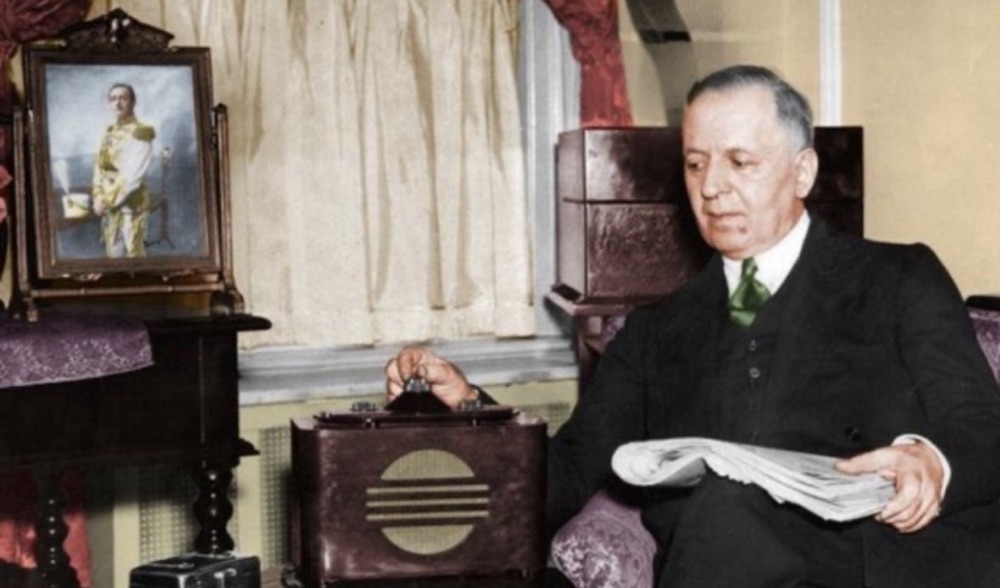
Por cili është kuptimi që i jepte Faik Konica kësaj feste?
Kur çkrin dimëri, kur qaset Vera buzëqeshur e hollë dhe e gjatë si në pikturë të Botiçelit, zemra e njeriut çgarkohet nga një barë, shijon një qetësi, një lumtësi t’ëmblë. Në këtë gëzim, stërgjyshërit t’anë ndiejin një detyrë t’u falen perëndive që sillnin këto mirësira. Dhe ashtu leu festa hiroshe që quajmë Dit’ e Verës.
Në pak ditë në Shqipëri, besnikët e fundmë të paganizmit, besnikë padashur dhe pa dijtur, do të rrethojnë me verore degët e thanavet, të dëllinjavet, të dafinavet të gjithë shelgjeve të nderuara. Do të këputin degë të gjelbra dhe do t’i venë mbi kryet e shtëpivet.
Të mos i lëmë të humbasin këto festa të vjetra të rracës sonë. Nuk i bëjnë dëm njeriut. Sjellin një gëzim të kulluar në shtëpi. Në një vend ku jeta e të vegjëlvet është aq e trishtuar, djelmuria dhe vajzat kanë një rasë të rrallë për të dëfryer. Për të mëdhenjtë, Dita e Verës ka një shije poetike të hollë e të rrallë.”
An explanation by Faik Konica about what “Dita e Verës” (Summer Day) is

Dita e Verës, celebrated on March 14, is one of the oldest and most inclusive holidays in Albania. Many events are organized throughout the country, with the city of Elbasan often becoming the “capital” of the celebrations.

But what meaning did Faik Konica give to this holiday?

“It is the day on which our great-grandfathers, when Christianity had not yet been born, celebrated together with the Romans and the Ancient Greeks the gods of flowers, willows, and springs.

When winter melts away, when Summer approaches smiling, slender and tall like in a painting by Botticelli, the human heart is relieved of a burden and feels a calm, a gentle happiness. In this joy, our ancestors felt a duty to give thanks to the gods who brought these blessings. And thus was born the graceful celebration we call Dita e Verës.

In a few days in Albania, the last followers of paganism—followers unknowingly and unintentionally—will tie verore (colorful bracelets) around the branches of cornel trees, junipers, laurels, and all the honored willows. They will cut green branches and place them on the roofs of their houses.

Let us not allow these ancient festivals of our people to disappear. They do no harm to anyone. They bring a pure joy into the home. In a place where the lives of the young are often so sad, boys and girls have a rare chance to celebrate and enjoy themselves. For adults, Dita e Verës has a delicate and rare poetic flavor.”

If you want, I can also give you a shorter, more modern English version (easier to understand) or explain the traditions of Dita e Verës like verore bracelets and ballokume. 🌸
 AL in Sweden.