Numerically, the US has approximately 1.3 million active military personnel and over 800,000 reservists and National Guard members, while also having the largest military network of bases in foreign countries, with a presence in more than 70 countries.
The strength of the US does not lie in numbers alone. What makes it unique is its technological superiority.
State-of-the-art platforms for strategic deterrence and precision operations.
Satellite and cyber warfare systems:
The US has a leading position in the field of cyberspace, with specialized units supporting electronic and information dominance.
The United States possesses approximately 5,000 nuclear warheads, of which approximately 1,600 are immediately operational.
The strategic nuclear triad of intercontinental ballistic missiles (ICBMs), ballistic missile submarines (SSBNs), and strategic bombers provides a “second strike” capability and acts as a pillar of global deterrence.
The US’s speed of response is extremely high. They have 11 aircraft carriers, while China has 3 and Russia only 1.
They can operate simultaneously in two or more theaters of operations, while their large fleet of transport and refueling aircraft offers unparalleled operational flexibility.
The US Armed Forces in Numbers:
Air Force
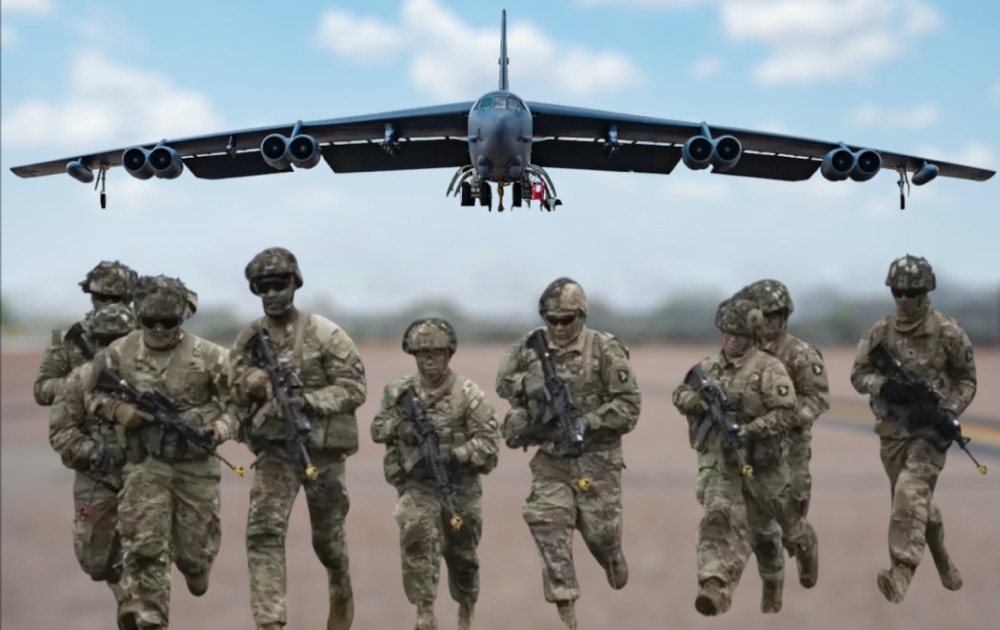
The US has over 13,300 military aircraft, including about 2,200 advanced fighter jets such as the F-15, F-16, F-22 and F-35. The bomber fleet includes 150 B-1B, B-2 and B-52 bombers.
Helicopters are a key part of air mobility and support, with a total of 5,400, including 970 Apache attack helicopters.
Refueling aircraft (KC-135, KC-46) number around 550, while 1,050 strategic transport aircraft (C-17, C-130, C-5) guarantee the ability for global force projection.
Ground Forces
The US ground armament includes 6,000 M1 Abrams tanks, of which about 2,500 are active. In addition, over 41,000 armored vehicles such as Bradley, Stryker, Humvee and others are at the disposal of the troops.
The artillery consists of 1,400 units, including self-propelled and towed vehicles, while the missile capacity is represented by over 1,000 HIMARS and MLRS systems.
Naval Power
The US Navy has a total of 490 warships, including 11 Gerald R. Ford- and Nimitz-class aircraft carriers, which are symbols of naval dominance. The fleet also includes 68 nuclear submarines (SSN and SSBN), 90 destroyers and cruisers, and 33 amphibious assault ships for sea-land operations.
In total, 20 modern frigates and 100 support ships reinforce the navy’s logistical and operational capacity.
Nuclear Arsenal
The United States possesses 5,044 nuclear warheads in total, of which 1,600 are operational. Strategic capabilities include 400 Minuteman III intercontinental ballistic missiles (ICBMs), 14 nuclear submarines with Trident II missiles, and 60 to 70 strategic bombers ready for nuclear missions.
Military Manpower
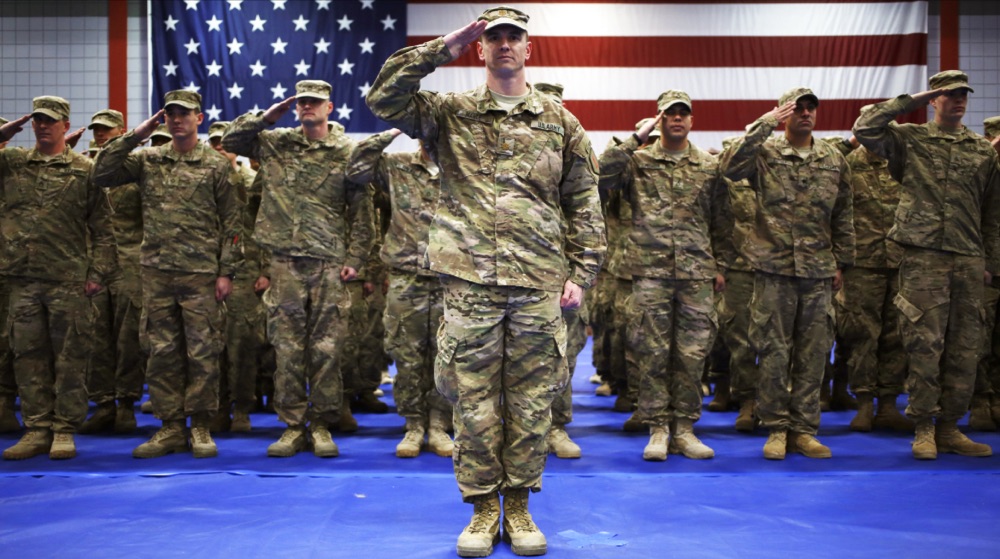
The active-duty personnel of the U.S. Armed Forces consist of 1.33 million troops, while 800,000 are in the reserves and National Guard. In total, over 2.13 million forces can be mobilized in the event of a large-scale conflict.
 AL in Sweden.